- Joined
- Apr 9, 2024
- Messages
- 6,399
- Solutions
- 1
- Online time
- 10d 15h
- Reputation
- 16,700
- Guild

Long ago, in a small Tunisian village near Kairouan, there was a man named Ammar. He was a quiet and mysterious figure, known to walk alone in the desert at night. He never married, rarely spoke, and always wore white. People thought he was a holy man, maybe even a wali (saint), because he was always fasting, praying, and reciting verses from the Qur'an.
One day, Ammar went into the desert — and never returned.
A few days later, villagers went looking for him and found his sandals and staff near a dried-up well, but no body. The imam declared a janazah prayer, and a small shrine was built in his honor. Then something strange happened…
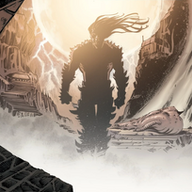
A woman claimed that she saw Ammar walking at night, but his eyes glowed like coals and he walked without leaving footprints. Another villager swore he saw him near the shrine, digging a second grave beside the one already made.
Soon, tales spread that Ammar had never really died. People said he was not just a man, but a powerful jinn who had lived among them in human form. The “two graves” came to symbolize his dual nature — one for the human he pretended to be, the other for the jinn he truly was.
---
The Curse of Disrespect
Years later, a young man named Khaled — bold and arrogant — mocked the shrine and claimed jinn weren’t real. One night, on a dare, he went to the shrine alone. He spat near the tomb and said:
"If you're real, come out and stop me."
That night, Khaled didn’t come home. They found him at dawn lying near the shrine, eyes wide open, completely mute, as if frozen in terror. He never spoke again. His hair turned white before he was 20.
The village elders said he saw Sidi Ammar Bou Kabrine, not as a saint — but in his true jinn form.
---
Lessons from the Tale
To this day, in parts of Tunisia, people light candles at his shrine, both out of respect and fear. Some ask for healing, others leave offerings. But no one dares mock him, and no one walks by that shrine alone after sunset.
They say he still watches, protecting the land — but punishing those who show arrogance or disrespect to the unseen world.