Firstly, lets define abortion. According to the Oxford Dictionary, abortion in the context we are speaking of
is the deliberate termination of a human pregnancy, most often performed during the first 28 weeks of pregnancy.
When does life begin? Life begins at conception. It begins when sperm and eggs fuse to give rise to a single cell human zygote whose genetic individuality and uniqueness remain unchanged during normal development is widely supported. This is a fact, not an opinion. The zygote has the capacity to become an adult human individual.
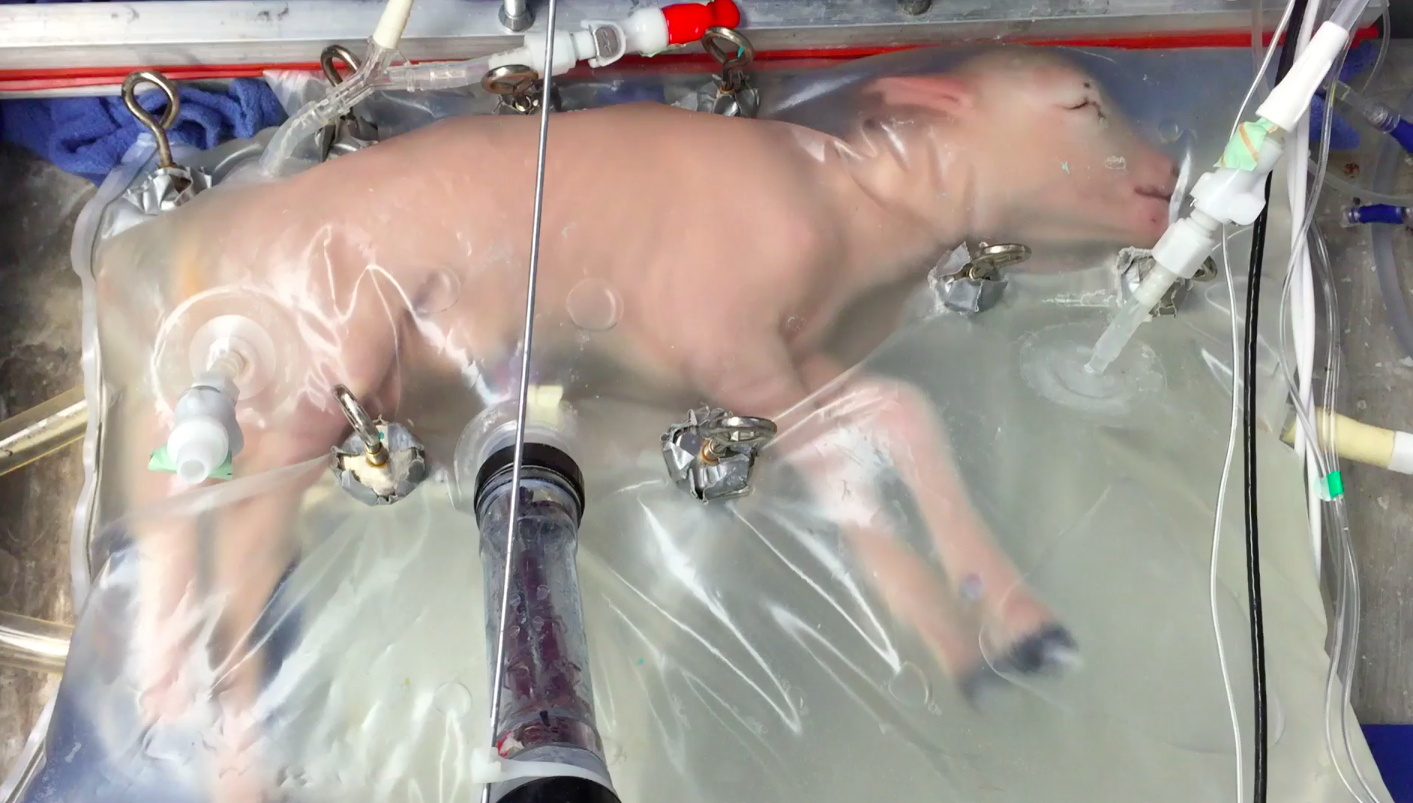
look at dat lil bro we all used to be him
Types of Abortion:
Medication Abortion: Two medications, mifepristone, and misoprostol. Mifepristone blocks the hormone progesterone, which is necessary to maintain a pregnancy. Misoprostol causes contractions of the uterus to expel the pregnancy tissue. This method is typically used up to about 10 weeks of pregnancy.
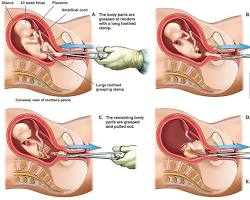
Dilation and Evacuation (D&E): Used after 14 weeks (usually till 24th week) of pregnancy, it involves dilating the cervix and using forceps and other instruments to remove the pregnancy tissue. It's usually done under anesthesia. The fetus’ limbs are torn off, and then the doctor prods around searching for its head and then crushing it. Then everything else is scraped out.
Suction Aspiration: This is the most common type of abortion, used up to about 14 weeks of pregnancy. A tube is inserted into the uterus through the cervix, and the pregnancy tissue is removed using suction.
“Abortion may also be performed surgically by hysterotomy or gravid hysterectomy. Hysterotomy abortion is a procedure similar to a caesarean section and is performed under general anesthesia. It requires a smaller incision than a caesarean section and
can be used during later stages of pregnancy. Gravid hysterectomy refers to removal of the whole uterus while still containing the pregnancy. Hysterotomy and hysterectomy are associated with much higher rates of maternal morbidity and mortality than D&E or induction abortion.
[80]
In places lacking the necessary medical skill for dilation and extraction, or when preferred by practitioners, an abortion can be induced by first inducing labor and then inducing fetal demise if necessary.
[84] This is sometimes called "induced miscarriage". This procedure may be performed from 13 weeks gestation to the third trimester. Although it is very uncommon in the United States, more than 80% of induced abortions throughout the second trimester are labor-induced abortions in Sweden and other nearby countries.
[85]
Only limited data are available comparing labor-induced abortion with the dilation and extraction method.
[85] Unlike D&E, labor-induced abortions after 18 weeks may be complicated by the occurrence of brief fetal survival, which may be legally characterized as live birth. For this reason, labor-induced abortion is legally risky in the United States.
[85][86]
Instillation abortion is performed by injecting a
chemical solution consisting of either
saline,
urea, or
prostaglandin through the abdomen and into the amniotic sac. The cervix is dilated prior to the injection, and the chemical solution induces uterine contractions which expel the fetus.
[1] Sometimes a dilation and curettage procedure is necessary to remove any remaining fetal or placenta tissue.
[2]
Instillation methods can require hospitalization for 12 to 48 hours.
[2] In one study, when laminaria were used to dilate the cervix overnight, the time between injection and completion was reduced from 29 to 14 hours.
[3]
However, this has fallen out of favor due to adverse side effects. Additionally, it is likely extremely painful, the fetus is literally being burned alive with the saline.
IDX (Intact Dilation and Extraction): During the surgery, the fetus is removed from the uterus in the breech position. If the fetal presentation is not breech, forceps or manual manipulation can be used to turn it to a breech presentation while in the uterus (internal version).
[6] The fetal skull is usually the largest part of the fetal body and its removal may require mechanical collapse if it is too large to fit through the cervical canal.
[5] Decompression of the skull can be accomplished by incision and suction of the brain or by using forceps to collapse the skull.
[4]” Basically, the baby is partially induced to be born and its skull is crushed.
I would suggest using Google images to see how the procedures are done and how the aborted fetus appears, I won’t post it here due to NSFW rules. While you may say this is an attempt for persuasion: it may be, but I also want to show the reality.
- If a woman attempts abortion without medical care, it is very risky. She might go to a fake doctor/healer, use herbs, insert painful objects inside of her via the vagina, use drugs, and cause trauma to the abdomen. This is very rare in countries that have legal abortion, but it is done out of desperation.
- Mental health of the woman involving abortions is either inconclusive or not correlated. More studies need to be done.
- An extremely low number of babies have survived abortions, with around 277 recorded instances.
- Although subject to debate, the earliest some experts believe is 12 weeks for a fetus to feel pain. 94% of abortions are performed prior to 13 weeks. Fetal anesthesia does not exist.







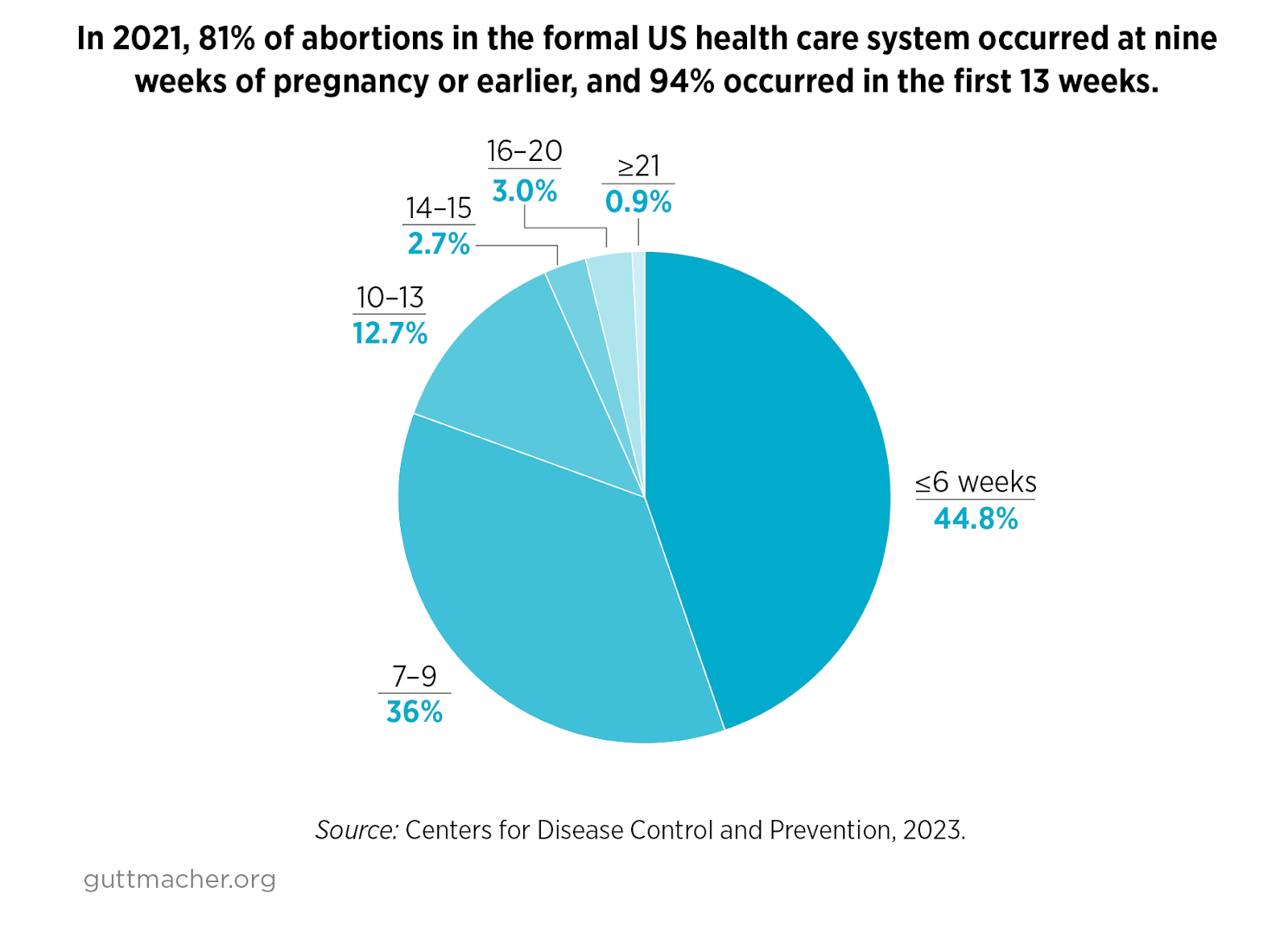

 .
.