Join 65,000+ Looksmaxxing Members!

Register a FREE account today to become a member. Once signed in, you'll be able to participate on this site by adding your own topics and posts, as well as connect with other members through your own private inbox.

  • DISCLAIMER: DO NOT ATTEMPT TREATMENT WITHOUT LICENCED MEDICAL CONSULTATION AND SUPERVISION

    This is a public discussion forum. The owners, staff, and users of this website ARE NOT engaged in rendering professional services to the individual reader. DO NOT use the content of this website as an alternative to personal examination and advice from licenced healthcare providers. DO NOT begin, delay, or discontinue treatments and/or exercises without licenced medical supervision. Learn more

Guide Comprehensive Hair Growth Guide

n4evis

𓂀
Contributor
Established
Joined
Feb 6, 2025
Messages
829
Solutions
1
Time Online
7d 3h
Reputation
1,952
1. Introduction
In this guide, i'll present you methods on how to grow long, healthy hair and prevent hair loss. If you just want to read the hair growing methods, skip to Point 5, although i highly recommend reading the earlier ones just to increase your knowledge.

2. Hair Structure
Hair is mainly composed of keratin proteins. The average growth rate of human hair is 1-1.5cm (0.4 - 0.6 inch) per month.This rate is determined solely by your genetics, age and also hormones, but with the methods i'll show, you'll be able to maximize your hair's growth potential and prevent/get rid of hair loss.

3. Overview of the Hair Growth Cycle
Hair growth occurs in a process characterized by four phases (which are shown on the image down below):
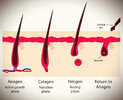
  • Anagen (The „Growth” Phase): 2-8 years, Determines hair length and decreases with age. Keep in mind: Some hairs stay in the Anagen phase for only 2 years, while others can remain up to 8. Each hair follicle grows independently.
  • Catagen (Transition): 2 weeks; Represents the transition from anagen to telogen, follicle detaches from dermal papilla.
  • Telogen (Rest): 2–3 months; Premature transition (from Anagen to Telogen) can cause telogen effluvium (TE), aka excessive shedding and thinning.
  • Exogen (Shedding): Old hair is pushed out by new hair.
  • As mentioned, each follicle cycles independently, with 10–30 cycles per lifetime.
  • Normal shedding: 100–150 hairs/day, maintaining overall hair density.
Shutterstock_735194029_1445x (1).jpg

4. Factors influencing Hair Health
4.1 Chronic Inflammation
4.2 Hormones

A variety of hormones have been shown to impact the hair cycle and mediate hair growth:
  • Both low thyroid (hypothyroidism) and high thyroid (hyperthyroidism) can cause shedding. This happens because thyroid imbalance can push hairs out of the growth phase (anagen) into the resting/shading phases (telogen/exogen).
  • In women, excessive dihydrotestosterone can shrink scalp hair follicles, leading to female pattern hair loss (FPHL/FPAnA). DHT makes the growth phase shorter and the shedding phase longer, which again leads to thinner, weaker hairs.
  • Lower ratios (less estrogen activity compared to androgens) are linked to female pattern hair loss, because estrogen tends to protect hair, while androgens (like testosterone/DHT) can promote thinning.
  • NOTE: Throughout the menstrual cycle, fluctuations in estrogen and progesterone levels influence the hair cycle, with studies suggesting that higher estrogen levels during the follicular phase may promote hair growth, while progesterone dominance in the luteal phase may lead to hair shedding.
  • Cortisol and Serotonin: Cortisol, known as the „stress hormone”, can disrupt the hair growth cycle. It shortens the anagen (growth) phase and increases the number of follicles in telogen (resting phase), triggers TE. In contrast, Serotonin, known as the „happiness hormone” activates dermal papilla cells and promotes hair growth.
  • Insulin (IGF-I): Proper IGF-I levels are important for healthy growing hair, since it helps maintain the anagen phase.
4.3 Nutritional Deficiencies
Studies have found associations between nutritional deficiency and a variety of types of hair loss, including chronic TE, AnA, and AnA.
4.4 Poor sleep
Poor sleep has been associated with increased risk and severity of alopecia subtypes, including Alopecia Areata (AA) andd Androgenic Alopecia (AnA).
5. Hair Growth Methods
5.1 Diet

A healthy and balanced diet is the KEY to growing long and healthy hair.
5.2 Topical and Oral Treatments for Hair Growth
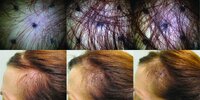
  • Minoxidil (2-5%): Starting off with Minoxidil, it's the best topical hair growth treatment. Apply once or twice directly to the scalp. Both 2% and 5% minoxidil solutions were superior to placebo in increasing nonvellus hair count and improving investigator-assessed hair growth and scalp coverage. 5% minoxidil showed statistically superior results over 2% in patient-reported treatment benefit. However, the higher the concentration, the more chance you get side effects (dermatitis with the typical symptoms of itching and scaling, headache). A patch test should be performed to determine the causative agents.
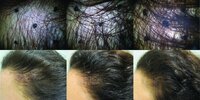
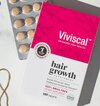
  • Viviscal (2 tablets per day - 1,040mg) NOTE: Viviscal contains marine proteins, so avoid it if you're allergic to fish!!! Subjects treated with the oral supplement achieved a significant increase in the number of baseline terminal hairs at 90 and 180 days (for each, p<0.0001, respectively) and were significantly greater than placebo (p<0.0001). Most study participants believed the use of the oral supplement resulted in significant improvement in skin and hair quality and quality of life.
jcad_8_12_15-g001.jpg
jcad_8_12_15-g002.jpg
Screenshot_20250821_015549_ChatGPT.jpg
  • Pumpkin seed oil: PSO supplements have also been shown to be beneficial for hair loss. A randomized control trial including 76 males with androgenetic alopecia were instructed to either take 450 mg of pumpkin seed oil supplements or placebo for 24 weeks. Hair counts improved by 40% in those taking pumpkin seed oil whereas hair counts only improved 10% in the placebo group (p < 0.001).
  • Caffeine: Topical caffeine, especially in shampoos can be effective for stimulating hair growth. After 6 months more than 70% of the participants using the caffeine containing shampoo reported their contentment with the product. In contrast to that, those subjects using the placebo shampoo expressed a significantly less contentment (28%) after 6 months.
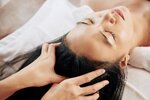
  • Scalp Massages: Stimulates blood flow. A 4-10 minute daily scalp massages can increase thickness.
professional-head-massage.jpg

5.3 Herbs and Phytochemicals
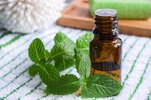
  • Peppermint Oil: Similar to Rosemary oil. Intervention: 3% peppermint oil applied topically vs. 3% minoxidil, jojoba oil, or saline, once daily for 4 weeks. Results: Peppermint oil group showed the most significant hair growth, measured by increased dermal thickness, follicle number, and follicle depth.
peppermint-essential-oil.jpg
  • Rosemary oil: Topical use for 6 months increased hair count in humans, comparable to 2% Minoxidil. Dilute it with a carrier oil (coconut, jojoba etc) to avoid scalp irritation.
  • Quercetin: A component of „Hottuyunia cordata extract”, has also shown to have beneficial effects for hair growth. A study conducted in 2020 utilized human dermal papilla cells (hDPCs) to test the effects of the extract. Topical usage is more effective than oral so look for serums and lotions that contain quercetin or hottuyunia cordata extract at 0.5-2% concentration.
5.4 Low level light therapy (LLLT):
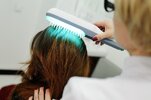
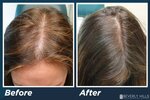
  • Low level light therapy refers to therapeutic exposure to low levels of red and near infrared light. Studies have demonstrated increased hair growth in mice with chemotherapy-induced alopecia and AA, in addition to both men and women human subjects. In the largest randomized controlled trial, Jimenez et al.[50] demonstrated statistically significant hair regrowth by terminal hair count in all patients. HairMaxLaserComb® devices tested, compared with sham controls, in both males and females. Recommended sessions: 15–20 min, three times a week. Skipping sessions will slow down results.
ImageForArticle_24537_1706693226980571.jpg
606f8d404030eef4651a7031_Low-Level-Laser-Therapy-Hair-Loss-BA-2.jpeg
6. General Hair Care Tips
Hair growth starts from the scalp but that does not mean you should neglect taking care of your ends.
6.1 Avoid excessive heat styling and harsh chemical treatments.
6.2 Sulfates can be stripping and increase dryness if used in high amounts too often, otherwise they are fine and will clean your scalp properly.
6.3 Avoid tight hairstyles, as they increase breakage and overtime can lead to traction alopecia (hair loss due to tension).
6.4 Sleeping on silk can reduce hair breakage, due to friction.
6.5 Coconut oil as a pre-wash treatment: Using coconut hair oil as a pre-wash treatment can protect your hair. Lauric acid—a type of saturated fat abundant in coconut oil can benefit your hair by protecting against protein loss. One research study found that hair treated with coconut oil once or twice a week was more protected against breakage than hair not treated with the oil. Additionally, a 2024 study assessing coconut oil, alongside other vegetable oils, found that coconut oil is composed of triglycerides capable of penetrating and interacting with the hair cortex. By penetrating the hair, coconut oil can reduce the amount of water it absorbs, which helps limit everyday hair damage.
Choosing the best CBHO option:
  • 100% Pure Coconut Oil - Make sure the shampoo you're using is strong enough to cleanse out the residue, but if it still leaves your hair dry, you can try:
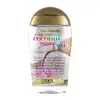
  • „OGX Coconut Miracle Oil” - if you have thick/coarse hair
3-fl-oz-1-en-us.webp
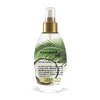
  • „OGX Coconut Weightless Hydrating Oil Mist” - If you have thin/fine hair
res_be5a625649de47f64fe6f12cff7e81d3.jpg
  • „OGX Coconut Milk Anti-Breakage Serum” - if you're somewhere in between​
612szk-sZuL._UF1000,1000_QL80_FMwebp_.webp
Thanks for reading!
Sources:
https://pubmed.ncbi.nlm.nih.gov/15034503/
https://pubmed.ncbi.nlm.nih.gov/26705444/
https://pmc.ncbi.nlm.nih.gov/articles/PMC9917549/
https://pmc.ncbi.nlm.nih.gov/articles/PMC4017725/
https://pmc.ncbi.nlm.nih.gov/articles/PMC4387693/
https://pubmed.ncbi.nlm.nih.gov/32549694/
Peppermint Oil Promotes Hair Growth without Toxic Signs - PMC https://share.google/E4E3p6t4IfdnuI4wt
https://pubmed.ncbi.nlm.nih.gov/25842469/
https://pmc.ncbi.nlm.nih.gov/articles/PMC7504764/
 
Last edited by a moderator:
Register to hide this ad
Have gold
 
1. Introduction
In this guide, i'll present you methods on how to grow long, healthy hair and prevent hair loss. If you just want to read the hair growing methods, skip to Point 5, although i highly recommend reading the earlier ones just to increase your knowledge.

2. Hair Structure
Hair is mainly composed of keratin proteins. The average growth rate of human hair is 1-1.5cm (0.4 - 0.6 inch) per month.This rate is determined solely by your genetics, age and also hormones, but with the methods i'll show, you'll be able to maximize your hair's growth potential and prevent/get rid of hair loss.

3. Overview of the Hair Growth Cycle
Hair growth occurs in a process characterized by four phases (which are shown on the image down below):
  • Anagen (The „Growth” Phase): 2-8 years, Determines hair length and decreases with age. Keep in mind: Some hairs stay in the Anagen phase for only 2 years, while others can remain up to 8. Each hair follicle grows independently.
  • Catagen (Transition): 2 weeks; Represents the transition from anagen to telogen, follicle detaches from dermal papilla.
  • Telogen (Rest): 2–3 months; Premature transition (from Anagen to Telogen) can cause telogen effluvium (TE), aka excessive shedding and thinning.
  • Exogen (Shedding): Old hair is pushed out by new hair.
  • As mentioned, each follicle cycles independently, with 10–30 cycles per lifetime.
  • Normal shedding: 100–150 hairs/day, maintaining overall hair density.
View attachment 160821
4. Factors influencing Hair Health
4.1 Chronic Inflammation
4.2 Hormones

A variety of hormones have been shown to impact the hair cycle and mediate hair growth:
  • Both low thyroid (hypothyroidism) and high thyroid (hyperthyroidism) can cause shedding. This happens because thyroid imbalance can push hairs out of the growth phase (anagen) into the resting/shading phases (telogen/exogen).
  • In women, excessive dihydrotestosterone can shrink scalp hair follicles, leading to female pattern hair loss (FPHL/FPAnA). DHT makes the growth phase shorter and the shedding phase longer, which again leads to thinner, weaker hairs.
  • Lower ratios (less estrogen activity compared to androgens) are linked to female pattern hair loss, because estrogen tends to protect hair, while androgens (like testosterone/DHT) can promote thinning.
  • NOTE: Throughout the menstrual cycle, fluctuations in estrogen and progesterone levels influence the hair cycle, with studies suggesting that higher estrogen levels during the follicular phase may promote hair growth, while progesterone dominance in the luteal phase may lead to hair shedding.
  • Cortisol and Serotonin: Cortisol, known as the „stress hormone”, can disrupt the hair growth cycle. It shortens the anagen (growth) phase and increases the number of follicles in telogen (resting phase), triggers TE. In contrast, Serotonin, known as the „happiness hormone” activates dermal papilla cells and promotes hair growth.
  • Insulin (IGF-I): Proper IGF-I levels are important for healthy growing hair, since it helps maintain the anagen phase.
4.3 Nutritional Deficiencies
Studies have found associations between nutritional deficiency and a variety of types of hair loss, including chronic TE, AnA, and AnA.
4.4 Poor sleep
Poor sleep has been associated with increased risk and severity of alopecia subtypes, including Alopecia Areata (AA) andd Androgenic Alopecia (AnA).
5. Hair Growth Methods
5.1 Diet

A healthy and balanced diet is the KEY to growing long and healthy hair.
5.2 Topical and Oral Treatments for Hair Growth
  • Minoxidil (2-5%): Starting off with Minoxidil, it's the best topical hair growth treatment. Apply once or twice directly to the scalp. Both 2% and 5% minoxidil solutions were superior to placebo in increasing nonvellus hair count and improving investigator-assessed hair growth and scalp coverage. 5% minoxidil showed statistically superior results over 2% in patient-reported treatment benefit. However, the higher the concentration, the more chance you get side effects (dermatitis with the typical symptoms of itching and scaling, headache). A patch test should be performed to determine the causative agents.
  • Viviscal (2 tablets per day - 1,040mg) NOTE: Viviscal contains marine proteins, so avoid it if you're allergic to fish!!! Subjects treated with the oral supplement achieved a significant increase in the number of baseline terminal hairs at 90 and 180 days (for each, p<0.0001, respectively) and were significantly greater than placebo (p<0.0001). Most study participants believed the use of the oral supplement resulted in significant improvement in skin and hair quality and quality of life.View attachment 160824View attachment 160823View attachment 160822
  • Pumpkin seed oil: PSO supplements have also been shown to be beneficial for hair loss. A randomized control trial including 76 males with androgenetic alopecia were instructed to either take 450 mg of pumpkin seed oil supplements or placebo for 24 weeks. Hair counts improved by 40% in those taking pumpkin seed oil whereas hair counts only improved 10% in the placebo group (p < 0.001).
  • Caffeine: Topical caffeine, especially in shampoos can be effective for stimulating hair growth. After 6 months more than 70% of the participants using the caffeine containing shampoo reported their contentment with the product. In contrast to that, those subjects using the placebo shampoo expressed a significantly less contentment (28%) after 6 months.
  • Scalp Massages: Stimulates blood flow. A 4-10 minute daily scalp massages can increase thickness.View attachment 160827
5.3 Herbs and Phytochemicals
  • Peppermint Oil: Similar to Rosemary oil. Intervention: 3% peppermint oil applied topically vs. 3% minoxidil, jojoba oil, or saline, once daily for 4 weeks. Results: Peppermint oil group showed the most significant hair growth, measured by increased dermal thickness, follicle number, and follicle depth.View attachment 160828
  • Rosemary oil: Topical use for 6 months increased hair count in humans, comparable to 2% Minoxidil. Dilute it with a carrier oil (coconut, jojoba etc) to avoid scalp irritation.
  • Quercetin: A component of „Hottuyunia cordata extract”, has also shown to have beneficial effects for hair growth. A study conducted in 2020 utilized human dermal papilla cells (hDPCs) to test the effects of the extract. Topical usage is more effective than oral so look for serums and lotions that contain quercetin or hottuyunia cordata extract at 0.5-2% concentration.
5.4 Low level light therapy (LLLT):
  • Low level light therapy refers to therapeutic exposure to low levels of red and near infrared light. Studies have demonstrated increased hair growth in mice with chemotherapy-induced alopecia and AA, in addition to both men and women human subjects. In the largest randomized controlled trial, Jimenez et al.[50] demonstrated statistically significant hair regrowth by terminal hair count in all patients. HairMaxLaserComb® devices tested, compared with sham controls, in both males and females. Recommended sessions: 15–20 min, three times a week. Skipping sessions will slow down results.
View attachment 160829
View attachment 160830
6. General Hair Care Tips
Hair growth starts from the scalp but that does not mean you should neglect taking care of your ends.
6.1 Avoid excessive heat styling and harsh chemical treatments.
6.2 Sulfates can be stripping and increase dryness if used in high amounts too often, otherwise they are fine and will clean your scalp properly.
6.3 Avoid tight hairstyles, as they increase breakage and overtime can lead to traction alopecia (hair loss due to tension).
6.4 Sleeping on silk can reduce hair breakage, due to friction.
6.5 Coconut oil as a pre-wash treatment: Using coconut hair oil as a pre-wash treatment can protect your hair. Lauric acid—a type of saturated fat abundant in coconut oil can benefit your hair by protecting against protein loss. One research study found that hair treated with coconut oil once or twice a week was more protected against breakage than hair not treated with the oil. Additionally, a 2024 study assessing coconut oil, alongside other vegetable oils, found that coconut oil is composed of triglycerides capable of penetrating and interacting with the hair cortex. By penetrating the hair, coconut oil can reduce the amount of water it absorbs, which helps limit everyday hair damage.
Choosing the best CBHO option:
  • 100% Pure Coconut Oil - Make sure the shampoo you're using is strong enough to cleanse out the residue, but if it still leaves your hair dry, you can try:
  • „OGX Coconut Miracle Oil” - if you have thick/coarse hairView attachment 160831
  • „OGX Coconut Weightless Hydrating Oil Mist” - If you have thin/fine hairView attachment 160832
  • „OGX Coconut Milk Anti-Breakage Serum” - if you're somewhere in betweenView attachment 160833Thanks for reading!
Sources:
https://pubmed.ncbi.nlm.nih.gov/15034503/
https://pubmed.ncbi.nlm.nih.gov/26705444/
https://pmc.ncbi.nlm.nih.gov/articles/PMC9917549/
https://pmc.ncbi.nlm.nih.gov/articles/PMC4017725/
https://pmc.ncbi.nlm.nih.gov/articles/PMC4387693/
https://pubmed.ncbi.nlm.nih.gov/32549694/
Peppermint Oil Promotes Hair Growth without Toxic Signs - PMC https://share.google/E4E3p6t4IfdnuI4wt
https://pubmed.ncbi.nlm.nih.gov/25842469/
https://pmc.ncbi.nlm.nih.gov/articles/PMC7504764/
W good thread
 
I literally just got the worst haircut of my life ure a life saver
 
  • Minoxidil (2-5%): Starting off with Minoxidil, it's the best topical hair growth treatment. Apply once or twice directly to the scalp. Both 2% and 5% minoxidil solutions were superior to placebo in increasing nonvellus hair count and improving investigator-assessed hair growth and scalp coverage. 5% minoxidil showed statistically superior results over 2% in patient-reported treatment benefit. However, the higher the concentration, the more chance you get side effects (dermatitis with the typical symptoms of itching and scaling, headache). A patch test should be performed to determine the causative agents.
is orale or directly on scalp better?
 
is orale or directly on scalp better?
Directly on the scalp, it's much more effective and has fewer risks than taking it orally
 
1. Introduction
In this guide, i'll present you methods on how to grow long, healthy hair and prevent hair loss. If you just want to read the hair growing methods, skip to Point 5, although i highly recommend reading the earlier ones just to increase your knowledge.

2. Hair Structure
Hair is mainly composed of keratin proteins. The average growth rate of human hair is 1-1.5cm (0.4 - 0.6 inch) per month.This rate is determined solely by your genetics, age and also hormones, but with the methods i'll show, you'll be able to maximize your hair's growth potential and prevent/get rid of hair loss.

3. Overview of the Hair Growth Cycle
Hair growth occurs in a process characterized by four phases (which are shown on the image down below):
  • Anagen (The „Growth” Phase): 2-8 years, Determines hair length and decreases with age. Keep in mind: Some hairs stay in the Anagen phase for only 2 years, while others can remain up to 8. Each hair follicle grows independently.
  • Catagen (Transition): 2 weeks; Represents the transition from anagen to telogen, follicle detaches from dermal papilla.
  • Telogen (Rest): 2–3 months; Premature transition (from Anagen to Telogen) can cause telogen effluvium (TE), aka excessive shedding and thinning.
  • Exogen (Shedding): Old hair is pushed out by new hair.
  • As mentioned, each follicle cycles independently, with 10–30 cycles per lifetime.
  • Normal shedding: 100–150 hairs/day, maintaining overall hair density.
View attachment 160821

4. Factors influencing Hair Health
4.1 Chronic Inflammation
4.2 Hormones

A variety of hormones have been shown to impact the hair cycle and mediate hair growth:
  • Both low thyroid (hypothyroidism) and high thyroid (hyperthyroidism) can cause shedding. This happens because thyroid imbalance can push hairs out of the growth phase (anagen) into the resting/shading phases (telogen/exogen).
  • In women, excessive dihydrotestosterone can shrink scalp hair follicles, leading to female pattern hair loss (FPHL/FPAnA). DHT makes the growth phase shorter and the shedding phase longer, which again leads to thinner, weaker hairs.
  • Lower ratios (less estrogen activity compared to androgens) are linked to female pattern hair loss, because estrogen tends to protect hair, while androgens (like testosterone/DHT) can promote thinning.
  • NOTE: Throughout the menstrual cycle, fluctuations in estrogen and progesterone levels influence the hair cycle, with studies suggesting that higher estrogen levels during the follicular phase may promote hair growth, while progesterone dominance in the luteal phase may lead to hair shedding.
  • Cortisol and Serotonin: Cortisol, known as the „stress hormone”, can disrupt the hair growth cycle. It shortens the anagen (growth) phase and increases the number of follicles in telogen (resting phase), triggers TE. In contrast, Serotonin, known as the „happiness hormone” activates dermal papilla cells and promotes hair growth.
  • Insulin (IGF-I): Proper IGF-I levels are important for healthy growing hair, since it helps maintain the anagen phase.
4.3 Nutritional Deficiencies
Studies have found associations between nutritional deficiency and a variety of types of hair loss, including chronic TE, AnA, and AnA.
4.4 Poor sleep
Poor sleep has been associated with increased risk and severity of alopecia subtypes, including Alopecia Areata (AA) andd Androgenic Alopecia (AnA).
5. Hair Growth Methods
5.1 Diet

A healthy and balanced diet is the KEY to growing long and healthy hair.
5.2 Topical and Oral Treatments for Hair Growth
  • Minoxidil (2-5%): Starting off with Minoxidil, it's the best topical hair growth treatment. Apply once or twice directly to the scalp. Both 2% and 5% minoxidil solutions were superior to placebo in increasing nonvellus hair count and improving investigator-assessed hair growth and scalp coverage. 5% minoxidil showed statistically superior results over 2% in patient-reported treatment benefit. However, the higher the concentration, the more chance you get side effects (dermatitis with the typical symptoms of itching and scaling, headache). A patch test should be performed to determine the causative agents.
  • Viviscal (2 tablets per day - 1,040mg) NOTE: Viviscal contains marine proteins, so avoid it if you're allergic to fish!!! Subjects treated with the oral supplement achieved a significant increase in the number of baseline terminal hairs at 90 and 180 days (for each, p<0.0001, respectively) and were significantly greater than placebo (p<0.0001). Most study participants believed the use of the oral supplement resulted in significant improvement in skin and hair quality and quality of life.
View attachment 160824
View attachment 160823
View attachment 160822
  • Pumpkin seed oil: PSO supplements have also been shown to be beneficial for hair loss. A randomized control trial including 76 males with androgenetic alopecia were instructed to either take 450 mg of pumpkin seed oil supplements or placebo for 24 weeks. Hair counts improved by 40% in those taking pumpkin seed oil whereas hair counts only improved 10% in the placebo group (p < 0.001).
  • Caffeine: Topical caffeine, especially in shampoos can be effective for stimulating hair growth. After 6 months more than 70% of the participants using the caffeine containing shampoo reported their contentment with the product. In contrast to that, those subjects using the placebo shampoo expressed a significantly less contentment (28%) after 6 months.
  • Scalp Massages: Stimulates blood flow. A 4-10 minute daily scalp massages can increase thickness.
View attachment 160827

5.3 Herbs and Phytochemicals
  • Peppermint Oil: Similar to Rosemary oil. Intervention: 3% peppermint oil applied topically vs. 3% minoxidil, jojoba oil, or saline, once daily for 4 weeks. Results: Peppermint oil group showed the most significant hair growth, measured by increased dermal thickness, follicle number, and follicle depth.
View attachment 160828
  • Rosemary oil: Topical use for 6 months increased hair count in humans, comparable to 2% Minoxidil. Dilute it with a carrier oil (coconut, jojoba etc) to avoid scalp irritation.
  • Quercetin: A component of „Hottuyunia cordata extract”, has also shown to have beneficial effects for hair growth. A study conducted in 2020 utilized human dermal papilla cells (hDPCs) to test the effects of the extract. Topical usage is more effective than oral so look for serums and lotions that contain quercetin or hottuyunia cordata extract at 0.5-2% concentration.
5.4 Low level light therapy (LLLT):
  • Low level light therapy refers to therapeutic exposure to low levels of red and near infrared light. Studies have demonstrated increased hair growth in mice with chemotherapy-induced alopecia and AA, in addition to both men and women human subjects. In the largest randomized controlled trial, Jimenez et al.[50] demonstrated statistically significant hair regrowth by terminal hair count in all patients. HairMaxLaserComb® devices tested, compared with sham controls, in both males and females. Recommended sessions: 15–20 min, three times a week. Skipping sessions will slow down results.
View attachment 160829
View attachment 160830
6. General Hair Care Tips
Hair growth starts from the scalp but that does not mean you should neglect taking care of your ends.
6.1 Avoid excessive heat styling and harsh chemical treatments.
6.2 Sulfates can be stripping and increase dryness if used in high amounts too often, otherwise they are fine and will clean your scalp properly.
6.3 Avoid tight hairstyles, as they increase breakage and overtime can lead to traction alopecia (hair loss due to tension).
6.4 Sleeping on silk can reduce hair breakage, due to friction.
6.5 Coconut oil as a pre-wash treatment: Using coconut hair oil as a pre-wash treatment can protect your hair. Lauric acid—a type of saturated fat abundant in coconut oil can benefit your hair by protecting against protein loss. One research study found that hair treated with coconut oil once or twice a week was more protected against breakage than hair not treated with the oil. Additionally, a 2024 study assessing coconut oil, alongside other vegetable oils, found that coconut oil is composed of triglycerides capable of penetrating and interacting with the hair cortex. By penetrating the hair, coconut oil can reduce the amount of water it absorbs, which helps limit everyday hair damage.
Choosing the best CBHO option:
  • 100% Pure Coconut Oil - Make sure the shampoo you're using is strong enough to cleanse out the residue, but if it still leaves your hair dry, you can try:
  • „OGX Coconut Miracle Oil” - if you have thick/coarse hair
View attachment 160831
  • „OGX Coconut Weightless Hydrating Oil Mist” - If you have thin/fine hair
View attachment 160832
  • „OGX Coconut Milk Anti-Breakage Serum” - if you're somewhere in between​
View attachment 160833
Thanks for reading!
Sources:
https://pubmed.ncbi.nlm.nih.gov/15034503/
https://pubmed.ncbi.nlm.nih.gov/26705444/
https://pmc.ncbi.nlm.nih.gov/articles/PMC9917549/
https://pmc.ncbi.nlm.nih.gov/articles/PMC4017725/
https://pmc.ncbi.nlm.nih.gov/articles/PMC4387693/
https://pubmed.ncbi.nlm.nih.gov/32549694/
Peppermint Oil Promotes Hair Growth without Toxic Signs - PMC https://share.google/E4E3p6t4IfdnuI4wt
https://pubmed.ncbi.nlm.nih.gov/25842469/
https://pmc.ncbi.nlm.nih.gov/articles/PMC7504764/
Which minoxidill is good tho cuz i lowk see lottts of them,people usually say men's are Better?
 
1. Introduction
In this guide, i'll present you methods on how to grow long, healthy hair and prevent hair loss. If you just want to read the hair growing methods, skip to Point 5, although i highly recommend reading the earlier ones just to increase your knowledge.

2. Hair Structure
Hair is mainly composed of keratin proteins. The average growth rate of human hair is 1-1.5cm (0.4 - 0.6 inch) per month.This rate is determined solely by your genetics, age and also hormones, but with the methods i'll show, you'll be able to maximize your hair's growth potential and prevent/get rid of hair loss.

3. Overview of the Hair Growth Cycle
Hair growth occurs in a process characterized by four phases (which are shown on the image down below):
  • Anagen (The „Growth” Phase): 2-8 years, Determines hair length and decreases with age. Keep in mind: Some hairs stay in the Anagen phase for only 2 years, while others can remain up to 8. Each hair follicle grows independently.
  • Catagen (Transition): 2 weeks; Represents the transition from anagen to telogen, follicle detaches from dermal papilla.
  • Telogen (Rest): 2–3 months; Premature transition (from Anagen to Telogen) can cause telogen effluvium (TE), aka excessive shedding and thinning.
  • Exogen (Shedding): Old hair is pushed out by new hair.
  • As mentioned, each follicle cycles independently, with 10–30 cycles per lifetime.
  • Normal shedding: 100–150 hairs/day, maintaining overall hair density.
View attachment 160821

4. Factors influencing Hair Health
4.1 Chronic Inflammation
4.2 Hormones

A variety of hormones have been shown to impact the hair cycle and mediate hair growth:
  • Both low thyroid (hypothyroidism) and high thyroid (hyperthyroidism) can cause shedding. This happens because thyroid imbalance can push hairs out of the growth phase (anagen) into the resting/shading phases (telogen/exogen).
  • In women, excessive dihydrotestosterone can shrink scalp hair follicles, leading to female pattern hair loss (FPHL/FPAnA). DHT makes the growth phase shorter and the shedding phase longer, which again leads to thinner, weaker hairs.
  • Lower ratios (less estrogen activity compared to androgens) are linked to female pattern hair loss, because estrogen tends to protect hair, while androgens (like testosterone/DHT) can promote thinning.
  • NOTE: Throughout the menstrual cycle, fluctuations in estrogen and progesterone levels influence the hair cycle, with studies suggesting that higher estrogen levels during the follicular phase may promote hair growth, while progesterone dominance in the luteal phase may lead to hair shedding.
  • Cortisol and Serotonin: Cortisol, known as the „stress hormone”, can disrupt the hair growth cycle. It shortens the anagen (growth) phase and increases the number of follicles in telogen (resting phase), triggers TE. In contrast, Serotonin, known as the „happiness hormone” activates dermal papilla cells and promotes hair growth.
  • Insulin (IGF-I): Proper IGF-I levels are important for healthy growing hair, since it helps maintain the anagen phase.
4.3 Nutritional Deficiencies
Studies have found associations between nutritional deficiency and a variety of types of hair loss, including chronic TE, AnA, and AnA.
4.4 Poor sleep
Poor sleep has been associated with increased risk and severity of alopecia subtypes, including Alopecia Areata (AA) andd Androgenic Alopecia (AnA).
5. Hair Growth Methods
5.1 Diet

A healthy and balanced diet is the KEY to growing long and healthy hair.
5.2 Topical and Oral Treatments for Hair Growth
  • Minoxidil (2-5%): Starting off with Minoxidil, it's the best topical hair growth treatment. Apply once or twice directly to the scalp. Both 2% and 5% minoxidil solutions were superior to placebo in increasing nonvellus hair count and improving investigator-assessed hair growth and scalp coverage. 5% minoxidil showed statistically superior results over 2% in patient-reported treatment benefit. However, the higher the concentration, the more chance you get side effects (dermatitis with the typical symptoms of itching and scaling, headache). A patch test should be performed to determine the causative agents.
  • Viviscal (2 tablets per day - 1,040mg) NOTE: Viviscal contains marine proteins, so avoid it if you're allergic to fish!!! Subjects treated with the oral supplement achieved a significant increase in the number of baseline terminal hairs at 90 and 180 days (for each, p<0.0001, respectively) and were significantly greater than placebo (p<0.0001). Most study participants believed the use of the oral supplement resulted in significant improvement in skin and hair quality and quality of life.
View attachment 160824
View attachment 160823
View attachment 160822
  • Pumpkin seed oil: PSO supplements have also been shown to be beneficial for hair loss. A randomized control trial including 76 males with androgenetic alopecia were instructed to either take 450 mg of pumpkin seed oil supplements or placebo for 24 weeks. Hair counts improved by 40% in those taking pumpkin seed oil whereas hair counts only improved 10% in the placebo group (p < 0.001).
  • Caffeine: Topical caffeine, especially in shampoos can be effective for stimulating hair growth. After 6 months more than 70% of the participants using the caffeine containing shampoo reported their contentment with the product. In contrast to that, those subjects using the placebo shampoo expressed a significantly less contentment (28%) after 6 months.
  • Scalp Massages: Stimulates blood flow. A 4-10 minute daily scalp massages can increase thickness.
View attachment 160827

5.3 Herbs and Phytochemicals
  • Peppermint Oil: Similar to Rosemary oil. Intervention: 3% peppermint oil applied topically vs. 3% minoxidil, jojoba oil, or saline, once daily for 4 weeks. Results: Peppermint oil group showed the most significant hair growth, measured by increased dermal thickness, follicle number, and follicle depth.
View attachment 160828
  • Rosemary oil: Topical use for 6 months increased hair count in humans, comparable to 2% Minoxidil. Dilute it with a carrier oil (coconut, jojoba etc) to avoid scalp irritation.
  • Quercetin: A component of „Hottuyunia cordata extract”, has also shown to have beneficial effects for hair growth. A study conducted in 2020 utilized human dermal papilla cells (hDPCs) to test the effects of the extract. Topical usage is more effective than oral so look for serums and lotions that contain quercetin or hottuyunia cordata extract at 0.5-2% concentration.
5.4 Low level light therapy (LLLT):
  • Low level light therapy refers to therapeutic exposure to low levels of red and near infrared light. Studies have demonstrated increased hair growth in mice with chemotherapy-induced alopecia and AA, in addition to both men and women human subjects. In the largest randomized controlled trial, Jimenez et al.[50] demonstrated statistically significant hair regrowth by terminal hair count in all patients. HairMaxLaserComb® devices tested, compared with sham controls, in both males and females. Recommended sessions: 15–20 min, three times a week. Skipping sessions will slow down results.
View attachment 160829
View attachment 160830
6. General Hair Care Tips
Hair growth starts from the scalp but that does not mean you should neglect taking care of your ends.
6.1 Avoid excessive heat styling and harsh chemical treatments.
6.2 Sulfates can be stripping and increase dryness if used in high amounts too often, otherwise they are fine and will clean your scalp properly.
6.3 Avoid tight hairstyles, as they increase breakage and overtime can lead to traction alopecia (hair loss due to tension).
6.4 Sleeping on silk can reduce hair breakage, due to friction.
6.5 Coconut oil as a pre-wash treatment: Using coconut hair oil as a pre-wash treatment can protect your hair. Lauric acid—a type of saturated fat abundant in coconut oil can benefit your hair by protecting against protein loss. One research study found that hair treated with coconut oil once or twice a week was more protected against breakage than hair not treated with the oil. Additionally, a 2024 study assessing coconut oil, alongside other vegetable oils, found that coconut oil is composed of triglycerides capable of penetrating and interacting with the hair cortex. By penetrating the hair, coconut oil can reduce the amount of water it absorbs, which helps limit everyday hair damage.
Choosing the best CBHO option:
  • 100% Pure Coconut Oil - Make sure the shampoo you're using is strong enough to cleanse out the residue, but if it still leaves your hair dry, you can try:
  • „OGX Coconut Miracle Oil” - if you have thick/coarse hair
View attachment 160831
  • „OGX Coconut Weightless Hydrating Oil Mist” - If you have thin/fine hair
View attachment 160832
  • „OGX Coconut Milk Anti-Breakage Serum” - if you're somewhere in between​
View attachment 160833
Thanks for reading!
Sources:
https://pubmed.ncbi.nlm.nih.gov/15034503/
https://pubmed.ncbi.nlm.nih.gov/26705444/
https://pmc.ncbi.nlm.nih.gov/articles/PMC9917549/
https://pmc.ncbi.nlm.nih.gov/articles/PMC4017725/
https://pmc.ncbi.nlm.nih.gov/articles/PMC4387693/
https://pubmed.ncbi.nlm.nih.gov/32549694/
Peppermint Oil Promotes Hair Growth without Toxic Signs - PMC https://share.google/E4E3p6t4IfdnuI4wt
https://pubmed.ncbi.nlm.nih.gov/25842469/
https://pmc.ncbi.nlm.nih.gov/articles/PMC7504764/
Even though im a guy imma safe
 
Straight to the point. Massage works as well. Improve correct posture and try calisthenics too. Fenugreek is also very helpful.
 

Users who are viewing this thread

Back
Top