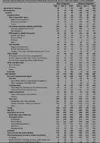
Federal level: Multiple analyses show immigrants (including many low-skilled) often have a positive or less negative net fiscal impact at the federal level because they are younger, work, and pay payroll/income taxes (Social Security, Medicare) while using fewer elderly benefits initially. The federal government benefits from their labor contributions, with costs more concentrated at state/local levels (mainly education for children).
Overall (all levels of government): The Cato Institute's update (using NAS methodology) found immigrants generated a cumulative $14.5 trillion fiscal surplus (1994–2023, real 2024 dollars, including debt interest savings). This held every year, even for low-skilled immigrants (less than bachelor's: +$2.8 trillion net). Immigrants paid more in taxes than they received in benefits across federal, state, and local combined.
CBO (Congressional Budget Office): Recent immigration surges boost federal revenues (taxes, productivity) more than spending, reducing deficits by ~$900 billion over 10 years in some projections, while expanding GDP by trillions.
Welfare usage nuance:
Non-citizens often consume less per capita in means-tested welfare + entitlements than natives (Cato: immigrants 24% less overall; non-citizens 53% less). Natives use more old-age entitlements (Social Security/Medicare).
However, Center for Immigration Studies (CIS) analyses show higher household welfare use rates for non-citizens from certain regions (e.g., Central America/Mexico higher than natives), especially when including EITC or broader programs. Legal status, education, and eligibility rules matter undocumented have limited access to many federal benefits.