Join 65,000+ Looksmaxxing Members!

Register a FREE account today to become a member. Once signed in, you'll be able to participate on this site by adding your own topics and posts, as well as connect with other members through your own private inbox.

  • DISCLAIMER: DO NOT ATTEMPT TREATMENT WITHOUT LICENCED MEDICAL CONSULTATION AND SUPERVISION

    This is a public discussion forum. The owners, staff, and users of this website ARE NOT engaged in rendering professional services to the individual reader. DO NOT use the content of this website as an alternative to personal examination and advice from licenced healthcare providers. DO NOT begin, delay, or discontinue treatments and/or exercises without licenced medical supervision. Learn more

Guide INSULIN SENSITIVITY: THE HIDDEN KEY TO LOOKING

Fidelis

🕊️🕊️🕊️
Contributor
Reputable ★
Established
Joined
Dec 30, 2025
Messages
726
Time Online
6d 6h
Reputation
5,081
Location
The Nature
Guild
PRML
Recently @aryy Asked me to make a guide about "Insulin Sensivity" and I found it a good topic which nobody spoke about it enough.

So I decided that I will make guide about it and I will try my best to make it helpful and easy to understand.

Enjoy the thread.


INSULIN SENSITIVITY: THE HIDDEN KEY TO LOOKING
Risk factors Of Insulin Sensitivity ...

by the autistic mf @Fidelis (AKA Histy)

Thread Song


Insulin sensitivity is how well your body uses insulin and takes in glucose.
When your body is sensitive to insulin it is easy to lose fat and gain muscle.

You will have skin and a sharp jawline.

You will not get bloated.

Your body will work well.

When your body is not sensitive to insulin, also known as insulin resistance it stores fat easily.

You will get acne. Your face will look puffy.

If you fix your insulin sensitivity it will be like a multiplier for looking great.

This is based on science and real physiology so read on to learn more.

If you do not you will stay bloated.

1.What Is Insulin Sensitivity?

2.Why It Matters For Looking Good

3.How To Measure It

4.What Hurts Your Insulin Sensitivity

5.How To Improve It

6.Quick Reference Table

7.Sources

What Is Insulin Sensitivity?
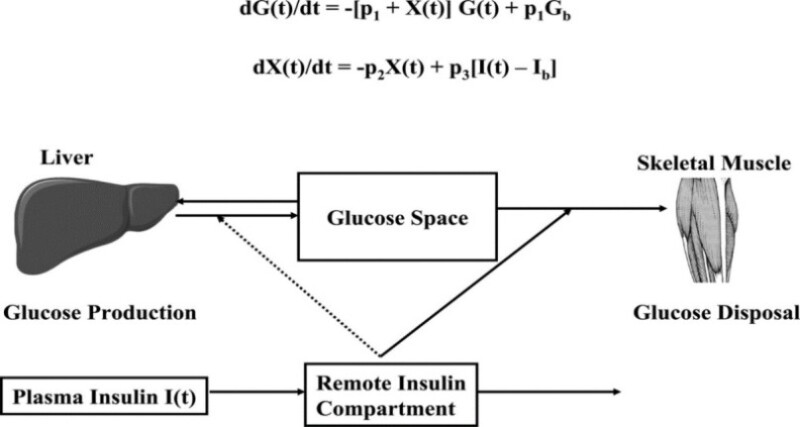
Figure 3. . Schematic equations, and parameters for the minimal model of glucose metabolism.

Insulin sensitivity is the opposite of insulin resistance.

When you eat carbohydrates your pancreas releases insulin.

If your cells are sensitive glucose gets into your muscles and liver quickly with insulin.

If your cells are resistant your body has to release a lot of insulin to do the job.

Over time this can lead to a lot of insulin in your blood, weight gain and inflammation.

Some studies explain how insulin sensitivity and glucose work

They also explain the physiology of insulin resistance including how cells respond to insulin and how glucose is taken into cells.

Why It Matters For Looking
Losing fat is easy when you are sensitive to insulin.

Your body loses fat first which is the fat around your organs.

Gaining muscle is also easier because your body uses carbohydrates to build muscle of storing them as fat.

When you have insulin levels you are more likely to get acne and have oily skin.

If you are sensitive to insulin you will have skin.
Example
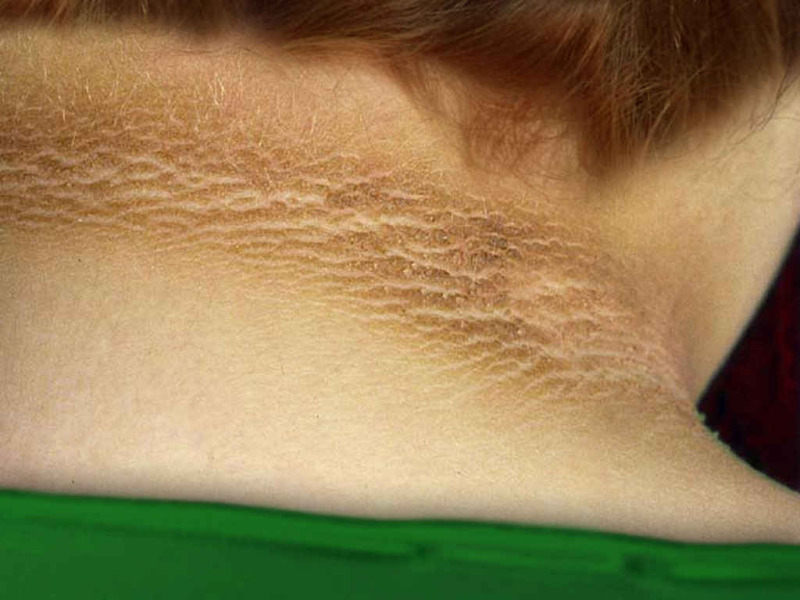
Acanthosis Nigricans

Insulin sensitivity also affects your face.

If you have insulin levels and inflammation you may retain water and have a puffy face even if you have a low body fat percentage.

If you fix your insulin sensitivity you will have a jawline.

Insulin sensitivity also affects your hormones.

If you are sensitive to insulin you will have free testosterone and less cortisol, which is a stress hormone.

If you have insulin sensitivity it can be hard to look good no matter how much you lift weights or diet.

How To Measure It
The best way to measure insulin sensitivity is with a test called a clamp.

However this test is expensive.

There are also some ways to measure insulin sensitivity at home.

You can use a formula called HOMA-IR, which is based on your fasting glucose and insulin levels.

You can also use something called the QUICKI index.

You can do a glucose tolerance test with insulin levels.

Another way is to measure your fasting insulin levels.

What Hurts Your Insulin Sensitivity
Eating much and consuming high amounts of sugar can hurt your insulin sensitivity.

Eating seed oils or polyunsaturated fats can also hurt your insulin sensitivity.

Not getting sleep can also lower your insulin sensitivity even if it is one bad night.

Stress can also block insulin signaling. Lower your insulin sensitivity.

Not having muscle can also lower your insulin sensitivity because muscle is a place for glucose to go.

Being obese can also create a cycle that lowers your insulin sensitivity.

How To Improve It
Some of the ways to improve insulin sensitivity are to do resistance training and high-intensity interval training.

These exercises can increase the number of glucose transporters in your muscles.

Eating a low-calorie diet with protein can also improve insulin sensitivity especially if you are overweight.

Eating in a time frame also known as time-restricted eating can also lower your insulin levels.

Other ways to improve insulin sensitivity include eating a low-carbohydrate diet taking berberine or metformin and getting omega-3 fatty acids.

You should also make sure you have magnesium and vitamin D as deficiencies in these nutrients can lower your insulin sensitivity.

Taking showers or using a sauna can also have some benefits.

Metric​
Ideal Range​
Impact on Your looks​
HOMA-IR​
<1.0​
Helps with loss and sharp jawline​
Fasting Insulin​
<8 μU/mL​
Helps with no bloating and clear skin​
Post-meal Glucose​
<140 mg/dL​
Helps with no energy crash or fat storage​
Bodyfat %​
<15% (men)​
Helps break the cycle of insulin resistance​
1773819504712.webp
1773819538154.webp

Sources
You can find information about insulin sensitivity, in these sources:


https://pubmed.ncbi.nlm.nih.gov/11452210/ (minimal model + measurement gold standard)

https://www.ncbi.nlm.nih.gov/books/NBK278954/ (insulin resistance physiology deep dive)

https://www.ncbi.nlm.nih.gov/books/NBK507839/ (glucose metabolism + sensitivity mechanisms)

If you have any question, Feel free to ask.
Thanks for Reading this article.
Nobody believes yet how I am so autistic
a close up of a man 's face with the name david worren visible


Register to hide this ad
Recently @aryy Asked me to make a guide about "Insulin Sensivity" and I found it a good topic which nobody spoke about it enough.

So I decided that I will make guide about it and I will try my best to make it helpful and easy to understand.

Enjoy the thread.


INSULIN SENSITIVITY: THE HIDDEN KEY TO LOOKING
View attachment 310478
by the autistic mf @Fidelis (AKA Histy)

Thread Song


Insulin sensitivity is how well your body uses insulin and takes in glucose.
When your body is sensitive to insulin it is easy to lose fat and gain muscle.

You will have skin and a sharp jawline.

You will not get bloated.

Your body will work well.

When your body is not sensitive to insulin, also known as insulin resistance it stores fat easily.

You will get acne. Your face will look puffy.

If you fix your insulin sensitivity it will be like a multiplier for looking great.

This is based on science and real physiology so read on to learn more.

If you do not you will stay bloated.

1.What Is Insulin Sensitivity?

2.Why It Matters For Looking Good

3.How To Measure It

4.What Hurts Your Insulin Sensitivity

5.How To Improve It

6.Quick Reference Table

7.Sources

What Is Insulin Sensitivity?
Figure 3. . Schematic equations, and parameters for the minimal model of glucose metabolism.

Insulin sensitivity is the opposite of insulin resistance.

When you eat carbohydrates your pancreas releases insulin.

If your cells are sensitive glucose gets into your muscles and liver quickly with insulin.

If your cells are resistant your body has to release a lot of insulin to do the job.

Over time this can lead to a lot of insulin in your blood, weight gain and inflammation.

Some studies explain how insulin sensitivity and glucose work

They also explain the physiology of insulin resistance including how cells respond to insulin and how glucose is taken into cells.

Why It Matters For Looking
Losing fat is easy when you are sensitive to insulin.

Your body loses fat first which is the fat around your organs.

Gaining muscle is also easier because your body uses carbohydrates to build muscle of storing them as fat.

When you have insulin levels you are more likely to get acne and have oily skin.

If you are sensitive to insulin you will have skin.
Example

Acanthosis Nigricans

Insulin sensitivity also affects your face.

If you have insulin levels and inflammation you may retain water and have a puffy face even if you have a low body fat percentage.

If you fix your insulin sensitivity you will have a jawline.

Insulin sensitivity also affects your hormones.

If you are sensitive to insulin you will have free testosterone and less cortisol, which is a stress hormone.

If you have insulin sensitivity it can be hard to look good no matter how much you lift weights or diet.

How To Measure It
The best way to measure insulin sensitivity is with a test called a clamp.

However this test is expensive.

There are also some ways to measure insulin sensitivity at home.

You can use a formula called HOMA-IR, which is based on your fasting glucose and insulin levels.

You can also use something called the QUICKI index.

You can do a glucose tolerance test with insulin levels.

Another way is to measure your fasting insulin levels.

What Hurts Your Insulin Sensitivity
Eating much and consuming high amounts of sugar can hurt your insulin sensitivity.

Eating seed oils or polyunsaturated fats can also hurt your insulin sensitivity.

Not getting sleep can also lower your insulin sensitivity even if it is one bad night.

Stress can also block insulin signaling. Lower your insulin sensitivity.

Not having muscle can also lower your insulin sensitivity because muscle is a place for glucose to go.

Being obese can also create a cycle that lowers your insulin sensitivity.

How To Improve It
Some of the ways to improve insulin sensitivity are to do resistance training and high-intensity interval training.

These exercises can increase the number of glucose transporters in your muscles.

Eating a low-calorie diet with protein can also improve insulin sensitivity especially if you are overweight.

Eating in a time frame also known as time-restricted eating can also lower your insulin levels.

Other ways to improve insulin sensitivity include eating a low-carbohydrate diet taking berberine or metformin and getting omega-3 fatty acids.

You should also make sure you have magnesium and vitamin D as deficiencies in these nutrients can lower your insulin sensitivity.

Taking showers or using a sauna can also have some benefits.

Metric​
Ideal Range​
Impact on Your looks​
HOMA-IR​
<1.0​
Helps with loss and sharp jawline​
Fasting Insulin​
<8 μU/mL​
Helps with no bloating and clear skin​
Post-meal Glucose​
<140 mg/dL​
Helps with no energy crash or fat storage​
Bodyfat %​
<15% (men)​
Helps break the cycle of insulin resistance​


Sources
You can find information about insulin sensitivity, in these sources:


https://pubmed.ncbi.nlm.nih.gov/11452210/ (minimal model + measurement gold standard)

https://www.ncbi.nlm.nih.gov/books/NBK278954/ (insulin resistance physiology deep dive)

https://www.ncbi.nlm.nih.gov/books/NBK507839/ (glucose metabolism + sensitivity mechanisms)

If you have any question, Feel free to ask.
Thanks for Reading this article.
Nobody believes yet how I am so autistic
a close up of a man 's face with the name david worren visible's face with the name david worren visible


Peak thread as always
 
Recently @aryy Asked me to make a guide about "Insulin Sensivity" and I found it a good topic which nobody spoke about it enough.

So I decided that I will make guide about it and I will try my best to make it helpful and easy to understand.

Enjoy the thread.


INSULIN SENSITIVITY: THE HIDDEN KEY TO LOOKING
View attachment 310478
by the autistic mf @Fidelis (AKA Histy)

Thread Song


Insulin sensitivity is how well your body uses insulin and takes in glucose.
When your body is sensitive to insulin it is easy to lose fat and gain muscle.

You will have skin and a sharp jawline.

You will not get bloated.

Your body will work well.

When your body is not sensitive to insulin, also known as insulin resistance it stores fat easily.

You will get acne. Your face will look puffy.

If you fix your insulin sensitivity it will be like a multiplier for looking great.

This is based on science and real physiology so read on to learn more.

If you do not you will stay bloated.

1.What Is Insulin Sensitivity?

2.Why It Matters For Looking Good

3.How To Measure It

4.What Hurts Your Insulin Sensitivity

5.How To Improve It

6.Quick Reference Table

7.Sources

What Is Insulin Sensitivity?
Figure 3. . Schematic equations, and parameters for the minimal model of glucose metabolism.

Insulin sensitivity is the opposite of insulin resistance.

When you eat carbohydrates your pancreas releases insulin.

If your cells are sensitive glucose gets into your muscles and liver quickly with insulin.

If your cells are resistant your body has to release a lot of insulin to do the job.

Over time this can lead to a lot of insulin in your blood, weight gain and inflammation.

Some studies explain how insulin sensitivity and glucose work

They also explain the physiology of insulin resistance including how cells respond to insulin and how glucose is taken into cells.

Why It Matters For Looking
Losing fat is easy when you are sensitive to insulin.

Your body loses fat first which is the fat around your organs.

Gaining muscle is also easier because your body uses carbohydrates to build muscle of storing them as fat.

When you have insulin levels you are more likely to get acne and have oily skin.

If you are sensitive to insulin you will have skin.
Example

Acanthosis Nigricans

Insulin sensitivity also affects your face.

If you have insulin levels and inflammation you may retain water and have a puffy face even if you have a low body fat percentage.

If you fix your insulin sensitivity you will have a jawline.

Insulin sensitivity also affects your hormones.

If you are sensitive to insulin you will have free testosterone and less cortisol, which is a stress hormone.

If you have insulin sensitivity it can be hard to look good no matter how much you lift weights or diet.

How To Measure It
The best way to measure insulin sensitivity is with a test called a clamp.

However this test is expensive.

There are also some ways to measure insulin sensitivity at home.

You can use a formula called HOMA-IR, which is based on your fasting glucose and insulin levels.

You can also use something called the QUICKI index.

You can do a glucose tolerance test with insulin levels.

Another way is to measure your fasting insulin levels.

What Hurts Your Insulin Sensitivity
Eating much and consuming high amounts of sugar can hurt your insulin sensitivity.

Eating seed oils or polyunsaturated fats can also hurt your insulin sensitivity.

Not getting sleep can also lower your insulin sensitivity even if it is one bad night.

Stress can also block insulin signaling. Lower your insulin sensitivity.

Not having muscle can also lower your insulin sensitivity because muscle is a place for glucose to go.

Being obese can also create a cycle that lowers your insulin sensitivity.

How To Improve It
Some of the ways to improve insulin sensitivity are to do resistance training and high-intensity interval training.

These exercises can increase the number of glucose transporters in your muscles.

Eating a low-calorie diet with protein can also improve insulin sensitivity especially if you are overweight.

Eating in a time frame also known as time-restricted eating can also lower your insulin levels.

Other ways to improve insulin sensitivity include eating a low-carbohydrate diet taking berberine or metformin and getting omega-3 fatty acids.

You should also make sure you have magnesium and vitamin D as deficiencies in these nutrients can lower your insulin sensitivity.

Taking showers or using a sauna can also have some benefits.

Metric​
Ideal Range​
Impact on Your looks​
HOMA-IR​
<1.0​
Helps with loss and sharp jawline​
Fasting Insulin​
<8 μU/mL​
Helps with no bloating and clear skin​
Post-meal Glucose​
<140 mg/dL​
Helps with no energy crash or fat storage​
Bodyfat %​
<15% (men)​
Helps break the cycle of insulin resistance​


Sources
You can find information about insulin sensitivity, in these sources:


https://pubmed.ncbi.nlm.nih.gov/11452210/ (minimal model + measurement gold standard)

https://www.ncbi.nlm.nih.gov/books/NBK278954/ (insulin resistance physiology deep dive)

https://www.ncbi.nlm.nih.gov/books/NBK507839/ (glucose metabolism + sensitivity mechanisms)

If you have any question, Feel free to ask.
Thanks for Reading this article.
Nobody believes yet how I am so autistic
a close up of a man 's face with the name david worren visible's face with the name david worren visible


amazing
 
Recently @aryy Asked me to make a guide about "Insulin Sensivity" and I found it a good topic which nobody spoke about it enough.

So I decided that I will make guide about it and I will try my best to make it helpful and easy to understand.

Enjoy the thread.


INSULIN SENSITIVITY: THE HIDDEN KEY TO LOOKING
View attachment 310478
by the autistic mf @Fidelis (AKA Histy)

Thread Song


Insulin sensitivity is how well your body uses insulin and takes in glucose.
When your body is sensitive to insulin it is easy to lose fat and gain muscle.

You will have skin and a sharp jawline.

You will not get bloated.

Your body will work well.

When your body is not sensitive to insulin, also known as insulin resistance it stores fat easily.

You will get acne. Your face will look puffy.

If you fix your insulin sensitivity it will be like a multiplier for looking great.

This is based on science and real physiology so read on to learn more.

If you do not you will stay bloated.

1.What Is Insulin Sensitivity?

2.Why It Matters For Looking Good

3.How To Measure It

4.What Hurts Your Insulin Sensitivity

5.How To Improve It

6.Quick Reference Table

7.Sources

What Is Insulin Sensitivity?
Figure 3. . Schematic equations, and parameters for the minimal model of glucose metabolism.

Insulin sensitivity is the opposite of insulin resistance.

When you eat carbohydrates your pancreas releases insulin.

If your cells are sensitive glucose gets into your muscles and liver quickly with insulin.

If your cells are resistant your body has to release a lot of insulin to do the job.

Over time this can lead to a lot of insulin in your blood, weight gain and inflammation.

Some studies explain how insulin sensitivity and glucose work

They also explain the physiology of insulin resistance including how cells respond to insulin and how glucose is taken into cells.

Why It Matters For Looking
Losing fat is easy when you are sensitive to insulin.

Your body loses fat first which is the fat around your organs.

Gaining muscle is also easier because your body uses carbohydrates to build muscle of storing them as fat.

When you have insulin levels you are more likely to get acne and have oily skin.

If you are sensitive to insulin you will have skin.
Example

Acanthosis Nigricans

Insulin sensitivity also affects your face.

If you have insulin levels and inflammation you may retain water and have a puffy face even if you have a low body fat percentage.

If you fix your insulin sensitivity you will have a jawline.

Insulin sensitivity also affects your hormones.

If you are sensitive to insulin you will have free testosterone and less cortisol, which is a stress hormone.

If you have insulin sensitivity it can be hard to look good no matter how much you lift weights or diet.

How To Measure It
The best way to measure insulin sensitivity is with a test called a clamp.

However this test is expensive.

There are also some ways to measure insulin sensitivity at home.

You can use a formula called HOMA-IR, which is based on your fasting glucose and insulin levels.

You can also use something called the QUICKI index.

You can do a glucose tolerance test with insulin levels.

Another way is to measure your fasting insulin levels.

What Hurts Your Insulin Sensitivity
Eating much and consuming high amounts of sugar can hurt your insulin sensitivity.

Eating seed oils or polyunsaturated fats can also hurt your insulin sensitivity.

Not getting sleep can also lower your insulin sensitivity even if it is one bad night.

Stress can also block insulin signaling. Lower your insulin sensitivity.

Not having muscle can also lower your insulin sensitivity because muscle is a place for glucose to go.

Being obese can also create a cycle that lowers your insulin sensitivity.

How To Improve It
Some of the ways to improve insulin sensitivity are to do resistance training and high-intensity interval training.

These exercises can increase the number of glucose transporters in your muscles.

Eating a low-calorie diet with protein can also improve insulin sensitivity especially if you are overweight.

Eating in a time frame also known as time-restricted eating can also lower your insulin levels.

Other ways to improve insulin sensitivity include eating a low-carbohydrate diet taking berberine or metformin and getting omega-3 fatty acids.

You should also make sure you have magnesium and vitamin D as deficiencies in these nutrients can lower your insulin sensitivity.

Taking showers or using a sauna can also have some benefits.

Metric​
Ideal Range​
Impact on Your looks​
HOMA-IR​
<1.0​
Helps with loss and sharp jawline​
Fasting Insulin​
<8 μU/mL​
Helps with no bloating and clear skin​
Post-meal Glucose​
<140 mg/dL​
Helps with no energy crash or fat storage​
Bodyfat %​
<15% (men)​
Helps break the cycle of insulin resistance​


Sources
You can find information about insulin sensitivity, in these sources:


https://pubmed.ncbi.nlm.nih.gov/11452210/ (minimal model + measurement gold standard)

https://www.ncbi.nlm.nih.gov/books/NBK278954/ (insulin resistance physiology deep dive)

https://www.ncbi.nlm.nih.gov/books/NBK507839/ (glucose metabolism + sensitivity mechanisms)

If you have any question, Feel free to ask.
Thanks for Reading this article.
Nobody believes yet how I am so autistic
a close up of a man 's face with the name david worren visible's face with the name david worren visible


I read this, but i sadly am on my milk diet rn, so around 150g of sugar daily🫩
 
Other ways to improve insulin sensitivity include eating a low-carbohydrate diet taking berberine or metformin and getting omega-3 fatty acids
I’m sorry but not this one
IMG_2355.gif
 
What about it??? , Sugar acts like carbs and vise versa
Your body reacts the same way with both sugar and carbs
Why do you think the glucose molecule are a primary factor of insulin resistance?
 
Bro, refined sugar is evil , You should stop consuming it
i dont eat any of that, matter of fact , all i have consumed in the past two weeks is milk, meat of all kind and eggs. I will add fruits though if i feel like it in the summer, is that a problem?
 
Why do you think the glucose molecule are a primary factor of insulin resistance?
nah bro glucose molecules aren't the issue. They're more like a result of other problems.

the primary causes of trouble are:

  • lipotoxicity, which happens when theres much fat in the bloodstream that clogs up insulin receptors
  • chronic inflammation
  • and ectopic fat buildup in the liver and muscles.

glucose just gets added to the mix later causing problems with glucotoxicity, which is, like a double whack. It adds to oxidative stress and messes up the way GLUT4 signaling works, makin insulin resistance even worse once blood sugar levels get too high.
 
i dont eat any of that, matter of fact , all i have consumed in the past two weeks is milk, meat of all kind and eggs. I will add fruits though if i feel like it in the summer, is that a problem?
No , That's a perfect diet from my opinion
 
I would like to know your feedback :peeposhy:
The thing is, a “low carbohydrate diet” would certainly not exactly fix insulin resistance. Think about,syncing and fixing your other endocrine organs like the thyroid and liver. Berberine functions by slowing down glucose release into bloodstream via AMPK,do you know what has the same benefits but dosen’t nuke your IGF-1? Short chain fatty acids via GPR43 that you can also obtain from diet,a low carbohydrate diet means limited soluble fiber and RS3,both components in making these short chain fatty acids. Glycemic index is another factor,good carb sources like fruit for example are relatively low GI due to the slower absorption rate,the influx of glucose entering your body matters more in your stimulated your insulin would be. Insulin resistance is necessarily mostly caused by visceral fat and general fat issues in most people.
 
nah bro glucose molecules aren't the issue. They're more like a result of other problems.

the primary causes of trouble are:

  • lipotoxicity, which happens when theres much fat in the bloodstream that clogs up insulin receptors
  • chronic inflammation
  • and ectopic fat buildup in the liver and muscles.

glucose just gets added to the mix later causing problems with glucotoxicity, which is, like a double whack. It adds to oxidative stress and messes up the way GLUT4 signaling works, makin insulin resistance even worse once blood sugar levels get too high.
Explain oxidative stress besides AGEs which you can reduce also on a high carb diet. Also why not fix the liptoxicity without generally reducing general glucose uptake?
 
nah bro glucose molecules aren't the issue. They're more like a result of other problems.

the primary causes of trouble are:

  • lipotoxicity, which happens when theres much fat in the bloodstream that clogs up insulin receptors
  • chronic inflammation
  • and ectopic fat buildup in the liver and muscles.

glucose just gets added to the mix later causing problems with glucotoxicity, which is, like a double whack. It adds to oxidative stress and messes up the way GLUT4 signaling works, makin insulin resistance even worse once blood sugar levels get too high.
So if you dont have any of these problems, glucose generally isnt a problem?
 
So if you dont have any of these problems, glucose generally isnt a problem?
No,that’s why lowering total carbohydrate intake is not a main solution in such a situation in my opinion. You can either nuke your carbs,which would bring some benefit i can’t deny here,or you fix the rooting issues that is determined by tons of other factors.
 
So if you dont have any of these problems, glucose generally isnt a problem?
Nope It is not , as @Mandy? said.
No,that’s why lowering total carbohydrate intake is not a main solution in such a situation in my opinion. You can either nuke your carbs,which would bring some benefit i can’t deny here,or you fix the rooting issues that is determined by tons of other factors.
 
The thing is, a “low carbohydrate diet” would certainly not exactly fix insulin resistance. Think about,syncing and fixing your other endocrine organs like the thyroid and liver. Berberine functions by slowing down glucose release into bloodstream via AMPK,do you know what has the same benefits but dosen’t nuke your IGF-1? Short chain fatty acids via GPR43 that you can also obtain from diet,a low carbohydrate diet means limited soluble fiber and RS3,both components in making these short chain fatty acids. Glycemic index is another factor,good carb sources like fruit for example are relatively low GI due to the slower absorption rate,the influx of glucose entering your body matters more in your stimulated your insulin would be. Insulin resistance is necessarily mostly caused by visceral fat and general fat issues in most people.
Oh, Can you explain more?
 
Explain oxidative stress besides AGEs which you can reduce also on a high carb diet. Also why not fix the liptoxicity without generally reducing general glucose uptake?
Because blocking glucose uptake forces the body to secrete even more insulin to manage blood sugar, and that excess insulin directly drives more fat release from fat cells, worsening the very lipotoxicity you're trying to fix.
 
Oh, Can you explain more?
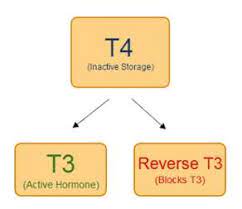
If your fT3 is low and your rT3 is high,with normal-high T4 and high TSH (which is just bad thyroid markers) then that will indeed affect your insulin sensitivity (in a worse way). This is usually caused by poor T4->T3 conversion,glucose is primary factor in converting T4 into active T3.

IMG_2903.webp


The liver also plays a role,which you also count in with berberine,and I argued that adequate soluble fiber intake is enough. Having low AMPK,directly Influences how glucose is secreted into the bloodstream,general liver stress like de novo lipogenesis is another link that insulin resistance can be primarily from obesity and High visceral fat. I’m not saying “young people don’t usually have insulin resistance”,but as we age and our visceral fat increases,the worse our insulin sensitivity generally gets,excluding other factors in such a situation.
 
Because blocking glucose uptake forces the body to secrete even more insulin to manage blood sugar, and that excess insulin directly drives more fat release from fat cells, worsening the very lipotoxicity you're trying to fix.
Depends on nutrient partitioning.
 
If your fT3 is low and your rT3 is high,with normal-high T4 and high TSH (which is just bad thyroid markers) then that will indeed affect your insulin sensitivity (in a worse way). This is usually caused by poor T4->T3 conversion,glucose is primary factor in converting T4 into active T3.

View attachment 310534

The liver also plays a role,which you also count in with berberine,and I argued that adequate soluble fiber intake is enough. Having low AMPK,directly Influences how glucose is secreted into the bloodstream,general liver stress like de novo lipogenesis is another link that insulin resistance can be primarily from obesity and High visceral fat. I’m not saying “young people don’t usually have insulin resistance”,but as we age and our visceral fat increases,the worse our insulin sensitivity generally gets,excluding other factors in such a situation.
Ok , Understand you now
You are right, But doesn't that only occur if the t4 > t3
On overall it won't affect your thyroid except in that case ,right?

Depends on nutrient partitioning.
Indeed
 
This is usually caused by poor T4->T3 conversion,glucose is primary factor in converting T4 into active T3.
IMG_2904.webp

 
Ok , Understand you now
You are right, But doesn't that only occur if the t4 > t3
On overall it won't affect your thyroid except in that case ,right?
Generally rT3 and low fT3 is a result of poor conversion,which leads to higher TSH and T4. So generally the conversion is one of the main causes of determining your thyroid health.
 
Generally rT3 and low fT3 is a result of poor conversion,which leads to higher TSH and T4. So generally the conversion is one of the main causes of determining your thyroid health.
How do you know if ur t4-t3 conversion is bad?

I ordered t4 to support my hgh cycle
 
How do you know if ur t4-t3 conversion is bad?
Blood test is the only real way know,but you can monitor “low fT3” symptoms but they’re generally not accurate cause many symptoms overlap with other issues.
I ordered t4 to support my hgh cycle
Yes it’s good,if you want add 25mcg of T3.
 
Generally rT3 and low fT3 is a result of poor conversion,which leads to higher TSH and T4. So generally the conversion is one of the main causes of determining your thyroid health.
IMG_2906.webp


Generally shows that T4 can’t help by itself cause conversion is disrupted.
 
Recently @aryy Asked me to make a guide about "Insulin Sensivity" and I found it a good topic which nobody spoke about it enough.

So I decided that I will make guide about it and I will try my best to make it helpful and easy to understand.

Enjoy the thread.


INSULIN SENSITIVITY: THE HIDDEN KEY TO LOOKING
View attachment 310478
by the autistic mf @Fidelis (AKA Histy)

Thread Song


Insulin sensitivity is how well your body uses insulin and takes in glucose.
When your body is sensitive to insulin it is easy to lose fat and gain muscle.

You will have skin and a sharp jawline.

You will not get bloated.

Your body will work well.

When your body is not sensitive to insulin, also known as insulin resistance it stores fat easily.

You will get acne. Your face will look puffy.

If you fix your insulin sensitivity it will be like a multiplier for looking great.

This is based on science and real physiology so read on to learn more.

If you do not you will stay bloated.

1.What Is Insulin Sensitivity?

2.Why It Matters For Looking Good

3.How To Measure It

4.What Hurts Your Insulin Sensitivity

5.How To Improve It

6.Quick Reference Table

7.Sources

What Is Insulin Sensitivity?
Figure 3. . Schematic equations, and parameters for the minimal model of glucose metabolism.

Insulin sensitivity is the opposite of insulin resistance.

When you eat carbohydrates your pancreas releases insulin.

If your cells are sensitive glucose gets into your muscles and liver quickly with insulin.

If your cells are resistant your body has to release a lot of insulin to do the job.

Over time this can lead to a lot of insulin in your blood, weight gain and inflammation.

Some studies explain how insulin sensitivity and glucose work

They also explain the physiology of insulin resistance including how cells respond to insulin and how glucose is taken into cells.

Why It Matters For Looking
Losing fat is easy when you are sensitive to insulin.

Your body loses fat first which is the fat around your organs.

Gaining muscle is also easier because your body uses carbohydrates to build muscle of storing them as fat.

When you have insulin levels you are more likely to get acne and have oily skin.

If you are sensitive to insulin you will have skin.
Example

Acanthosis Nigricans

Insulin sensitivity also affects your face.

If you have insulin levels and inflammation you may retain water and have a puffy face even if you have a low body fat percentage.

If you fix your insulin sensitivity you will have a jawline.

Insulin sensitivity also affects your hormones.

If you are sensitive to insulin you will have free testosterone and less cortisol, which is a stress hormone.

If you have insulin sensitivity it can be hard to look good no matter how much you lift weights or diet.

How To Measure It
The best way to measure insulin sensitivity is with a test called a clamp.

However this test is expensive.

There are also some ways to measure insulin sensitivity at home.

You can use a formula called HOMA-IR, which is based on your fasting glucose and insulin levels.

You can also use something called the QUICKI index.

You can do a glucose tolerance test with insulin levels.

Another way is to measure your fasting insulin levels.

What Hurts Your Insulin Sensitivity
Eating much and consuming high amounts of sugar can hurt your insulin sensitivity.

Eating seed oils or polyunsaturated fats can also hurt your insulin sensitivity.

Not getting sleep can also lower your insulin sensitivity even if it is one bad night.

Stress can also block insulin signaling. Lower your insulin sensitivity.

Not having muscle can also lower your insulin sensitivity because muscle is a place for glucose to go.

Being obese can also create a cycle that lowers your insulin sensitivity.

How To Improve It
Some of the ways to improve insulin sensitivity are to do resistance training and high-intensity interval training.

These exercises can increase the number of glucose transporters in your muscles.

Eating a low-calorie diet with protein can also improve insulin sensitivity especially if you are overweight.

Eating in a time frame also known as time-restricted eating can also lower your insulin levels.

Other ways to improve insulin sensitivity include eating a low-carbohydrate diet taking berberine or metformin and getting omega-3 fatty acids.

You should also make sure you have magnesium and vitamin D as deficiencies in these nutrients can lower your insulin sensitivity.

Taking showers or using a sauna can also have some benefits.

Metric​
Ideal Range​
Impact on Your looks​
HOMA-IR​
<1.0​
Helps with loss and sharp jawline​
Fasting Insulin​
<8 μU/mL​
Helps with no bloating and clear skin​
Post-meal Glucose​
<140 mg/dL​
Helps with no energy crash or fat storage​
Bodyfat %​
<15% (men)​
Helps break the cycle of insulin resistance​


Sources
You can find information about insulin sensitivity, in these sources:


https://pubmed.ncbi.nlm.nih.gov/11452210/ (minimal model + measurement gold standard)

https://www.ncbi.nlm.nih.gov/books/NBK278954/ (insulin resistance physiology deep dive)

https://www.ncbi.nlm.nih.gov/books/NBK507839/ (glucose metabolism + sensitivity mechanisms)

If you have any question, Feel free to ask.
Thanks for Reading this article.

Nobody believes yet how I am so autistic
a close up of a man 's face with the name david worren visible's face with the name david worren visible


Fidelis try not to cook up a banger thread challenge (impossible)
 

Users who are viewing this thread

Back
Top