Join 70,000+ Looksmaxxing Members!

Register a FREE account today to become a member. Once signed in, you'll be able to participate on this site by adding your own topics and posts, as well as connect with other members through your own private inbox.

  • DISCLAIMER: DO NOT ATTEMPT TREATMENT WITHOUT LICENCED MEDICAL CONSULTATION AND SUPERVISION

    This is a public discussion forum. The owners, staff, and users of this website ARE NOT engaged in rendering professional services to the individual reader. DO NOT use the content of this website as an alternative to personal examination and advice from licenced healthcare providers. DO NOT begin, delay, or discontinue treatments and/or exercises without licenced medical supervision. Learn more

MOST IMPORTANT THINGS FOR A WOMAN WHEN IT COMES TO ATTRACTIVENESS

lmaooo

Member
Joined
Apr 11, 2026
Messages
9
Online time
3h 58m
Reputation
42
1. Body fat

bb91f4e182f5b1fe48b5ba779fcd30c4.jpg
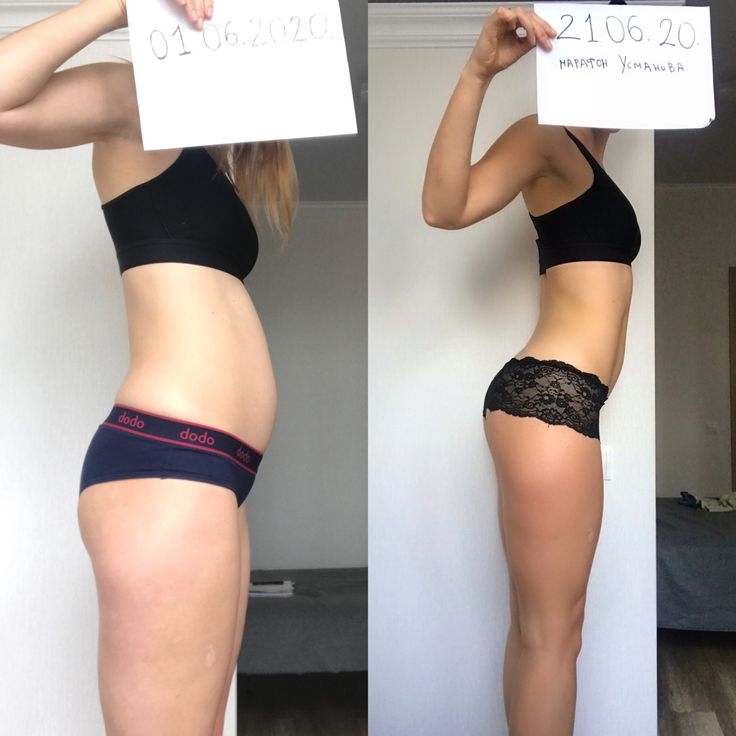
This contains: Weight Loss transformation in 60 days challenge. How to lose weight easily at home.
31f689a1d4250a1747facd7f803dfddd.jpg


  • Body Mass Index (BMI): Across Caucasian, Asian, and African populations, attractiveness often peaks at a BMI of approximately 17–20. This range correlates with the average BMI of a young 18–20-year-old woman at maximal fertility.
  • Body Fat Percentage (BF%): Scientific data from ScienceDirect identifies body fat percentage as one of the strongest predictors of attractiveness. While there is no single "perfect" number, values between 21% and 24% are often highlighted as a peak where health signals (sufficient fat for ovulation) meet youthful aesthetic cues.
  • Waist-to-Hip Ratio (WHR): A WHR of approximately 0.7 is classically cited as an evolutionary marker for high fertility and low disease risk. However, newer studies suggest that total BMI is a much stronger and more immediate cue for attractiveness than the ratio of fat distribution alone.
  • Fatter individuals are consistently perceived as older.
  • Because fatness increases with age, leaner bodies are biologically selected as a signal of high reproductive potential
2. Youth
  • Age is a direct indicator of evolutionary fitness (fertility).
  • For women, attractiveness is biologically synonymous with youth because youth is the most accurate metric for lifetime offspring capacity.
  • 1. Reproductive Value vs. Fertility
    • The Curve: In women, reproductive value peaks in the late teens/early 20s and drops to zero at menopause. In men, this decline is far more gradual.
    • Selection Pressure: Evolutionary "fitness" rewards males who select mates with the longest remaining reproductive window. Consequently, male visual systems evolved to be hypersensitive to cues that distinguish a 20-year-old from a 30-year-old.

  • 2. Estrogen as a Youth Signal
    • Peak Hormones: High estrogen levels, which peak in young adulthood, maintain physiological traits that men find universally attractive: high skin collagen, facial neoteny (large eyes/small nose), and specific fat distribution.
    • The Signal: These traits are "honest signals"; they cannot be easily faked and they decline directly as a woman ages and her estrogen levels drop.

  • 3. Neoteny (Juvenilized Features)
    • The "Baby Face" Effect: Evolutionary biology shows a preference for neotenous features in women (e.g., smaller lower faces, fuller lips).
    • The Logic: These features trigger "nurturing" responses and serve as markers that a woman is at the beginning of her reproductive lifespan, maximizing the "payoff" for a long-term mate.

  • 4. Health Proxy
    • Accumulated Mutation/Damage: Youth indicates a lower accumulation of oxidative stress, DNA damage, and exposure to pathogens. A youthful appearance signals a "high-quality" organism that has not yet been degraded by environmental or biological aging
    • .
      ff07cdfcb903be32f09c529da4f113f8.jpg
3. Eyes
1. The "Age Detection" System (Neoteny)
  • The Signal: Large eyes relative to the face.
  • The Purpose: Human eyes reach adult size very early. Large eyes create a juvenile facial proportion (neoteny). Since female fertility is time-limited, a male's visual system prioritizes "baby-face" features as a shortcut to identify women at the beginning of their reproductive lifespan.

2. The "Fertility & Arousal" Monitor
  • Pupillary Dilation: Dilated pupils signal physiological arousal and interest. From a male perspective, this is a "receptivity signal." Studies show men subconsciously rate women with larger pupils as significantly more attractive because it suggests a higher likelihood of successful mating.
  • Contrast & Estrogen: High contrast between the eye, lashes, and surrounding skin is driven by estrogen. This "ultra-feminine" look signals high hormonal health and current fertility.

3. The "Immune System" Audit (The Limbal Ring)
  • The Signal: A thick, dark ring around the iris.
  • The Purpose: The limbal ring is an honest signal of health. It cannot be faked and it fades with age, smoking, and poor cardiovascular health. A prominent ring tells the male brain the woman is young and has a robust immune system (low parasite load).

4. The "Parasite/Disease" Filter
  • Scleral Whiteness: Bright, clear sclera (whites) are a baseline requirement for attractiveness.
  • The Purpose: Redness (bloodshot) or yellowness (jaundice) are immediate "red flags" for infection or chronic illness. To a male, a bright sclera is a green light for metabolic vitality and health.

5. Genetic Symmetry
  • The Purpose: The eyes are the easiest place to spot fluctuating asymmetry. Even slight differences in eye height or shape signal developmental or genetic instability. Men are attracted to highly symmetrical eye areas because it indicates "good genes" for future offspring.
e45e5ff37972e68b470e5ab12e40321c.jpg
Story pin image

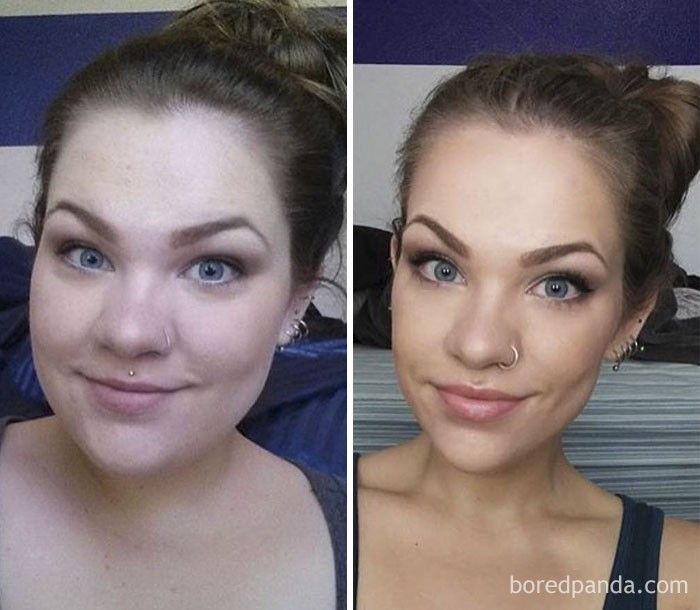
right one is more conventionally prettier than the left one and one of the biggest reason is the eye area
4. Midface ratio/facial harmony
1. Midface Ratio (Compactness)
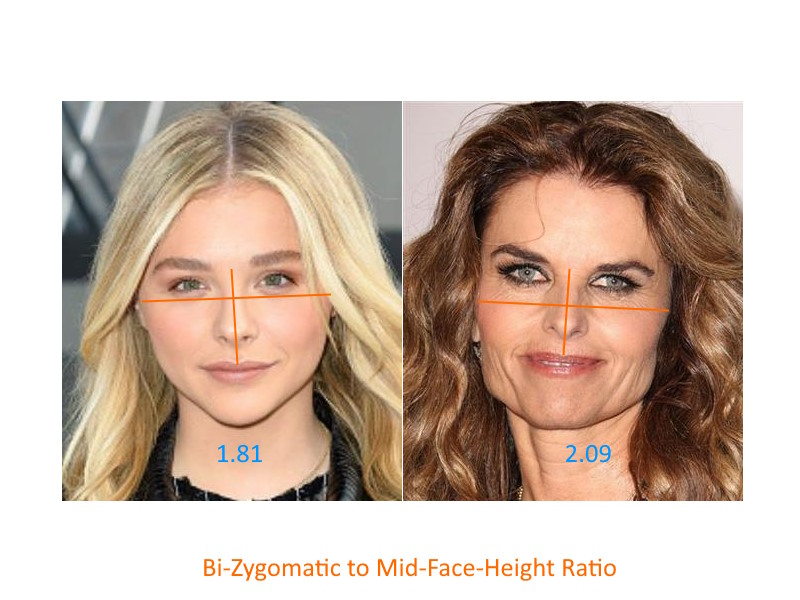
  • The Ideal: A ratio of approximately 1:1 (interpupillary distance vs. distance from eyes to mouth).
  • The Logic: A shorter midface is a high-fidelity youth signal. As women age, the midface "collapses" and the philtrum (upper lip area) lengthens. A compact midface communicates a younger reproductive age.

2. Facial Harmony (The "Averageness" Rule)
  • The Ideal: Features that align with the population average and the "Rule of Thirds."
  • The Logic: Evolutionary biology favors averageness (koinophilia) because extreme features often signal genetic mutations or developmental instability. A harmonious face confirms developmental health and "good genes."

3. Symmetry
  • The Ideal: Minimal deviation between the left and right sides of the midface.
  • The Logic: Symmetry is an "honest signal" of a strong immune system. It proves the individual could maintain stable growth despite environmental stressors or parasites.
Bi-Zygomatic to Mid-Face-Height Ratio – PinkMirror Blog

5. Nose
1. Size and Femininity (Dimorphism)
  • The Ideal: Small, narrow, and less prominent than a male nose.
  • The Logic: A smaller nose is a "low testosterone" signal. Large, bony noses are driven by high growth hormone and testosterone. A petite nose indicates high estrogen-to-testosterone ratios, signaling female fertility.

2. Neoteny (Youth)
  • The Ideal: Short length and a slightly upturned tip.
  • The Logic: Human noses continue to grow and "droop" throughout life. A short, "button" nose mimics juvenile proportions (neoteny). To the male brain, this is a high-speed signal for young reproductive age.

3. Nasolabial Angle (The Upturn)
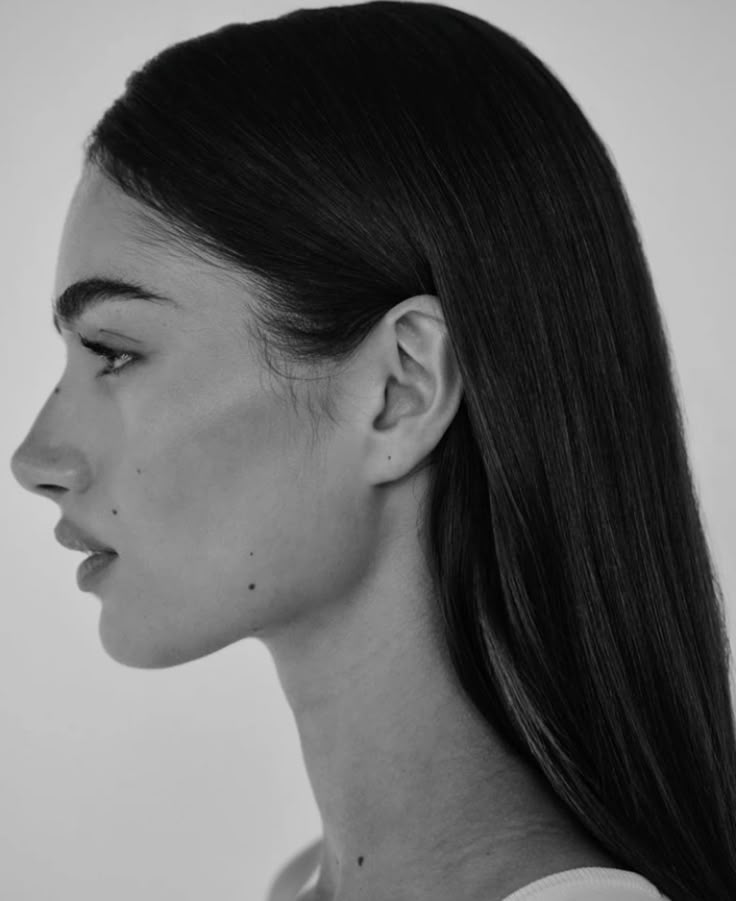
  • The Ideal: A rotation of 95–105 degrees (slightly upturned).
  • The Logic: This angle creates a "softer," more feminine profile. A downward-pointing nose is associated with aging and masculinity, which lowers perceived attractiveness from an evolutionary standpoint.

4. Symmetry and Health
  • The Ideal: Straight bridge and centered tip.
  • The Logic: Any deviation or "crookedness" in the nose is a highly visible marker of developmental stress or trauma. Symmetry in the center of the face confirms genetic stability and robust development.
9977ad62b8ec46a4f3dcbe4188d18681.jpg

6. Chin
1. The Estrogen Signal (Narrow & Tapered)
  • The Ideal: A small, narrow, and rounded chin (often creating a V-shaped or heart-shaped jawline).
  • The Logic: Bone growth in the lower face is driven by testosterone. A prominent, square, or wide chin is a masculine trait. A small, refined chin signals low testosterone and high estrogen, which are primary indicators of female fertility.

2. Neoteny (The Juvenile Profile)
  • The Ideal: A slightly recessed or "soft" chin relative to the forehead.
  • The Logic: Large, projecting chins develop during puberty under hormonal influence. A more delicate chin mimics juvenile proportions, acting as a visual shortcut for youth and a high remaining reproductive lifespan.

3. The "Fertility" V-Shape
  • The Ideal: A chin that tapers smoothly from the jaw.
  • The Logic: This tapering enhances the "V-shape" of the face, which is a universal signal of a young female. As women age, the jawline blurs due to skin laxity and fat redistribution (jowls); a sharp, small chin maintains the structural illusion of youth.

4. Symmetry and Genetic Quality
  • The Ideal: A perfectly centered chin point.
  • The Logic: Because the chin is the "anchor" of the face's midline, any deviation is immediately noticeable. A centered chin signals developmental stability—proof that the woman’s body successfully managed growth without genetic or environmental "glitches."
Story pin image

7. Hair
1. Reproductive Value (Youth)
  • The Signal: Thickness, luster, and color saturation.
  • The Logic: Hair naturally thins, loses pigment, and becomes drier with age. High-volume, "shiny" hair is a high-fidelity signal of youth. To the male brain, thick hair confirms a long remaining reproductive window.

2. Hormonal Health (Estrogen)
  • The Signal: Long, fast-growing hair.
  • The Logic: Estrogen extends the "anagen" (growth) phase of the hair follicle. Long hair is an honest signal of high estrogen levels and low stress (cortisol), both of which are essential for successful conception and pregnancy.

3. Nutritional Vitality
  • The Signal: Sheen and strength (lack of breakage).
  • The Logic: Hair is a "non-essential" tissue. If the body is malnourished or ill, it diverts nutrients away from hair growth. Shiny, strong hair proves the woman has surplus metabolic resources and a diet rich in essential minerals and fats.

4. Genetic Load (Parasite Resistance)

  • The Signal: Uniformity and cleanliness.
  • The Logic: Historically, lice and parasites were major fitness threats. High-quality hair that is well-maintained was a signal of an individual’s ability to maintain hygiene and parasite resistance, indicating a robust immune system.
57ec1ad2ba1f329fcf092699d84c9658.jpg
Story pin image
ee0bd4d444af09d8b6c856ca822dc48e.jpg
1b44eccc90b6e49b6d677d19bfb9a514.jpg

8. Dimorphism
1. The Hormonal Split
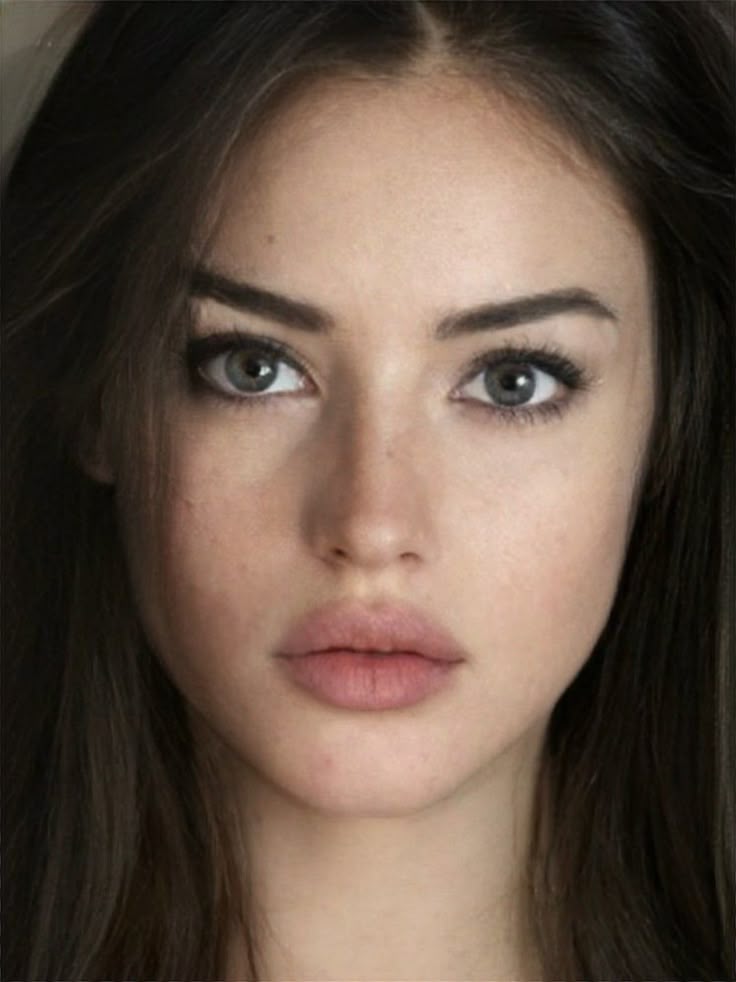
  • Estrogen Cues: Drives "attractive" female traits like full lips, clear skin, and fat deposition in the breasts and hips (gluteofemoral fat).
  • Testosterone Cues: Drives "unattractive" (masculine) traits in women, such as a heavy brow ridge, wide jaw, and abdominal fat.
  • The Logic: Men are biologically evolved to seek high sexual dimorphism because it confirms the individual is female and fertile.

2. Facial Dimorphism
  • Lower Face: Men have longer, wider lower faces due to testosterone-driven bone growth. Women with high dimorphism have a shorter, narrower lower third and a smaller chin.
  • Brow and Eyes: Men have lower, thicker brows; women have higher, arched brows and larger-appearing eyes.
  • The Logic: These "exaggerated" female traits signal a high estrogen-to-testosterone ratio, which correlates with higher rates of successful conception.

3. Body Dimorphism
  • Skeletal Structure: Women have wider pelvises and narrower shoulders relative to men.
  • Waist-to-Hip Ratio (WHR): The most famous dimorphic marker. A ratio of 0.7 is uniquely female and signals that the woman has reached sexual maturity but is not currently pregnant.

4. Why It Matters
  • Honest Signaling: Sexual dimorphism is an "honest signal" because it is difficult to fake the bone structure and fat distribution patterns driven by years of pubertal hormones.
  • Mate Choice: High dimorphism (femininity) reduces "mate choice errors" by clearly signaling the individual's sex and their capacity to produce and nurse offspring.
  • 17dd94045d577c539cdce451fb7ab2f1.jpg
9. Skin
1. Homogeneity (Evenness)
  • The Signal: Smooth texture and uniform color (absence of blotches, spots, or lesions).
  • The Logic: Uneven skin historically signaled parasite load, infection, or chronic disease. Smooth skin confirms a robust immune system that can successfully ward off environmental stressors.

2. Luminance and "Glow"
  • The Signal: Skin that reflects light evenly (high luminance).
  • The Logic: Glowing skin is a byproduct of high blood oxygenation and efficient vasodilation. It signals cardiovascular health and metabolic vitality—essential for the physical demands of pregnancy.

3. Texture and Collagen (The Youth Marker)
  • The Signal: Firmness, elasticity, and lack of wrinkles.
  • The Logic: Skin thickness and collagen density are directly maintained by estrogen. As estrogen drops with age, skin thins and sags. High-quality texture is a high-fidelity signal of peak reproductive years.

4. Color and Contrast
  • The Signal: High color contrast between the skin and facial features (eyes/lips).
  • The Logic: High contrast is a uniquely female trait (sexual dimorphism) that peaks during a woman's most fertile years. Men are biologically tuned to find this contrast attractive because it confirms hormonal maturity.

5. Clarity (Low Oxidative Stress)
  • The Signal: Lack of blemishes or acne.
  • The Logic: While acne is often linked to puberty, chronic skin issues can signal high cortisol (stress) or hormonal imbalances (androgen excess), both of which interfere with fertility. Clear skin suggests a stable, low-stress internal environment.
1a373c1bcfe110a15c4b905720ad935b.jpg
816cb3562f63e5e8154a6e9f3aaaa34b.jpg
975094028c7c12053cdd488f6c9c0f40.jpg


10. Phenotype
1. The "Genetic Floor" (Bone Structure)
  • The Concept: Looksmaxxing distinguishes between "soft maxxing" (skin, hair) and "hard maxxing" (bone structure).
  • The Importance: Your phenotype determines your forward growth and facial bone density. A woman with a "high-tier" phenotype has the underlying bone support (prominent cheekbones, defined jaw) to stay attractive as she ages. Without this "structural phenotype," soft maxxing has diminishing returns.

2. Sexual Dimorphism & "Failos"
  • The Concept: "Failos" are phenotypic traits that break feminine signals (e.g., a masculine brow ridge or a long midface).
  • The Importance: A highly feminine phenotype acts as a "buffer." If a woman has a high-estrogen phenotype (naturally large eyes, small nose), she can afford to have "lower-tier" hair or skin and still be rated highly. A "masculine" phenotype requires much more effort to overcome biological "lookism" biases.

3. Racial and Ethnic Rarity (Local Adaptation)
  • The Concept: Phenotype determines "exoticness" vs. "familiarity."
  • The Importance: In looksmaxxing, certain phenotypic traits (like light eyes paired with dark hair, or high-contrast skin) are valued because they are mathematically rare. Rarity signals "high-quality" genetic mutations to the male brain, which can significantly boost an "attractiveness score" beyond simple symmetry.

4. Halo Effect Maximization
  • The Concept: Phenotype dictates your "Archetype" (e.g., "The Ingenue" vs. "The Femme Fatale").
  • The Importance: Successful looksmaxxing requires leaning into your natural phenotype rather than fighting it. A woman with a neotenous (youthful) phenotype will see better results focusing on "cute" markers, while a woman with a striking/angular phenotype focuses on "modelesque" harmony. Matching your style to your phenotype maximizes the Halo Effect.

5. Genetic Compatibility (MHC)
  • The Concept: Phenotype is a visual "read" of the Major Histocompatibility Complex (MHC).
  • The Importance: Certain phenotypes signal a different immune system than the observer's. Men are often subconsciously attracted to phenotypes that suggest "hybrid vigor" for future offspring, making the phenotype a critical "compatibility" filter.
 
Register to hide this ad
1. Body fat

bb91f4e182f5b1fe48b5ba779fcd30c4.jpg
This contains: Weight Loss transformation in 60 days challenge. How to lose weight easily at home.
31f689a1d4250a1747facd7f803dfddd.jpg


  • Body Mass Index (BMI): Across Caucasian, Asian, and African populations, attractiveness often peaks at a BMI of approximately 17–20. This range correlates with the average BMI of a young 18–20-year-old woman at maximal fertility.
  • Body Fat Percentage (BF%): Scientific data from ScienceDirect identifies body fat percentage as one of the strongest predictors of attractiveness. While there is no single "perfect" number, values between 21% and 24% are often highlighted as a peak where health signals (sufficient fat for ovulation) meet youthful aesthetic cues.
  • Waist-to-Hip Ratio (WHR): A WHR of approximately 0.7 is classically cited as an evolutionary marker for high fertility and low disease risk. However, newer studies suggest that total BMI is a much stronger and more immediate cue for attractiveness than the ratio of fat distribution alone.
  • Fatter individuals are consistently perceived as older.
  • Because fatness increases with age, leaner bodies are biologically selected as a signal of high reproductive potential
2. Youth
  • Age is a direct indicator of evolutionary fitness (fertility).
  • For women, attractiveness is biologically synonymous with youth because youth is the most accurate metric for lifetime offspring capacity.
  • 1. Reproductive Value vs. Fertility
    • The Curve: In women, reproductive value peaks in the late teens/early 20s and drops to zero at menopause. In men, this decline is far more gradual.
    • Selection Pressure: Evolutionary "fitness" rewards males who select mates with the longest remaining reproductive window. Consequently, male visual systems evolved to be hypersensitive to cues that distinguish a 20-year-old from a 30-year-old.

  • 2. Estrogen as a Youth Signal
    • Peak Hormones: High estrogen levels, which peak in young adulthood, maintain physiological traits that men find universally attractive: high skin collagen, facial neoteny (large eyes/small nose), and specific fat distribution.
    • The Signal: These traits are "honest signals"; they cannot be easily faked and they decline directly as a woman ages and her estrogen levels drop.

  • 3. Neoteny (Juvenilized Features)
    • The "Baby Face" Effect: Evolutionary biology shows a preference for neotenous features in women (e.g., smaller lower faces, fuller lips).
    • The Logic: These features trigger "nurturing" responses and serve as markers that a woman is at the beginning of her reproductive lifespan, maximizing the "payoff" for a long-term mate.

  • 4. Health Proxy
    • Accumulated Mutation/Damage: Youth indicates a lower accumulation of oxidative stress, DNA damage, and exposure to pathogens. A youthful appearance signals a "high-quality" organism that has not yet been degraded by environmental or biological aging
    • .
      ff07cdfcb903be32f09c529da4f113f8.jpg
3. Eyes
1. The "Age Detection" System (Neoteny)
  • The Signal: Large eyes relative to the face.
  • The Purpose: Human eyes reach adult size very early. Large eyes create a juvenile facial proportion (neoteny). Since female fertility is time-limited, a male's visual system prioritizes "baby-face" features as a shortcut to identify women at the beginning of their reproductive lifespan.

2. The "Fertility & Arousal" Monitor
  • Pupillary Dilation: Dilated pupils signal physiological arousal and interest. From a male perspective, this is a "receptivity signal." Studies show men subconsciously rate women with larger pupils as significantly more attractive because it suggests a higher likelihood of successful mating.
  • Contrast & Estrogen: High contrast between the eye, lashes, and surrounding skin is driven by estrogen. This "ultra-feminine" look signals high hormonal health and current fertility.

3. The "Immune System" Audit (The Limbal Ring)
  • The Signal: A thick, dark ring around the iris.
  • The Purpose: The limbal ring is an honest signal of health. It cannot be faked and it fades with age, smoking, and poor cardiovascular health. A prominent ring tells the male brain the woman is young and has a robust immune system (low parasite load).

4. The "Parasite/Disease" Filter
  • Scleral Whiteness: Bright, clear sclera (whites) are a baseline requirement for attractiveness.
  • The Purpose: Redness (bloodshot) or yellowness (jaundice) are immediate "red flags" for infection or chronic illness. To a male, a bright sclera is a green light for metabolic vitality and health.

5. Genetic Symmetry
  • The Purpose: The eyes are the easiest place to spot fluctuating asymmetry. Even slight differences in eye height or shape signal developmental or genetic instability. Men are attracted to highly symmetrical eye areas because it indicates "good genes" for future offspring.
e45e5ff37972e68b470e5ab12e40321c.jpg
Story pin image

right one is more conventionally prettier than the left one and one of the biggest reason is the eye area
4. Midface ratio/facial harmony
1. Midface Ratio (Compactness)
  • The Ideal: A ratio of approximately 1:1 (interpupillary distance vs. distance from eyes to mouth).
  • The Logic: A shorter midface is a high-fidelity youth signal. As women age, the midface "collapses" and the philtrum (upper lip area) lengthens. A compact midface communicates a younger reproductive age.

2. Facial Harmony (The "Averageness" Rule)
  • The Ideal: Features that align with the population average and the "Rule of Thirds."
  • The Logic: Evolutionary biology favors averageness (koinophilia) because extreme features often signal genetic mutations or developmental instability. A harmonious face confirms developmental health and "good genes."

3. Symmetry
  • The Ideal: Minimal deviation between the left and right sides of the midface.
  • The Logic: Symmetry is an "honest signal" of a strong immune system. It proves the individual could maintain stable growth despite environmental stressors or parasites.
Bi-Zygomatic to Mid-Face-Height Ratio – PinkMirror Blog

5. Nose
1. Size and Femininity (Dimorphism)
  • The Ideal: Small, narrow, and less prominent than a male nose.
  • The Logic: A smaller nose is a "low testosterone" signal. Large, bony noses are driven by high growth hormone and testosterone. A petite nose indicates high estrogen-to-testosterone ratios, signaling female fertility.

2. Neoteny (Youth)
  • The Ideal: Short length and a slightly upturned tip.
  • The Logic: Human noses continue to grow and "droop" throughout life. A short, "button" nose mimics juvenile proportions (neoteny). To the male brain, this is a high-speed signal for young reproductive age.

3. Nasolabial Angle (The Upturn)
  • The Ideal: A rotation of 95–105 degrees (slightly upturned).
  • The Logic: This angle creates a "softer," more feminine profile. A downward-pointing nose is associated with aging and masculinity, which lowers perceived attractiveness from an evolutionary standpoint.

4. Symmetry and Health
  • The Ideal: Straight bridge and centered tip.
  • The Logic: Any deviation or "crookedness" in the nose is a highly visible marker of developmental stress or trauma. Symmetry in the center of the face confirms genetic stability and robust development.
9977ad62b8ec46a4f3dcbe4188d18681.jpg

6. Chin
1. The Estrogen Signal (Narrow & Tapered)
  • The Ideal: A small, narrow, and rounded chin (often creating a V-shaped or heart-shaped jawline).
  • The Logic: Bone growth in the lower face is driven by testosterone. A prominent, square, or wide chin is a masculine trait. A small, refined chin signals low testosterone and high estrogen, which are primary indicators of female fertility.

2. Neoteny (The Juvenile Profile)
  • The Ideal: A slightly recessed or "soft" chin relative to the forehead.
  • The Logic: Large, projecting chins develop during puberty under hormonal influence. A more delicate chin mimics juvenile proportions, acting as a visual shortcut for youth and a high remaining reproductive lifespan.

3. The "Fertility" V-Shape
  • The Ideal: A chin that tapers smoothly from the jaw.
  • The Logic: This tapering enhances the "V-shape" of the face, which is a universal signal of a young female. As women age, the jawline blurs due to skin laxity and fat redistribution (jowls); a sharp, small chin maintains the structural illusion of youth.

4. Symmetry and Genetic Quality
  • The Ideal: A perfectly centered chin point.
  • The Logic: Because the chin is the "anchor" of the face's midline, any deviation is immediately noticeable. A centered chin signals developmental stability—proof that the woman’s body successfully managed growth without genetic or environmental "glitches."
Story pin image

7. Hair
1. Reproductive Value (Youth)
  • The Signal: Thickness, luster, and color saturation.
  • The Logic: Hair naturally thins, loses pigment, and becomes drier with age. High-volume, "shiny" hair is a high-fidelity signal of youth. To the male brain, thick hair confirms a long remaining reproductive window.

2. Hormonal Health (Estrogen)
  • The Signal: Long, fast-growing hair.
  • The Logic: Estrogen extends the "anagen" (growth) phase of the hair follicle. Long hair is an honest signal of high estrogen levels and low stress (cortisol), both of which are essential for successful conception and pregnancy.

3. Nutritional Vitality
  • The Signal: Sheen and strength (lack of breakage).
  • The Logic: Hair is a "non-essential" tissue. If the body is malnourished or ill, it diverts nutrients away from hair growth. Shiny, strong hair proves the woman has surplus metabolic resources and a diet rich in essential minerals and fats.

4. Genetic Load (Parasite Resistance)

  • The Signal: Uniformity and cleanliness.
  • The Logic: Historically, lice and parasites were major fitness threats. High-quality hair that is well-maintained was a signal of an individual’s ability to maintain hygiene and parasite resistance, indicating a robust immune system.
57ec1ad2ba1f329fcf092699d84c9658.jpg
Story pin image
ee0bd4d444af09d8b6c856ca822dc48e.jpg
1b44eccc90b6e49b6d677d19bfb9a514.jpg

8. Dimorphism
1. The Hormonal Split
  • Estrogen Cues: Drives "attractive" female traits like full lips, clear skin, and fat deposition in the breasts and hips (gluteofemoral fat).
  • Testosterone Cues: Drives "unattractive" (masculine) traits in women, such as a heavy brow ridge, wide jaw, and abdominal fat.
  • The Logic: Men are biologically evolved to seek high sexual dimorphism because it confirms the individual is female and fertile.

2. Facial Dimorphism
  • Lower Face: Men have longer, wider lower faces due to testosterone-driven bone growth. Women with high dimorphism have a shorter, narrower lower third and a smaller chin.
  • Brow and Eyes: Men have lower, thicker brows; women have higher, arched brows and larger-appearing eyes.
  • The Logic: These "exaggerated" female traits signal a high estrogen-to-testosterone ratio, which correlates with higher rates of successful conception.

3. Body Dimorphism
  • Skeletal Structure: Women have wider pelvises and narrower shoulders relative to men.
  • Waist-to-Hip Ratio (WHR): The most famous dimorphic marker. A ratio of 0.7 is uniquely female and signals that the woman has reached sexual maturity but is not currently pregnant.

4. Why It Matters
  • Honest Signaling: Sexual dimorphism is an "honest signal" because it is difficult to fake the bone structure and fat distribution patterns driven by years of pubertal hormones.
  • Mate Choice: High dimorphism (femininity) reduces "mate choice errors" by clearly signaling the individual's sex and their capacity to produce and nurse offspring.
  • 17dd94045d577c539cdce451fb7ab2f1.jpg
9. Skin
1. Homogeneity (Evenness)
  • The Signal: Smooth texture and uniform color (absence of blotches, spots, or lesions).
  • The Logic: Uneven skin historically signaled parasite load, infection, or chronic disease. Smooth skin confirms a robust immune system that can successfully ward off environmental stressors.

2. Luminance and "Glow"
  • The Signal: Skin that reflects light evenly (high luminance).
  • The Logic: Glowing skin is a byproduct of high blood oxygenation and efficient vasodilation. It signals cardiovascular health and metabolic vitality—essential for the physical demands of pregnancy.

3. Texture and Collagen (The Youth Marker)
  • The Signal: Firmness, elasticity, and lack of wrinkles.
  • The Logic: Skin thickness and collagen density are directly maintained by estrogen. As estrogen drops with age, skin thins and sags. High-quality texture is a high-fidelity signal of peak reproductive years.

4. Color and Contrast
  • The Signal: High color contrast between the skin and facial features (eyes/lips).
  • The Logic: High contrast is a uniquely female trait (sexual dimorphism) that peaks during a woman's most fertile years. Men are biologically tuned to find this contrast attractive because it confirms hormonal maturity.

5. Clarity (Low Oxidative Stress)
  • The Signal: Lack of blemishes or acne.
  • The Logic: While acne is often linked to puberty, chronic skin issues can signal high cortisol (stress) or hormonal imbalances (androgen excess), both of which interfere with fertility. Clear skin suggests a stable, low-stress internal environment.
1a373c1bcfe110a15c4b905720ad935b.jpg
816cb3562f63e5e8154a6e9f3aaaa34b.jpg
975094028c7c12053cdd488f6c9c0f40.jpg


10. Phenotype
1. The "Genetic Floor" (Bone Structure)
  • The Concept: Looksmaxxing distinguishes between "soft maxxing" (skin, hair) and "hard maxxing" (bone structure).
  • The Importance: Your phenotype determines your forward growth and facial bone density. A woman with a "high-tier" phenotype has the underlying bone support (prominent cheekbones, defined jaw) to stay attractive as she ages. Without this "structural phenotype," soft maxxing has diminishing returns.

2. Sexual Dimorphism & "Failos"
  • The Concept: "Failos" are phenotypic traits that break feminine signals (e.g., a masculine brow ridge or a long midface).
  • The Importance: A highly feminine phenotype acts as a "buffer." If a woman has a high-estrogen phenotype (naturally large eyes, small nose), she can afford to have "lower-tier" hair or skin and still be rated highly. A "masculine" phenotype requires much more effort to overcome biological "lookism" biases.

3. Racial and Ethnic Rarity (Local Adaptation)
  • The Concept: Phenotype determines "exoticness" vs. "familiarity."
  • The Importance: In looksmaxxing, certain phenotypic traits (like light eyes paired with dark hair, or high-contrast skin) are valued because they are mathematically rare. Rarity signals "high-quality" genetic mutations to the male brain, which can significantly boost an "attractiveness score" beyond simple symmetry.

4. Halo Effect Maximization
  • The Concept: Phenotype dictates your "Archetype" (e.g., "The Ingenue" vs. "The Femme Fatale").
  • The Importance: Successful looksmaxxing requires leaning into your natural phenotype rather than fighting it. A woman with a neotenous (youthful) phenotype will see better results focusing on "cute" markers, while a woman with a striking/angular phenotype focuses on "modelesque" harmony. Matching your style to your phenotype maximizes the Halo Effect.

5. Genetic Compatibility (MHC)
  • The Concept: Phenotype is a visual "read" of the Major Histocompatibility Complex (MHC).
  • The Importance: Certain phenotypes signal a different immune system than the observer's. Men are often subconsciously attracted to phenotypes that suggest "hybrid vigor" for future offspring, making the phenotype a critical "compatibility" filter.
dnr at number 1
us fatcels mog
 
1. Body fat

bb91f4e182f5b1fe48b5ba779fcd30c4.jpg
This contains: Weight Loss transformation in 60 days challenge. How to lose weight easily at home.
31f689a1d4250a1747facd7f803dfddd.jpg


  • Body Mass Index (BMI): Across Caucasian, Asian, and African populations, attractiveness often peaks at a BMI of approximately 17–20. This range correlates with the average BMI of a young 18–20-year-old woman at maximal fertility.
  • Body Fat Percentage (BF%): Scientific data from ScienceDirect identifies body fat percentage as one of the strongest predictors of attractiveness. While there is no single "perfect" number, values between 21% and 24% are often highlighted as a peak where health signals (sufficient fat for ovulation) meet youthful aesthetic cues.
  • Waist-to-Hip Ratio (WHR): A WHR of approximately 0.7 is classically cited as an evolutionary marker for high fertility and low disease risk. However, newer studies suggest that total BMI is a much stronger and more immediate cue for attractiveness than the ratio of fat distribution alone.
  • Fatter individuals are consistently perceived as older.
  • Because fatness increases with age, leaner bodies are biologically selected as a signal of high reproductive potential
2. Youth
  • Age is a direct indicator of evolutionary fitness (fertility).
  • For women, attractiveness is biologically synonymous with youth because youth is the most accurate metric for lifetime offspring capacity.
  • 1. Reproductive Value vs. Fertility
    • The Curve: In women, reproductive value peaks in the late teens/early 20s and drops to zero at menopause. In men, this decline is far more gradual.
    • Selection Pressure: Evolutionary "fitness" rewards males who select mates with the longest remaining reproductive window. Consequently, male visual systems evolved to be hypersensitive to cues that distinguish a 20-year-old from a 30-year-old.

  • 2. Estrogen as a Youth Signal
    • Peak Hormones: High estrogen levels, which peak in young adulthood, maintain physiological traits that men find universally attractive: high skin collagen, facial neoteny (large eyes/small nose), and specific fat distribution.
    • The Signal: These traits are "honest signals"; they cannot be easily faked and they decline directly as a woman ages and her estrogen levels drop.

  • 3. Neoteny (Juvenilized Features)
    • The "Baby Face" Effect: Evolutionary biology shows a preference for neotenous features in women (e.g., smaller lower faces, fuller lips).
    • The Logic: These features trigger "nurturing" responses and serve as markers that a woman is at the beginning of her reproductive lifespan, maximizing the "payoff" for a long-term mate.

  • 4. Health Proxy
    • Accumulated Mutation/Damage: Youth indicates a lower accumulation of oxidative stress, DNA damage, and exposure to pathogens. A youthful appearance signals a "high-quality" organism that has not yet been degraded by environmental or biological aging
    • .
      ff07cdfcb903be32f09c529da4f113f8.jpg
3. Eyes
1. The "Age Detection" System (Neoteny)
  • The Signal: Large eyes relative to the face.
  • The Purpose: Human eyes reach adult size very early. Large eyes create a juvenile facial proportion (neoteny). Since female fertility is time-limited, a male's visual system prioritizes "baby-face" features as a shortcut to identify women at the beginning of their reproductive lifespan.

2. The "Fertility & Arousal" Monitor
  • Pupillary Dilation: Dilated pupils signal physiological arousal and interest. From a male perspective, this is a "receptivity signal." Studies show men subconsciously rate women with larger pupils as significantly more attractive because it suggests a higher likelihood of successful mating.
  • Contrast & Estrogen: High contrast between the eye, lashes, and surrounding skin is driven by estrogen. This "ultra-feminine" look signals high hormonal health and current fertility.

3. The "Immune System" Audit (The Limbal Ring)
  • The Signal: A thick, dark ring around the iris.
  • The Purpose: The limbal ring is an honest signal of health. It cannot be faked and it fades with age, smoking, and poor cardiovascular health. A prominent ring tells the male brain the woman is young and has a robust immune system (low parasite load).

4. The "Parasite/Disease" Filter
  • Scleral Whiteness: Bright, clear sclera (whites) are a baseline requirement for attractiveness.
  • The Purpose: Redness (bloodshot) or yellowness (jaundice) are immediate "red flags" for infection or chronic illness. To a male, a bright sclera is a green light for metabolic vitality and health.

5. Genetic Symmetry
  • The Purpose: The eyes are the easiest place to spot fluctuating asymmetry. Even slight differences in eye height or shape signal developmental or genetic instability. Men are attracted to highly symmetrical eye areas because it indicates "good genes" for future offspring.
e45e5ff37972e68b470e5ab12e40321c.jpg
Story pin image

right one is more conventionally prettier than the left one and one of the biggest reason is the eye area
4. Midface ratio/facial harmony
1. Midface Ratio (Compactness)
  • The Ideal: A ratio of approximately 1:1 (interpupillary distance vs. distance from eyes to mouth).
  • The Logic: A shorter midface is a high-fidelity youth signal. As women age, the midface "collapses" and the philtrum (upper lip area) lengthens. A compact midface communicates a younger reproductive age.

2. Facial Harmony (The "Averageness" Rule)
  • The Ideal: Features that align with the population average and the "Rule of Thirds."
  • The Logic: Evolutionary biology favors averageness (koinophilia) because extreme features often signal genetic mutations or developmental instability. A harmonious face confirms developmental health and "good genes."

3. Symmetry
  • The Ideal: Minimal deviation between the left and right sides of the midface.
  • The Logic: Symmetry is an "honest signal" of a strong immune system. It proves the individual could maintain stable growth despite environmental stressors or parasites.
Bi-Zygomatic to Mid-Face-Height Ratio – PinkMirror Blog

5. Nose
1. Size and Femininity (Dimorphism)
  • The Ideal: Small, narrow, and less prominent than a male nose.
  • The Logic: A smaller nose is a "low testosterone" signal. Large, bony noses are driven by high growth hormone and testosterone. A petite nose indicates high estrogen-to-testosterone ratios, signaling female fertility.

2. Neoteny (Youth)
  • The Ideal: Short length and a slightly upturned tip.
  • The Logic: Human noses continue to grow and "droop" throughout life. A short, "button" nose mimics juvenile proportions (neoteny). To the male brain, this is a high-speed signal for young reproductive age.

3. Nasolabial Angle (The Upturn)
  • The Ideal: A rotation of 95–105 degrees (slightly upturned).
  • The Logic: This angle creates a "softer," more feminine profile. A downward-pointing nose is associated with aging and masculinity, which lowers perceived attractiveness from an evolutionary standpoint.

4. Symmetry and Health
  • The Ideal: Straight bridge and centered tip.
  • The Logic: Any deviation or "crookedness" in the nose is a highly visible marker of developmental stress or trauma. Symmetry in the center of the face confirms genetic stability and robust development.
9977ad62b8ec46a4f3dcbe4188d18681.jpg

6. Chin
1. The Estrogen Signal (Narrow & Tapered)
  • The Ideal: A small, narrow, and rounded chin (often creating a V-shaped or heart-shaped jawline).
  • The Logic: Bone growth in the lower face is driven by testosterone. A prominent, square, or wide chin is a masculine trait. A small, refined chin signals low testosterone and high estrogen, which are primary indicators of female fertility.

2. Neoteny (The Juvenile Profile)
  • The Ideal: A slightly recessed or "soft" chin relative to the forehead.
  • The Logic: Large, projecting chins develop during puberty under hormonal influence. A more delicate chin mimics juvenile proportions, acting as a visual shortcut for youth and a high remaining reproductive lifespan.

3. The "Fertility" V-Shape
  • The Ideal: A chin that tapers smoothly from the jaw.
  • The Logic: This tapering enhances the "V-shape" of the face, which is a universal signal of a young female. As women age, the jawline blurs due to skin laxity and fat redistribution (jowls); a sharp, small chin maintains the structural illusion of youth.

4. Symmetry and Genetic Quality
  • The Ideal: A perfectly centered chin point.
  • The Logic: Because the chin is the "anchor" of the face's midline, any deviation is immediately noticeable. A centered chin signals developmental stability—proof that the woman’s body successfully managed growth without genetic or environmental "glitches."
Story pin image

7. Hair
1. Reproductive Value (Youth)
  • The Signal: Thickness, luster, and color saturation.
  • The Logic: Hair naturally thins, loses pigment, and becomes drier with age. High-volume, "shiny" hair is a high-fidelity signal of youth. To the male brain, thick hair confirms a long remaining reproductive window.

2. Hormonal Health (Estrogen)
  • The Signal: Long, fast-growing hair.
  • The Logic: Estrogen extends the "anagen" (growth) phase of the hair follicle. Long hair is an honest signal of high estrogen levels and low stress (cortisol), both of which are essential for successful conception and pregnancy.

3. Nutritional Vitality
  • The Signal: Sheen and strength (lack of breakage).
  • The Logic: Hair is a "non-essential" tissue. If the body is malnourished or ill, it diverts nutrients away from hair growth. Shiny, strong hair proves the woman has surplus metabolic resources and a diet rich in essential minerals and fats.

4. Genetic Load (Parasite Resistance)

  • The Signal: Uniformity and cleanliness.
  • The Logic: Historically, lice and parasites were major fitness threats. High-quality hair that is well-maintained was a signal of an individual’s ability to maintain hygiene and parasite resistance, indicating a robust immune system.
57ec1ad2ba1f329fcf092699d84c9658.jpg
Story pin image
ee0bd4d444af09d8b6c856ca822dc48e.jpg
1b44eccc90b6e49b6d677d19bfb9a514.jpg

8. Dimorphism
1. The Hormonal Split
  • Estrogen Cues: Drives "attractive" female traits like full lips, clear skin, and fat deposition in the breasts and hips (gluteofemoral fat).
  • Testosterone Cues: Drives "unattractive" (masculine) traits in women, such as a heavy brow ridge, wide jaw, and abdominal fat.
  • The Logic: Men are biologically evolved to seek high sexual dimorphism because it confirms the individual is female and fertile.

2. Facial Dimorphism
  • Lower Face: Men have longer, wider lower faces due to testosterone-driven bone growth. Women with high dimorphism have a shorter, narrower lower third and a smaller chin.
  • Brow and Eyes: Men have lower, thicker brows; women have higher, arched brows and larger-appearing eyes.
  • The Logic: These "exaggerated" female traits signal a high estrogen-to-testosterone ratio, which correlates with higher rates of successful conception.

3. Body Dimorphism
  • Skeletal Structure: Women have wider pelvises and narrower shoulders relative to men.
  • Waist-to-Hip Ratio (WHR): The most famous dimorphic marker. A ratio of 0.7 is uniquely female and signals that the woman has reached sexual maturity but is not currently pregnant.

4. Why It Matters
  • Honest Signaling: Sexual dimorphism is an "honest signal" because it is difficult to fake the bone structure and fat distribution patterns driven by years of pubertal hormones.
  • Mate Choice: High dimorphism (femininity) reduces "mate choice errors" by clearly signaling the individual's sex and their capacity to produce and nurse offspring.
  • 17dd94045d577c539cdce451fb7ab2f1.jpg
9. Skin
1. Homogeneity (Evenness)
  • The Signal: Smooth texture and uniform color (absence of blotches, spots, or lesions).
  • The Logic: Uneven skin historically signaled parasite load, infection, or chronic disease. Smooth skin confirms a robust immune system that can successfully ward off environmental stressors.

2. Luminance and "Glow"
  • The Signal: Skin that reflects light evenly (high luminance).
  • The Logic: Glowing skin is a byproduct of high blood oxygenation and efficient vasodilation. It signals cardiovascular health and metabolic vitality—essential for the physical demands of pregnancy.

3. Texture and Collagen (The Youth Marker)
  • The Signal: Firmness, elasticity, and lack of wrinkles.
  • The Logic: Skin thickness and collagen density are directly maintained by estrogen. As estrogen drops with age, skin thins and sags. High-quality texture is a high-fidelity signal of peak reproductive years.

4. Color and Contrast
  • The Signal: High color contrast between the skin and facial features (eyes/lips).
  • The Logic: High contrast is a uniquely female trait (sexual dimorphism) that peaks during a woman's most fertile years. Men are biologically tuned to find this contrast attractive because it confirms hormonal maturity.

5. Clarity (Low Oxidative Stress)
  • The Signal: Lack of blemishes or acne.
  • The Logic: While acne is often linked to puberty, chronic skin issues can signal high cortisol (stress) or hormonal imbalances (androgen excess), both of which interfere with fertility. Clear skin suggests a stable, low-stress internal environment.
1a373c1bcfe110a15c4b905720ad935b.jpg
816cb3562f63e5e8154a6e9f3aaaa34b.jpg
975094028c7c12053cdd488f6c9c0f40.jpg


10. Phenotype
1. The "Genetic Floor" (Bone Structure)
  • The Concept: Looksmaxxing distinguishes between "soft maxxing" (skin, hair) and "hard maxxing" (bone structure).
  • The Importance: Your phenotype determines your forward growth and facial bone density. A woman with a "high-tier" phenotype has the underlying bone support (prominent cheekbones, defined jaw) to stay attractive as she ages. Without this "structural phenotype," soft maxxing has diminishing returns.

2. Sexual Dimorphism & "Failos"
  • The Concept: "Failos" are phenotypic traits that break feminine signals (e.g., a masculine brow ridge or a long midface).
  • The Importance: A highly feminine phenotype acts as a "buffer." If a woman has a high-estrogen phenotype (naturally large eyes, small nose), she can afford to have "lower-tier" hair or skin and still be rated highly. A "masculine" phenotype requires much more effort to overcome biological "lookism" biases.

3. Racial and Ethnic Rarity (Local Adaptation)
  • The Concept: Phenotype determines "exoticness" vs. "familiarity."
  • The Importance: In looksmaxxing, certain phenotypic traits (like light eyes paired with dark hair, or high-contrast skin) are valued because they are mathematically rare. Rarity signals "high-quality" genetic mutations to the male brain, which can significantly boost an "attractiveness score" beyond simple symmetry.

4. Halo Effect Maximization
  • The Concept: Phenotype dictates your "Archetype" (e.g., "The Ingenue" vs. "The Femme Fatale").
  • The Importance: Successful looksmaxxing requires leaning into your natural phenotype rather than fighting it. A woman with a neotenous (youthful) phenotype will see better results focusing on "cute" markers, while a woman with a striking/angular phenotype focuses on "modelesque" harmony. Matching your style to your phenotype maximizes the Halo Effect.

5. Genetic Compatibility (MHC)
  • The Concept: Phenotype is a visual "read" of the Major Histocompatibility Complex (MHC).
  • The Importance: Certain phenotypes signal a different immune system than the observer's. Men are often subconsciously attracted to phenotypes that suggest "hybrid vigor" for future offspring, making the phenotype a critical "compatibility" filter.
I love how I have absolutely none of these fertility indicators
 
1. Body fat

bb91f4e182f5b1fe48b5ba779fcd30c4.jpg
This contains: Weight Loss transformation in 60 days challenge. How to lose weight easily at home.
31f689a1d4250a1747facd7f803dfddd.jpg


  • Body Mass Index (BMI): Across Caucasian, Asian, and African populations, attractiveness often peaks at a BMI of approximately 17–20. This range correlates with the average BMI of a young 18–20-year-old woman at maximal fertility.
  • Body Fat Percentage (BF%): Scientific data from ScienceDirect identifies body fat percentage as one of the strongest predictors of attractiveness. While there is no single "perfect" number, values between 21% and 24% are often highlighted as a peak where health signals (sufficient fat for ovulation) meet youthful aesthetic cues.
  • Waist-to-Hip Ratio (WHR): A WHR of approximately 0.7 is classically cited as an evolutionary marker for high fertility and low disease risk. However, newer studies suggest that total BMI is a much stronger and more immediate cue for attractiveness than the ratio of fat distribution alone.
  • Fatter individuals are consistently perceived as older.
  • Because fatness increases with age, leaner bodies are biologically selected as a signal of high reproductive potential
2. Youth
  • Age is a direct indicator of evolutionary fitness (fertility).
  • For women, attractiveness is biologically synonymous with youth because youth is the most accurate metric for lifetime offspring capacity.
  • 1. Reproductive Value vs. Fertility
    • The Curve: In women, reproductive value peaks in the late teens/early 20s and drops to zero at menopause. In men, this decline is far more gradual.
    • Selection Pressure: Evolutionary "fitness" rewards males who select mates with the longest remaining reproductive window. Consequently, male visual systems evolved to be hypersensitive to cues that distinguish a 20-year-old from a 30-year-old.

  • 2. Estrogen as a Youth Signal
    • Peak Hormones: High estrogen levels, which peak in young adulthood, maintain physiological traits that men find universally attractive: high skin collagen, facial neoteny (large eyes/small nose), and specific fat distribution.
    • The Signal: These traits are "honest signals"; they cannot be easily faked and they decline directly as a woman ages and her estrogen levels drop.

  • 3. Neoteny (Juvenilized Features)
    • The "Baby Face" Effect: Evolutionary biology shows a preference for neotenous features in women (e.g., smaller lower faces, fuller lips).
    • The Logic: These features trigger "nurturing" responses and serve as markers that a woman is at the beginning of her reproductive lifespan, maximizing the "payoff" for a long-term mate.

  • 4. Health Proxy
    • Accumulated Mutation/Damage: Youth indicates a lower accumulation of oxidative stress, DNA damage, and exposure to pathogens. A youthful appearance signals a "high-quality" organism that has not yet been degraded by environmental or biological aging
    • .
      ff07cdfcb903be32f09c529da4f113f8.jpg
3. Eyes
1. The "Age Detection" System (Neoteny)
  • The Signal: Large eyes relative to the face.
  • The Purpose: Human eyes reach adult size very early. Large eyes create a juvenile facial proportion (neoteny). Since female fertility is time-limited, a male's visual system prioritizes "baby-face" features as a shortcut to identify women at the beginning of their reproductive lifespan.

2. The "Fertility & Arousal" Monitor
  • Pupillary Dilation: Dilated pupils signal physiological arousal and interest. From a male perspective, this is a "receptivity signal." Studies show men subconsciously rate women with larger pupils as significantly more attractive because it suggests a higher likelihood of successful mating.
  • Contrast & Estrogen: High contrast between the eye, lashes, and surrounding skin is driven by estrogen. This "ultra-feminine" look signals high hormonal health and current fertility.

3. The "Immune System" Audit (The Limbal Ring)
  • The Signal: A thick, dark ring around the iris.
  • The Purpose: The limbal ring is an honest signal of health. It cannot be faked and it fades with age, smoking, and poor cardiovascular health. A prominent ring tells the male brain the woman is young and has a robust immune system (low parasite load).

4. The "Parasite/Disease" Filter
  • Scleral Whiteness: Bright, clear sclera (whites) are a baseline requirement for attractiveness.
  • The Purpose: Redness (bloodshot) or yellowness (jaundice) are immediate "red flags" for infection or chronic illness. To a male, a bright sclera is a green light for metabolic vitality and health.

5. Genetic Symmetry
  • The Purpose: The eyes are the easiest place to spot fluctuating asymmetry. Even slight differences in eye height or shape signal developmental or genetic instability. Men are attracted to highly symmetrical eye areas because it indicates "good genes" for future offspring.
e45e5ff37972e68b470e5ab12e40321c.jpg
Story pin image

right one is more conventionally prettier than the left one and one of the biggest reason is the eye area
4. Midface ratio/facial harmony
1. Midface Ratio (Compactness)
  • The Ideal: A ratio of approximately 1:1 (interpupillary distance vs. distance from eyes to mouth).
  • The Logic: A shorter midface is a high-fidelity youth signal. As women age, the midface "collapses" and the philtrum (upper lip area) lengthens. A compact midface communicates a younger reproductive age.

2. Facial Harmony (The "Averageness" Rule)
  • The Ideal: Features that align with the population average and the "Rule of Thirds."
  • The Logic: Evolutionary biology favors averageness (koinophilia) because extreme features often signal genetic mutations or developmental instability. A harmonious face confirms developmental health and "good genes."

3. Symmetry
  • The Ideal: Minimal deviation between the left and right sides of the midface.
  • The Logic: Symmetry is an "honest signal" of a strong immune system. It proves the individual could maintain stable growth despite environmental stressors or parasites.
Bi-Zygomatic to Mid-Face-Height Ratio – PinkMirror Blog

5. Nose
1. Size and Femininity (Dimorphism)
  • The Ideal: Small, narrow, and less prominent than a male nose.
  • The Logic: A smaller nose is a "low testosterone" signal. Large, bony noses are driven by high growth hormone and testosterone. A petite nose indicates high estrogen-to-testosterone ratios, signaling female fertility.

2. Neoteny (Youth)
  • The Ideal: Short length and a slightly upturned tip.
  • The Logic: Human noses continue to grow and "droop" throughout life. A short, "button" nose mimics juvenile proportions (neoteny). To the male brain, this is a high-speed signal for young reproductive age.

3. Nasolabial Angle (The Upturn)
  • The Ideal: A rotation of 95–105 degrees (slightly upturned).
  • The Logic: This angle creates a "softer," more feminine profile. A downward-pointing nose is associated with aging and masculinity, which lowers perceived attractiveness from an evolutionary standpoint.

4. Symmetry and Health
  • The Ideal: Straight bridge and centered tip.
  • The Logic: Any deviation or "crookedness" in the nose is a highly visible marker of developmental stress or trauma. Symmetry in the center of the face confirms genetic stability and robust development.
9977ad62b8ec46a4f3dcbe4188d18681.jpg

6. Chin
1. The Estrogen Signal (Narrow & Tapered)
  • The Ideal: A small, narrow, and rounded chin (often creating a V-shaped or heart-shaped jawline).
  • The Logic: Bone growth in the lower face is driven by testosterone. A prominent, square, or wide chin is a masculine trait. A small, refined chin signals low testosterone and high estrogen, which are primary indicators of female fertility.

2. Neoteny (The Juvenile Profile)
  • The Ideal: A slightly recessed or "soft" chin relative to the forehead.
  • The Logic: Large, projecting chins develop during puberty under hormonal influence. A more delicate chin mimics juvenile proportions, acting as a visual shortcut for youth and a high remaining reproductive lifespan.

3. The "Fertility" V-Shape
  • The Ideal: A chin that tapers smoothly from the jaw.
  • The Logic: This tapering enhances the "V-shape" of the face, which is a universal signal of a young female. As women age, the jawline blurs due to skin laxity and fat redistribution (jowls); a sharp, small chin maintains the structural illusion of youth.

4. Symmetry and Genetic Quality
  • The Ideal: A perfectly centered chin point.
  • The Logic: Because the chin is the "anchor" of the face's midline, any deviation is immediately noticeable. A centered chin signals developmental stability—proof that the woman’s body successfully managed growth without genetic or environmental "glitches."
Story pin image

7. Hair
1. Reproductive Value (Youth)
  • The Signal: Thickness, luster, and color saturation.
  • The Logic: Hair naturally thins, loses pigment, and becomes drier with age. High-volume, "shiny" hair is a high-fidelity signal of youth. To the male brain, thick hair confirms a long remaining reproductive window.

2. Hormonal Health (Estrogen)
  • The Signal: Long, fast-growing hair.
  • The Logic: Estrogen extends the "anagen" (growth) phase of the hair follicle. Long hair is an honest signal of high estrogen levels and low stress (cortisol), both of which are essential for successful conception and pregnancy.

3. Nutritional Vitality
  • The Signal: Sheen and strength (lack of breakage).
  • The Logic: Hair is a "non-essential" tissue. If the body is malnourished or ill, it diverts nutrients away from hair growth. Shiny, strong hair proves the woman has surplus metabolic resources and a diet rich in essential minerals and fats.

4. Genetic Load (Parasite Resistance)
  • The Signal: Uniformity and cleanliness.
  • The Logic: Historically, lice and parasites were major fitness threats. High-quality hair that is well-maintained was a signal of an individual’s ability to maintain hygiene and parasite resistance, indicating a robust immune system.
57ec1ad2ba1f329fcf092699d84c9658.jpg
Story pin image
ee0bd4d444af09d8b6c856ca822dc48e.jpg
1b44eccc90b6e49b6d677d19bfb9a514.jpg

8. Dimorphism
1. The Hormonal Split
  • Estrogen Cues: Drives "attractive" female traits like full lips, clear skin, and fat deposition in the breasts and hips (gluteofemoral fat).
  • Testosterone Cues: Drives "unattractive" (masculine) traits in women, such as a heavy brow ridge, wide jaw, and abdominal fat.
  • The Logic: Men are biologically evolved to seek high sexual dimorphism because it confirms the individual is female and fertile.

2. Facial Dimorphism
  • Lower Face: Men have longer, wider lower faces due to testosterone-driven bone growth. Women with high dimorphism have a shorter, narrower lower third and a smaller chin.
  • Brow and Eyes: Men have lower, thicker brows; women have higher, arched brows and larger-appearing eyes.
  • The Logic: These "exaggerated" female traits signal a high estrogen-to-testosterone ratio, which correlates with higher rates of successful conception.

3. Body Dimorphism
  • Skeletal Structure: Women have wider pelvises and narrower shoulders relative to men.
  • Waist-to-Hip Ratio (WHR): The most famous dimorphic marker. A ratio of 0.7 is uniquely female and signals that the woman has reached sexual maturity but is not currently pregnant.

4. Why It Matters
  • Honest Signaling: Sexual dimorphism is an "honest signal" because it is difficult to fake the bone structure and fat distribution patterns driven by years of pubertal hormones.
  • Mate Choice: High dimorphism (femininity) reduces "mate choice errors" by clearly signaling the individual's sex and their capacity to produce and nurse offspring.
  • 17dd94045d577c539cdce451fb7ab2f1.jpg
9. Skin
1. Homogeneity (Evenness)
  • The Signal: Smooth texture and uniform color (absence of blotches, spots, or lesions).
  • The Logic: Uneven skin historically signaled parasite load, infection, or chronic disease. Smooth skin confirms a robust immune system that can successfully ward off environmental stressors.

2. Luminance and "Glow"
  • The Signal: Skin that reflects light evenly (high luminance).
  • The Logic: Glowing skin is a byproduct of high blood oxygenation and efficient vasodilation. It signals cardiovascular health and metabolic vitality—essential for the physical demands of pregnancy.

3. Texture and Collagen (The Youth Marker)
  • The Signal: Firmness, elasticity, and lack of wrinkles.
  • The Logic: Skin thickness and collagen density are directly maintained by estrogen. As estrogen drops with age, skin thins and sags. High-quality texture is a high-fidelity signal of peak reproductive years.

4. Color and Contrast
  • The Signal: High color contrast between the skin and facial features (eyes/lips).
  • The Logic: High contrast is a uniquely female trait (sexual dimorphism) that peaks during a woman's most fertile years. Men are biologically tuned to find this contrast attractive because it confirms hormonal maturity.

5. Clarity (Low Oxidative Stress)
  • The Signal: Lack of blemishes or acne.
  • The Logic: While acne is often linked to puberty, chronic skin issues can signal high cortisol (stress) or hormonal imbalances (androgen excess), both of which interfere with fertility. Clear skin suggests a stable, low-stress internal environment.
1a373c1bcfe110a15c4b905720ad935b.jpg
816cb3562f63e5e8154a6e9f3aaaa34b.jpg
975094028c7c12053cdd488f6c9c0f40.jpg


10. Phenotype
1. The "Genetic Floor" (Bone Structure)
  • The Concept: Looksmaxxing distinguishes between "soft maxxing" (skin, hair) and "hard maxxing" (bone structure).
  • The Importance: Your phenotype determines your forward growth and facial bone density. A woman with a "high-tier" phenotype has the underlying bone support (prominent cheekbones, defined jaw) to stay attractive as she ages. Without this "structural phenotype," soft maxxing has diminishing returns.

2. Sexual Dimorphism & "Failos"
  • The Concept: "Failos" are phenotypic traits that break feminine signals (e.g., a masculine brow ridge or a long midface).
  • The Importance: A highly feminine phenotype acts as a "buffer." If a woman has a high-estrogen phenotype (naturally large eyes, small nose), she can afford to have "lower-tier" hair or skin and still be rated highly. A "masculine" phenotype requires much more effort to overcome biological "lookism" biases.

3. Racial and Ethnic Rarity (Local Adaptation)
  • The Concept: Phenotype determines "exoticness" vs. "familiarity."
  • The Importance: In looksmaxxing, certain phenotypic traits (like light eyes paired with dark hair, or high-contrast skin) are valued because they are mathematically rare. Rarity signals "high-quality" genetic mutations to the male brain, which can significantly boost an "attractiveness score" beyond simple symmetry.

4. Halo Effect Maximization
  • The Concept: Phenotype dictates your "Archetype" (e.g., "The Ingenue" vs. "The Femme Fatale").
  • The Importance: Successful looksmaxxing requires leaning into your natural phenotype rather than fighting it. A woman with a neotenous (youthful) phenotype will see better results focusing on "cute" markers, while a woman with a striking/angular phenotype focuses on "modelesque" harmony. Matching your style to your phenotype maximizes the Halo Effect.

5. Genetic Compatibility (MHC)
  • The Concept: Phenotype is a visual "read" of the Major Histocompatibility Complex (MHC).
  • The Importance: Certain phenotypes signal a different immune system than the observer's. Men are often subconsciously attracted to phenotypes that suggest "hybrid vigor" for future offspring, making the phenotype a critical "compatibility" filter.
Such a high effort thread
IMG_5105.webp
 
Whose is this
r****d
1. Body fat

bb91f4e182f5b1fe48b5ba779fcd30c4.jpg
This contains: Weight Loss transformation in 60 days challenge. How to lose weight easily at home.
31f689a1d4250a1747facd7f803dfddd.jpg


  • Body Mass Index (BMI): Across Caucasian, Asian, and African populations, attractiveness often peaks at a BMI of approximately 17–20. This range correlates with the average BMI of a young 18–20-year-old woman at maximal fertility.
  • Body Fat Percentage (BF%): Scientific data from ScienceDirect identifies body fat percentage as one of the strongest predictors of attractiveness. While there is no single "perfect" number, values between 21% and 24% are often highlighted as a peak where health signals (sufficient fat for ovulation) meet youthful aesthetic cues.
  • Waist-to-Hip Ratio (WHR): A WHR of approximately 0.7 is classically cited as an evolutionary marker for high fertility and low disease risk. However, newer studies suggest that total BMI is a much stronger and more immediate cue for attractiveness than the ratio of fat distribution alone.
  • Fatter individuals are consistently perceived as older.
  • Because fatness increases with age, leaner bodies are biologically selected as a signal of high reproductive potential
2. Youth
  • Age is a direct indicator of evolutionary fitness (fertility).
  • For women, attractiveness is biologically synonymous with youth because youth is the most accurate metric for lifetime offspring capacity.
  • 1. Reproductive Value vs. Fertility
    • The Curve: In women, reproductive value peaks in the late teens/early 20s and drops to zero at menopause. In men, this decline is far more gradual.
    • Selection Pressure: Evolutionary "fitness" rewards males who select mates with the longest remaining reproductive window. Consequently, male visual systems evolved to be hypersensitive to cues that distinguish a 20-year-old from a 30-year-old.

  • 2. Estrogen as a Youth Signal
    • Peak Hormones: High estrogen levels, which peak in young adulthood, maintain physiological traits that men find universally attractive: high skin collagen, facial neoteny (large eyes/small nose), and specific fat distribution.
    • The Signal: These traits are "honest signals"; they cannot be easily faked and they decline directly as a woman ages and her estrogen levels drop.

  • 3. Neoteny (Juvenilized Features)
    • The "Baby Face" Effect: Evolutionary biology shows a preference for neotenous features in women (e.g., smaller lower faces, fuller lips).
    • The Logic: These features trigger "nurturing" responses and serve as markers that a woman is at the beginning of her reproductive lifespan, maximizing the "payoff" for a long-term mate.

  • 4. Health Proxy
    • Accumulated Mutation/Damage: Youth indicates a lower accumulation of oxidative stress, DNA damage, and exposure to pathogens. A youthful appearance signals a "high-quality" organism that has not yet been degraded by environmental or biological aging
    • .
      ff07cdfcb903be32f09c529da4f113f8.jpg
3. Eyes
1. The "Age Detection" System (Neoteny)
  • The Signal: Large eyes relative to the face.
  • The Purpose: Human eyes reach adult size very early. Large eyes create a juvenile facial proportion (neoteny). Since female fertility is time-limited, a male's visual system prioritizes "baby-face" features as a shortcut to identify women at the beginning of their reproductive lifespan.

2. The "Fertility & Arousal" Monitor
  • Pupillary Dilation: Dilated pupils signal physiological arousal and interest. From a male perspective, this is a "receptivity signal." Studies show men subconsciously rate women with larger pupils as significantly more attractive because it suggests a higher likelihood of successful mating.
  • Contrast & Estrogen: High contrast between the eye, lashes, and surrounding skin is driven by estrogen. This "ultra-feminine" look signals high hormonal health and current fertility.

3. The "Immune System" Audit (The Limbal Ring)
  • The Signal: A thick, dark ring around the iris.
  • The Purpose: The limbal ring is an honest signal of health. It cannot be faked and it fades with age, smoking, and poor cardiovascular health. A prominent ring tells the male brain the woman is young and has a robust immune system (low parasite load).

4. The "Parasite/Disease" Filter
  • Scleral Whiteness: Bright, clear sclera (whites) are a baseline requirement for attractiveness.
  • The Purpose: Redness (bloodshot) or yellowness (jaundice) are immediate "red flags" for infection or chronic illness. To a male, a bright sclera is a green light for metabolic vitality and health.

5. Genetic Symmetry
  • The Purpose: The eyes are the easiest place to spot fluctuating asymmetry. Even slight differences in eye height or shape signal developmental or genetic instability. Men are attracted to highly symmetrical eye areas because it indicates "good genes" for future offspring.
e45e5ff37972e68b470e5ab12e40321c.jpg
Story pin image

right one is more conventionally prettier than the left one and one of the biggest reason is the eye area
4. Midface ratio/facial harmony
1. Midface Ratio (Compactness)
  • The Ideal: A ratio of approximately 1:1 (interpupillary distance vs. distance from eyes to mouth).
  • The Logic: A shorter midface is a high-fidelity youth signal. As women age, the midface "collapses" and the philtrum (upper lip area) lengthens. A compact midface communicates a younger reproductive age.

2. Facial Harmony (The "Averageness" Rule)
  • The Ideal: Features that align with the population average and the "Rule of Thirds."
  • The Logic: Evolutionary biology favors averageness (koinophilia) because extreme features often signal genetic mutations or developmental instability. A harmonious face confirms developmental health and "good genes."

3. Symmetry
  • The Ideal: Minimal deviation between the left and right sides of the midface.
  • The Logic: Symmetry is an "honest signal" of a strong immune system. It proves the individual could maintain stable growth despite environmental stressors or parasites.
Bi-Zygomatic to Mid-Face-Height Ratio – PinkMirror Blog

5. Nose
1. Size and Femininity (Dimorphism)
  • The Ideal: Small, narrow, and less prominent than a male nose.
  • The Logic: A smaller nose is a "low testosterone" signal. Large, bony noses are driven by high growth hormone and testosterone. A petite nose indicates high estrogen-to-testosterone ratios, signaling female fertility.

2. Neoteny (Youth)
  • The Ideal: Short length and a slightly upturned tip.
  • The Logic: Human noses continue to grow and "droop" throughout life. A short, "button" nose mimics juvenile proportions (neoteny). To the male brain, this is a high-speed signal for young reproductive age.

3. Nasolabial Angle (The Upturn)
  • The Ideal: A rotation of 95–105 degrees (slightly upturned).
  • The Logic: This angle creates a "softer," more feminine profile. A downward-pointing nose is associated with aging and masculinity, which lowers perceived attractiveness from an evolutionary standpoint.

4. Symmetry and Health
  • The Ideal: Straight bridge and centered tip.
  • The Logic: Any deviation or "crookedness" in the nose is a highly visible marker of developmental stress or trauma. Symmetry in the center of the face confirms genetic stability and robust development.
9977ad62b8ec46a4f3dcbe4188d18681.jpg

6. Chin
1. The Estrogen Signal (Narrow & Tapered)
  • The Ideal: A small, narrow, and rounded chin (often creating a V-shaped or heart-shaped jawline).
  • The Logic: Bone growth in the lower face is driven by testosterone. A prominent, square, or wide chin is a masculine trait. A small, refined chin signals low testosterone and high estrogen, which are primary indicators of female fertility.

2. Neoteny (The Juvenile Profile)
  • The Ideal: A slightly recessed or "soft" chin relative to the forehead.
  • The Logic: Large, projecting chins develop during puberty under hormonal influence. A more delicate chin mimics juvenile proportions, acting as a visual shortcut for youth and a high remaining reproductive lifespan.

3. The "Fertility" V-Shape
  • The Ideal: A chin that tapers smoothly from the jaw.
  • The Logic: This tapering enhances the "V-shape" of the face, which is a universal signal of a young female. As women age, the jawline blurs due to skin laxity and fat redistribution (jowls); a sharp, small chin maintains the structural illusion of youth.

4. Symmetry and Genetic Quality
  • The Ideal: A perfectly centered chin point.
  • The Logic: Because the chin is the "anchor" of the face's midline, any deviation is immediately noticeable. A centered chin signals developmental stability—proof that the woman’s body successfully managed growth without genetic or environmental "glitches."
Story pin image

7. Hair
1. Reproductive Value (Youth)
  • The Signal: Thickness, luster, and color saturation.
  • The Logic: Hair naturally thins, loses pigment, and becomes drier with age. High-volume, "shiny" hair is a high-fidelity signal of youth. To the male brain, thick hair confirms a long remaining reproductive window.

2. Hormonal Health (Estrogen)
  • The Signal: Long, fast-growing hair.
  • The Logic: Estrogen extends the "anagen" (growth) phase of the hair follicle. Long hair is an honest signal of high estrogen levels and low stress (cortisol), both of which are essential for successful conception and pregnancy.

3. Nutritional Vitality
  • The Signal: Sheen and strength (lack of breakage).
  • The Logic: Hair is a "non-essential" tissue. If the body is malnourished or ill, it diverts nutrients away from hair growth. Shiny, strong hair proves the woman has surplus metabolic resources and a diet rich in essential minerals and fats.

4. Genetic Load (Parasite Resistance)
  • The Signal: Uniformity and cleanliness.
  • The Logic: Historically, lice and parasites were major fitness threats. High-quality hair that is well-maintained was a signal of an individual’s ability to maintain hygiene and parasite resistance, indicating a robust immune system.
57ec1ad2ba1f329fcf092699d84c9658.jpg
Story pin image
ee0bd4d444af09d8b6c856ca822dc48e.jpg
1b44eccc90b6e49b6d677d19bfb9a514.jpg

8. Dimorphism
1. The Hormonal Split
  • Estrogen Cues: Drives "attractive" female traits like full lips, clear skin, and fat deposition in the breasts and hips (gluteofemoral fat).
  • Testosterone Cues: Drives "unattractive" (masculine) traits in women, such as a heavy brow ridge, wide jaw, and abdominal fat.
  • The Logic: Men are biologically evolved to seek high sexual dimorphism because it confirms the individual is female and fertile.

2. Facial Dimorphism
  • Lower Face: Men have longer, wider lower faces due to testosterone-driven bone growth. Women with high dimorphism have a shorter, narrower lower third and a smaller chin.
  • Brow and Eyes: Men have lower, thicker brows; women have higher, arched brows and larger-appearing eyes.
  • The Logic: These "exaggerated" female traits signal a high estrogen-to-testosterone ratio, which correlates with higher rates of successful conception.

3. Body Dimorphism
  • Skeletal Structure: Women have wider pelvises and narrower shoulders relative to men.
  • Waist-to-Hip Ratio (WHR): The most famous dimorphic marker. A ratio of 0.7 is uniquely female and signals that the woman has reached sexual maturity but is not currently pregnant.

4. Why It Matters
  • Honest Signaling: Sexual dimorphism is an "honest signal" because it is difficult to fake the bone structure and fat distribution patterns driven by years of pubertal hormones.
  • Mate Choice: High dimorphism (femininity) reduces "mate choice errors" by clearly signaling the individual's sex and their capacity to produce and nurse offspring.
  • 17dd94045d577c539cdce451fb7ab2f1.jpg
9. Skin
1. Homogeneity (Evenness)
  • The Signal: Smooth texture and uniform color (absence of blotches, spots, or lesions).
  • The Logic: Uneven skin historically signaled parasite load, infection, or chronic disease. Smooth skin confirms a robust immune system that can successfully ward off environmental stressors.

2. Luminance and "Glow"
  • The Signal: Skin that reflects light evenly (high luminance).
  • The Logic: Glowing skin is a byproduct of high blood oxygenation and efficient vasodilation. It signals cardiovascular health and metabolic vitality—essential for the physical demands of pregnancy.

3. Texture and Collagen (The Youth Marker)
  • The Signal: Firmness, elasticity, and lack of wrinkles.
  • The Logic: Skin thickness and collagen density are directly maintained by estrogen. As estrogen drops with age, skin thins and sags. High-quality texture is a high-fidelity signal of peak reproductive years.

4. Color and Contrast
  • The Signal: High color contrast between the skin and facial features (eyes/lips).
  • The Logic: High contrast is a uniquely female trait (sexual dimorphism) that peaks during a woman's most fertile years. Men are biologically tuned to find this contrast attractive because it confirms hormonal maturity.

5. Clarity (Low Oxidative Stress)
  • The Signal: Lack of blemishes or acne.
  • The Logic: While acne is often linked to puberty, chronic skin issues can signal high cortisol (stress) or hormonal imbalances (androgen excess), both of which interfere with fertility. Clear skin suggests a stable, low-stress internal environment.
1a373c1bcfe110a15c4b905720ad935b.jpg
816cb3562f63e5e8154a6e9f3aaaa34b.jpg
975094028c7c12053cdd488f6c9c0f40.jpg


10. Phenotype
1. The "Genetic Floor" (Bone Structure)
  • The Concept: Looksmaxxing distinguishes between "soft maxxing" (skin, hair) and "hard maxxing" (bone structure).
  • The Importance: Your phenotype determines your forward growth and facial bone density. A woman with a "high-tier" phenotype has the underlying bone support (prominent cheekbones, defined jaw) to stay attractive as she ages. Without this "structural phenotype," soft maxxing has diminishing returns.

2. Sexual Dimorphism & "Failos"
  • The Concept: "Failos" are phenotypic traits that break feminine signals (e.g., a masculine brow ridge or a long midface).
  • The Importance: A highly feminine phenotype acts as a "buffer." If a woman has a high-estrogen phenotype (naturally large eyes, small nose), she can afford to have "lower-tier" hair or skin and still be rated highly. A "masculine" phenotype requires much more effort to overcome biological "lookism" biases.

3. Racial and Ethnic Rarity (Local Adaptation)
  • The Concept: Phenotype determines "exoticness" vs. "familiarity."
  • The Importance: In looksmaxxing, certain phenotypic traits (like light eyes paired with dark hair, or high-contrast skin) are valued because they are mathematically rare. Rarity signals "high-quality" genetic mutations to the male brain, which can significantly boost an "attractiveness score" beyond simple symmetry.

4. Halo Effect Maximization
  • The Concept: Phenotype dictates your "Archetype" (e.g., "The Ingenue" vs. "The Femme Fatale").
  • The Importance: Successful looksmaxxing requires leaning into your natural phenotype rather than fighting it. A woman with a neotenous (youthful) phenotype will see better results focusing on "cute" markers, while a woman with a striking/angular phenotype focuses on "modelesque" harmony. Matching your style to your phenotype maximizes the Halo Effect.

5. Genetic Compatibility (MHC)
  • The Concept: Phenotype is a visual "read" of the Major Histocompatibility Complex (MHC).
  • The Importance: Certain phenotypes signal a different immune system than the observer's. Men are often subconsciously attracted to phenotypes that suggest "hybrid vigor" for future offspring, making the phenotype a critical "compatibility" filter.
 
Retarded thread estrogen isn't good and alot of the shit you mentioned is cope.

Ps stop repeating yourself
 
  • JFL
Reactions: kys
why is this post so fixated on fertility like i don't think a lot of girls trying to looksmaxx are doing it to look "fertile" to men
1. Body fat

bb91f4e182f5b1fe48b5ba779fcd30c4.jpg
This contains: Weight Loss transformation in 60 days challenge. How to lose weight easily at home.
31f689a1d4250a1747facd7f803dfddd.jpg


  • Body Mass Index (BMI): Across Caucasian, Asian, and African populations, attractiveness often peaks at a BMI of approximately 17–20. This range correlates with the average BMI of a young 18–20-year-old woman at maximal fertility.
  • Body Fat Percentage (BF%): Scientific data from ScienceDirect identifies body fat percentage as one of the strongest predictors of attractiveness. While there is no single "perfect" number, values between 21% and 24% are often highlighted as a peak where health signals (sufficient fat for ovulation) meet youthful aesthetic cues.
  • Waist-to-Hip Ratio (WHR): A WHR of approximately 0.7 is classically cited as an evolutionary marker for high fertility and low disease risk. However, newer studies suggest that total BMI is a much stronger and more immediate cue for attractiveness than the ratio of fat distribution alone.
  • Fatter individuals are consistently perceived as older.
  • Because fatness increases with age, leaner bodies are biologically selected as a signal of high reproductive potential
2. Youth
  • Age is a direct indicator of evolutionary fitness (fertility).
  • For women, attractiveness is biologically synonymous with youth because youth is the most accurate metric for lifetime offspring capacity.
  • 1. Reproductive Value vs. Fertility
    • The Curve: In women, reproductive value peaks in the late teens/early 20s and drops to zero at menopause. In men, this decline is far more gradual.
    • Selection Pressure: Evolutionary "fitness" rewards males who select mates with the longest remaining reproductive window. Consequently, male visual systems evolved to be hypersensitive to cues that distinguish a 20-year-old from a 30-year-old.

  • 2. Estrogen as a Youth Signal
    • Peak Hormones: High estrogen levels, which peak in young adulthood, maintain physiological traits that men find universally attractive: high skin collagen, facial neoteny (large eyes/small nose), and specific fat distribution.
    • The Signal: These traits are "honest signals"; they cannot be easily faked and they decline directly as a woman ages and her estrogen levels drop.

  • 3. Neoteny (Juvenilized Features)
    • The "Baby Face" Effect: Evolutionary biology shows a preference for neotenous features in women (e.g., smaller lower faces, fuller lips).
    • The Logic: These features trigger "nurturing" responses and serve as markers that a woman is at the beginning of her reproductive lifespan, maximizing the "payoff" for a long-term mate.

  • 4. Health Proxy
    • Accumulated Mutation/Damage: Youth indicates a lower accumulation of oxidative stress, DNA damage, and exposure to pathogens. A youthful appearance signals a "high-quality" organism that has not yet been degraded by environmental or biological aging
    • .
      ff07cdfcb903be32f09c529da4f113f8.jpg
3. Eyes
1. The "Age Detection" System (Neoteny)
  • The Signal: Large eyes relative to the face.
  • The Purpose: Human eyes reach adult size very early. Large eyes create a juvenile facial proportion (neoteny). Since female fertility is time-limited, a male's visual system prioritizes "baby-face" features as a shortcut to identify women at the beginning of their reproductive lifespan.

2. The "Fertility & Arousal" Monitor
  • Pupillary Dilation: Dilated pupils signal physiological arousal and interest. From a male perspective, this is a "receptivity signal." Studies show men subconsciously rate women with larger pupils as significantly more attractive because it suggests a higher likelihood of successful mating.
  • Contrast & Estrogen: High contrast between the eye, lashes, and surrounding skin is driven by estrogen. This "ultra-feminine" look signals high hormonal health and current fertility.

3. The "Immune System" Audit (The Limbal Ring)
  • The Signal: A thick, dark ring around the iris.
  • The Purpose: The limbal ring is an honest signal of health. It cannot be faked and it fades with age, smoking, and poor cardiovascular health. A prominent ring tells the male brain the woman is young and has a robust immune system (low parasite load).

4. The "Parasite/Disease" Filter
  • Scleral Whiteness: Bright, clear sclera (whites) are a baseline requirement for attractiveness.
  • The Purpose: Redness (bloodshot) or yellowness (jaundice) are immediate "red flags" for infection or chronic illness. To a male, a bright sclera is a green light for metabolic vitality and health.

5. Genetic Symmetry
  • The Purpose: The eyes are the easiest place to spot fluctuating asymmetry. Even slight differences in eye height or shape signal developmental or genetic instability. Men are attracted to highly symmetrical eye areas because it indicates "good genes" for future offspring.
e45e5ff37972e68b470e5ab12e40321c.jpg
Story pin image

right one is more conventionally prettier than the left one and one of the biggest reason is the eye area
4. Midface ratio/facial harmony
1. Midface Ratio (Compactness)
  • The Ideal: A ratio of approximately 1:1 (interpupillary distance vs. distance from eyes to mouth).
  • The Logic: A shorter midface is a high-fidelity youth signal. As women age, the midface "collapses" and the philtrum (upper lip area) lengthens. A compact midface communicates a younger reproductive age.

2. Facial Harmony (The "Averageness" Rule)
  • The Ideal: Features that align with the population average and the "Rule of Thirds."
  • The Logic: Evolutionary biology favors averageness (koinophilia) because extreme features often signal genetic mutations or developmental instability. A harmonious face confirms developmental health and "good genes."

3. Symmetry
  • The Ideal: Minimal deviation between the left and right sides of the midface.
  • The Logic: Symmetry is an "honest signal" of a strong immune system. It proves the individual could maintain stable growth despite environmental stressors or parasites.
Bi-Zygomatic to Mid-Face-Height Ratio – PinkMirror Blog

5. Nose
1. Size and Femininity (Dimorphism)
  • The Ideal: Small, narrow, and less prominent than a male nose.
  • The Logic: A smaller nose is a "low testosterone" signal. Large, bony noses are driven by high growth hormone and testosterone. A petite nose indicates high estrogen-to-testosterone ratios, signaling female fertility.

2. Neoteny (Youth)
  • The Ideal: Short length and a slightly upturned tip.
  • The Logic: Human noses continue to grow and "droop" throughout life. A short, "button" nose mimics juvenile proportions (neoteny). To the male brain, this is a high-speed signal for young reproductive age.

3. Nasolabial Angle (The Upturn)
  • The Ideal: A rotation of 95–105 degrees (slightly upturned).
  • The Logic: This angle creates a "softer," more feminine profile. A downward-pointing nose is associated with aging and masculinity, which lowers perceived attractiveness from an evolutionary standpoint.

4. Symmetry and Health
  • The Ideal: Straight bridge and centered tip.
  • The Logic: Any deviation or "crookedness" in the nose is a highly visible marker of developmental stress or trauma. Symmetry in the center of the face confirms genetic stability and robust development.
9977ad62b8ec46a4f3dcbe4188d18681.jpg

6. Chin
1. The Estrogen Signal (Narrow & Tapered)
  • The Ideal: A small, narrow, and rounded chin (often creating a V-shaped or heart-shaped jawline).
  • The Logic: Bone growth in the lower face is driven by testosterone. A prominent, square, or wide chin is a masculine trait. A small, refined chin signals low testosterone and high estrogen, which are primary indicators of female fertility.

2. Neoteny (The Juvenile Profile)
  • The Ideal: A slightly recessed or "soft" chin relative to the forehead.
  • The Logic: Large, projecting chins develop during puberty under hormonal influence. A more delicate chin mimics juvenile proportions, acting as a visual shortcut for youth and a high remaining reproductive lifespan.

3. The "Fertility" V-Shape
  • The Ideal: A chin that tapers smoothly from the jaw.
  • The Logic: This tapering enhances the "V-shape" of the face, which is a universal signal of a young female. As women age, the jawline blurs due to skin laxity and fat redistribution (jowls); a sharp, small chin maintains the structural illusion of youth.

4. Symmetry and Genetic Quality
  • The Ideal: A perfectly centered chin point.
  • The Logic: Because the chin is the "anchor" of the face's midline, any deviation is immediately noticeable. A centered chin signals developmental stability—proof that the woman’s body successfully managed growth without genetic or environmental "glitches."
Story pin image

7. Hair
1. Reproductive Value (Youth)
  • The Signal: Thickness, luster, and color saturation.
  • The Logic: Hair naturally thins, loses pigment, and becomes drier with age. High-volume, "shiny" hair is a high-fidelity signal of youth. To the male brain, thick hair confirms a long remaining reproductive window.

2. Hormonal Health (Estrogen)
  • The Signal: Long, fast-growing hair.
  • The Logic: Estrogen extends the "anagen" (growth) phase of the hair follicle. Long hair is an honest signal of high estrogen levels and low stress (cortisol), both of which are essential for successful conception and pregnancy.

3. Nutritional Vitality
  • The Signal: Sheen and strength (lack of breakage).
  • The Logic: Hair is a "non-essential" tissue. If the body is malnourished or ill, it diverts nutrients away from hair growth. Shiny, strong hair proves the woman has surplus metabolic resources and a diet rich in essential minerals and fats.

4. Genetic Load (Parasite Resistance)
  • The Signal: Uniformity and cleanliness.
  • The Logic: Historically, lice and parasites were major fitness threats. High-quality hair that is well-maintained was a signal of an individual’s ability to maintain hygiene and parasite resistance, indicating a robust immune system.
57ec1ad2ba1f329fcf092699d84c9658.jpg
Story pin image
ee0bd4d444af09d8b6c856ca822dc48e.jpg
1b44eccc90b6e49b6d677d19bfb9a514.jpg

8. Dimorphism
1. The Hormonal Split
  • Estrogen Cues: Drives "attractive" female traits like full lips, clear skin, and fat deposition in the breasts and hips (gluteofemoral fat).
  • Testosterone Cues: Drives "unattractive" (masculine) traits in women, such as a heavy brow ridge, wide jaw, and abdominal fat.
  • The Logic: Men are biologically evolved to seek high sexual dimorphism because it confirms the individual is female and fertile.

2. Facial Dimorphism
  • Lower Face: Men have longer, wider lower faces due to testosterone-driven bone growth. Women with high dimorphism have a shorter, narrower lower third and a smaller chin.
  • Brow and Eyes: Men have lower, thicker brows; women have higher, arched brows and larger-appearing eyes.
  • The Logic: These "exaggerated" female traits signal a high estrogen-to-testosterone ratio, which correlates with higher rates of successful conception.

3. Body Dimorphism
  • Skeletal Structure: Women have wider pelvises and narrower shoulders relative to men.
  • Waist-to-Hip Ratio (WHR): The most famous dimorphic marker. A ratio of 0.7 is uniquely female and signals that the woman has reached sexual maturity but is not currently pregnant.

4. Why It Matters
  • Honest Signaling: Sexual dimorphism is an "honest signal" because it is difficult to fake the bone structure and fat distribution patterns driven by years of pubertal hormones.
  • Mate Choice: High dimorphism (femininity) reduces "mate choice errors" by clearly signaling the individual's sex and their capacity to produce and nurse offspring.
  • 17dd94045d577c539cdce451fb7ab2f1.jpg
9. Skin
1. Homogeneity (Evenness)
  • The Signal: Smooth texture and uniform color (absence of blotches, spots, or lesions).
  • The Logic: Uneven skin historically signaled parasite load, infection, or chronic disease. Smooth skin confirms a robust immune system that can successfully ward off environmental stressors.

2. Luminance and "Glow"
  • The Signal: Skin that reflects light evenly (high luminance).
  • The Logic: Glowing skin is a byproduct of high blood oxygenation and efficient vasodilation. It signals cardiovascular health and metabolic vitality—essential for the physical demands of pregnancy.

3. Texture and Collagen (The Youth Marker)
  • The Signal: Firmness, elasticity, and lack of wrinkles.
  • The Logic: Skin thickness and collagen density are directly maintained by estrogen. As estrogen drops with age, skin thins and sags. High-quality texture is a high-fidelity signal of peak reproductive years.

4. Color and Contrast
  • The Signal: High color contrast between the skin and facial features (eyes/lips).
  • The Logic: High contrast is a uniquely female trait (sexual dimorphism) that peaks during a woman's most fertile years. Men are biologically tuned to find this contrast attractive because it confirms hormonal maturity.

5. Clarity (Low Oxidative Stress)
  • The Signal: Lack of blemishes or acne.
  • The Logic: While acne is often linked to puberty, chronic skin issues can signal high cortisol (stress) or hormonal imbalances (androgen excess), both of which interfere with fertility. Clear skin suggests a stable, low-stress internal environment.
1a373c1bcfe110a15c4b905720ad935b.jpg
816cb3562f63e5e8154a6e9f3aaaa34b.jpg
975094028c7c12053cdd488f6c9c0f40.jpg


10. Phenotype
1. The "Genetic Floor" (Bone Structure)
  • The Concept: Looksmaxxing distinguishes between "soft maxxing" (skin, hair) and "hard maxxing" (bone structure).
  • The Importance: Your phenotype determines your forward growth and facial bone density. A woman with a "high-tier" phenotype has the underlying bone support (prominent cheekbones, defined jaw) to stay attractive as she ages. Without this "structural phenotype," soft maxxing has diminishing returns.

2. Sexual Dimorphism & "Failos"
  • The Concept: "Failos" are phenotypic traits that break feminine signals (e.g., a masculine brow ridge or a long midface).
  • The Importance: A highly feminine phenotype acts as a "buffer." If a woman has a high-estrogen phenotype (naturally large eyes, small nose), she can afford to have "lower-tier" hair or skin and still be rated highly. A "masculine" phenotype requires much more effort to overcome biological "lookism" biases.

3. Racial and Ethnic Rarity (Local Adaptation)
  • The Concept: Phenotype determines "exoticness" vs. "familiarity."
  • The Importance: In looksmaxxing, certain phenotypic traits (like light eyes paired with dark hair, or high-contrast skin) are valued because they are mathematically rare. Rarity signals "high-quality" genetic mutations to the male brain, which can significantly boost an "attractiveness score" beyond simple symmetry.

4. Halo Effect Maximization
  • The Concept: Phenotype dictates your "Archetype" (e.g., "The Ingenue" vs. "The Femme Fatale").
  • The Importance: Successful looksmaxxing requires leaning into your natural phenotype rather than fighting it. A woman with a neotenous (youthful) phenotype will see better results focusing on "cute" markers, while a woman with a striking/angular phenotype focuses on "modelesque" harmony. Matching your style to your phenotype maximizes the Halo Effect.

5. Genetic Compatibility (MHC)
  • The Concept: Phenotype is a visual "read" of the Major Histocompatibility Complex (MHC).
  • The Importance: Certain phenotypes signal a different immune system than the observer's. Men are often subconsciously attracted to phenotypes that suggest "hybrid vigor" for future offspring, making the phenotype a critical "compatibility" filter.
 
1. Body fat

bb91f4e182f5b1fe48b5ba779fcd30c4.jpg
This contains: Weight Loss transformation in 60 days challenge. How to lose weight easily at home.
31f689a1d4250a1747facd7f803dfddd.jpg


  • Body Mass Index (BMI): Across Caucasian, Asian, and African populations, attractiveness often peaks at a BMI of approximately 17–20. This range correlates with the average BMI of a young 18–20-year-old woman at maximal fertility.
  • Body Fat Percentage (BF%): Scientific data from ScienceDirect identifies body fat percentage as one of the strongest predictors of attractiveness. While there is no single "perfect" number, values between 21% and 24% are often highlighted as a peak where health signals (sufficient fat for ovulation) meet youthful aesthetic cues.
  • Waist-to-Hip Ratio (WHR): A WHR of approximately 0.7 is classically cited as an evolutionary marker for high fertility and low disease risk. However, newer studies suggest that total BMI is a much stronger and more immediate cue for attractiveness than the ratio of fat distribution alone.
  • Fatter individuals are consistently perceived as older.
  • Because fatness increases with age, leaner bodies are biologically selected as a signal of high reproductive potential
2. Youth
  • Age is a direct indicator of evolutionary fitness (fertility).
  • For women, attractiveness is biologically synonymous with youth because youth is the most accurate metric for lifetime offspring capacity.
  • 1. Reproductive Value vs. Fertility
    • The Curve: In women, reproductive value peaks in the late teens/early 20s and drops to zero at menopause. In men, this decline is far more gradual.
    • Selection Pressure: Evolutionary "fitness" rewards males who select mates with the longest remaining reproductive window. Consequently, male visual systems evolved to be hypersensitive to cues that distinguish a 20-year-old from a 30-year-old.

  • 2. Estrogen as a Youth Signal
    • Peak Hormones: High estrogen levels, which peak in young adulthood, maintain physiological traits that men find universally attractive: high skin collagen, facial neoteny (large eyes/small nose), and specific fat distribution.
    • The Signal: These traits are "honest signals"; they cannot be easily faked and they decline directly as a woman ages and her estrogen levels drop.

  • 3. Neoteny (Juvenilized Features)
    • The "Baby Face" Effect: Evolutionary biology shows a preference for neotenous features in women (e.g., smaller lower faces, fuller lips).
    • The Logic: These features trigger "nurturing" responses and serve as markers that a woman is at the beginning of her reproductive lifespan, maximizing the "payoff" for a long-term mate.

  • 4. Health Proxy
    • Accumulated Mutation/Damage: Youth indicates a lower accumulation of oxidative stress, DNA damage, and exposure to pathogens. A youthful appearance signals a "high-quality" organism that has not yet been degraded by environmental or biological aging
    • .
      ff07cdfcb903be32f09c529da4f113f8.jpg
3. Eyes
1. The "Age Detection" System (Neoteny)
  • The Signal: Large eyes relative to the face.
  • The Purpose: Human eyes reach adult size very early. Large eyes create a juvenile facial proportion (neoteny). Since female fertility is time-limited, a male's visual system prioritizes "baby-face" features as a shortcut to identify women at the beginning of their reproductive lifespan.

2. The "Fertility & Arousal" Monitor
  • Pupillary Dilation: Dilated pupils signal physiological arousal and interest. From a male perspective, this is a "receptivity signal." Studies show men subconsciously rate women with larger pupils as significantly more attractive because it suggests a higher likelihood of successful mating.
  • Contrast & Estrogen: High contrast between the eye, lashes, and surrounding skin is driven by estrogen. This "ultra-feminine" look signals high hormonal health and current fertility.

3. The "Immune System" Audit (The Limbal Ring)
  • The Signal: A thick, dark ring around the iris.
  • The Purpose: The limbal ring is an honest signal of health. It cannot be faked and it fades with age, smoking, and poor cardiovascular health. A prominent ring tells the male brain the woman is young and has a robust immune system (low parasite load).

4. The "Parasite/Disease" Filter
  • Scleral Whiteness: Bright, clear sclera (whites) are a baseline requirement for attractiveness.
  • The Purpose: Redness (bloodshot) or yellowness (jaundice) are immediate "red flags" for infection or chronic illness. To a male, a bright sclera is a green light for metabolic vitality and health.

5. Genetic Symmetry
  • The Purpose: The eyes are the easiest place to spot fluctuating asymmetry. Even slight differences in eye height or shape signal developmental or genetic instability. Men are attracted to highly symmetrical eye areas because it indicates "good genes" for future offspring.
e45e5ff37972e68b470e5ab12e40321c.jpg
Story pin image

right one is more conventionally prettier than the left one and one of the biggest reason is the eye area
4. Midface ratio/facial harmony
1. Midface Ratio (Compactness)
  • The Ideal: A ratio of approximately 1:1 (interpupillary distance vs. distance from eyes to mouth).
  • The Logic: A shorter midface is a high-fidelity youth signal. As women age, the midface "collapses" and the philtrum (upper lip area) lengthens. A compact midface communicates a younger reproductive age.

2. Facial Harmony (The "Averageness" Rule)
  • The Ideal: Features that align with the population average and the "Rule of Thirds."
  • The Logic: Evolutionary biology favors averageness (koinophilia) because extreme features often signal genetic mutations or developmental instability. A harmonious face confirms developmental health and "good genes."

3. Symmetry
  • The Ideal: Minimal deviation between the left and right sides of the midface.
  • The Logic: Symmetry is an "honest signal" of a strong immune system. It proves the individual could maintain stable growth despite environmental stressors or parasites.
Bi-Zygomatic to Mid-Face-Height Ratio – PinkMirror Blog

5. Nose
1. Size and Femininity (Dimorphism)
  • The Ideal: Small, narrow, and less prominent than a male nose.
  • The Logic: A smaller nose is a "low testosterone" signal. Large, bony noses are driven by high growth hormone and testosterone. A petite nose indicates high estrogen-to-testosterone ratios, signaling female fertility.

2. Neoteny (Youth)
  • The Ideal: Short length and a slightly upturned tip.
  • The Logic: Human noses continue to grow and "droop" throughout life. A short, "button" nose mimics juvenile proportions (neoteny). To the male brain, this is a high-speed signal for young reproductive age.

3. Nasolabial Angle (The Upturn)
  • The Ideal: A rotation of 95–105 degrees (slightly upturned).
  • The Logic: This angle creates a "softer," more feminine profile. A downward-pointing nose is associated with aging and masculinity, which lowers perceived attractiveness from an evolutionary standpoint.

4. Symmetry and Health
  • The Ideal: Straight bridge and centered tip.
  • The Logic: Any deviation or "crookedness" in the nose is a highly visible marker of developmental stress or trauma. Symmetry in the center of the face confirms genetic stability and robust development.
9977ad62b8ec46a4f3dcbe4188d18681.jpg

6. Chin
1. The Estrogen Signal (Narrow & Tapered)
  • The Ideal: A small, narrow, and rounded chin (often creating a V-shaped or heart-shaped jawline).
  • The Logic: Bone growth in the lower face is driven by testosterone. A prominent, square, or wide chin is a masculine trait. A small, refined chin signals low testosterone and high estrogen, which are primary indicators of female fertility.

2. Neoteny (The Juvenile Profile)
  • The Ideal: A slightly recessed or "soft" chin relative to the forehead.
  • The Logic: Large, projecting chins develop during puberty under hormonal influence. A more delicate chin mimics juvenile proportions, acting as a visual shortcut for youth and a high remaining reproductive lifespan.

3. The "Fertility" V-Shape
  • The Ideal: A chin that tapers smoothly from the jaw.
  • The Logic: This tapering enhances the "V-shape" of the face, which is a universal signal of a young female. As women age, the jawline blurs due to skin laxity and fat redistribution (jowls); a sharp, small chin maintains the structural illusion of youth.

4. Symmetry and Genetic Quality
  • The Ideal: A perfectly centered chin point.
  • The Logic: Because the chin is the "anchor" of the face's midline, any deviation is immediately noticeable. A centered chin signals developmental stability—proof that the woman’s body successfully managed growth without genetic or environmental "glitches."
Story pin image

7. Hair
1. Reproductive Value (Youth)
  • The Signal: Thickness, luster, and color saturation.
  • The Logic: Hair naturally thins, loses pigment, and becomes drier with age. High-volume, "shiny" hair is a high-fidelity signal of youth. To the male brain, thick hair confirms a long remaining reproductive window.

2. Hormonal Health (Estrogen)
  • The Signal: Long, fast-growing hair.
  • The Logic: Estrogen extends the "anagen" (growth) phase of the hair follicle. Long hair is an honest signal of high estrogen levels and low stress (cortisol), both of which are essential for successful conception and pregnancy.

3. Nutritional Vitality
  • The Signal: Sheen and strength (lack of breakage).
  • The Logic: Hair is a "non-essential" tissue. If the body is malnourished or ill, it diverts nutrients away from hair growth. Shiny, strong hair proves the woman has surplus metabolic resources and a diet rich in essential minerals and fats.

4. Genetic Load (Parasite Resistance)
  • The Signal: Uniformity and cleanliness.
  • The Logic: Historically, lice and parasites were major fitness threats. High-quality hair that is well-maintained was a signal of an individual’s ability to maintain hygiene and parasite resistance, indicating a robust immune system.
57ec1ad2ba1f329fcf092699d84c9658.jpg
Story pin image
ee0bd4d444af09d8b6c856ca822dc48e.jpg
1b44eccc90b6e49b6d677d19bfb9a514.jpg

8. Dimorphism
1. The Hormonal Split
  • Estrogen Cues: Drives "attractive" female traits like full lips, clear skin, and fat deposition in the breasts and hips (gluteofemoral fat).
  • Testosterone Cues: Drives "unattractive" (masculine) traits in women, such as a heavy brow ridge, wide jaw, and abdominal fat.
  • The Logic: Men are biologically evolved to seek high sexual dimorphism because it confirms the individual is female and fertile.

2. Facial Dimorphism
  • Lower Face: Men have longer, wider lower faces due to testosterone-driven bone growth. Women with high dimorphism have a shorter, narrower lower third and a smaller chin.
  • Brow and Eyes: Men have lower, thicker brows; women have higher, arched brows and larger-appearing eyes.
  • The Logic: These "exaggerated" female traits signal a high estrogen-to-testosterone ratio, which correlates with higher rates of successful conception.

3. Body Dimorphism
  • Skeletal Structure: Women have wider pelvises and narrower shoulders relative to men.
  • Waist-to-Hip Ratio (WHR): The most famous dimorphic marker. A ratio of 0.7 is uniquely female and signals that the woman has reached sexual maturity but is not currently pregnant.

4. Why It Matters
  • Honest Signaling: Sexual dimorphism is an "honest signal" because it is difficult to fake the bone structure and fat distribution patterns driven by years of pubertal hormones.
  • Mate Choice: High dimorphism (femininity) reduces "mate choice errors" by clearly signaling the individual's sex and their capacity to produce and nurse offspring.
  • 17dd94045d577c539cdce451fb7ab2f1.jpg
9. Skin
1. Homogeneity (Evenness)
  • The Signal: Smooth texture and uniform color (absence of blotches, spots, or lesions).
  • The Logic: Uneven skin historically signaled parasite load, infection, or chronic disease. Smooth skin confirms a robust immune system that can successfully ward off environmental stressors.

2. Luminance and "Glow"
  • The Signal: Skin that reflects light evenly (high luminance).
  • The Logic: Glowing skin is a byproduct of high blood oxygenation and efficient vasodilation. It signals cardiovascular health and metabolic vitality—essential for the physical demands of pregnancy.

3. Texture and Collagen (The Youth Marker)
  • The Signal: Firmness, elasticity, and lack of wrinkles.
  • The Logic: Skin thickness and collagen density are directly maintained by estrogen. As estrogen drops with age, skin thins and sags. High-quality texture is a high-fidelity signal of peak reproductive years.

4. Color and Contrast
  • The Signal: High color contrast between the skin and facial features (eyes/lips).
  • The Logic: High contrast is a uniquely female trait (sexual dimorphism) that peaks during a woman's most fertile years. Men are biologically tuned to find this contrast attractive because it confirms hormonal maturity.

5. Clarity (Low Oxidative Stress)
  • The Signal: Lack of blemishes or acne.
  • The Logic: While acne is often linked to puberty, chronic skin issues can signal high cortisol (stress) or hormonal imbalances (androgen excess), both of which interfere with fertility. Clear skin suggests a stable, low-stress internal environment.
1a373c1bcfe110a15c4b905720ad935b.jpg
816cb3562f63e5e8154a6e9f3aaaa34b.jpg
975094028c7c12053cdd488f6c9c0f40.jpg


10. Phenotype
1. The "Genetic Floor" (Bone Structure)
  • The Concept: Looksmaxxing distinguishes between "soft maxxing" (skin, hair) and "hard maxxing" (bone structure).
  • The Importance: Your phenotype determines your forward growth and facial bone density. A woman with a "high-tier" phenotype has the underlying bone support (prominent cheekbones, defined jaw) to stay attractive as she ages. Without this "structural phenotype," soft maxxing has diminishing returns.

2. Sexual Dimorphism & "Failos"
  • The Concept: "Failos" are phenotypic traits that break feminine signals (e.g., a masculine brow ridge or a long midface).
  • The Importance: A highly feminine phenotype acts as a "buffer." If a woman has a high-estrogen phenotype (naturally large eyes, small nose), she can afford to have "lower-tier" hair or skin and still be rated highly. A "masculine" phenotype requires much more effort to overcome biological "lookism" biases.

3. Racial and Ethnic Rarity (Local Adaptation)
  • The Concept: Phenotype determines "exoticness" vs. "familiarity."
  • The Importance: In looksmaxxing, certain phenotypic traits (like light eyes paired with dark hair, or high-contrast skin) are valued because they are mathematically rare. Rarity signals "high-quality" genetic mutations to the male brain, which can significantly boost an "attractiveness score" beyond simple symmetry.

4. Halo Effect Maximization
  • The Concept: Phenotype dictates your "Archetype" (e.g., "The Ingenue" vs. "The Femme Fatale").
  • The Importance: Successful looksmaxxing requires leaning into your natural phenotype rather than fighting it. A woman with a neotenous (youthful) phenotype will see better results focusing on "cute" markers, while a woman with a striking/angular phenotype focuses on "modelesque" harmony. Matching your style to your phenotype maximizes the Halo Effect.

5. Genetic Compatibility (MHC)
  • The Concept: Phenotype is a visual "read" of the Major Histocompatibility Complex (MHC).
  • The Importance: Certain phenotypes signal a different immune system than the observer's. Men are often subconsciously attracted to phenotypes that suggest "hybrid vigor" for future offspring, making the phenotype a critical "compatibility" filter.
#1 show interest in me
 
DNR

i <3 thick bitches
 

Users who are viewing this thread

Back
Top