
Join 65,000+ Looksmaxxing Members!

Register a FREE account today to become a member. Once signed in, you'll be able to participate on this site by adding your own topics and posts, as well as connect with other members through your own private inbox.

  • DISCLAIMER: DO NOT ATTEMPT TREATMENT WITHOUT LICENCED MEDICAL CONSULTATION AND SUPERVISION

    This is a public discussion forum. The owners, staff, and users of this website ARE NOT engaged in rendering professional services to the individual reader. DO NOT use the content of this website as an alternative to personal examination and advice from licenced healthcare providers. DO NOT begin, delay, or discontinue treatments and/or exercises without licenced medical supervision. Learn more

Guide Skincare

truesoviet

dysmorphophobia
Joined
Feb 18, 2026
Messages
132
Time Online
9h 44m
Reputation
126

Hi truesoviet here, today I will present you the first steps into the world of skincare (it’s my first thread, I will improve soon)​

Skincare – Biology, Function & Scientific Mechanisms

Skincare is more than trends or product collections — it is rooted in the biology of the skin, a dynamic organ that protects the body from external stressors. By understanding how the skin works on a cellular level, we can choose products and routines that support it rather than disrupt it.


1. Structure and Function of the Skin Barrier​

The outermost layer of the skin, the stratum corneum, acts as a primary protective barrier. It is composed of dead cells called corneocytes embedded in a lipid matrix — often described as a structure of “bricks and mortar”:

  1. Corneocytes are the “bricks”
  2. Lipids (ceramides, cholesterol, fatty acids) are the “mortar”
This organized structure performs three key functions:

  1. Water retention: It limits transepidermal water loss (TEWL), preventing dehydration
  2. Barrier protection: It blocks pathogens, allergens, and harmful substances
  3. pH regulation: The slightly acidic pH (around 4.5–6) supports beneficial microbiota and inhibits harmful microbes
If this structural integrity is weakened, the skin becomes more sensitive, dry, irritated, and prone to inflammation.
IMG_0760.webp


2. What “Mild Skincare” Means Biologically​

Many skin problems arise not from external factors alone but from inappropriate products that compromise barrier function. Aggressive surfactants found in strong cleansers can strip lipids and disturb the barrier’s acidic pH.

Mild skincare focuses on:

  1. Products with pH close to natural skin pH
  2. Gentle surfactants that cleanse without lipid stripping
  3. Low-irritation formulations (fragrance-free, alcohol-free where possible)
Biological Mechanism: Harsh surfactants remove lipid components from the stratum corneum, increasing TEWL and making it easier for irritants to penetrate. This weakens barrier integrity and triggers dryness, redness, and sensitivity.
IMG_0761.webp


3. Lipids, Ceramides, and Barrier Function​

Among the skin lipids, ceramides are particularly important — they can make up nearly 50% of the intercellular lipid matrix. They maintain the structural organization of the barrier, much like mortar stabilizes bricks in a wall.

How they work:

  1. Reduce water loss: Ceramides strengthen lipid organization and reduce TEWL
  2. Enhance barrier resilience: A lipid-rich matrix resists physical and chemical stress
  3. Support barrier repair: In conditions like atopic dermatitis and severely dry skin, ceramide levels are often depleted, so replenishment promotes recovery
Without adequate ceramides, the stratum corneum becomes disorganized and less effective at guarding the body against external harm.
IMG_0762.gif
IMG_0763.webp


4. Moisturizing Components and Hydration Biology​

The skin produces Natural Moisturizing Factors (NMFs) — low-molecular substances such as amino acids, urea, and lactate — that attract and hold water within cells. Additional humectants like hyaluronic acid act as moisture magnets, binding water molecules from the environment and deeper tissues.

Biological function:

  1. NMFs and humectants draw water into the skin
  2. Lipids prevent its loss
  3. This synergy maintains hydration and elasticity at the cellular level
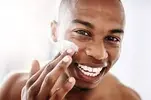
  4. IMG_0764.webp

5. Sunscreen and Cellular Protection​

Ultraviolet (UV) radiation consists of UVA and UVB wavelengths:

  1. UVA penetrates deeply into the dermis and generates reactive oxygen species (ROS) that break down collagen and elastin, contributing to photoaging
  2. UVB primarily affects the epidermis and causes sunburn and DNA damage
Broad-spectrum sunscreen (SPF 30 or higher) protects the skin by absorbing, scattering, or reflecting UV photons, reducing DNA mutations in keratinocytes and protecting lipid structures from oxidative damage.

Mechanisms of effect:

  1. Prevents UV-induced DNA damage in skin cells
  2. Limits oxidative stress that leads to collagen breakdown
  3. Preserves barrier function, as UV exposure itself can disrupt lipid organization
Sunscreen is a biological shield against cellular and molecular damage.
IMG_0765.webp


6. Barrier Disruption and Its Consequences​

When the skin’s barrier is compromised, several pathological processes can occur:

  1. Increased TEWL leads to dryness and tightness
  2. Easier penetration of irritants and allergens causes redness, itching, and inflammation
  3. Compensatory sebum production — paradoxically, dry skin can lead to more oiliness when the skin attempts to restore hydration
Overly aggressive routines can worsen conditions like eczema, dermatitis, or sensitivity syndromes.


7. Evidence-Based Principles for Healthy Skin​

Effective skincare supports natural barrier biology, rather than working against it. Milder products reduce irritation and enhance resilience. Daily use of ceramide-rich moisturizers and broad-spectrum sunscreen not only improves hydration but also protects against long-term cellular and molecular damage.

Understanding these biological mechanisms allows individuals to create a routine that is scientifically grounded, sustainable, and protective!!!!!
 

Attachments

  • IMG_0764.webp
    IMG_0764.webp
    5.1 KB · Views: 4
Register to hide this ad

Hi truesoviet here, today I will present you the first steps into the world of skincare (it’s my first thread, I will improve soon)​

Skincare – Biology, Function & Scientific Mechanisms

Skincare is more than trends or product collections — it is rooted in the biology of the skin, a dynamic organ that protects the body from external stressors. By understanding how the skin works on a cellular level, we can choose products and routines that support it rather than disrupt it.


1. Structure and Function of the Skin Barrier​

The outermost layer of the skin, the stratum corneum, acts as a primary protective barrier. It is composed of dead cells called corneocytes embedded in a lipid matrix — often described as a structure of “bricks and mortar”:

  1. Corneocytes are the “bricks”
  2. Lipids (ceramides, cholesterol, fatty acids) are the “mortar”
This organized structure performs three key functions:

  1. Water retention: It limits transepidermal water loss (TEWL), preventing dehydration
  2. Barrier protection: It blocks pathogens, allergens, and harmful substances
  3. pH regulation: The slightly acidic pH (around 4.5–6) supports beneficial microbiota and inhibits harmful microbes
If this structural integrity is weakened, the skin becomes more sensitive, dry, irritated, and prone to inflammation.View attachment 288152


2. What “Mild Skincare” Means Biologically​

Many skin problems arise not from external factors alone but from inappropriate products that compromise barrier function. Aggressive surfactants found in strong cleansers can strip lipids and disturb the barrier’s acidic pH.

Mild skincare focuses on:

  1. Products with pH close to natural skin pH
  2. Gentle surfactants that cleanse without lipid stripping
  3. Low-irritation formulations (fragrance-free, alcohol-free where possible)
Biological Mechanism: Harsh surfactants remove lipid components from the stratum corneum, increasing TEWL and making it easier for irritants to penetrate. This weakens barrier integrity and triggers dryness, redness, and sensitivity.View attachment 288155


3. Lipids, Ceramides, and Barrier Function​

Among the skin lipids, ceramides are particularly important — they can make up nearly 50% of the intercellular lipid matrix. They maintain the structural organization of the barrier, much like mortar stabilizes bricks in a wall.

How they work:

  1. Reduce water loss: Ceramides strengthen lipid organization and reduce TEWL
  2. Enhance barrier resilience: A lipid-rich matrix resists physical and chemical stress
  3. Support barrier repair: In conditions like atopic dermatitis and severely dry skin, ceramide levels are often depleted, so replenishment promotes recovery
Without adequate ceramides, the stratum corneum becomes disorganized and less effective at guarding the body against external harm.View attachment 288156View attachment 288157


4. Moisturizing Components and Hydration Biology​

The skin produces Natural Moisturizing Factors (NMFs) — low-molecular substances such as amino acids, urea, and lactate — that attract and hold water within cells. Additional humectants like hyaluronic acid act as moisture magnets, binding water molecules from the environment and deeper tissues.

Biological function:

  1. NMFs and humectants draw water into the skin
  2. Lipids prevent its loss
  3. This synergy maintains hydration and elasticity at the cellular level
  4. View attachment 288160

5. Sunscreen and Cellular Protection​

Ultraviolet (UV) radiation consists of UVA and UVB wavelengths:

  1. UVA penetrates deeply into the dermis and generates reactive oxygen species (ROS) that break down collagen and elastin, contributing to photoaging
  2. UVB primarily affects the epidermis and causes sunburn and DNA damage
Broad-spectrum sunscreen (SPF 30 or higher) protects the skin by absorbing, scattering, or reflecting UV photons, reducing DNA mutations in keratinocytes and protecting lipid structures from oxidative damage.

Mechanisms of effect:

  1. Prevents UV-induced DNA damage in skin cells
  2. Limits oxidative stress that leads to collagen breakdown
  3. Preserves barrier function, as UV exposure itself can disrupt lipid organization
Sunscreen is a biological shield against cellular and molecular damage.View attachment 288159


6. Barrier Disruption and Its Consequences​

When the skin’s barrier is compromised, several pathological processes can occur:

  1. Increased TEWL leads to dryness and tightness
  2. Easier penetration of irritants and allergens causes redness, itching, and inflammation
  3. Compensatory sebum production — paradoxically, dry skin can lead to more oiliness when the skin attempts to restore hydration
Overly aggressive routines can worsen conditions like eczema, dermatitis, or sensitivity syndromes.


7. Evidence-Based Principles for Healthy Skin​

Effective skincare supports natural barrier biology, rather than working against it. Milder products reduce irritation and enhance resilience. Daily use of ceramide-rich moisturizers and broad-spectrum sunscreen not only improves hydration but also protects against long-term cellular and molecular damage.

Understanding these biological mechanisms allows individuals to create a routine that is scientifically grounded, sustainable, and protective!!!!!
I think I’ve seen this guide before somewhere
 
I think I’ve seen this guide before somewhere
there are a lot of skin care guides so it wasn’t easy to make it outstanding but I tried my best
 

Users who are viewing this thread

Back
Top