- Joined
- Jul 19, 2026
- Messages
- 194
- Reputation
- 484
THE HUMAN BRAIN: PSYCHEDELICS, HALLUCINATIONS & ALTERED CONSCIOUSNESS
Neuropharmacology • Visual perception • Dream states • The construction of reality
━━━━━━━━━━━━━━━━━━━━━━━━━━━━━━
18+ EDUCATIONAL CONTENT — NOT MEDICAL ADVICE
An investigation into the machinery behind ordinary perception and the unusual states that emerge when it changes.
CONTENTS
I. Your Brain Is Constructing Reality
II. What Actually Counts as a Hallucination?
III. Psychedelic Pharmacology
IV. LSD: Serotonin, Vision & Neural Networks
V. Psilocybin: Magic Mushrooms & Brain Connectivity
VI. DMT: Intense Imagery & Altered Consciousness
VII. Mescaline, Ketamine, MDMA & Cannabis
VIII. Why Hallucinations Produce Geometric Patterns
IX. The Default Mode Network & Ego Dissolution
X. Strange Experiences Without Psychoactive Drugs
XI. Sleep, Dreams & Hypnagogia
XII. Dosages, Clinical Research & Why Context Matters
XIII. Risks, Persistent Effects & Harm Reduction
XIV. Research Library
II. What Actually Counts as a Hallucination?
III. Psychedelic Pharmacology
IV. LSD: Serotonin, Vision & Neural Networks
V. Psilocybin: Magic Mushrooms & Brain Connectivity
VI. DMT: Intense Imagery & Altered Consciousness
VII. Mescaline, Ketamine, MDMA & Cannabis
VIII. Why Hallucinations Produce Geometric Patterns
IX. The Default Mode Network & Ego Dissolution
X. Strange Experiences Without Psychoactive Drugs
XI. Sleep, Dreams & Hypnagogia
XII. Dosages, Clinical Research & Why Context Matters
XIII. Risks, Persistent Effects & Harm Reduction
XIV. Research Library
DISCLAIMER
This thread discusses psychoactive substances and their effects on the brain for educational purposes. It does not encourage drug use. I won't provide recreational dosing instructions intended to induce hallucinations, and no dosage can guarantee a particular experience or eliminate the risks. Clinical research protocols involve screening, monitoring and medical oversight that aren't replicated by taking a substance independently.
━━━━━━━━━━━━━━━━━━━━━━━━━━━━━━
I. YOUR BRAIN IS CONSTRUCTING REALITY
People tend to imagine the brain as a camera. Light enters the eyes, the brain processes the image, and consciousness receives a copy of the outside world. That's a useful simplification, but it misses most of the interesting stuff.
The brain receives signals from sensory organs and transforms them through layers of neural processing. What you experience depends on those signals, your attention, your previous experiences and the organisation of the systems interpreting them. You don't experience raw sensory data; you experience the result of neural processing.
This is why optical illusions work. A stationary image can appear to move, two identical shapes can appear different in size, and an ambiguous picture can suddenly look like something else. The stimulus hasn't necessarily changed. Your interpretation has.
Hallucinations raise the stakes because a perceptual experience can occur without an external stimulus that adequately explains it. The brain's internal activity can contribute to an experience that feels perceptual rather than merely imagined.

Figure 01 — A structural illustration of the brain. Different regions contribute to vision, memory, attention, emotion and other processes involved in conscious experience.

Figure 02 — Brain-network imaging comparing placebo and psilocybin conditions. The colours represent measured signals and statistical results, not a literal map of what somebody sees.
Source: Neuropsychopharmacology
The important point is that the brain doesn't have a single hallucination switch. Different substances and neurological states affect different systems, producing experiences that can look very different from one another.
━━━━━━━━━━━━━━━━━━━━━━━━━━━━━━
II. WHAT ACTUALLY COUNTS AS A HALLUCINATION?
The term gets thrown around loosely online, so it's worth separating a few things.
Illusion: A real stimulus is present, but it is misinterpreted. An optical illusion is the obvious example.
Mental imagery: You represent something in your mind without necessarily experiencing it as physically present.
Hallucination: A perceptual experience occurs without an adequate corresponding external stimulus.
Synesthesia: A stimulus or mental event is associated with an additional experience, such as certain sounds consistently evoking colours. It isn't the same thing as a hallucination.
Hallucinations can involve vision, hearing, touch, smell or bodily sensations. They may be simple, such as flashes or geometric forms, or complex, involving apparently recognisable people, objects or environments.
Vividness alone doesn't determine whether something is a hallucination. A highly detailed imagined scene is not automatically equivalent to seeing that scene as though it exists in front of you.

Figure 03 — Examples of geometric forms discussed in research on visual hallucinations.
Read the open-access review
━━━━━━━━━━━━━━━━━━━━━━━━━━━━━━
III. PSYCHEDELIC PHARMACOLOGY
Classic psychedelics include LSD, psilocybin and mescaline. Their effects differ, but they share an important pharmacological feature: their psychedelic effects are strongly associated with activity at the serotonin 5-HT2A receptor.
Serotonin is a neurotransmitter involved in numerous processes, including mood, cognition and sensory processing. The 5-HT2A receptor is particularly relevant because activating it can substantially alter cortical signalling.
That doesn't mean serotonin is simply a chemical responsible for happiness, nor that psychedelics just produce an excess of it. Receptors are part of signalling systems, and changing their activity can influence the behaviour of entire neural circuits.

Figure 04 — An educational illustration of agonists and antagonists interacting with the 5-HT2A receptor.
Source and further explanation
One major research question is how receptor activation translates into an experience as complicated as seeing geometric patterns, feeling that time has changed, or experiencing a different relationship with one's own thoughts.
The answer involves more than one receptor or one brain region. Researchers investigate changes in network connectivity, sensory processing, neural dynamics and the interaction between internally generated activity and incoming information.
━━━━━━━━━━━━━━━━━━━━━━━━━━━━━━
IV. LSD — SEROTONIN, VISION & NEURAL NETWORKS
LSD is a potent classic psychedelic. It acts on several receptor systems, with 5-HT2A receptor activity playing a central role in its characteristic psychedelic effects.
People may report intensified colours, altered patterns, changes in the apparent movement of objects, unusual associations, altered time perception and changes in their sense of self. Effects vary substantially between individuals and circumstances.
The scientific interest isn't simply that LSD can produce unusual visuals. Researchers can examine how changes in perception relate to measurable changes in the brain.
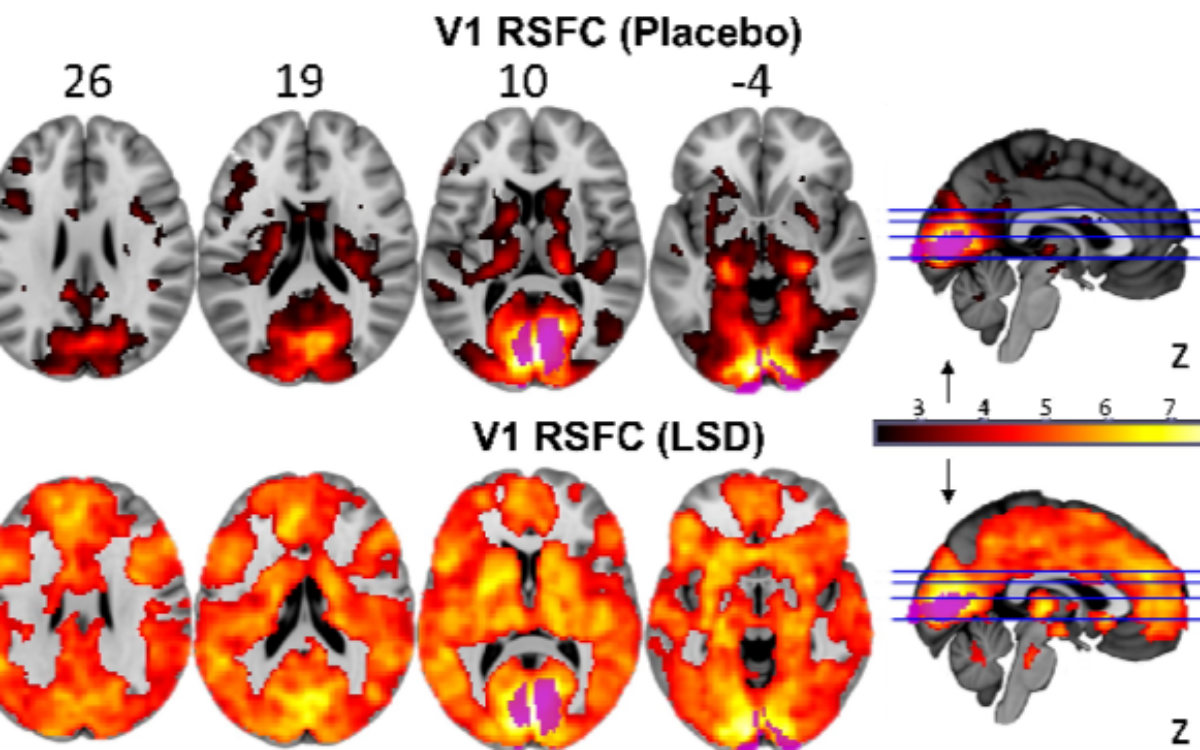
Figure 05 — fMRI connectivity maps comparing placebo and LSD conditions. These measurements illustrate changes in the organisation of visual-cortex activity.
Read the research paper
A useful distinction: altered visual processing doesn't mean the eyes themselves have necessarily changed. A person can experience altered visual perception because the brain is processing sensory information differently.
LSD isn't a guaranteed way to see any particular pattern or experience. It can also produce anxiety, confusion and dangerous impairment, and its effects may be prolonged and unpredictable.
━━━━━━━━━━━━━━━━━━━━━━━━━━━━━━
V. PSILOCYBIN — MAGIC MUSHROOMS & BRAIN CONNECTIVITY
Psilocybin is converted in the body into psilocin, which produces much of the psychedelic effect. Psilocin acts on serotonin receptors, including 5-HT2A.
Reported experiences include changes in visual perception, emotional intensity, the sense of time, thought patterns and the feeling of being separate from the surrounding world. Some experiences are positive; others are frightening or confusing.
A particularly interesting area is the relationship between psilocybin and functional connectivity. Functional connectivity refers to statistical relationships between activity in different brain regions. It does not necessarily mean that those regions have formed new physical connections.
Figure 06 — Research comparing functional brain-network measurements under placebo and psilocybin conditions.
Source: Neuropsychopharmacology
A 2024 NIH research summary describes a small study in which psilocybin temporarily produced substantial changes in functional connectivity across the brain. Some changes persisted longer than others. The study is useful evidence about brain dynamics, but it doesn't prove that every psychedelic experience follows an identical pattern.
Read the NIH summary
The takeaway: psilocybin can change how brain systems communicate, but the relationship between an imaging result and a person's subjective experience is complicated.
━━━━━━━━━━━━━━━━━━━━━━━━━━━━━━
VI. DMT — INTENSE IMAGERY & ALTERED CONSCIOUSNESS
DMT, or N,N-dimethyltryptamine, is a psychedelic compound in the tryptamine family. Its effects are associated with serotonergic activity, including 5-HT2A receptor activation.
DMT is especially well known for reports of vivid imagery, rapidly changing scenes, unusual spatial experiences and a profound alteration in ordinary consciousness. The details vary considerably, and personal reports are not proof that the perceived scenes correspond to an external reality.
Its effects depend heavily on the formulation and route of exposure. Different preparations can have very different pharmacokinetic profiles, so it is misleading to treat all DMT experiences as interchangeable.

Figure 07 — The chemical structure of N,N-dimethyltryptamine.
The research questions here include how such intense subjective experiences emerge, how people remember them afterwards, and why some report a sense of encountering an apparently independent presence.
There is no established scientific basis for concluding that vividness, certainty or emotional intensity proves an experience is supernatural. Those are properties of the experience, not independent verification of its contents.
━━━━━━━━━━━━━━━━━━━━━━━━━━━━━━
VII. MESCALINE, KETAMINE, MDMA & CANNABIS
Not every psychoactive substance belongs in the same pharmacological category. Calling every drug that changes perception a psychedelic obscures important differences.
Mescaline
Mescaline is a naturally occurring classic psychedelic found in certain cactus species. Its pharmacology overlaps with that of other classic psychedelics, including activity at 5-HT2A receptors. Reported effects include altered visual perception, changes in thought and emotion, and altered experiences of time.
Ketamine
Ketamine is primarily an NMDA-receptor antagonist, not a classic serotonergic psychedelic. It can produce dissociation, altered body perception, changes in sensory integration and, at sufficiently impairing exposures, profound disruption of ordinary awareness. It has legitimate medical uses, but unsupervised use carries significant risks.
MDMA
MDMA is an entactogen with strong effects on monoamine signalling, particularly serotonin release. It can alter emotional intensity, sociability and sensory experience, but it is not pharmacologically equivalent to LSD or psilocybin. Risks include overheating, dangerous water and electrolyte imbalance, cardiovascular strain and potentially life-threatening interactions.
Cannabis
THC acts primarily through cannabinoid CB1 receptors in the nervous system. It can change time perception, attention, memory, sensory experience and the interpretation of events. Some people experience anxiety, paranoia or hallucinations, particularly with high-potency products or individual vulnerability.

Figure 08 — A serotonin-related chemical structure for comparison with the receptor mechanisms discussed above.
These substances should not be ranked on a simplistic scale from weak to strong. They act through different mechanisms, produce different kinds of impairment and carry different risks.
I am deliberately not listing recreational dose amounts, drug combinations or methods for forcing a particular hallucination. A number on its own cannot predict an individual's response, and dose guidance detached from medical screening can create a false sense of safety.
━━━━━━━━━━━━━━━━━━━━━━━━━━━━━━
VIII. WHY HALLUCINATIONS PRODUCE GEOMETRIC PATTERNS
This is one of the stranger areas of visual neuroscience.
Researchers have documented recurring geometric forms associated with certain hallucinations. Heinrich Klüver described patterns including tunnels, spirals, lattices and cobwebs. These became known as form constants.
The visual cortex contains organised circuits that respond to spatial features such as orientation, edges and patterns. Mathematical models suggest that interactions within these circuits can produce repeating patterns of neural activity. Under certain conditions, the resulting perceptual experiences may resemble geometric forms.
This is a proposed explanation for particular phenomena, not a universal theory of hallucinations.
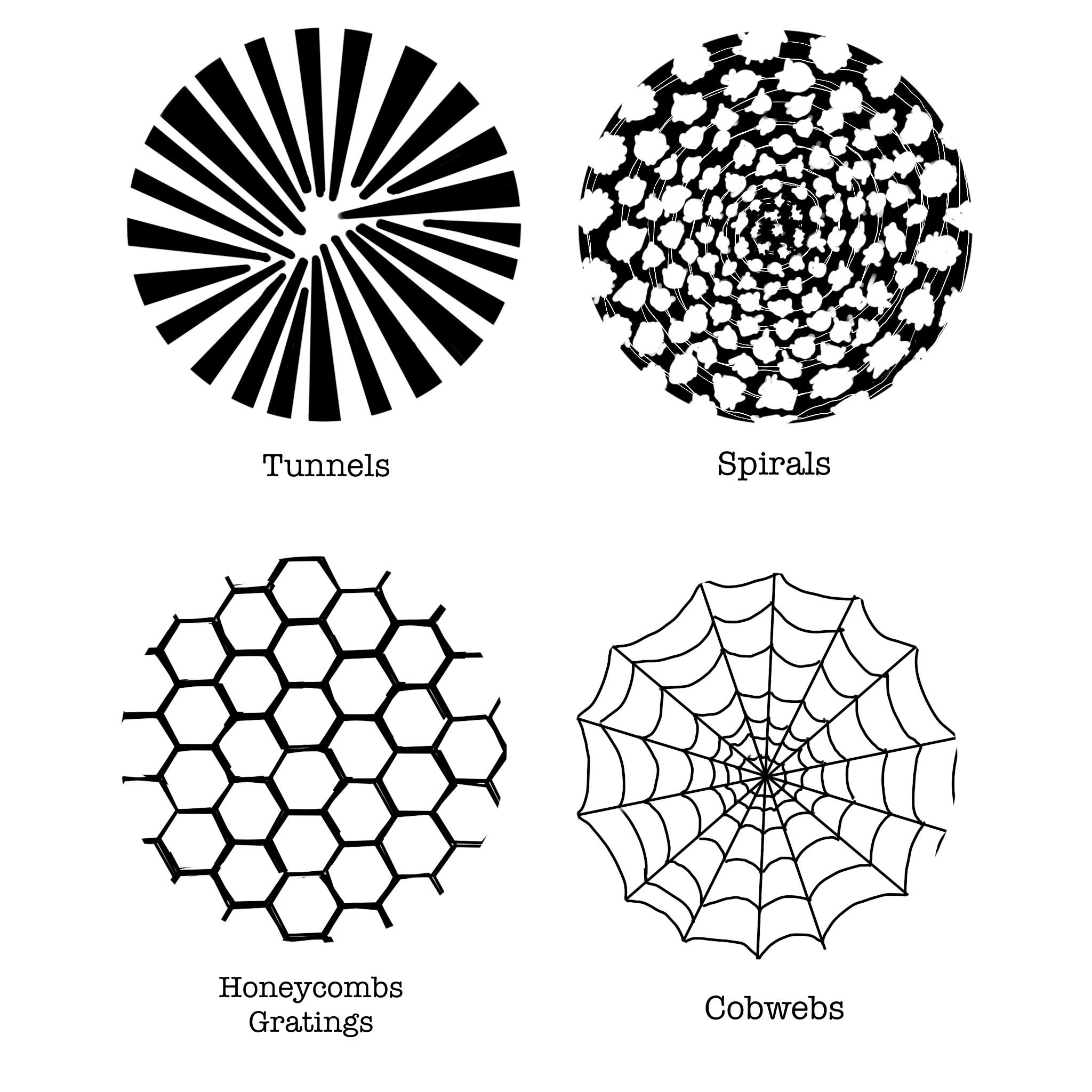

Figure 10 — Examples of drawings made in research involving Ganzflicker and Ganzfeld visual experiences.
Read the Scientific Reports paper
The interesting part is that the patterns may reveal something about the organisation of the visual system itself. Even unusual experiences are shaped by the constraints of neural architecture.
━━━━━━━━━━━━━━━━━━━━━━━━━━━━━━
IX. THE DEFAULT MODE NETWORK & EGO DISSOLUTION
The default mode network, or DMN, is a collection of interacting brain regions involved in several forms of internally directed cognition, including aspects of autobiographical memory and self-referential thought.
It is not a literal ego centre. The sense of self depends on multiple interacting processes.
Psychedelic studies have reported changes in communication within and between brain networks, including networks associated with internally directed thought. Some people also report ego dissolution: a temporary change in the usual feeling of being a separate, continuous self.

Figure 11 — A schematic comparison of brain-network communication under psilocybin and placebo conditions.
An experience of ego dissolution can feel profound, but the subjective feeling does not establish a metaphysical conclusion. Feeling that the boundary between yourself and the world has changed is different from proving that the boundary never existed.
━━━━━━━━━━━━━━━━━━━━━━━━━━━━━━
X. STRANGE EXPERIENCES WITHOUT PSYCHOACTIVE DRUGS
The brain can produce interesting perceptual effects in ordinary circumstances, without taking a psychoactive substance.
Afterimages
After viewing a coloured stimulus, you may briefly experience a complementary colour when looking away. This is associated with adaptation in visual processing.
Motion aftereffects
After viewing movement for a period, a stationary scene may briefly appear to move in the opposite direction. This is a well-studied consequence of adaptation in motion-sensitive visual mechanisms.
Pareidolia
The brain sometimes interprets ambiguous patterns as meaningful forms, especially faces. This illustrates how prior knowledge and expectations influence perception.
Mental imagery
People differ substantially in how vividly they can voluntarily imagine visual scenes. Some experience detailed imagery, while others have little or no conscious visual imagery.

Figure 12 — An optical illusion demonstrating how surrounding context affects perceived brightness.
These phenomena aren't equivalent to psychedelic hallucinations, but they make one point clear: perception is an active process, and the conditions under which the brain interprets sensory information matter.
━━━━━━━━━━━━━━━━━━━━━━━━━━━━━━
XI. SLEEP, DREAMS & HYPNAGOGIA
Dreams are another example of the brain constructing an immersive experience. During dreaming, people can experience scenes, voices, movement and emotion without the ordinary external sensory conditions of waking life.
Hypnagogic experiences occur during the transition into sleep. Hypnopompic experiences occur during the transition out of sleep. They can include fleeting images, sounds, sensations or a sense of presence.

Figure 13 — An educational sleep EEG illustration. Sleep stages are associated with characteristic patterns of brain activity.
Lucid dreaming occurs when a person becomes aware that they are dreaming while the dream continues. Some people report being able to influence parts of a dream, but control varies and cannot be guaranteed.
Dreams, hypnagogia and hallucinations are distinct phenomena. Persistent or distressing hallucinations while fully awake shouldn't automatically be dismissed as sleep-related.
━━━━━━━━━━━━━━━━━━━━━━━━━━━━━━
XII. DOSAGES, CLINICAL RESEARCH & WHY CONTEXT MATTERS
A dose cannot be interpreted independently of the substance, its formulation, the route of administration, the individual and the circumstances. Different compounds have different pharmacokinetics, receptor profiles and safety considerations.
There is no universal psychedelic dose that guarantees hallucinations, a particular visual effect or a safe experience. The same nominal amount can have different effects between individuals, and unregulated products may not contain what the person believes they contain.
Clinical research protocols specify substances, quantities and monitoring procedures for a defined study population. Those protocols are not interchangeable with recreational instructions.
When reading a paper, look for:
Substance identity: Was the compound chemically verified?
Study population: Who participated, and who was excluded?
Administration protocol: What was administered, by which route, and under what medical supervision?
Outcome measures: Did researchers measure subjective reports, physiological responses, brain imaging or clinical symptoms?
Limitations: How many participants were studied, what were the controls, and how generalisable are the findings?
Adverse effects: Were negative outcomes reported and monitored?
A controlled clinical result should never be treated as a universal prediction for an individual.
Substance identity: Was the compound chemically verified?
Study population: Who participated, and who was excluded?
Administration protocol: What was administered, by which route, and under what medical supervision?
Outcome measures: Did researchers measure subjective reports, physiological responses, brain imaging or clinical symptoms?
Limitations: How many participants were studied, what were the controls, and how generalisable are the findings?
Adverse effects: Were negative outcomes reported and monitored?
A controlled clinical result should never be treated as a universal prediction for an individual.
The useful question isn't simply how much of a substance someone took. It's what the researchers measured, how they measured it and whether the evidence supports the conclusion being drawn.
━━━━━━━━━━━━━━━━━━━━━━━━━━━━━━
XIII. RISKS, PERSISTENT EFFECTS & HARM REDUCTION
Psychoactive substances can cause panic, confusion, impaired judgement, accidents and psychiatric complications. Some people experience persistent perceptual disturbances after using psychedelics. Others may experience severe anxiety or destabilisation of an existing mental health condition.
Mixing substances adds uncertainty. Sleep deprivation and attempts to force altered states can also impair judgement and wellbeing. Deliberately restricting breathing or using intense flashing light to provoke unusual experiences is not necessary to understand the neuroscience and can introduce additional risks.
A few points worth remembering:
• A vivid experience is not proof that what was perceived exists externally.
• A drug's effects are not completely predictable from a dose alone.
• Research conducted with medical screening and monitoring does not establish that unsupervised use is safe.
• Persistent or distressing hallucinations deserve professional assessment, particularly when accompanied by severe confusion or an inability to distinguish experiences from reality.
━━━━━━━━━━━━━━━━━━━━━━━━━━━━━━
XIV. RESEARCH LIBRARY
1. NIH — How psychedelic drugs alter the brain
Read the research summary
2. Psilocybin desynchronizes the human brain
Read the Nature paper
3. Geometric visual hallucinations and visual-cortex architecture
Read the open-access paper
4. LSD and visual-cortex connectivity
Read the research paper
5. Visual hallucinations in Ganzflicker and Ganzfeld experiments
Read the Scientific Reports paper
6. Psilocybin and ego dissolution
Read the Neuropsychopharmacology paper
Read the research summary
2. Psilocybin desynchronizes the human brain
Read the Nature paper
3. Geometric visual hallucinations and visual-cortex architecture
Read the open-access paper
4. LSD and visual-cortex connectivity
Read the research paper
5. Visual hallucinations in Ganzflicker and Ganzfeld experiments
Read the Scientific Reports paper
6. Psilocybin and ego dissolution
Read the Neuropsychopharmacology paper
━━━━━━━━━━━━━━━━━━━━━━━━━━━━━━
FINAL THOUGHT
The brain can generate experiences that feel vivid, meaningful and completely convincing. The mechanisms behind them overlap with the systems that allow ordinary perception, memory and self-awareness to work.
Psychedelics provide one way for researchers to study altered consciousness, but they're not a guaranteed route to insight, and the risks are real. The most interesting part is the science itself: how a biological system constructs a world, interprets it and sometimes experiences something that doesn't correspond to the world outside it.
END OF THREAD


