- Joined
- Mar 28, 2026
- Messages
- 4,831
- Solutions
- 12
- Reputation
- 10,175
.
Last edited:
Follow along with the video below to see how to install our site as a web app on your home screen.
Note: This feature may not be available in some browsers.


underrated userI've been working for over a year on the research and design of compounds that will increase height and do this effectively compared to the existing copes.
There is a lot (I mean a lot) that goes into the combined mechanisms and reasons for including them in creation but in general there are two aspects to increasing height post-plate closure. Growing before is relatively easy as it only needs the use of generic growth pathways (though more targeted modulators like BMPs are more efficient), but growing after is nearly impossible unless you combine the right pathways.
The two parts to growing taller:
Osteogenesis&
Chondrogenesis
When people think of growing taller they think of increasing bone length but there is something most people completely ignore which is cartilage. Cartilage (in joints and in the spine) is a significant contributor to height and increasing or decreasing cartilage depth changes total height accordingly.
If you consider the physical process of growth, cartilage generation (chondrogenesis) is much easier and more straightforward than bone growth (osteogenesis). The reason it's typically not mentioned when talking about methods to increase height is because the existing solutions for increasing cartilage depth are not very effective and may only change height up to a couple centimeters at most. To effectively use cartilage for the case of growing taller you need a potent ligand that targets the right pathways.
Osteogenesis is useful but only after you have an effective chondrogenic agent. If you turn your articular cartilage into bone with no way to replace it you are effectively giving yourself arthritis.
Most ligands for the purposes above are peptides. The issue with most peptides is that they have short half-lives and can't really be used orally. To fix the half-life issue, modification is required with something like PEG or nano-encapsulation. This process is pretty hard to find a supplier for and on top of that expensive. Bare in mind this is on top of an already custom synthesis of new peptides which have no stock. Needless to say that it is a difficult thing to develop.
The Plan
After synthesis of the molecules is complete / turned into vials, an intelligent protocol is the idea. The first step is to observe and measure for any significant growth using the modified cartilage-targeting peptides that are part of the synthesis. Rate of progress will be observed with a stadiometer and occasional X-Ray scans (which can have changes measured by a doctor).
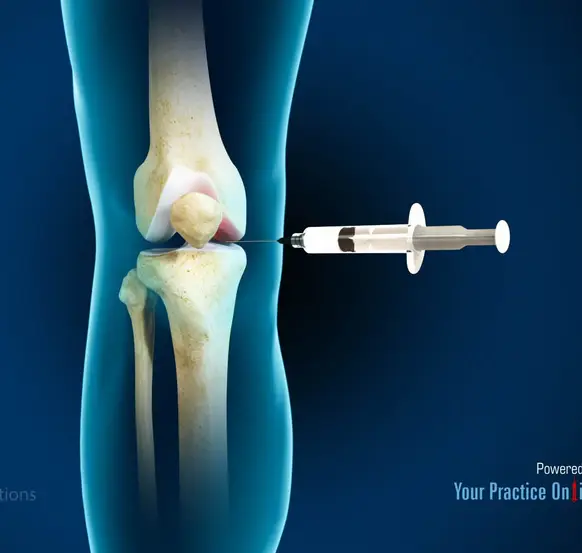
Dosing will require approximately weekly intra-articular (injecting into the knee joint) and partial subQ injections. Injections may also be performed in the ankle depending on ease of finding the injection site.
If significant height changes are observed with the purely chondrogenic agents then it is appropriate to move to the next phase which is using osteogenic agents to turn part of the articular endochondrial cartilage into bone in an effort to increase total bone length. This is more sketchy as there are potential issues like bone surface defects, ectopic bone formation and possible cancer growth (though risk isn't too high if young).
The main mechanisms consist of these:
FGFR3 and direct IGF-1/GH wil be ignored.
I can't go into great detail with the exact molecules as it is exclusive but I will be publicly sharing progress and all signficant updates. I don't intend on larping at all and will keep testing new things until discoveries are made.
I will be satisfied and feel like enough progress has been made when I can reach 192cm (ideal height IMO). After that the only thing to use the molecules for would be increasing clavicle width (this would be achieved maybe through local injections as well + mechanical forces). Also the molecules would be quite useful for planned facial osteotomies which I intend to do after.
Estimated changes for cartilage only could be around +4-8cm with ossification following maybe 2-4 cm (and repeat?). I'd say it is definitely possible to get to +10cm with the addition of mechanical methods. Though I can't claim to have proof yet. Someone has to be a trailblazer. However saying that, through research of the mechanisms described above I have a high level of confidence in it working.
Of the molecules only one has been tested in humans. The others have either been tested in mice or not tested at all. Needless to say it is pretty experimental. Wish me luck. I'll make more posts on this topic once I am starting tests.
@sullyy @isntnotrepellent @genio
@TonyDr i-is this enough for contributer yet, master.
atleast do some research yourself rather than rely on some forum's wordsSo is:
- BMP7/BMP9/BMPR2
- SOX9
- YAP
- GDF-5
- PGE2
- Parathyroid
- Runx2
- Hedgehog pathway (possible to-defer due to carciogenicity)
- PDE3/TRPM7
- HDACs
the peps for extra cartlidge growth and if so can sm1 reply with pricing
same goes to you.underrated user

n***a wdym exclusive quit gatekeepingI've been working for over a year on the research and design of compounds that will increase height and do this effectively compared to the existing copes.
There is a lot (I mean a lot) that goes into the combined mechanisms and reasons for including them in creation but in general there are two aspects to increasing height post-plate closure. Growing before is relatively easy as it only needs the use of generic growth pathways (though more targeted modulators like BMPs are more efficient), but growing after is nearly impossible unless you combine the right pathways.
The two parts to growing taller:
Osteogenesis&
Chondrogenesis
When people think of growing taller they think of increasing bone length but there is something most people completely ignore which is cartilage. Cartilage (in joints and in the spine) is a significant contributor to height and increasing or decreasing cartilage depth changes total height accordingly.
If you consider the physical process of growth, cartilage generation (chondrogenesis) is much easier and more straightforward than bone growth (osteogenesis). The reason it's typically not mentioned when talking about methods to increase height is because the existing solutions for increasing cartilage depth are not very effective and may only change height up to a couple centimeters at most. To effectively use cartilage for the case of growing taller you need a potent ligand that targets the right pathways.
Osteogenesis is useful but only after you have an effective chondrogenic agent. If you turn your articular cartilage into bone with no way to replace it you are effectively giving yourself arthritis.
Most ligands for the purposes above are peptides. The issue with most peptides is that they have short half-lives and can't really be used orally. To fix the half-life issue, modification is required with something like PEG or nano-encapsulation. This process is pretty hard to find a supplier for and on top of that expensive. Bare in mind this is on top of an already custom synthesis of new peptides which have no stock. Needless to say that it is a difficult thing to develop.
The Plan
After synthesis of the molecules is complete / turned into vials, an intelligent protocol is the idea. The first step is to observe and measure for any significant growth using the modified cartilage-targeting peptides that are part of the synthesis. Rate of progress will be observed with a stadiometer and occasional X-Ray scans (which can have changes measured by a doctor).
Dosing will require approximately weekly intra-articular (injecting into the knee joint) and partial subQ injections. Injections may also be performed in the ankle depending on ease of finding the injection site.
If significant height changes are observed with the purely chondrogenic agents then it is appropriate to move to the next phase which is using osteogenic agents to turn part of the articular endochondrial cartilage into bone in an effort to increase total bone length. This is more sketchy as there are potential issues like bone surface defects, ectopic bone formation and possible cancer growth (though risk isn't too high if young).
The main mechanisms consist of these:
FGFR3 and direct IGF-1/GH wil be ignored.
I can't go into great detail with the exact molecules as it is exclusive but I will be publicly sharing progress and all signficant updates. I don't intend on larping at all and will keep testing new things until discoveries are made.
I will be satisfied and feel like enough progress has been made when I can reach 192cm (ideal height IMO). After that the only thing to use the molecules for would be increasing clavicle width (this would be achieved maybe through local injections as well + mechanical forces). Also the molecules would be quite useful for planned facial osteotomies which I intend to do after.
Estimated changes for cartilage only could be around +4-8cm with ossification following maybe 2-4 cm (and repeat?). I'd say it is definitely possible to get to +10cm with the addition of mechanical methods. Though I can't claim to have proof yet. Someone has to be a trailblazer. However saying that, through research of the mechanisms described above I have a high level of confidence in it working.
Of the molecules only one has been tested in humans. The others have either been tested in mice or not tested at all. Needless to say it is pretty experimental. Wish me luck. I'll make more posts on this topic once I am starting tests.
@sullyy @isntnotrepellent @genio
@TonyDr i-is this enough for contributer yet, master.

mirin thread manI've been working for over a year on the research and design of compounds that will increase height and do this effectively compared to the existing copes.
There is a lot (I mean a lot) that goes into the combined mechanisms and reasons for including them in creation but in general there are two aspects to increasing height post-plate closure. Growing before is relatively easy as it only needs the use of generic growth pathways (though more targeted modulators like BMPs are more efficient), but growing after is nearly impossible unless you combine the right pathways.
The two parts to growing taller:
Osteogenesis&
Chondrogenesis
When people think of growing taller they think of increasing bone length but there is something most people completely ignore which is cartilage. Cartilage (in joints and in the spine) is a significant contributor to height and increasing or decreasing cartilage depth changes total height accordingly.
If you consider the physical process of growth, cartilage generation (chondrogenesis) is much easier and more straightforward than bone growth (osteogenesis). The reason it's typically not mentioned when talking about methods to increase height is because the existing solutions for increasing cartilage depth are not very effective and may only change height up to a couple centimeters at most. To effectively use cartilage for the case of growing taller you need a potent ligand that targets the right pathways.
Osteogenesis is useful but only after you have an effective chondrogenic agent. If you turn your articular cartilage into bone with no way to replace it you are effectively giving yourself arthritis.
Most ligands for the purposes above are peptides. The issue with most peptides is that they have short half-lives and can't really be used orally. To fix the half-life issue, modification is required with something like PEG or nano-encapsulation. This process is pretty hard to find a supplier for and on top of that expensive. Bare in mind this is on top of an already custom synthesis of new peptides which have no stock. Needless to say that it is a difficult thing to develop.
The Plan
After synthesis of the molecules is complete / turned into vials, an intelligent protocol is the idea. The first step is to observe and measure for any significant growth using the modified cartilage-targeting peptides that are part of the synthesis. Rate of progress will be observed with a stadiometer and occasional X-Ray scans (which can have changes measured by a doctor).
Dosing will require approximately weekly intra-articular (injecting into the knee joint) and partial subQ injections. Injections may also be performed in the ankle depending on ease of finding the injection site.
If significant height changes are observed with the purely chondrogenic agents then it is appropriate to move to the next phase which is using osteogenic agents to turn part of the articular endochondrial cartilage into bone in an effort to increase total bone length. This is more sketchy as there are potential issues like bone surface defects, ectopic bone formation and possible cancer growth (though risk isn't too high if young).
The main mechanisms consist of these:
FGFR3 and direct IGF-1/GH wil be ignored.
I can't go into great detail with the exact molecules as it is exclusive but I will be publicly sharing progress and all signficant updates. I don't intend on larping at all and will keep testing new things until discoveries are made.
I will be satisfied and feel like enough progress has been made when I can reach 192cm (ideal height IMO). After that the only thing to use the molecules for would be increasing clavicle width (this would be achieved maybe through local injections as well + mechanical forces). Also the molecules would be quite useful for planned facial osteotomies which I intend to do after.
Estimated changes for cartilage only could be around +4-8cm with ossification following maybe 2-4 cm (and repeat?). I'd say it is definitely possible to get to +10cm with the addition of mechanical methods. Though I can't claim to have proof yet. Someone has to be a trailblazer. However saying that, through research of the mechanisms described above I have a high level of confidence in it working.
Of the molecules only one has been tested in humans. The others have either been tested in mice or not tested at all. Needless to say it is pretty experimental. Wish me luck. I'll make more posts on this topic once I am starting tests.
@sullyy @isntnotrepellent @genio
@TonyDr i-is this enough for contributer yet, master.
W adviceatleast do some research yourself rather than rely on some forum's words
same goes to you.

yupup thats my secret place now go delete the forum name its gatekeptn***a wdym exclusive quit gatekeeping
Do u js repost all ur threads from ones you already posted on
U have to edit ts message too n****r it says the name on the replyyupup thats my secret place now go delete the forum name its gatekept
ightU have to edit ts message too n****r it says the name on the reply
Now answer my other question abt hgh pathwayr
ight
which one oh waitarlgihtNow answer my other question abt hgh pathway
No, this is extremely unlikely to work as planned, and it's dangerously risky.n***a do you think i can do ts + hgh pathway
So yes?which one oh waitarlgiht
No, this is extremely unlikely to work as planned, and it's dangerously risky.
yes if you got the balls to do itSo yes?
Andro did it…yes if you got the balls to do it
yeah good to be like the r****d and ask for prices anyways goodluck if u run it make mega guides and updatesAndro did it…
Nah n****r i need to do my own research on wtv osteoblast shit you wrote here first
Wtf do u mean good to be like the r****d and ask for pricesyeah good to be like the r****d and ask for prices anyways goodluck if u run it make mega guides and updates

Wtf do u mean good to be like the r****d and ask for prices
Like n***a what does that mean
So is:
- BMP7/BMP9/BMPR2
- SOX9
- YAP
- GDF-5
- PGE2
- Parathyroid
- Runx2
- Hedgehog pathway (possible to-defer due to carciogenicity)
- PDE3/TRPM7
- HDACs
the peps for extra cartlidge growth and if so can sm1 reply with pricing
Yeah can u give me all the prices n***a
yo cheers for the prices preciate it but is ts per dose or per cycle bc this is expensive as shiBMP-7: ~$450 – $600 per 10 μg
BMP-9: ~$550 – $750 per 10 μg
GDF-5: ~$330 – $450 per 100 μg (Usually more cost-effective than BMPs)
Parathyroid Hormone (PTH 1-34): ~$150 – $250 per 1 mg (Synthetic peptide)
Small Molecules & Inhibitors
PGE2 (Prostaglandin E2): ~$90 – $140 per 5 mg
HDAC Inhibitors (e.g., SAHA/Vorinostat): ~$120 – $200 per 50 mg
PDE3 Inhibitors (e.g., Cilostazol): ~$60 – $100 per 1 g
Hedgehog Agonists (e.g., SAG): ~$180 – $300 per 5 mg
Gene/Cell Tools
SOX9 / Runx2 / BMPR2 Plasmids: ~$400 – $600 per 20 μg (standard vector)
YAP Inhibitors (e.g., Verteporfin): ~$150 per 100 mg

an actual high iq user for the first time in months View attachment 346411

appreciated brahan actual high iq user for the first time in months View attachment 346411

Holy fuck dude u needa have contributor nowwwI've been working for over a year on the research and design of compounds that will increase height and do this effectively compared to the existing copes.
There is a lot (I mean a lot) that goes into the combined mechanisms and reasons for including them in creation but in general there are two aspects to increasing height post-plate closure. Growing before is relatively easy as it only needs the use of generic growth pathways (though more targeted modulators like BMPs are more efficient), but growing after is nearly impossible unless you combine the right pathways.
The two parts to growing taller:
Osteogenesis&
Chondrogenesis
When people think of growing taller they think of increasing bone length but there is something most people completely ignore which is cartilage. Cartilage (in joints and in the spine) is a significant contributor to height and increasing or decreasing cartilage depth changes total height accordingly.
If you consider the physical process of growth, cartilage generation (chondrogenesis) is much easier and more straightforward than bone growth (osteogenesis). The reason it's typically not mentioned when talking about methods to increase height is because the existing solutions for increasing cartilage depth are not very effective and may only change height up to a couple centimeters at most. To effectively use cartilage for the case of growing taller you need a potent ligand that targets the right pathways.
Osteogenesis is useful but only after you have an effective chondrogenic agent. If you turn your articular cartilage into bone with no way to replace it you are effectively giving yourself arthritis.
Most ligands for the purposes above are peptides. The issue with most peptides is that they have short half-lives and can't really be used orally. To fix the half-life issue, modification is required with something like PEG or nano-encapsulation. This process is pretty hard to find a supplier for and on top of that expensive. Bare in mind this is on top of an already custom synthesis of new peptides which have no stock. Needless to say that it is a difficult thing to develop.
The Plan
After synthesis of the molecules is complete / turned into vials, an intelligent protocol is the idea. The first step is to observe and measure for any significant growth using the modified cartilage-targeting peptides that are part of the synthesis. Rate of progress will be observed with a stadiometer and occasional X-Ray scans (which can have changes measured by a doctor).
Dosing will require approximately weekly intra-articular (injecting into the knee joint) and partial subQ injections. Injections may also be performed in the ankle depending on ease of finding the injection site.
If significant height changes are observed with the purely chondrogenic agents then it is appropriate to move to the next phase which is using osteogenic agents to turn part of the articular endochondrial cartilage into bone in an effort to increase total bone length. This is more sketchy as there are potential issues like bone surface defects, ectopic bone formation and possible cancer growth (though risk isn't too high if young).
The main mechanisms consist of these:
FGFR3 and direct IGF-1/GH wil be ignored.
I can't go into great detail with the exact molecules as it is exclusive but I will be publicly sharing progress and all signficant updates. I don't intend on larping at all and will keep testing new things until discoveries are made.
I will be satisfied and feel like enough progress has been made when I can reach 192cm (ideal height IMO). After that the only thing to use the molecules for would be increasing clavicle width (this would be achieved maybe through local injections as well + mechanical forces). Also the molecules would be quite useful for planned facial osteotomies which I intend to do after.
Estimated changes for cartilage only could be around +4-8cm with ossification following maybe 2-4 cm (and repeat?). I'd say it is definitely possible to get to +10cm with the addition of mechanical methods. Though I can't claim to have proof yet. Someone has to be a trailblazer. However saying that, through research of the mechanisms described above I have a high level of confidence in it working.
Of the molecules only one has been tested in humans. The others have either been tested in mice or not tested at all. Needless to say it is pretty experimental. Wish me luck. I'll make more posts on this topic once I am starting tests.
@sullyy @isntnotrepellent @genio
@TonyDr i-is this enough for contributer yet, master.
Yeah n****r im not taking thisBMP-7: ~$450 – $600 per 10 μg
BMP-9: ~$550 – $750 per 10 μg
GDF-5: ~$330 – $450 per 100 μg (Usually more cost-effective than BMPs)
Parathyroid Hormone (PTH 1-34): ~$150 – $250 per 1 mg (Synthetic peptide)
Small Molecules & Inhibitors
PGE2 (Prostaglandin E2): ~$90 – $140 per 5 mg
HDAC Inhibitors (e.g., SAHA/Vorinostat): ~$120 – $200 per 50 mg
PDE3 Inhibitors (e.g., Cilostazol): ~$60 – $100 per 1 g
Hedgehog Agonists (e.g., SAG): ~$180 – $300 per 5 mg
Gene/Cell Tools
SOX9 / Runx2 / BMPR2 Plasmids: ~$400 – $600 per 20 μg (standard vector)
YAP Inhibitors (e.g., Verteporfin): ~$150 per 100 mg