Join 75,000+ Looksmaxxing Members!

Register a FREE account today to become a member. Once signed in, you'll be able to participate on this site by adding your own topics and posts, as well as connect with other members through your own private inbox.

  • DISCLAIMER: DO NOT ATTEMPT TREATMENT WITHOUT LICENCED MEDICAL CONSULTATION AND SUPERVISION

    This is a public discussion forum. The owners, staff, and users of this website ARE NOT engaged in rendering professional services to the individual reader. DO NOT use the content of this website as an alternative to personal examination and advice from licenced healthcare providers. DO NOT begin, delay, or discontinue treatments and/or exercises without licenced medical supervision. Learn more

Guide DIGESTION GUIDE

Luffy

Embodiment of freedom
Reputable ★★★
Established ★★
Joined
Jul 14, 2026
Messages
5,585
Solutions
2
Online time
19d 8h
Reputation
16,041


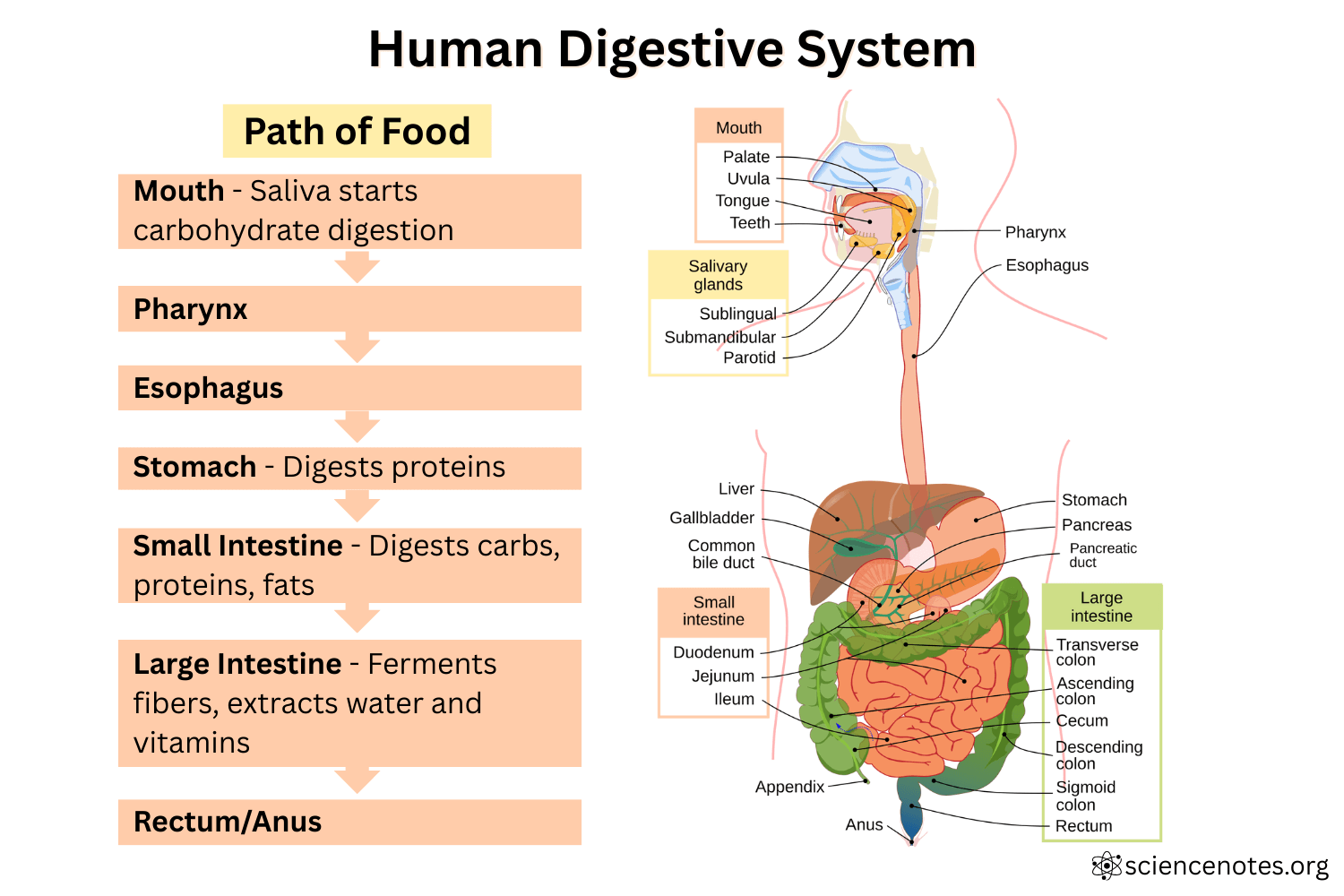
The digestive system is the biological system responsible for converting food into energy and raw materials the body can use. It consists of a continuous tube known as the gastrointestinal (GI) tract and accessory organs that contribute digestive enzymes, bile, and hormones. The GI tract includes the mouth, pharynx, esophagus, stomach, small intestine, large intestine, and anus. Each part that was named helps with the food and liquid that we consume pass through our system, by breaking it down into smaller pieces. Once the breaking down is finished our body can then absorb the nutrients as needed.
Image result for digestion system

The digestive process is well the process of our body digesting the food
  • Mouth: The mouth begins the process of digestion. Teeth mechanically break down food by chewing. Salivary glands produce saliva, containing enzymes like amylase, which begins chemical digestion of carbohydrates.​
  • Pharynx (throat): After chewing, food forms a soft mass called a bolus, which is swallowed into the pharynx. The pharynx directs the bolus into the esophagus while keeping it out of the windpipe via the epiglottis.​
  • Esophagus: The esophagus is a muscular tube that moves food from the pharynx to the stomach using coordinated waves of contraction known as peristalsis.​
  • Stomach: The stomach is a muscular sac that churns food and secretes gastric juice, which contains hydrochloric acid and the enzyme pepsin. These secretions begin the digestion of proteins and turn the food into a semi-liquid mixture called chyme.​
  • Small Intestine: This is the main site for digestion and nutrient absorption. It has three parts.​
  1. Duodenum: Receives chyme from the stomach and secretions from the liver and pancreas.​
  2. Jejunum: Where the majority of chemical digestion and nutrient absorption occurs.​
  3. Ileum: Absorbs remaining nutrients and delivers undigested material to the large intestine.​
  • Large Intestine: Absorbs water, minerals, and vitamins. It compacts undigested material into feces. It includes the: Cecum, ascending, transverse, descending, and sigmoid colon.​
  • Rectum and Anus: The rectum stores feces until defecation. The anus is the final opening through which fecal matter is expelled.​
Digestion - Biology Simple


Digestion is important because it allows the body to consume the nutrients needed from food and water. Your digestive system breaks nutrients into parts small enough for your body to absorb and use for energy, growth, and cell repair. Protein, fats, and carbs being the main micros that are needed for the body, that I will be going in depth on each. Due to the fact that digestion is what allows these sub-macros to activate and beneficial to the body and mind.

WARNING
these next 3 spoilers will be about the big 3 macros and not digestion itself. Why am I talking about it in a digestion guide then? I am doing so to provide knowledge on the smaller effects of these macros that are a direct influence of the digestion processes and how it betters our health. If you do not care for the breakdown, I suggest skipping these and moving on with the guide.

When proteins are broken down, our body absorbs the amino acids from them. The nine essential amino acids are; histidine, isoleucine, leucine, lysine, methionine, phenylalanine, threonine, tryptophan, and valine. These all provide vital functions that I will be listing below.
  1. Phenylalanine: Your body turns this amino acid into the neurotransmitters tyrosine, dopamine, epinephrine, and norepinephrine. It plays an integral role in the structure and function of proteins and enzymes and the production of other amino acids.​
  2. Valine: This is one of three branched-chain amino acids (BCAAs) on this list. That means it has a chain branching off from one side of its molecular structure. Valine helps stimulate muscle growth and regeneration and is involved in energy production.​
  3. Threonine: This is a principal part of structural proteins such as collagen and elastin, which are important components of your skin and connective tissue. It also plays a role in fat metabolism and immune function.​
  4. Tryptophan: Often associated with drowsiness, tryptophan is a precursor to serotonin, a neurotransmitter that regulates your appetite, sleep, and mood.​
  5. Methionine: This amino acid plays an important role in metabolism and detoxification. It’s also necessary for tissue growth and the absorption of zinc and selenium, minerals that are vital to your health.​
  6. Leucine: Like valine, leucine is a BCAA that is critical for protein synthesis and muscle repair. It also helps regulate blood sugar levels, stimulates wound healing, and produces growth hormones.​
  7. Isoleucine: The last of the three BCAAs, isoleucine is involved in muscle metabolism and is heavily concentrated in muscle tissue. It’s also important for immune function, hemoglobin production, and energy regulation.​
  8. Lysine: Lysine plays major roles in protein synthesis, calcium absorption, and the production of hormones and enzymes. It’s also important for energy production, immune function, and collagen and elastin production.​
  9. Histidine: Your body uses this amino acid to produce histamine, a neurotransmitter that is vital to immune response, digestion, sexual function, and sleep-wake cycles. It’s critical for maintaining the myelin sheath, a protective barrier that surrounds your nerve cells.​
Image result for proteins


Digestion breaks the fats into acids and glycerol. Fatty acids and glycerol combine to form triglycerides, the most prevalent type of fat in the body and diet. Triglycerides serve as the body’s main form of energy storage. When the body has excess energy, it converts this into triglycerides, stored in fat cells for later use. When energy is needed, these stored triglycerides break down into fatty acids and glycerol to fuel bodily processes. While energy storage is its main focus, fats can go deeper on a biological level. Fatty acids are structural components of cell membranes, forming phospholipids that create the protective outer layer of cells. This can better overall membrane health, allowing for more adequate cellular reception and signaling. This said signaling can activate specific receptors on cell surfaces, impacting nutrient uptake, cell growth, and the release of other bioactive substances.
Image result for fats

Carbs are transformed into simple sugars post-digestion. Simple sugars (simple carbs) are a quick-acting fuel source for fuel for the body and mind. These sugars, after being broken down and forming pyruvate, are converted into a molecule that feeds into the citric acid cycle, which strips off electrons and loads them onto carrier molecules. Those carriers then deliver electrons to a chain of proteins embedded in the inner mitochondrial membrane, and as electrons pass along this chain, the energy released is used to produce large quantities of ATP.
Image result for carbs bio

If your digestive system isn’t functioning properly, your body struggles to absorb the vital nutrients, vitamins, and minerals it needs. Over time, this can lead to various health issues, affecting not just your gut but also your energy levels, immune system, skin, and even mental clarity. Now what are the main effects of poor digestion?
Bloating- Bloating is a frequent but annoying symptom of impaired digestion, leading to abdominal discomfort. It happens when the body finds it difficult to break down and absorb nutrients efficiently. This inability results in gas buildup in the digestive system. In the LM space, especially bloating is frowned upon, so digestion is a key factor in preventing it.

Chronic Indigestion- Dyspepsia, or chronic indigestion, is a digestive discomfort that can disrupt your daily life. When digestion is disrupted, the stomach is unable to digest food, and there is chronic digestive distress. Chronic Indigestion shows symptoms such as bloating, nausea, and heartburn. These are caused by overeating, eating spicy or fatty foods, stress, or underlying illnesses such as gastroesophageal reflux disease (GERD) or gastritis.

Acid Reflux- Acid reflux happens when stomach acid flows back up into the esophagus, producing a burning discomfort in the chest (heartburn). Ineffective digestion weakens the lower esophageal sphincter (LES), causing acid to leak out and inflame the esophagus. Obesity, hiatal hernias, smoking, and eating acidic or spicy foods are common causes of acid reflux.

Irregular Bowel Movements- Irregular bowel movements, including constipation, diarrhea, or erratic changes in bowel habits, indicate digestive dysfunction. Poor Digestion disrupts the movement of waste through the gastrointestinal tract, leading to inconsistent stool patterns. Contributing factors include dehydration, low fiber intake, gut flora imbalances, and digestive disorders like irritable bowel syndrome (IBS) and inflammatory bowel disease (IBD).

Chronic Fatigue- Chronic fatigue may be caused by poor digestion due to inefficient nutrient absorption. If you have a weak digestive system, the necessary nutrients such as proteins, carbohydrates, and vitamins are not efficiently used. This inefficiency leads to long-term tiredness, mental confusion, and reduced energy levels. Nutrient deficiencies caused by digestive issues can significantly impact overall vitality.

Nutritional Deficiencies- Improper digestion restricts the body from efficiently absorbing necessary nutrients, resulting in a deficiency of vitamins and minerals. The most common deficiencies are of vitamin B12, D, and K, iron, and calcium. The deficiencies can cause anemia, brittle bones, and a weakened immune system, impairing general health.

Unexplained Weight Change- Poor digestion can cause sudden weight fluctuations, leading to either weight gain or weight loss. Malabsorption prevents the body from receiving adequate nutrients, resulting in unwanted weight loss. On the other hand, digestive issues, hormonal imbalance, or overindulgence in refined foods result in weight gain. Other underlying conditions like celiac disease, IBD, or chronic inflammation in the gut can also be involved.

Now that we know how detrimental poor digestion can be, how can we solve it?

Fiber- Fiber serves as a prebiotic, or food for the good bacteria that live in your gut. Eating plenty of fiber is associated with increased microbial diversity and a reduced risk of gastrointestinal issues like constipation and Crohn's disease. Fiber helps keep the colon healthy by reducing inflammation; it also helps keep you regular. Many fail to get a sufficient amount of fiber; we should aim for 25-30g at the minimum.

Hydration- Water is critical for healthy digestion. It helps your body absorb and transport nutrients; it helps with keeping your core body temperature steady; it aids in the production of mucus to protect your digestive tract; and it helps prevent constipation. When you become constipated, your gut microbiota changes, becoming less abundant. Aim for around 2-3L a day.

Lessening our Stress- Increased stress often manifests itself in digestive discomfort. Stress causes hormones like adrenaline and cortisol to spike, leading to symptoms like diarrhea, constipation, stomach pain, and heartburn. This gut-brain connection is powerful. As well as disrupting the process that may lead to poorly formed bowel movements. Stress can be helped by meditation. Breathing techniques and supplements.

Sleep- Studies found that certain bacteria in your gut may impact your sleep in a variety of ways, from your likelihood of experiencing insomnia, to how frequently you need to nap, to how long you stay asleep at night. Aim for 7-9 hours of sleep.

Activity- Research shows that exercise has a positive effect on your gut microbiota, particularly if you combine aerobic exercise with resistance training. We already know that people who are sedentary have different gut microbiota characteristics than active people; this research suggests that you might be able to improve your gut health through exercise even if you're not currently active. Also, post meal walks can help with the digestion of our food. These walks should be low intensity for around 20 minutes, or 10-15 squats can also help if you don't have time for the walk.
Whole Foods- Whole foods promote the growth of good bacteria in our gut, which helps in digesting food properly and absorbing nutrients. Moreover, whole foods are packed with essential vitamins and minerals that nourish our body and support the immune system.

https://www.health.harvard.edu/healthy-aging-and-longevity/5-simple-ways-to-improve-gut-health
This is probably my worst guide yet, and for that I apologize
 
Register to hide this ad
Dude i thought you were joking about the digestion guide
 
And yes I know there are two spoilers that are messed up. They add extra info for the same thing as the spoiler before, so I separated them so its a clear difference in the way each spoiler is supposed to work
 
Is this guide about how to chew correctly ?
 
Very well made


The digestive system is the biological system responsible for converting food into energy and raw materials the body can use. It consists of a continuous tube known as the gastrointestinal (GI) tract and accessory organs that contribute digestive enzymes, bile, and hormones. The GI tract includes the mouth, pharynx, esophagus, stomach, small intestine, large intestine, and anus. Each part that was named helps with the food and liquid that we consume pass through our system, by breaking it down into smaller pieces. Once the breaking down is finished our body can then absorb the nutrients as needed.
Image result for digestion system

The digestive process is well the process of our body digesting the food
  • Mouth: The mouth begins the process of digestion. Teeth mechanically break down food by chewing. Salivary glands produce saliva, containing enzymes like amylase, which begins chemical digestion of carbohydrates.​
  • Pharynx (throat): After chewing, food forms a soft mass called a bolus, which is swallowed into the pharynx. The pharynx directs the bolus into the esophagus while keeping it out of the windpipe via the epiglottis.​
  • Esophagus: The esophagus is a muscular tube that moves food from the pharynx to the stomach using coordinated waves of contraction known as peristalsis.​
  • Stomach: The stomach is a muscular sac that churns food and secretes gastric juice, which contains hydrochloric acid and the enzyme pepsin. These secretions begin the digestion of proteins and turn the food into a semi-liquid mixture called chyme.​
  • Small Intestine: This is the main site for digestion and nutrient absorption. It has three parts.​
  1. Duodenum: Receives chyme from the stomach and secretions from the liver and pancreas.​
  2. Jejunum: Where the majority of chemical digestion and nutrient absorption occurs.​
  3. Ileum: Absorbs remaining nutrients and delivers undigested material to the large intestine.​
  • Large Intestine: Absorbs water, minerals, and vitamins. It compacts undigested material into feces. It includes the: Cecum, ascending, transverse, descending, and sigmoid colon.​
  • Rectum and Anus: The rectum stores feces until defecation. The anus is the final opening through which fecal matter is expelled.​
Digestion - Biology Simple


Digestion is important because it allows the body to consume the nutrients needed from food and water. Your digestive system breaks nutrients into parts small enough for your body to absorb and use for energy, growth, and cell repair. Protein, fats, and carbs being the main micros that are needed for the body, that I will be going in depth on each. Due to the fact that digestion is what allows these sub-macros to activate and beneficial to the body and mind.

WARNING
these next 3 spoilers will be about the big 3 macros and not digestion itself. Why am I talking about it in a digestion guide then? I am doing so to provide knowledge on the smaller effects of these macros that are a direct influence of the digestion processes and how it betters our health. If you do not care for the breakdown, I suggest skipping these and moving on with the guide.

When proteins are broken down, our body absorbs the amino acids from them. The nine essential amino acids are; histidine, isoleucine, leucine, lysine, methionine, phenylalanine, threonine, tryptophan, and valine. These all provide vital functions that I will be listing below.
  1. Phenylalanine: Your body turns this amino acid into the neurotransmitters tyrosine, dopamine, epinephrine, and norepinephrine. It plays an integral role in the structure and function of proteins and enzymes and the production of other amino acids.​
  2. Valine: This is one of three branched-chain amino acids (BCAAs) on this list. That means it has a chain branching off from one side of its molecular structure. Valine helps stimulate muscle growth and regeneration and is involved in energy production.​
  3. Threonine: This is a principal part of structural proteins such as collagen and elastin, which are important components of your skin and connective tissue. It also plays a role in fat metabolism and immune function.​
  4. Tryptophan: Often associated with drowsiness, tryptophan is a precursor to serotonin, a neurotransmitter that regulates your appetite, sleep, and mood.​
  5. Methionine: This amino acid plays an important role in metabolism and detoxification. It’s also necessary for tissue growth and the absorption of zinc and selenium, minerals that are vital to your health.​
  6. Leucine: Like valine, leucine is a BCAA that is critical for protein synthesis and muscle repair. It also helps regulate blood sugar levels, stimulates wound healing, and produces growth hormones.​
  7. Isoleucine: The last of the three BCAAs, isoleucine is involved in muscle metabolism and is heavily concentrated in muscle tissue. It’s also important for immune function, hemoglobin production, and energy regulation.​
  8. Lysine: Lysine plays major roles in protein synthesis, calcium absorption, and the production of hormones and enzymes. It’s also important for energy production, immune function, and collagen and elastin production.​
  9. Histidine: Your body uses this amino acid to produce histamine, a neurotransmitter that is vital to immune response, digestion, sexual function, and sleep-wake cycles. It’s critical for maintaining the myelin sheath, a protective barrier that surrounds your nerve cells.​
Image result for proteins


Digestion breaks the fats into acids and glycerol. Fatty acids and glycerol combine to form triglycerides, the most prevalent type of fat in the body and diet. Triglycerides serve as the body’s main form of energy storage. When the body has excess energy, it converts this into triglycerides, stored in fat cells for later use. When energy is needed, these stored triglycerides break down into fatty acids and glycerol to fuel bodily processes. While energy storage is its main focus, fats can go deeper on a biological level. Fatty acids are structural components of cell membranes, forming phospholipids that create the protective outer layer of cells. This can better overall membrane health, allowing for more adequate cellular reception and signaling. This said signaling can activate specific receptors on cell surfaces, impacting nutrient uptake, cell growth, and the release of other bioactive substances.
Image result for fats

Carbs are transformed into simple sugars post-digestion. Simple sugars (simple carbs) are a quick-acting fuel source for fuel for the body and mind. These sugars, after being broken down and forming pyruvate, are converted into a molecule that feeds into the citric acid cycle, which strips off electrons and loads them onto carrier molecules. Those carriers then deliver electrons to a chain of proteins embedded in the inner mitochondrial membrane, and as electrons pass along this chain, the energy released is used to produce large quantities of ATP.
Image result for carbs bio

If your digestive system isn’t functioning properly, your body struggles to absorb the vital nutrients, vitamins, and minerals it needs. Over time, this can lead to various health issues, affecting not just your gut but also your energy levels, immune system, skin, and even mental clarity. Now what are the main effects of poor digestion?
Bloating- Bloating is a frequent but annoying symptom of impaired digestion, leading to abdominal discomfort. It happens when the body finds it difficult to break down and absorb nutrients efficiently. This inability results in gas buildup in the digestive system. In the LM space, especially bloating is frowned upon, so digestion is a key factor in preventing it.

Chronic Indigestion- Dyspepsia, or chronic indigestion, is a digestive discomfort that can disrupt your daily life. When digestion is disrupted, the stomach is unable to digest food, and there is chronic digestive distress. Chronic Indigestion shows symptoms such as bloating, nausea, and heartburn. These are caused by overeating, eating spicy or fatty foods, stress, or underlying illnesses such as gastroesophageal reflux disease (GERD) or gastritis.

Acid Reflux- Acid reflux happens when stomach acid flows back up into the esophagus, producing a burning discomfort in the chest (heartburn). Ineffective digestion weakens the lower esophageal sphincter (LES), causing acid to leak out and inflame the esophagus. Obesity, hiatal hernias, smoking, and eating acidic or spicy foods are common causes of acid reflux.

Irregular Bowel Movements- Irregular bowel movements, including constipation, diarrhea, or erratic changes in bowel habits, indicate digestive dysfunction. Poor Digestion disrupts the movement of waste through the gastrointestinal tract, leading to inconsistent stool patterns. Contributing factors include dehydration, low fiber intake, gut flora imbalances, and digestive disorders like irritable bowel syndrome (IBS) and inflammatory bowel disease (IBD).

Chronic Fatigue- Chronic fatigue may be caused by poor digestion due to inefficient nutrient absorption. If you have a weak digestive system, the necessary nutrients such as proteins, carbohydrates, and vitamins are not efficiently used. This inefficiency leads to long-term tiredness, mental confusion, and reduced energy levels. Nutrient deficiencies caused by digestive issues can significantly impact overall vitality.

Nutritional Deficiencies- Improper digestion restricts the body from efficiently absorbing necessary nutrients, resulting in a deficiency of vitamins and minerals. The most common deficiencies are of vitamin B12, D, and K, iron, and calcium. The deficiencies can cause anemia, brittle bones, and a weakened immune system, impairing general health.

Unexplained Weight Change- Poor digestion can cause sudden weight fluctuations, leading to either weight gain or weight loss. Malabsorption prevents the body from receiving adequate nutrients, resulting in unwanted weight loss. On the other hand, digestive issues, hormonal imbalance, or overindulgence in refined foods result in weight gain. Other underlying conditions like celiac disease, IBD, or chronic inflammation in the gut can also be involved.

Now that we know how detrimental poor digestion can be, how can we solve it?

Fiber- Fiber serves as a prebiotic, or food for the good bacteria that live in your gut. Eating plenty of fiber is associated with increased microbial diversity and a reduced risk of gastrointestinal issues like constipation and Crohn's disease. Fiber helps keep the colon healthy by reducing inflammation; it also helps keep you regular. Many fail to get a sufficient amount of fiber; we should aim for 25-30g at the minimum.

Hydration- Water is critical for healthy digestion. It helps your body absorb and transport nutrients; it helps with keeping your core body temperature steady; it aids in the production of mucus to protect your digestive tract; and it helps prevent constipation. When you become constipated, your gut microbiota changes, becoming less abundant. Aim for around 2-3L a day.

Lessening our Stress- Increased stress often manifests itself in digestive discomfort. Stress causes hormones like adrenaline and cortisol to spike, leading to symptoms like diarrhea, constipation, stomach pain, and heartburn. This gut-brain connection is powerful. As well as disrupting the process that may lead to poorly formed bowel movements. Stress can be helped by meditation. Breathing techniques and supplements.

Sleep- Studies found that certain bacteria in your gut may impact your sleep in a variety of ways, from your likelihood of experiencing insomnia, to how frequently you need to nap, to how long you stay asleep at night. Aim for 7-9 hours of sleep.

Activity- Research shows that exercise has a positive effect on your gut microbiota, particularly if you combine aerobic exercise with resistance training. We already know that people who are sedentary have different gut microbiota characteristics than active people; this research suggests that you might be able to improve your gut health through exercise even if you're not currently active. Also, post meal walks can help with the digestion of our food. These walks should be low intensity for around 20 minutes, or 10-15 squats can also help if you don't have time for the walk.
Whole Foods- Whole foods promote the growth of good bacteria in our gut, which helps in digesting food properly and absorbing nutrients. Moreover, whole foods are packed with essential vitamins and minerals that nourish our body and support the immune system.

https://www.health.harvard.edu/healthy-aging-and-longevity/5-simple-ways-to-improve-gut-health

This is probably my worst guide yet, and for that I apologize


Coffee+ nicotine
 
good thread i have digestion problems


The digestive system is the biological system responsible for converting food into energy and raw materials the body can use. It consists of a continuous tube known as the gastrointestinal (GI) tract and accessory organs that contribute digestive enzymes, bile, and hormones. The GI tract includes the mouth, pharynx, esophagus, stomach, small intestine, large intestine, and anus. Each part that was named helps with the food and liquid that we consume pass through our system, by breaking it down into smaller pieces. Once the breaking down is finished our body can then absorb the nutrients as needed.
Image result for digestion system

The digestive process is well the process of our body digesting the food

  • Mouth: The mouth begins the process of digestion. Teeth mechanically break down food by chewing. Salivary glands produce saliva, containing enzymes like amylase, which begins chemical digestion of carbohydrates.​
  • Pharynx (throat): After chewing, food forms a soft mass called a bolus, which is swallowed into the pharynx. The pharynx directs the bolus into the esophagus while keeping it out of the windpipe via the epiglottis.​
  • Esophagus: The esophagus is a muscular tube that moves food from the pharynx to the stomach using coordinated waves of contraction known as peristalsis.​
  • Stomach: The stomach is a muscular sac that churns food and secretes gastric juice, which contains hydrochloric acid and the enzyme pepsin. These secretions begin the digestion of proteins and turn the food into a semi-liquid mixture called chyme.​
  • Small Intestine: This is the main site for digestion and nutrient absorption. It has three parts.​
  1. Duodenum: Receives chyme from the stomach and secretions from the liver and pancreas.​
  2. Jejunum: Where the majority of chemical digestion and nutrient absorption occurs.​
  3. Ileum: Absorbs remaining nutrients and delivers undigested material to the large intestine.​
  • Large Intestine: Absorbs water, minerals, and vitamins. It compacts undigested material into feces. It includes the: Cecum, ascending, transverse, descending, and sigmoid colon.​
  • Rectum and Anus: The rectum stores feces until defecation. The anus is the final opening through which fecal matter is expelled.​
Digestion - Biology Simple


Digestion is important because it allows the body to consume the nutrients needed from food and water. Your digestive system breaks nutrients into parts small enough for your body to absorb and use for energy, growth, and cell repair. Protein, fats, and carbs being the main micros that are needed for the body, that I will be going in depth on each. Due to the fact that digestion is what allows these sub-macros to activate and beneficial to the body and mind.

WARNING
these next 3 spoilers will be about the big 3 macros and not digestion itself. Why am I talking about it in a digestion guide then? I am doing so to provide knowledge on the smaller effects of these macros that are a direct influence of the digestion processes and how it betters our health. If you do not care for the breakdown, I suggest skipping these and moving on with the guide.

When proteins are broken down, our body absorbs the amino acids from them. The nine essential amino acids are; histidine, isoleucine, leucine, lysine, methionine, phenylalanine, threonine, tryptophan, and valine. These all provide vital functions that I will be listing below.
  1. Phenylalanine: Your body turns this amino acid into the neurotransmitters tyrosine, dopamine, epinephrine, and norepinephrine. It plays an integral role in the structure and function of proteins and enzymes and the production of other amino acids.​
  2. Valine: This is one of three branched-chain amino acids (BCAAs) on this list. That means it has a chain branching off from one side of its molecular structure. Valine helps stimulate muscle growth and regeneration and is involved in energy production.​
  3. Threonine: This is a principal part of structural proteins such as collagen and elastin, which are important components of your skin and connective tissue. It also plays a role in fat metabolism and immune function.​
  4. Tryptophan: Often associated with drowsiness, tryptophan is a precursor to serotonin, a neurotransmitter that regulates your appetite, sleep, and mood.​
  5. Methionine: This amino acid plays an important role in metabolism and detoxification. It’s also necessary for tissue growth and the absorption of zinc and selenium, minerals that are vital to your health.​
  6. Leucine: Like valine, leucine is a BCAA that is critical for protein synthesis and muscle repair. It also helps regulate blood sugar levels, stimulates wound healing, and produces growth hormones.​
  7. Isoleucine: The last of the three BCAAs, isoleucine is involved in muscle metabolism and is heavily concentrated in muscle tissue. It’s also important for immune function, hemoglobin production, and energy regulation.​
  8. Lysine: Lysine plays major roles in protein synthesis, calcium absorption, and the production of hormones and enzymes. It’s also important for energy production, immune function, and collagen and elastin production.​
  9. Histidine: Your body uses this amino acid to produce histamine, a neurotransmitter that is vital to immune response, digestion, sexual function, and sleep-wake cycles. It’s critical for maintaining the myelin sheath, a protective barrier that surrounds your nerve cells.​
Image result for proteins


Digestion breaks the fats into acids and glycerol. Fatty acids and glycerol combine to form triglycerides, the most prevalent type of fat in the body and diet. Triglycerides serve as the body’s main form of energy storage. When the body has excess energy, it converts this into triglycerides, stored in fat cells for later use. When energy is needed, these stored triglycerides break down into fatty acids and glycerol to fuel bodily processes. While energy storage is its main focus, fats can go deeper on a biological level. Fatty acids are structural components of cell membranes, forming phospholipids that create the protective outer layer of cells. This can better overall membrane health, allowing for more adequate cellular reception and signaling. This said signaling can activate specific receptors on cell surfaces, impacting nutrient uptake, cell growth, and the release of other bioactive substances.
Image result for fats

Carbs are transformed into simple sugars post-digestion. Simple sugars (simple carbs) are a quick-acting fuel source for fuel for the body and mind. These sugars, after being broken down and forming pyruvate, are converted into a molecule that feeds into the citric acid cycle, which strips off electrons and loads them onto carrier molecules. Those carriers then deliver electrons to a chain of proteins embedded in the inner mitochondrial membrane, and as electrons pass along this chain, the energy released is used to produce large quantities of ATP.
Image result for carbs bio

If your digestive system isn’t functioning properly, your body struggles to absorb the vital nutrients, vitamins, and minerals it needs. Over time, this can lead to various health issues, affecting not just your gut but also your energy levels, immune system, skin, and even mental clarity. Now what are the main effects of poor digestion?
Bloating- Bloating is a frequent but annoying symptom of impaired digestion, leading to abdominal discomfort. It happens when the body finds it difficult to break down and absorb nutrients efficiently. This inability results in gas buildup in the digestive system. In the LM space, especially bloating is frowned upon, so digestion is a key factor in preventing it.

Chronic Indigestion- Dyspepsia, or chronic indigestion, is a digestive discomfort that can disrupt your daily life. When digestion is disrupted, the stomach is unable to digest food, and there is chronic digestive distress. Chronic Indigestion shows symptoms such as bloating, nausea, and heartburn. These are caused by overeating, eating spicy or fatty foods, stress, or underlying illnesses such as gastroesophageal reflux disease (GERD) or gastritis.

Acid Reflux- Acid reflux happens when stomach acid flows back up into the esophagus, producing a burning discomfort in the chest (heartburn). Ineffective digestion weakens the lower esophageal sphincter (LES), causing acid to leak out and inflame the esophagus. Obesity, hiatal hernias, smoking, and eating acidic or spicy foods are common causes of acid reflux.

Irregular Bowel Movements- Irregular bowel movements, including constipation, diarrhea, or erratic changes in bowel habits, indicate digestive dysfunction. Poor Digestion disrupts the movement of waste through the gastrointestinal tract, leading to inconsistent stool patterns. Contributing factors include dehydration, low fiber intake, gut flora imbalances, and digestive disorders like irritable bowel syndrome (IBS) and inflammatory bowel disease (IBD).

Chronic Fatigue- Chronic fatigue may be caused by poor digestion due to inefficient nutrient absorption. If you have a weak digestive system, the necessary nutrients such as proteins, carbohydrates, and vitamins are not efficiently used. This inefficiency leads to long-term tiredness, mental confusion, and reduced energy levels. Nutrient deficiencies caused by digestive issues can significantly impact overall vitality.

Nutritional Deficiencies- Improper digestion restricts the body from efficiently absorbing necessary nutrients, resulting in a deficiency of vitamins and minerals. The most common deficiencies are of vitamin B12, D, and K, iron, and calcium. The deficiencies can cause anemia, brittle bones, and a weakened immune system, impairing general health.

Unexplained Weight Change- Poor digestion can cause sudden weight fluctuations, leading to either weight gain or weight loss. Malabsorption prevents the body from receiving adequate nutrients, resulting in unwanted weight loss. On the other hand, digestive issues, hormonal imbalance, or overindulgence in refined foods result in weight gain. Other underlying conditions like celiac disease, IBD, or chronic inflammation in the gut can also be involved.

Now that we know how detrimental poor digestion can be, how can we solve it?

Fiber- Fiber serves as a prebiotic, or food for the good bacteria that live in your gut. Eating plenty of fiber is associated with increased microbial diversity and a reduced risk of gastrointestinal issues like constipation and Crohn's disease. Fiber helps keep the colon healthy by reducing inflammation; it also helps keep you regular. Many fail to get a sufficient amount of fiber; we should aim for 25-30g at the minimum.

Hydration- Water is critical for healthy digestion. It helps your body absorb and transport nutrients; it helps with keeping your core body temperature steady; it aids in the production of mucus to protect your digestive tract; and it helps prevent constipation. When you become constipated, your gut microbiota changes, becoming less abundant. Aim for around 2-3L a day.

Lessening our Stress- Increased stress often manifests itself in digestive discomfort. Stress causes hormones like adrenaline and cortisol to spike, leading to symptoms like diarrhea, constipation, stomach pain, and heartburn. This gut-brain connection is powerful. As well as disrupting the process that may lead to poorly formed bowel movements. Stress can be helped by meditation. Breathing techniques and supplements.

Sleep- Studies found that certain bacteria in your gut may impact your sleep in a variety of ways, from your likelihood of experiencing insomnia, to how frequently you need to nap, to how long you stay asleep at night. Aim for 7-9 hours of sleep.

Activity- Research shows that exercise has a positive effect on your gut microbiota, particularly if you combine aerobic exercise with resistance training. We already know that people who are sedentary have different gut microbiota characteristics than active people; this research suggests that you might be able to improve your gut health through exercise even if you're not currently active. Also, post meal walks can help with the digestion of our food. These walks should be low intensity for around 20 minutes, or 10-15 squats can also help if you don't have time for the walk.
Whole Foods- Whole foods promote the growth of good bacteria in our gut, which helps in digesting food properly and absorbing nutrients. Moreover, whole foods are packed with essential vitamins and minerals that nourish our body and support the immune system.

https://www.health.harvard.edu/healthy-aging-and-longevity/5-simple-ways-to-improve-gut-health

This is probably my worst guide yet, and for that I apologize

how to stop farting like a bitch :
 

Users who are viewing this thread

Back
Top