- Joined
- Mar 26, 2025
- Messages
- 9,592
- Solutions
- 2
- Reputation
- 35,145
THANK U BIG 22WWW MIRIN THREAD W THREAD HIGH IQ
Follow along with the video below to see how to install our site as a web app on your home screen.
Note: This feature may not be available in some browsers.
THANK U BIG 22WWW MIRIN THREAD W THREAD HIGH IQ

primal shietAh fasting very healthy…

'2based what is fasting? How do I become an intellectual regarding my eating habits (like you)?'This guide will cover everything you need to know about fasting, what it is, how to fast based on your goals, how to break your fast for best results and all the benefits that come with fasting (with evidence for the rotters that might actually read).
Music for the thread:
≽^•⩊•^≼ ♡
What is fasting? (for dummies)
Fasting refers to the abstinence of food for a certain period of time, allowing the body to trigger a set of metabolic and hormonal responses from the body.What are the benefits?
As blood glucose falls 3-5 hours after a meal, insulin levels drop and glucagon rises, shifting the body from glucose use to glycogenolysis (breaking down stored glycogen) and then lipolysis, where stored fat is released as fatty acids.
The liver converts these fatty acids into ketone bodies (ketogenesis), which serve as an alternative fuel for the brain and muscles.
Prolonged fasting (24-48+ hours) activates autophagy, a cellular repairing and recycling process that removes damaged components, and increases insulin sensitivity while reducing inflammation markers. These processes reflect a transition from an overfed storage state (unfortunately more common than not nowadays) to a repair and fat burning state.
It should be mentioned however that for women fasting should be treated differently. The female body has a very finely tuned sensitivity in regards to the endocrine system, as they are wired to prioritise fertility and resource availability, extreme or frequent caloric restriction can trigger a stress response, which can lead to a disruption in the pulsatile release of gonadotropin releasing hormone (basically fucks up your menstrual cycle), or even bone density loss. Additionally, excessive fasting may lead to a spiked cortisol level, which can affect your sleep quality, anxiety and hair/skin quality.
Benefits explained (autist ver.)
- Metabolic health improvement
- Enhances insulin sensitivity, and uptake of fat stores
- Controlled insulin levels and structured eating windows reduce can cravings and focus on breaking down existing energy stores
View attachment 292300
BHB (Figure A): Short for Beta Hydroxybutyrate, is one of the most important ketones involved in the fasting process, acting similar to a hormone. As your insulin levels drop with your fast, your liver breaks down fat stores into BHB, which acts as a signalling molecule that is responsible for a survival response during 'food scarcity' (your fast). It is released into your bloodstream where it suppresses systemic inflammation by inhibiting the NLRP3 inflammasome and protects DNA by acting as a HDAC inhibitor (basically promote more transcriptionally active chromatin structure, all you need to know is that this is good). During fasts there is a period of time where you will feel really good, some may liken it to a 'high' but its not particularly mindblowing imo, BHB is responsible for this. From a caveman perspective this is essentially so you can function at peak performance even without a direct food source.
Glycerol (Figure B): Glycerol acts as a bridge between your fat metabolism and your blood sugar homeostaasis (maintaining a steady level). As you break down your fat stores ,triglycerides, for energy, each triglyceride molecule splits into 3 fatty acids and a glycerol backbone. The fatty acids are converted into BHB ketones (see above), the glycerol here undergoes glucogenesis. This means its converted into glucose aka sugar which provides an energy source for some specialised cells such as your red blood cells which are unable to run on ketones alone. Basically glycerol ensures that even without food you are able to maintain a safe blood glucose level.
Leptin (Figure C): Leptin levels also drop during your fast as your body detects a decrease in energy intake and the uptake of fat cells. Leptin is the hormone that makes you feel full, and is produced by adipose tissue (metabolically active tissue, stores energy and protects organs type shiet). The drop in leptin levels signals a starvation response to conserve energy and regulate non essential processes to prioritise survival. while this is water, this is useful as once you DO eat, the hormone is more effective at signalling fullness due to your changed leptin sensitivity, meaning you'll feel generally less hungry if you keep fasting consistently.
Activin A (Figure D): Rise in Activin A coordinates metabolic shift, and it acts as a brake on muscle growth, but fear not because BHB pretty much counteracts this and protects your prized muscles from potentially catabolic effects of elevated Activin A.
FG21 (Figure E): Stimulates lipolysis (fat breakdown) in response to low glycogen levels. Directs liver to produce BHB ketones (again see above), and suppresses food cravings. TLDR, is responsible for improving insulin sensitivity and metabolic flexibility.
Follistatin (Figure F): Follistatin acts as a muscle conserver by neutralizing the growth-inhibiting effects of proteins like Myostatin and Actavin A. While fasting typically triggers catabolic (detrimental for muscle) signals to conserve energy, the body increases Follistatin expression to prevent excessive muscle wasting. By binding to and deactivating these inhibitory signals, Follistatin helps maintain lean tissue mass even when there is no caloric intake, ensuring that the body primarily burns fat for fuel instead of breaking down muscle or organ tissue.
GDF15 (Figure G): GDF15 is a stress response hormone that helps regulate energy and food intake cravings. Produced by various tissues including the liver and kidneys, GDF15 levels rise as the body undergoes metabolic stress from a lack of caloric intake. GDF15 binds to a the GFRAL receptor in the brain, signalling a suppression in appetite. In some people like myself this causes a feeling of repulsion towards food, acting as a natural signal to stop food consumption. This is useful as it prevents overeating once you break your fast. This is a protective mechanism that helps the body rely more on fat oxidation while maintaining metabolic homeostasis.
How do I start?
A very useful app is EasyFast, I use it a lot and if you're a beginner its useful to see what stages you're in.
If you've never tried fasting at all, I recommend intermittent fasting as opposed to immediately going into starving yourself for 10 days, don't be retarded about it. A good place to start is the 16:8, where you fast for 16 hours and have an 8 hour window where you eat. Once you can do this habitually, try one meal a day (OMAD) to see how well you can cope with that. Once OMAD is easily achievable, try a 24 hour fast and you can keep doing this up until 2-3 day fasts, which you should aim to do once a month or so.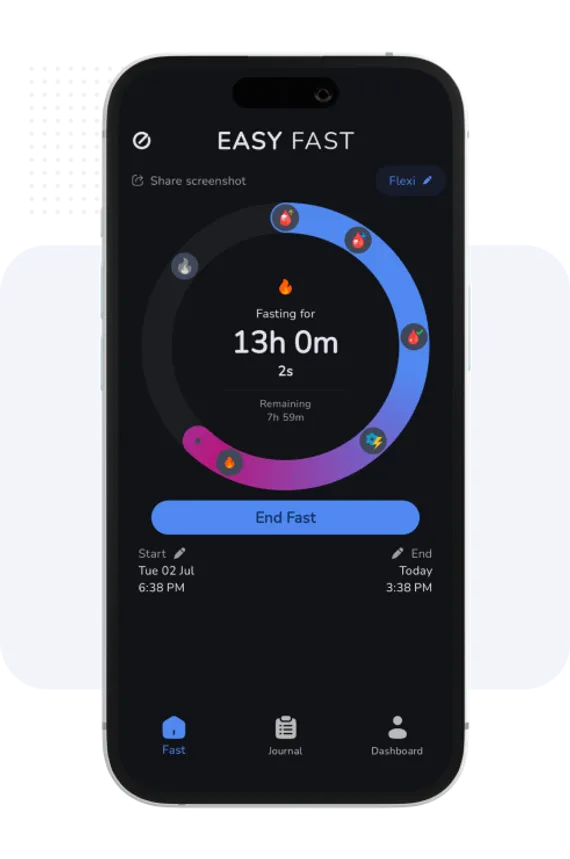
Easy Fast — Intermittent Fasting Tracker | No Ads
Lose weight with personalized fasting programs. Trusted by 1.8M+ fasters. No ads, no account needed. Track fasts, weight, water & more. 4.9★ rated.easyfastapp.com
Note: I do not recommend going over 72 hours with no food to anyone who is inexperienced.
But 2based I'm sooo hungryyy
Hunger is something that you WILL struggle with in the start, but there are ways to curb this without breaking your fast, such as black coffee, tea (NO SUGAR OR MILK OBVIOUSLY), electrolytes will fill you up temporarily, but we all know that it will only last 10 minutes, so unfortunately it is more so about your willpower. Controlling your hunger is something that will come naturally however if you fast consistently, it does not have to be extreme. Starving yourself is different to fasting and has many negatives. Fasting aims to work on your metabolic function, gut health and regulates various hormones (see above) compared to depriving yourself of nutrients in the name of 'muh skinny'.
While drinking water and electrolytes is futile in terms of keeping your hunger at bay, I cannot stress their importance enough during a fast. During a fast, you may experience a loss of fluids and minerals as your insulin levels drop, as the kidneys excrete sodium. Water follows sodium and this can lead to rapid dehydration and/or deficiency in key minerals such as magnesium and potassium. Electrolytes therefore are essential for maintaining an even electrical concentration gradient across cell membranes, and without them you are more susceptible to symptoms ranging from so called 'keto flu' and mild cramping to potentially life threatening cardiac arrhythmia, as your nervous system and muscles rely on electrical signals to function.
Note: over hydrating with water can flush remaining electrolytes faster
Should I fast if I'm trying to gain muscle weight?
Gymcels GTFIH
View attachment 292242Its not hard to understand that your performance will be affected negatively if you don't eat for 6 days before exercising, so do not be misled by graphs like picrel. I generally do not recommend an intense workout fasted, you're more likely to injure yourself and you will not perform well as you didn't have any food prior.
graph TLDR:
As you can see, all power and oxygen consumption goes down, decreasing performance. This is due to the fact your body is in a deep state of ketosis (your body is relying heavily on ketones and fatty acids for energy), which is not optimal for lifting as your blood sugar is ridiculously low so long into fasting, so if you're doing a prolonged fast the most optimal exercises are just light cardio.
Trying to do an intense workout in this phase is detrimental to your muscles, even though it burns fat at a ridiculous rate.
HOWEVER.
View attachment 292301
Consistent (intermittent) fasting consistently yields undeniable results in areas such as maximum fat oxidation (will be referred to as MFO from now), as shown on the graph.
'buuut 2based, i'm just a forum rotting sperg, I don't know what any of these strange words are!'
View attachment 292241
What are these words 2based? What is their significance?
MFO (Figure I,J): MFO refers to the highest rate that the body can burn fat at for energy during exercise. So when the graph shows the MFO rate going up significantly, this means that your body is more suited to endurance tests. Additionally a higher MFO rate is beneficial for insulin sensitivity and reduced metabolic risk factors.
Gymcel notes: great for endurance training as it adapts your body to not rely solely on carbohydrate sources for energy.
RER (Figure F) : Ratio of gas exchange in the lungs, reflecting cellular respiration. RER is used to determine aerobic capacity and cardiovascular capacity. In this case it helps identify the subject's ability to switch between burning carbs compared to burning fat. As you can see in the graph, the subject's resting rate drops significantly, meaning there has been a decrease in the resting heart rate as well as the improved burning of fat as opposed to consumed carbs.
Blood Lactate (Figure K): Blood lactate is a byproduct of anaerobic (no oxygen) metabolism, produced when cells break down glucose for energy. This is common during intense exercise. As you can see after the fast, there has been a decrease in the lactate produced. Although the drop is not all that significant, it still will improve athletic performance as you get a longer window of intense exercise before your muscles cramp and you become a spaz.
yeye ik 99% of you are DNRing BUT YES you should fast intermittently for improved performance, just don't get anorexic about it.
stay based. (like me, duh)
thank you to the autists that made it this far, luv you all
thank u to chadfishing @tonisworld for suggesting I make a guide on this topic
Sources:

Fibroblast growth factor 21 - Wikipedia
en.wikipedia.org

β-Hydroxybutyric acid - Wikipedia
Maximal Fat Oxidation during Incremental Upper and Lower Body Exercise in Healthy Young Males - PMC
The aim of this study is to determine the magnitude of maximal fat oxidation (MFO) during incremental upper and lower body exercise. Thirteen non-specifically trained male participants (19.3 ± 0.5 y, 78.1 ± 9.1 kg body mass) volunteered for this ...pmc.ncbi.nlm.nih.gov
Lactate Profile | UC Davis Sports Medicine
health.ucdavis.edu

GDF15 - Wikipedia
shameless mass tag
@Blackpillirony @Spuffy @2ANA @nate @Cat. @Monsieur Meow @Schizotypalcel @Starlet @moonlight1 @Newday @Marlonmogsyouhaha @sociopath @Garce @Glamour @David🦢 @97baHater @rickydickydoodahgrimes @Currycelloser @Auggy @apatheia @snow @snoblomov @RRM @Yani @Dean @Clone @yung foid @huntergirl @giga.mia @tuberculosisinmybal @hazyfuture @</3 @kimothy @muscipla @Randomized Shame @SASALELE @draftLexy @Ghoultune @Molotongo @Galvatron @Sadist @sociopath @Orka @Volksstaffel @2Beau @AClonedTyrone @BigDihDiddy @Bloxy @bloatcel- @Decay @doll @ecoli @emeraldpill @foidslayer22 @imareasonableman @Inanimate Pragmatist @kifykify @Krusty @milkjar @P1et @PingPong @Randomized Shame @insomnia @RottingCarrie @ruby @Shkypot @SILVER @sparkle @Superior @Tory @Vampi @vespertine @Xx_SteinbergCleanser_xX @Xyn @xy2m @ZyzzReincarnate @sparkle jump rope queen

'2based what is fasting? How do I become an intellectual regarding my eating habits (like you)?'This guide will cover everything you need to know about fasting, what it is, how to fast based on your goals, how to break your fast for best results and all the benefits that come with fasting (with evidence for the rotters that might actually read).
Music for the thread:
≽^•⩊•^≼ ♡
What is fasting? (for dummies)
Fasting refers to the abstinence of food for a certain period of time, allowing the body to trigger a set of metabolic and hormonal responses from the body.What are the benefits?
As blood glucose falls 3-5 hours after a meal, insulin levels drop and glucagon rises, shifting the body from glucose use to glycogenolysis (breaking down stored glycogen) and then lipolysis, where stored fat is released as fatty acids.
The liver converts these fatty acids into ketone bodies (ketogenesis), which serve as an alternative fuel for the brain and muscles.
Prolonged fasting (24-48+ hours) activates autophagy, a cellular repairing and recycling process that removes damaged components, and increases insulin sensitivity while reducing inflammation markers. These processes reflect a transition from an overfed storage state (unfortunately more common than not nowadays) to a repair and fat burning state.
It should be mentioned however that for women fasting should be treated differently. The female body has a very finely tuned sensitivity in regards to the endocrine system, as they are wired to prioritise fertility and resource availability, extreme or frequent caloric restriction can trigger a stress response, which can lead to a disruption in the pulsatile release of gonadotropin releasing hormone (basically fucks up your menstrual cycle), or even bone density loss. Additionally, excessive fasting may lead to a spiked cortisol level, which can affect your sleep quality, anxiety and hair/skin quality.
Benefits explained (autist ver.)
- Metabolic health improvement
- Enhances insulin sensitivity, and uptake of fat stores
- Controlled insulin levels and structured eating windows reduce can cravings and focus on breaking down existing energy stores
View attachment 292300
BHB (Figure A): Short for Beta Hydroxybutyrate, is one of the most important ketones involved in the fasting process, acting similar to a hormone. As your insulin levels drop with your fast, your liver breaks down fat stores into BHB, which acts as a signalling molecule that is responsible for a survival response during 'food scarcity' (your fast). It is released into your bloodstream where it suppresses systemic inflammation by inhibiting the NLRP3 inflammasome and protects DNA by acting as a HDAC inhibitor (basically promote more transcriptionally active chromatin structure, all you need to know is that this is good). During fasts there is a period of time where you will feel really good, some may liken it to a 'high' but its not particularly mindblowing imo, BHB is responsible for this. From a caveman perspective this is essentially so you can function at peak performance even without a direct food source.
Glycerol (Figure B): Glycerol acts as a bridge between your fat metabolism and your blood sugar homeostaasis (maintaining a steady level). As you break down your fat stores ,triglycerides, for energy, each triglyceride molecule splits into 3 fatty acids and a glycerol backbone. The fatty acids are converted into BHB ketones (see above), the glycerol here undergoes glucogenesis. This means its converted into glucose aka sugar which provides an energy source for some specialised cells such as your red blood cells which are unable to run on ketones alone. Basically glycerol ensures that even without food you are able to maintain a safe blood glucose level.
Leptin (Figure C): Leptin levels also drop during your fast as your body detects a decrease in energy intake and the uptake of fat cells. Leptin is the hormone that makes you feel full, and is produced by adipose tissue (metabolically active tissue, stores energy and protects organs type shiet). The drop in leptin levels signals a starvation response to conserve energy and regulate non essential processes to prioritise survival. while this is water, this is useful as once you DO eat, the hormone is more effective at signalling fullness due to your changed leptin sensitivity, meaning you'll feel generally less hungry if you keep fasting consistently.
Activin A (Figure D): Rise in Activin A coordinates metabolic shift, and it acts as a brake on muscle growth, but fear not because BHB pretty much counteracts this and protects your prized muscles from potentially catabolic effects of elevated Activin A.
FG21 (Figure E): Stimulates lipolysis (fat breakdown) in response to low glycogen levels. Directs liver to produce BHB ketones (again see above), and suppresses food cravings. TLDR, is responsible for improving insulin sensitivity and metabolic flexibility.
Follistatin (Figure F): Follistatin acts as a muscle conserver by neutralizing the growth-inhibiting effects of proteins like Myostatin and Actavin A. While fasting typically triggers catabolic (detrimental for muscle) signals to conserve energy, the body increases Follistatin expression to prevent excessive muscle wasting. By binding to and deactivating these inhibitory signals, Follistatin helps maintain lean tissue mass even when there is no caloric intake, ensuring that the body primarily burns fat for fuel instead of breaking down muscle or organ tissue.
GDF15 (Figure G): GDF15 is a stress response hormone that helps regulate energy and food intake cravings. Produced by various tissues including the liver and kidneys, GDF15 levels rise as the body undergoes metabolic stress from a lack of caloric intake. GDF15 binds to a the GFRAL receptor in the brain, signalling a suppression in appetite. In some people like myself this causes a feeling of repulsion towards food, acting as a natural signal to stop food consumption. This is useful as it prevents overeating once you break your fast. This is a protective mechanism that helps the body rely more on fat oxidation while maintaining metabolic homeostasis.
How do I start?
A very useful app is EasyFast, I use it a lot and if you're a beginner its useful to see what stages you're in.
If you've never tried fasting at all, I recommend intermittent fasting as opposed to immediately going into starving yourself for 10 days, don't be retarded about it. A good place to start is the 16:8, where you fast for 16 hours and have an 8 hour window where you eat. Once you can do this habitually, try one meal a day (OMAD) to see how well you can cope with that. Once OMAD is easily achievable, try a 24 hour fast and you can keep doing this up until 2-3 day fasts, which you should aim to do once a month or so.Easy Fast — Intermittent Fasting Tracker | No Ads
Lose weight with personalized fasting programs. Trusted by 1.8M+ fasters. No ads, no account needed. Track fasts, weight, water & more. 4.9★ rated.
Note: I do not recommend going over 72 hours with no food to anyone who is inexperienced.
But 2based I'm sooo hungryyy
Hunger is something that you WILL struggle with in the start, but there are ways to curb this without breaking your fast, such as black coffee, tea (NO SUGAR OR MILK OBVIOUSLY), electrolytes will fill you up temporarily, but we all know that it will only last 10 minutes, so unfortunately it is more so about your willpower. Controlling your hunger is something that will come naturally however if you fast consistently, it does not have to be extreme. Starving yourself is different to fasting and has many negatives. Fasting aims to work on your metabolic function, gut health and regulates various hormones (see above) compared to depriving yourself of nutrients in the name of 'muh skinny'.
While drinking water and electrolytes is futile in terms of keeping your hunger at bay, I cannot stress their importance enough during a fast. During a fast, you may experience a loss of fluids and minerals as your insulin levels drop, as the kidneys excrete sodium. Water follows sodium and this can lead to rapid dehydration and/or deficiency in key minerals such as magnesium and potassium. Electrolytes therefore are essential for maintaining an even electrical concentration gradient across cell membranes, and without them you are more susceptible to symptoms ranging from so called 'keto flu' and mild cramping to potentially life threatening cardiac arrhythmia, as your nervous system and muscles rely on electrical signals to function.
Note: over hydrating with water can flush remaining electrolytes faster
Should I fast if I'm trying to gain muscle weight?
Gymcels GTFIH
View attachment 292242Its not hard to understand that your performance will be affected negatively if you don't eat for 6 days before exercising, so do not be misled by graphs like picrel. I generally do not recommend an intense workout fasted, you're more likely to injure yourself and you will not perform well as you didn't have any food prior.
graph TLDR:
As you can see, all power and oxygen consumption goes down, decreasing performance. This is due to the fact your body is in a deep state of ketosis (your body is relying heavily on ketones and fatty acids for energy), which is not optimal for lifting as your blood sugar is ridiculously low so long into fasting, so if you're doing a prolonged fast the most optimal exercises are just light cardio.
Trying to do an intense workout in this phase is detrimental to your muscles, even though it burns fat at a ridiculous rate.
HOWEVER.
View attachment 292301
Consistent (intermittent) fasting consistently yields undeniable results in areas such as maximum fat oxidation (will be referred to as MFO from now), as shown on the graph.
'buuut 2based, i'm just a forum rotting sperg, I don't know what any of these strange words are!'
View attachment 292241
What are these words 2based? What is their significance?
MFO (Figure I,J): MFO refers to the highest rate that the body can burn fat at for energy during exercise. So when the graph shows the MFO rate going up significantly, this means that your body is more suited to endurance tests. Additionally a higher MFO rate is beneficial for insulin sensitivity and reduced metabolic risk factors.
Gymcel notes: great for endurance training as it adapts your body to not rely solely on carbohydrate sources for energy.
RER (Figure F) : Ratio of gas exchange in the lungs, reflecting cellular respiration. RER is used to determine aerobic capacity and cardiovascular capacity. In this case it helps identify the subject's ability to switch between burning carbs compared to burning fat. As you can see in the graph, the subject's resting rate drops significantly, meaning there has been a decrease in the resting heart rate as well as the improved burning of fat as opposed to consumed carbs.
Blood Lactate (Figure K): Blood lactate is a byproduct of anaerobic (no oxygen) metabolism, produced when cells break down glucose for energy. This is common during intense exercise. As you can see after the fast, there has been a decrease in the lactate produced. Although the drop is not all that significant, it still will improve athletic performance as you get a longer window of intense exercise before your muscles cramp and you become a spaz.
yeye ik 99% of you are DNRing BUT YES you should fast intermittently for improved performance, just don't get anorexic about it.
stay based. (like me, duh)
thank you to the autists that made it this far, luv you all
thank u to chadfishing @tonisworld for suggesting I make a guide on this topic
Sources:
Fibroblast growth factor 21 - Wikipedia
β-Hydroxybutyric acid - Wikipedia
Maximal Fat Oxidation during Incremental Upper and Lower Body Exercise in Healthy Young Males - PMC
The aim of this study is to determine the magnitude of maximal fat oxidation (MFO) during incremental upper and lower body exercise. Thirteen non-specifically trained male participants (19.3 ± 0.5 y, 78.1 ± 9.1 kg body mass) volunteered for this ...Lactate Profile | UC Davis Sports Medicine
GDF15 - Wikipedia
shameless mass tag
@Blackpillirony @Spuffy @2ANA @nate @Cat. @Monsieur Meow @Schizotypalcel @Starlet @moonlight1 @Newday @Marlonmogsyouhaha @sociopath @Garce @Glamour @David🦢 @97baHater @rickydickydoodahgrimes @Currycelloser @Auggy @apatheia @snow @snoblomov @RRM @Yani @Dean @Clone @yung foid @huntergirl @giga.mia @tuberculosisinmybal @hazyfuture @</3 @kimothy @muscipla @Randomized Shame @SASALELE @draftLexy @Ghoultune @Molotongo @Galvatron @Sadist @sociopath @Orka @Volksstaffel @2Beau @AClonedTyrone @BigDihDiddy @Bloxy @bloatcel- @Decay @doll @ecoli @emeraldpill @foidslayer22 @imareasonableman @Inanimate Pragmatist @kifykify @Krusty @milkjar @P1et @PingPong @Randomized Shame @insomnia @RottingCarrie @ruby @Shkypot @SILVER @sparkle @Superior @Tory @Vampi @vespertine @Xx_SteinbergCleanser_xX @Xyn @xy2m @ZyzzReincarnate @sparkle jump rope queen


'2based what is fasting? How do I become an intellectual regarding my eating habits (like you)?'This guide will cover everything you need to know about fasting, what it is, how to fast based on your goals, how to break your fast for best results and all the benefits that come with fasting (with evidence for the rotters that might actually read).
Music for the thread:
≽^•⩊•^≼ ♡
What is fasting? (for dummies)
Fasting refers to the abstinence of food for a certain period of time, allowing the body to trigger a set of metabolic and hormonal responses from the body.What are the benefits?
As blood glucose falls 3-5 hours after a meal, insulin levels drop and glucagon rises, shifting the body from glucose use to glycogenolysis (breaking down stored glycogen) and then lipolysis, where stored fat is released as fatty acids.
The liver converts these fatty acids into ketone bodies (ketogenesis), which serve as an alternative fuel for the brain and muscles.
Prolonged fasting (24-48+ hours) activates autophagy, a cellular repairing and recycling process that removes damaged components, and increases insulin sensitivity while reducing inflammation markers. These processes reflect a transition from an overfed storage state (unfortunately more common than not nowadays) to a repair and fat burning state.
It should be mentioned however that for women fasting should be treated differently. The female body has a very finely tuned sensitivity in regards to the endocrine system, as they are wired to prioritise fertility and resource availability, extreme or frequent caloric restriction can trigger a stress response, which can lead to a disruption in the pulsatile release of gonadotropin releasing hormone (basically fucks up your menstrual cycle), or even bone density loss. Additionally, excessive fasting may lead to a spiked cortisol level, which can affect your sleep quality, anxiety and hair/skin quality.
Benefits explained (autist ver.)
- Metabolic health improvement
- Enhances insulin sensitivity, and uptake of fat stores
- Controlled insulin levels and structured eating windows reduce can cravings and focus on breaking down existing energy stores
View attachment 292300
BHB (Figure A): Short for Beta Hydroxybutyrate, is one of the most important ketones involved in the fasting process, acting similar to a hormone. As your insulin levels drop with your fast, your liver breaks down fat stores into BHB, which acts as a signalling molecule that is responsible for a survival response during 'food scarcity' (your fast). It is released into your bloodstream where it suppresses systemic inflammation by inhibiting the NLRP3 inflammasome and protects DNA by acting as a HDAC inhibitor (basically promote more transcriptionally active chromatin structure, all you need to know is that this is good). During fasts there is a period of time where you will feel really good, some may liken it to a 'high' but its not particularly mindblowing imo, BHB is responsible for this. From a caveman perspective this is essentially so you can function at peak performance even without a direct food source.
Glycerol (Figure B): Glycerol acts as a bridge between your fat metabolism and your blood sugar homeostaasis (maintaining a steady level). As you break down your fat stores ,triglycerides, for energy, each triglyceride molecule splits into 3 fatty acids and a glycerol backbone. The fatty acids are converted into BHB ketones (see above), the glycerol here undergoes glucogenesis. This means its converted into glucose aka sugar which provides an energy source for some specialised cells such as your red blood cells which are unable to run on ketones alone. Basically glycerol ensures that even without food you are able to maintain a safe blood glucose level.
Leptin (Figure C): Leptin levels also drop during your fast as your body detects a decrease in energy intake and the uptake of fat cells. Leptin is the hormone that makes you feel full, and is produced by adipose tissue (metabolically active tissue, stores energy and protects organs type shiet). The drop in leptin levels signals a starvation response to conserve energy and regulate non essential processes to prioritise survival. while this is water, this is useful as once you DO eat, the hormone is more effective at signalling fullness due to your changed leptin sensitivity, meaning you'll feel generally less hungry if you keep fasting consistently.
Activin A (Figure D): Rise in Activin A coordinates metabolic shift, and it acts as a brake on muscle growth, but fear not because BHB pretty much counteracts this and protects your prized muscles from potentially catabolic effects of elevated Activin A.
FG21 (Figure E): Stimulates lipolysis (fat breakdown) in response to low glycogen levels. Directs liver to produce BHB ketones (again see above), and suppresses food cravings. TLDR, is responsible for improving insulin sensitivity and metabolic flexibility.
Follistatin (Figure F): Follistatin acts as a muscle conserver by neutralizing the growth-inhibiting effects of proteins like Myostatin and Actavin A. While fasting typically triggers catabolic (detrimental for muscle) signals to conserve energy, the body increases Follistatin expression to prevent excessive muscle wasting. By binding to and deactivating these inhibitory signals, Follistatin helps maintain lean tissue mass even when there is no caloric intake, ensuring that the body primarily burns fat for fuel instead of breaking down muscle or organ tissue.
GDF15 (Figure G): GDF15 is a stress response hormone that helps regulate energy and food intake cravings. Produced by various tissues including the liver and kidneys, GDF15 levels rise as the body undergoes metabolic stress from a lack of caloric intake. GDF15 binds to a the GFRAL receptor in the brain, signalling a suppression in appetite. In some people like myself this causes a feeling of repulsion towards food, acting as a natural signal to stop food consumption. This is useful as it prevents overeating once you break your fast. This is a protective mechanism that helps the body rely more on fat oxidation while maintaining metabolic homeostasis.
How do I start?
A very useful app is EasyFast, I use it a lot and if you're a beginner its useful to see what stages you're in.
If you've never tried fasting at all, I recommend intermittent fasting as opposed to immediately going into starving yourself for 10 days, don't be retarded about it. A good place to start is the 16:8, where you fast for 16 hours and have an 8 hour window where you eat. Once you can do this habitually, try one meal a day (OMAD) to see how well you can cope with that. Once OMAD is easily achievable, try a 24 hour fast and you can keep doing this up until 2-3 day fasts, which you should aim to do once a month or so.Easy Fast — Intermittent Fasting Tracker | No Ads
Lose weight with personalized fasting programs. Trusted by 1.8M+ fasters. No ads, no account needed. Track fasts, weight, water & more. 4.9★ rated.
Note: I do not recommend going over 72 hours with no food to anyone who is inexperienced.
But 2based I'm sooo hungryyy
Hunger is something that you WILL struggle with in the start, but there are ways to curb this without breaking your fast, such as black coffee, tea (NO SUGAR OR MILK OBVIOUSLY), electrolytes will fill you up temporarily, but we all know that it will only last 10 minutes, so unfortunately it is more so about your willpower. Controlling your hunger is something that will come naturally however if you fast consistently, it does not have to be extreme. Starving yourself is different to fasting and has many negatives. Fasting aims to work on your metabolic function, gut health and regulates various hormones (see above) compared to depriving yourself of nutrients in the name of 'muh skinny'.
While drinking water and electrolytes is futile in terms of keeping your hunger at bay, I cannot stress their importance enough during a fast. During a fast, you may experience a loss of fluids and minerals as your insulin levels drop, as the kidneys excrete sodium. Water follows sodium and this can lead to rapid dehydration and/or deficiency in key minerals such as magnesium and potassium. Electrolytes therefore are essential for maintaining an even electrical concentration gradient across cell membranes, and without them you are more susceptible to symptoms ranging from so called 'keto flu' and mild cramping to potentially life threatening cardiac arrhythmia, as your nervous system and muscles rely on electrical signals to function.
Note: over hydrating with water can flush remaining electrolytes faster
Should I fast if I'm trying to gain muscle weight?
Gymcels GTFIH
View attachment 292242Its not hard to understand that your performance will be affected negatively if you don't eat for 6 days before exercising, so do not be misled by graphs like picrel. I generally do not recommend an intense workout fasted, you're more likely to injure yourself and you will not perform well as you didn't have any food prior.
graph TLDR:
As you can see, all power and oxygen consumption goes down, decreasing performance. This is due to the fact your body is in a deep state of ketosis (your body is relying heavily on ketones and fatty acids for energy), which is not optimal for lifting as your blood sugar is ridiculously low so long into fasting, so if you're doing a prolonged fast the most optimal exercises are just light cardio.
Trying to do an intense workout in this phase is detrimental to your muscles, even though it burns fat at a ridiculous rate.
HOWEVER.
View attachment 292301
Consistent (intermittent) fasting consistently yields undeniable results in areas such as maximum fat oxidation (will be referred to as MFO from now), as shown on the graph.
'buuut 2based, i'm just a forum rotting sperg, I don't know what any of these strange words are!'
View attachment 292241
What are these words 2based? What is their significance?
MFO (Figure I,J): MFO refers to the highest rate that the body can burn fat at for energy during exercise. So when the graph shows the MFO rate going up significantly, this means that your body is more suited to endurance tests. Additionally a higher MFO rate is beneficial for insulin sensitivity and reduced metabolic risk factors.
Gymcel notes: great for endurance training as it adapts your body to not rely solely on carbohydrate sources for energy.
RER (Figure F) : Ratio of gas exchange in the lungs, reflecting cellular respiration. RER is used to determine aerobic capacity and cardiovascular capacity. In this case it helps identify the subject's ability to switch between burning carbs compared to burning fat. As you can see in the graph, the subject's resting rate drops significantly, meaning there has been a decrease in the resting heart rate as well as the improved burning of fat as opposed to consumed carbs.
Blood Lactate (Figure K): Blood lactate is a byproduct of anaerobic (no oxygen) metabolism, produced when cells break down glucose for energy. This is common during intense exercise. As you can see after the fast, there has been a decrease in the lactate produced. Although the drop is not all that significant, it still will improve athletic performance as you get a longer window of intense exercise before your muscles cramp and you become a spaz.
yeye ik 99% of you are DNRing BUT YES you should fast intermittently for improved performance, just don't get anorexic about it.
stay based. (like me, duh)
thank you to the autists that made it this far, luv you all
thank u to chadfishing @tonisworld for suggesting I make a guide on this topic
Sources:
Fibroblast growth factor 21 - Wikipedia
β-Hydroxybutyric acid - Wikipedia
Maximal Fat Oxidation during Incremental Upper and Lower Body Exercise in Healthy Young Males - PMC
The aim of this study is to determine the magnitude of maximal fat oxidation (MFO) during incremental upper and lower body exercise. Thirteen non-specifically trained male participants (19.3 ± 0.5 y, 78.1 ± 9.1 kg body mass) volunteered for this ...Lactate Profile | UC Davis Sports Medicine
GDF15 - Wikipedia
shameless mass tag
@Blackpillirony @Spuffy @2ANA @nate @Cat. @Monsieur Meow @Schizotypalcel @Starlet @moonlight1 @Newday @Marlonmogsyouhaha @sociopath @Garce @Glamour @David🦢 @97baHater @rickydickydoodahgrimes @Currycelloser @Auggy @apatheia @snow @snoblomov @RRM @Yani @Dean @Clone @yung foid @huntergirl @giga.mia @tuberculosisinmybal @hazyfuture @</3 @kimothy @muscipla @Randomized Shame @SASALELE @draftLexy @Ghoultune @Molotongo @Galvatron @Sadist @sociopath @Orka @Volksstaffel @2Beau @AClonedTyrone @BigDihDiddy @Bloxy @bloatcel- @Decay @doll @ecoli @emeraldpill @foidslayer22 @imareasonableman @Inanimate Pragmatist @kifykify @Krusty @milkjar @P1et @PingPong @Randomized Shame @insomnia @RottingCarrie @ruby @Shkypot @SILVER @sparkle @Superior @Tory @Vampi @vespertine @Xx_SteinbergCleanser_xX @Xyn @xy2m @ZyzzReincarnate @sparkle jump rope queen
thank u snow <3Ur so goated
yea its goatedwhen you get used to fasting you don’t even end up feeling hungry at all eventually
Yeah when your body Adapts ofcwhen you get used to fasting you don’t even end up feeling hungry at all eventually

'2based what is fasting? How do I become an intellectual regarding my eating habits (like you)?'This guide will cover everything you need to know about fasting, what it is, how to fast based on your goals, how to break your fast for best results and all the benefits that come with fasting (with evidence for the rotters that might actually read).
Music for the thread:
≽^•⩊•^≼ ♡
What is fasting? (for dummies)
Fasting refers to the abstinence of food for a certain period of time, allowing the body to trigger a set of metabolic and hormonal responses from the body.What are the benefits?
As blood glucose falls 3-5 hours after a meal, insulin levels drop and glucagon rises, shifting the body from glucose use to glycogenolysis (breaking down stored glycogen) and then lipolysis, where stored fat is released as fatty acids.
The liver converts these fatty acids into ketone bodies (ketogenesis), which serve as an alternative fuel for the brain and muscles.
Prolonged fasting (24-48+ hours) activates autophagy, a cellular repairing and recycling process that removes damaged components, and increases insulin sensitivity while reducing inflammation markers. These processes reflect a transition from an overfed storage state (unfortunately more common than not nowadays) to a repair and fat burning state.
It should be mentioned however that for women fasting should be treated differently. The female body has a very finely tuned sensitivity in regards to the endocrine system, as they are wired to prioritise fertility and resource availability, extreme or frequent caloric restriction can trigger a stress response, which can lead to a disruption in the pulsatile release of gonadotropin releasing hormone (basically fucks up your menstrual cycle), or even bone density loss. Additionally, excessive fasting may lead to a spiked cortisol level, which can affect your sleep quality, anxiety and hair/skin quality.
Benefits explained (autist ver.)
- Metabolic health improvement
- Enhances insulin sensitivity, and uptake of fat stores
- Controlled insulin levels and structured eating windows reduce can cravings and focus on breaking down existing energy stores
View attachment 292300
BHB (Figure A): Short for Beta Hydroxybutyrate, is one of the most important ketones involved in the fasting process, acting similar to a hormone. As your insulin levels drop with your fast, your liver breaks down fat stores into BHB, which acts as a signalling molecule that is responsible for a survival response during 'food scarcity' (your fast). It is released into your bloodstream where it suppresses systemic inflammation by inhibiting the NLRP3 inflammasome and protects DNA by acting as a HDAC inhibitor (basically promote more transcriptionally active chromatin structure, all you need to know is that this is good). During fasts there is a period of time where you will feel really good, some may liken it to a 'high' but its not particularly mindblowing imo, BHB is responsible for this. From a caveman perspective this is essentially so you can function at peak performance even without a direct food source.
Glycerol (Figure B): Glycerol acts as a bridge between your fat metabolism and your blood sugar homeostaasis (maintaining a steady level). As you break down your fat stores ,triglycerides, for energy, each triglyceride molecule splits into 3 fatty acids and a glycerol backbone. The fatty acids are converted into BHB ketones (see above), the glycerol here undergoes glucogenesis. This means its converted into glucose aka sugar which provides an energy source for some specialised cells such as your red blood cells which are unable to run on ketones alone. Basically glycerol ensures that even without food you are able to maintain a safe blood glucose level.
Leptin (Figure C): Leptin levels also drop during your fast as your body detects a decrease in energy intake and the uptake of fat cells. Leptin is the hormone that makes you feel full, and is produced by adipose tissue (metabolically active tissue, stores energy and protects organs type shiet). The drop in leptin levels signals a starvation response to conserve energy and regulate non essential processes to prioritise survival. while this is water, this is useful as once you DO eat, the hormone is more effective at signalling fullness due to your changed leptin sensitivity, meaning you'll feel generally less hungry if you keep fasting consistently.
Activin A (Figure D): Rise in Activin A coordinates metabolic shift, and it acts as a brake on muscle growth, but fear not because BHB pretty much counteracts this and protects your prized muscles from potentially catabolic effects of elevated Activin A.
FG21 (Figure E): Stimulates lipolysis (fat breakdown) in response to low glycogen levels. Directs liver to produce BHB ketones (again see above), and suppresses food cravings. TLDR, is responsible for improving insulin sensitivity and metabolic flexibility.
Follistatin (Figure F): Follistatin acts as a muscle conserver by neutralizing the growth-inhibiting effects of proteins like Myostatin and Actavin A. While fasting typically triggers catabolic (detrimental for muscle) signals to conserve energy, the body increases Follistatin expression to prevent excessive muscle wasting. By binding to and deactivating these inhibitory signals, Follistatin helps maintain lean tissue mass even when there is no caloric intake, ensuring that the body primarily burns fat for fuel instead of breaking down muscle or organ tissue.
GDF15 (Figure G): GDF15 is a stress response hormone that helps regulate energy and food intake cravings. Produced by various tissues including the liver and kidneys, GDF15 levels rise as the body undergoes metabolic stress from a lack of caloric intake. GDF15 binds to a the GFRAL receptor in the brain, signalling a suppression in appetite. In some people like myself this causes a feeling of repulsion towards food, acting as a natural signal to stop food consumption. This is useful as it prevents overeating once you break your fast. This is a protective mechanism that helps the body rely more on fat oxidation while maintaining metabolic homeostasis.
How do I start?
A very useful app is EasyFast, I use it a lot and if you're a beginner its useful to see what stages you're in.
If you've never tried fasting at all, I recommend intermittent fasting as opposed to immediately going into starving yourself for 10 days, don't be retarded about it. A good place to start is the 16:8, where you fast for 16 hours and have an 8 hour window where you eat. Once you can do this habitually, try one meal a day (OMAD) to see how well you can cope with that. Once OMAD is easily achievable, try a 24 hour fast and you can keep doing this up until 2-3 day fasts, which you should aim to do once a month or so.Easy Fast — Intermittent Fasting Tracker | No Ads
Lose weight with personalized fasting programs. Trusted by 1.8M+ fasters. No ads, no account needed. Track fasts, weight, water & more. 4.9★ rated.
Note: I do not recommend going over 72 hours with no food to anyone who is inexperienced.
But 2based I'm sooo hungryyy
Hunger is something that you WILL struggle with in the start, but there are ways to curb this without breaking your fast, such as black coffee, tea (NO SUGAR OR MILK OBVIOUSLY), electrolytes will fill you up temporarily, but we all know that it will only last 10 minutes, so unfortunately it is more so about your willpower. Controlling your hunger is something that will come naturally however if you fast consistently, it does not have to be extreme. Starving yourself is different to fasting and has many negatives. Fasting aims to work on your metabolic function, gut health and regulates various hormones (see above) compared to depriving yourself of nutrients in the name of 'muh skinny'.
While drinking water and electrolytes is futile in terms of keeping your hunger at bay, I cannot stress their importance enough during a fast. During a fast, you may experience a loss of fluids and minerals as your insulin levels drop, as the kidneys excrete sodium. Water follows sodium and this can lead to rapid dehydration and/or deficiency in key minerals such as magnesium and potassium. Electrolytes therefore are essential for maintaining an even electrical concentration gradient across cell membranes, and without them you are more susceptible to symptoms ranging from so called 'keto flu' and mild cramping to potentially life threatening cardiac arrhythmia, as your nervous system and muscles rely on electrical signals to function.
Note: over hydrating with water can flush remaining electrolytes faster
Should I fast if I'm trying to gain muscle weight?
Gymcels GTFIH
View attachment 292242Its not hard to understand that your performance will be affected negatively if you don't eat for 6 days before exercising, so do not be misled by graphs like picrel. I generally do not recommend an intense workout fasted, you're more likely to injure yourself and you will not perform well as you didn't have any food prior.
graph TLDR:
As you can see, all power and oxygen consumption goes down, decreasing performance. This is due to the fact your body is in a deep state of ketosis (your body is relying heavily on ketones and fatty acids for energy), which is not optimal for lifting as your blood sugar is ridiculously low so long into fasting, so if you're doing a prolonged fast the most optimal exercises are just light cardio.
Trying to do an intense workout in this phase is detrimental to your muscles, even though it burns fat at a ridiculous rate.
HOWEVER.
View attachment 292301
Consistent (intermittent) fasting consistently yields undeniable results in areas such as maximum fat oxidation (will be referred to as MFO from now), as shown on the graph.
'buuut 2based, i'm just a forum rotting sperg, I don't know what any of these strange words are!'
View attachment 292241
What are these words 2based? What is their significance?
MFO (Figure I,J): MFO refers to the highest rate that the body can burn fat at for energy during exercise. So when the graph shows the MFO rate going up significantly, this means that your body is more suited to endurance tests. Additionally a higher MFO rate is beneficial for insulin sensitivity and reduced metabolic risk factors.
Gymcel notes: great for endurance training as it adapts your body to not rely solely on carbohydrate sources for energy.
RER (Figure F) : Ratio of gas exchange in the lungs, reflecting cellular respiration. RER is used to determine aerobic capacity and cardiovascular capacity. In this case it helps identify the subject's ability to switch between burning carbs compared to burning fat. As you can see in the graph, the subject's resting rate drops significantly, meaning there has been a decrease in the resting heart rate as well as the improved burning of fat as opposed to consumed carbs.
Blood Lactate (Figure K): Blood lactate is a byproduct of anaerobic (no oxygen) metabolism, produced when cells break down glucose for energy. This is common during intense exercise. As you can see after the fast, there has been a decrease in the lactate produced. Although the drop is not all that significant, it still will improve athletic performance as you get a longer window of intense exercise before your muscles cramp and you become a spaz.
yeye ik 99% of you are DNRing BUT YES you should fast intermittently for improved performance, just don't get anorexic about it.
stay based. (like me, duh)
thank you to the autists that made it this far, luv you all
thank u to chadfishing @tonisworld for suggesting I make a guide on this topic
Sources:
Fibroblast growth factor 21 - Wikipedia
β-Hydroxybutyric acid - Wikipedia
Maximal Fat Oxidation during Incremental Upper and Lower Body Exercise in Healthy Young Males - PMC
The aim of this study is to determine the magnitude of maximal fat oxidation (MFO) during incremental upper and lower body exercise. Thirteen non-specifically trained male participants (19.3 ± 0.5 y, 78.1 ± 9.1 kg body mass) volunteered for this ...Lactate Profile | UC Davis Sports Medicine
GDF15 - Wikipedia
shameless mass tag
@Blackpillirony @Spuffy @2ANA @nate @Cat. @Monsieur Meow @Schizotypalcel @Starlet @moonlight1 @Newday @Marlonmogsyouhaha @sociopath @Garce @Glamour @David🦢 @97baHater @rickydickydoodahgrimes @Currycelloser @Auggy @apatheia @snow @snoblomov @RRM @Yani @Dean @Clone @yung foid @huntergirl @giga.mia @tuberculosisinmybal @hazyfuture @</3 @kimothy @muscipla @Randomized Shame @SASALELE @draftLexy @Ghoultune @Molotongo @Galvatron @Sadist @sociopath @Orka @Volksstaffel @2Beau @AClonedTyrone @BigDihDiddy @Bloxy @bloatcel- @Decay @doll @ecoli @emeraldpill @foidslayer22 @imareasonableman @Inanimate Pragmatist @kifykify @Krusty @milkjar @P1et @PingPong @Randomized Shame @insomnia @RottingCarrie @ruby @Shkypot @SILVER @sparkle @Superior @Tory @Vampi @vespertine @Xx_SteinbergCleanser_xX @Xyn @xy2m @ZyzzReincarnate @sparkle jump rope queen
ur welcome zyzzlerthanks for tagging me, ms Foidstein.
'2based what is fasting? How do I become an intellectual regarding my eating habits (like you)?'This guide will cover everything you need to know about fasting, what it is, how to fast based on your goals, how to break your fast for best results and all the benefits that come with fasting (with evidence for the rotters that might actually read).
Music for the thread:
≽^•⩊•^≼ ♡
What is fasting? (for dummies)
Fasting refers to the abstinence of food for a certain period of time, allowing the body to trigger a set of metabolic and hormonal responses from the body.What are the benefits?
As blood glucose falls 3-5 hours after a meal, insulin levels drop and glucagon rises, shifting the body from glucose use to glycogenolysis (breaking down stored glycogen) and then lipolysis, where stored fat is released as fatty acids.
The liver converts these fatty acids into ketone bodies (ketogenesis), which serve as an alternative fuel for the brain and muscles.
Prolonged fasting (24-48+ hours) activates autophagy, a cellular repairing and recycling process that removes damaged components, and increases insulin sensitivity while reducing inflammation markers. These processes reflect a transition from an overfed storage state (unfortunately more common than not nowadays) to a repair and fat burning state.
It should be mentioned however that for women fasting should be treated differently. The female body has a very finely tuned sensitivity in regards to the endocrine system, as they are wired to prioritise fertility and resource availability, extreme or frequent caloric restriction can trigger a stress response, which can lead to a disruption in the pulsatile release of gonadotropin releasing hormone (basically fucks up your menstrual cycle), or even bone density loss. Additionally, excessive fasting may lead to a spiked cortisol level, which can affect your sleep quality, anxiety and hair/skin quality.
Benefits explained (autist ver.)
- Metabolic health improvement
- Enhances insulin sensitivity, and uptake of fat stores
- Controlled insulin levels and structured eating windows reduce can cravings and focus on breaking down existing energy stores
View attachment 292300
BHB (Figure A): Short for Beta Hydroxybutyrate, is one of the most important ketones involved in the fasting process, acting similar to a hormone. As your insulin levels drop with your fast, your liver breaks down fat stores into BHB, which acts as a signalling molecule that is responsible for a survival response during 'food scarcity' (your fast). It is released into your bloodstream where it suppresses systemic inflammation by inhibiting the NLRP3 inflammasome and protects DNA by acting as a HDAC inhibitor (basically promote more transcriptionally active chromatin structure, all you need to know is that this is good). During fasts there is a period of time where you will feel really good, some may liken it to a 'high' but its not particularly mindblowing imo, BHB is responsible for this. From a caveman perspective this is essentially so you can function at peak performance even without a direct food source.
Glycerol (Figure B): Glycerol acts as a bridge between your fat metabolism and your blood sugar homeostaasis (maintaining a steady level). As you break down your fat stores ,triglycerides, for energy, each triglyceride molecule splits into 3 fatty acids and a glycerol backbone. The fatty acids are converted into BHB ketones (see above), the glycerol here undergoes glucogenesis. This means its converted into glucose aka sugar which provides an energy source for some specialised cells such as your red blood cells which are unable to run on ketones alone. Basically glycerol ensures that even without food you are able to maintain a safe blood glucose level.
Leptin (Figure C): Leptin levels also drop during your fast as your body detects a decrease in energy intake and the uptake of fat cells. Leptin is the hormone that makes you feel full, and is produced by adipose tissue (metabolically active tissue, stores energy and protects organs type shiet). The drop in leptin levels signals a starvation response to conserve energy and regulate non essential processes to prioritise survival. while this is water, this is useful as once you DO eat, the hormone is more effective at signalling fullness due to your changed leptin sensitivity, meaning you'll feel generally less hungry if you keep fasting consistently.
Activin A (Figure D): Rise in Activin A coordinates metabolic shift, and it acts as a brake on muscle growth, but fear not because BHB pretty much counteracts this and protects your prized muscles from potentially catabolic effects of elevated Activin A.
FG21 (Figure E): Stimulates lipolysis (fat breakdown) in response to low glycogen levels. Directs liver to produce BHB ketones (again see above), and suppresses food cravings. TLDR, is responsible for improving insulin sensitivity and metabolic flexibility.
Follistatin (Figure F): Follistatin acts as a muscle conserver by neutralizing the growth-inhibiting effects of proteins like Myostatin and Actavin A. While fasting typically triggers catabolic (detrimental for muscle) signals to conserve energy, the body increases Follistatin expression to prevent excessive muscle wasting. By binding to and deactivating these inhibitory signals, Follistatin helps maintain lean tissue mass even when there is no caloric intake, ensuring that the body primarily burns fat for fuel instead of breaking down muscle or organ tissue.
GDF15 (Figure G): GDF15 is a stress response hormone that helps regulate energy and food intake cravings. Produced by various tissues including the liver and kidneys, GDF15 levels rise as the body undergoes metabolic stress from a lack of caloric intake. GDF15 binds to a the GFRAL receptor in the brain, signalling a suppression in appetite. In some people like myself this causes a feeling of repulsion towards food, acting as a natural signal to stop food consumption. This is useful as it prevents overeating once you break your fast. This is a protective mechanism that helps the body rely more on fat oxidation while maintaining metabolic homeostasis.
How do I start?
A very useful app is EasyFast, I use it a lot and if you're a beginner its useful to see what stages you're in.
If you've never tried fasting at all, I recommend intermittent fasting as opposed to immediately going into starving yourself for 10 days, don't be retarded about it. A good place to start is the 16:8, where you fast for 16 hours and have an 8 hour window where you eat. Once you can do this habitually, try one meal a day (OMAD) to see how well you can cope with that. Once OMAD is easily achievable, try a 24 hour fast and you can keep doing this up until 2-3 day fasts, which you should aim to do once a month or so.Easy Fast — Intermittent Fasting Tracker | No Ads
Lose weight with personalized fasting programs. Trusted by 1.8M+ fasters. No ads, no account needed. Track fasts, weight, water & more. 4.9★ rated.
Note: I do not recommend going over 72 hours with no food to anyone who is inexperienced.
But 2based I'm sooo hungryyy
Hunger is something that you WILL struggle with in the start, but there are ways to curb this without breaking your fast, such as black coffee, tea (NO SUGAR OR MILK OBVIOUSLY), electrolytes will fill you up temporarily, but we all know that it will only last 10 minutes, so unfortunately it is more so about your willpower. Controlling your hunger is something that will come naturally however if you fast consistently, it does not have to be extreme. Starving yourself is different to fasting and has many negatives. Fasting aims to work on your metabolic function, gut health and regulates various hormones (see above) compared to depriving yourself of nutrients in the name of 'muh skinny'.
While drinking water and electrolytes is futile in terms of keeping your hunger at bay, I cannot stress their importance enough during a fast. During a fast, you may experience a loss of fluids and minerals as your insulin levels drop, as the kidneys excrete sodium. Water follows sodium and this can lead to rapid dehydration and/or deficiency in key minerals such as magnesium and potassium. Electrolytes therefore are essential for maintaining an even electrical concentration gradient across cell membranes, and without them you are more susceptible to symptoms ranging from so called 'keto flu' and mild cramping to potentially life threatening cardiac arrhythmia, as your nervous system and muscles rely on electrical signals to function.
Note: over hydrating with water can flush remaining electrolytes faster
Should I fast if I'm trying to gain muscle weight?
Gymcels GTFIH
View attachment 292242Its not hard to understand that your performance will be affected negatively if you don't eat for 6 days before exercising, so do not be misled by graphs like picrel. I generally do not recommend an intense workout fasted, you're more likely to injure yourself and you will not perform well as you didn't have any food prior.
graph TLDR:
As you can see, all power and oxygen consumption goes down, decreasing performance. This is due to the fact your body is in a deep state of ketosis (your body is relying heavily on ketones and fatty acids for energy), which is not optimal for lifting as your blood sugar is ridiculously low so long into fasting, so if you're doing a prolonged fast the most optimal exercises are just light cardio.
Trying to do an intense workout in this phase is detrimental to your muscles, even though it burns fat at a ridiculous rate.
HOWEVER.
View attachment 292301
Consistent (intermittent) fasting consistently yields undeniable results in areas such as maximum fat oxidation (will be referred to as MFO from now), as shown on the graph.
'buuut 2based, i'm just a forum rotting sperg, I don't know what any of these strange words are!'
View attachment 292241
What are these words 2based? What is their significance?
MFO (Figure I,J): MFO refers to the highest rate that the body can burn fat at for energy during exercise. So when the graph shows the MFO rate going up significantly, this means that your body is more suited to endurance tests. Additionally a higher MFO rate is beneficial for insulin sensitivity and reduced metabolic risk factors.
Gymcel notes: great for endurance training as it adapts your body to not rely solely on carbohydrate sources for energy.
RER (Figure F) : Ratio of gas exchange in the lungs, reflecting cellular respiration. RER is used to determine aerobic capacity and cardiovascular capacity. In this case it helps identify the subject's ability to switch between burning carbs compared to burning fat. As you can see in the graph, the subject's resting rate drops significantly, meaning there has been a decrease in the resting heart rate as well as the improved burning of fat as opposed to consumed carbs.
Blood Lactate (Figure K): Blood lactate is a byproduct of anaerobic (no oxygen) metabolism, produced when cells break down glucose for energy. This is common during intense exercise. As you can see after the fast, there has been a decrease in the lactate produced. Although the drop is not all that significant, it still will improve athletic performance as you get a longer window of intense exercise before your muscles cramp and you become a spaz.
yeye ik 99% of you are DNRing BUT YES you should fast intermittently for improved performance, just don't get anorexic about it.
stay based. (like me, duh)
thank you to the autists that made it this far, luv you all
thank u to chadfishing @tonisworld for suggesting I make a guide on this topic
Sources:
Fibroblast growth factor 21 - Wikipedia
β-Hydroxybutyric acid - Wikipedia
Maximal Fat Oxidation during Incremental Upper and Lower Body Exercise in Healthy Young Males - PMC
The aim of this study is to determine the magnitude of maximal fat oxidation (MFO) during incremental upper and lower body exercise. Thirteen non-specifically trained male participants (19.3 ± 0.5 y, 78.1 ± 9.1 kg body mass) volunteered for this ...Lactate Profile | UC Davis Sports Medicine
GDF15 - Wikipedia
shameless mass tag
@Blackpillirony @Spuffy @2ANA @nate @Cat. @Monsieur Meow @Schizotypalcel @Starlet @moonlight1 @Newday @Marlonmogsyouhaha @sociopath @Garce @Glamour @David🦢 @97baHater @rickydickydoodahgrimes @Currycelloser @Auggy @apatheia @snow @snoblomov @RRM @Yani @Dean @Clone @yung foid @huntergirl @giga.mia @tuberculosisinmybal @hazyfuture @</3 @kimothy @muscipla @Randomized Shame @SASALELE @draftLexy @Ghoultune @Molotongo @Galvatron @Sadist @sociopath @Orka @Volksstaffel @2Beau @AClonedTyrone @BigDihDiddy @Bloxy @bloatcel- @Decay @doll @ecoli @emeraldpill @foidslayer22 @imareasonableman @Inanimate Pragmatist @kifykify @Krusty @milkjar @P1et @PingPong @Randomized Shame @insomnia @RottingCarrie @ruby @Shkypot @SILVER @sparkle @Superior @Tory @Vampi @vespertine @Xx_SteinbergCleanser_xX @Xyn @xy2m @ZyzzReincarnate @sparkle jump rope queen

'2based what is fasting? How do I become an intellectual regarding my eating habits (like you)?'This guide will cover everything you need to know about fasting, what it is, how to fast based on your goals, how to break your fast for best results and all the benefits that come with fasting (with evidence for the rotters that might actually read).
Music for the thread:
≽^•⩊•^≼ ♡
What is fasting? (for dummies)
Fasting refers to the abstinence of food for a certain period of time, allowing the body to trigger a set of metabolic and hormonal responses from the body.What are the benefits?
As blood glucose falls 3-5 hours after a meal, insulin levels drop and glucagon rises, shifting the body from glucose use to glycogenolysis (breaking down stored glycogen) and then lipolysis, where stored fat is released as fatty acids.
The liver converts these fatty acids into ketone bodies (ketogenesis), which serve as an alternative fuel for the brain and muscles.
Prolonged fasting (24-48+ hours) activates autophagy, a cellular repairing and recycling process that removes damaged components, and increases insulin sensitivity while reducing inflammation markers. These processes reflect a transition from an overfed storage state (unfortunately more common than not nowadays) to a repair and fat burning state.
It should be mentioned however that for women fasting should be treated differently. The female body has a very finely tuned sensitivity in regards to the endocrine system, as they are wired to prioritise fertility and resource availability, extreme or frequent caloric restriction can trigger a stress response, which can lead to a disruption in the pulsatile release of gonadotropin releasing hormone (basically fucks up your menstrual cycle), or even bone density loss. Additionally, excessive fasting may lead to a spiked cortisol level, which can affect your sleep quality, anxiety and hair/skin quality.
Benefits explained (autist ver.)
- Metabolic health improvement
- Enhances insulin sensitivity, and uptake of fat stores
- Controlled insulin levels and structured eating windows reduce can cravings and focus on breaking down existing energy stores
View attachment 292300
BHB (Figure A): Short for Beta Hydroxybutyrate, is one of the most important ketones involved in the fasting process, acting similar to a hormone. As your insulin levels drop with your fast, your liver breaks down fat stores into BHB, which acts as a signalling molecule that is responsible for a survival response during 'food scarcity' (your fast). It is released into your bloodstream where it suppresses systemic inflammation by inhibiting the NLRP3 inflammasome and protects DNA by acting as a HDAC inhibitor (basically promote more transcriptionally active chromatin structure, all you need to know is that this is good). During fasts there is a period of time where you will feel really good, some may liken it to a 'high' but its not particularly mindblowing imo, BHB is responsible for this. From a caveman perspective this is essentially so you can function at peak performance even without a direct food source.
Glycerol (Figure B): Glycerol acts as a bridge between your fat metabolism and your blood sugar homeostaasis (maintaining a steady level). As you break down your fat stores ,triglycerides, for energy, each triglyceride molecule splits into 3 fatty acids and a glycerol backbone. The fatty acids are converted into BHB ketones (see above), the glycerol here undergoes glucogenesis. This means its converted into glucose aka sugar which provides an energy source for some specialised cells such as your red blood cells which are unable to run on ketones alone. Basically glycerol ensures that even without food you are able to maintain a safe blood glucose level.
Leptin (Figure C): Leptin levels also drop during your fast as your body detects a decrease in energy intake and the uptake of fat cells. Leptin is the hormone that makes you feel full, and is produced by adipose tissue (metabolically active tissue, stores energy and protects organs type shiet). The drop in leptin levels signals a starvation response to conserve energy and regulate non essential processes to prioritise survival. while this is water, this is useful as once you DO eat, the hormone is more effective at signalling fullness due to your changed leptin sensitivity, meaning you'll feel generally less hungry if you keep fasting consistently.
Activin A (Figure D): Rise in Activin A coordinates metabolic shift, and it acts as a brake on muscle growth, but fear not because BHB pretty much counteracts this and protects your prized muscles from potentially catabolic effects of elevated Activin A.
FG21 (Figure E): Stimulates lipolysis (fat breakdown) in response to low glycogen levels. Directs liver to produce BHB ketones (again see above), and suppresses food cravings. TLDR, is responsible for improving insulin sensitivity and metabolic flexibility.
Follistatin (Figure F): Follistatin acts as a muscle conserver by neutralizing the growth-inhibiting effects of proteins like Myostatin and Actavin A. While fasting typically triggers catabolic (detrimental for muscle) signals to conserve energy, the body increases Follistatin expression to prevent excessive muscle wasting. By binding to and deactivating these inhibitory signals, Follistatin helps maintain lean tissue mass even when there is no caloric intake, ensuring that the body primarily burns fat for fuel instead of breaking down muscle or organ tissue.
GDF15 (Figure G): GDF15 is a stress response hormone that helps regulate energy and food intake cravings. Produced by various tissues including the liver and kidneys, GDF15 levels rise as the body undergoes metabolic stress from a lack of caloric intake. GDF15 binds to a the GFRAL receptor in the brain, signalling a suppression in appetite. In some people like myself this causes a feeling of repulsion towards food, acting as a natural signal to stop food consumption. This is useful as it prevents overeating once you break your fast. This is a protective mechanism that helps the body rely more on fat oxidation while maintaining metabolic homeostasis.
How do I start?
A very useful app is EasyFast, I use it a lot and if you're a beginner its useful to see what stages you're in.
If you've never tried fasting at all, I recommend intermittent fasting as opposed to immediately going into starving yourself for 10 days, don't be retarded about it. A good place to start is the 16:8, where you fast for 16 hours and have an 8 hour window where you eat. Once you can do this habitually, try one meal a day (OMAD) to see how well you can cope with that. Once OMAD is easily achievable, try a 24 hour fast and you can keep doing this up until 2-3 day fasts, which you should aim to do once a month or so.Easy Fast — Intermittent Fasting Tracker | No Ads
Lose weight with personalized fasting programs. Trusted by 1.8M+ fasters. No ads, no account needed. Track fasts, weight, water & more. 4.9★ rated.
Note: I do not recommend going over 72 hours with no food to anyone who is inexperienced.
But 2based I'm sooo hungryyy
Hunger is something that you WILL struggle with in the start, but there are ways to curb this without breaking your fast, such as black coffee, tea (NO SUGAR OR MILK OBVIOUSLY), electrolytes will fill you up temporarily, but we all know that it will only last 10 minutes, so unfortunately it is more so about your willpower. Controlling your hunger is something that will come naturally however if you fast consistently, it does not have to be extreme. Starving yourself is different to fasting and has many negatives. Fasting aims to work on your metabolic function, gut health and regulates various hormones (see above) compared to depriving yourself of nutrients in the name of 'muh skinny'.
While drinking water and electrolytes is futile in terms of keeping your hunger at bay, I cannot stress their importance enough during a fast. During a fast, you may experience a loss of fluids and minerals as your insulin levels drop, as the kidneys excrete sodium. Water follows sodium and this can lead to rapid dehydration and/or deficiency in key minerals such as magnesium and potassium. Electrolytes therefore are essential for maintaining an even electrical concentration gradient across cell membranes, and without them you are more susceptible to symptoms ranging from so called 'keto flu' and mild cramping to potentially life threatening cardiac arrhythmia, as your nervous system and muscles rely on electrical signals to function.
Note: over hydrating with water can flush remaining electrolytes faster
Should I fast if I'm trying to gain muscle weight?
Gymcels GTFIH
View attachment 292242Its not hard to understand that your performance will be affected negatively if you don't eat for 6 days before exercising, so do not be misled by graphs like picrel. I generally do not recommend an intense workout fasted, you're more likely to injure yourself and you will not perform well as you didn't have any food prior.
graph TLDR:
As you can see, all power and oxygen consumption goes down, decreasing performance. This is due to the fact your body is in a deep state of ketosis (your body is relying heavily on ketones and fatty acids for energy), which is not optimal for lifting as your blood sugar is ridiculously low so long into fasting, so if you're doing a prolonged fast the most optimal exercises are just light cardio.
Trying to do an intense workout in this phase is detrimental to your muscles, even though it burns fat at a ridiculous rate.
HOWEVER.
View attachment 292301
Consistent (intermittent) fasting consistently yields undeniable results in areas such as maximum fat oxidation (will be referred to as MFO from now), as shown on the graph.
'buuut 2based, i'm just a forum rotting sperg, I don't know what any of these strange words are!'
View attachment 292241
What are these words 2based? What is their significance?
MFO (Figure I,J): MFO refers to the highest rate that the body can burn fat at for energy during exercise. So when the graph shows the MFO rate going up significantly, this means that your body is more suited to endurance tests. Additionally a higher MFO rate is beneficial for insulin sensitivity and reduced metabolic risk factors.
Gymcel notes: great for endurance training as it adapts your body to not rely solely on carbohydrate sources for energy.
RER (Figure F) : Ratio of gas exchange in the lungs, reflecting cellular respiration. RER is used to determine aerobic capacity and cardiovascular capacity. In this case it helps identify the subject's ability to switch between burning carbs compared to burning fat. As you can see in the graph, the subject's resting rate drops significantly, meaning there has been a decrease in the resting heart rate as well as the improved burning of fat as opposed to consumed carbs.
Blood Lactate (Figure K): Blood lactate is a byproduct of anaerobic (no oxygen) metabolism, produced when cells break down glucose for energy. This is common during intense exercise. As you can see after the fast, there has been a decrease in the lactate produced. Although the drop is not all that significant, it still will improve athletic performance as you get a longer window of intense exercise before your muscles cramp and you become a spaz.
yeye ik 99% of you are DNRing BUT YES you should fast intermittently for improved performance, just don't get anorexic about it.
stay based. (like me, duh)
thank you to the autists that made it this far, luv you all
thank u to chadfishing @tonisworld for suggesting I make a guide on this topic
Sources:
Fibroblast growth factor 21 - Wikipedia
β-Hydroxybutyric acid - Wikipedia
Maximal Fat Oxidation during Incremental Upper and Lower Body Exercise in Healthy Young Males - PMC
The aim of this study is to determine the magnitude of maximal fat oxidation (MFO) during incremental upper and lower body exercise. Thirteen non-specifically trained male participants (19.3 ± 0.5 y, 78.1 ± 9.1 kg body mass) volunteered for this ...Lactate Profile | UC Davis Sports Medicine
GDF15 - Wikipedia
shameless mass tag
@Blackpillirony @Spuffy @2ANA @nate @Cat. @Monsieur Meow @Schizotypalcel @Starlet @moonlight1 @Newday @Marlonmogsyouhaha @sociopath @Garce @Glamour @David🦢 @97baHater @rickydickydoodahgrimes @Currycelloser @Auggy @apatheia @snow @snoblomov @RRM @Yani @Dean @Clone @yung foid @huntergirl @giga.mia @tuberculosisinmybal @hazyfuture @</3 @kimothy @muscipla @Randomized Shame @SASALELE @draftLexy @Ghoultune @Molotongo @Galvatron @Sadist @sociopath @Orka @Volksstaffel @2Beau @AClonedTyrone @BigDihDiddy @Bloxy @bloatcel- @Decay @doll @ecoli @emeraldpill @foidslayer22 @imareasonableman @Inanimate Pragmatist @kifykify @Krusty @milkjar @P1et @PingPong @Randomized Shame @insomnia @RottingCarrie @ruby @Shkypot @SILVER @sparkle @Superior @Tory @Vampi @vespertine @Xx_SteinbergCleanser_xX @Xyn @xy2m @ZyzzReincarnate @sparkle jump rope queen


no consensus and mixed opinions on this but its indirect, yes being lower body fat % (to a point), lower blood pressure etc will aid heart health this comes from fat loss rather than fasting directly
- Heart health
- reduces inflammation markers and CVD risk
way too vague and not always positive. this could have a whole section
- Cognitive function
- improved BDNF and mental performance
nitpick but fat stores are broken down inside the adipose tissue normally the visceral fat surrounding, rather than inside the liver itself (can happen but only with a fatty liver - ectopic fat), liver then turns fatty acid, being a product of the fat breakdown, into ketonesBHB (Figure A): Short for Beta Hydroxybutyrate, is one of the most important ketones involved in the fasting process, acting similar to a hormone. As your insulin levels drop with your fast, your liver breaks down fat stores into BHB, which acts as a signalling molecule that is responsible for a survival response during 'food scarcity' (your fast). It is released into your bloodstream where it suppresses systemic inflammation by inhibiting the NLRP3 inflammasome and protects DNA by acting as a HDAC inhibitor (basically promote more transcriptionally active chromatin structure, all you need to know is that this is good). During fasts there is a period of time where you will feel really good, some may liken it to a 'high' but its not particularly mindblowing imo, BHB is responsible for this. From a caveman perspective this is essentially so you can function at peak performance even without a direct food source.
again nitpick but gluconeogenesisglucogenesis

this can be true during longer fasts and if maintained on regular basis, but especially for beginners this wont happen quickly, noticably anywayonce you DO eat, the hormone is more effective at signalling fullness due to your changed leptin sensitivity, meaning you'll feel generally less hungry if you keep fasting consistently.
Idk if im missing something here and being a r****d but is the graph not showing the exact opposite of that?Activin A (Figure D): Rise in Activin A coordinates metabolic shift, and it acts as a brake on muscle growth, but fear not because BHB pretty much counteracts this and protects your prized muscles from potentially catabolic effects of elevated Activin A.
goodDuring a fast, you may experience a loss of fluids and minerals as your insulin levels drop, as the kidneys excrete sodium. Water follows sodium and this can lead to rapid dehydration and/or deficiency in key minerals such as magnesium and potassium. Electrolytes therefore are essential for maintaining an even electrical concentration gradient across cell membranes, and without them you are more susceptible to symptoms ranging from so called 'keto flu' and mild cramping to potentially life threatening cardiac arrhythmia, as your nervous system and muscles rely on electrical signals to function.
mention lower intramuscular glycogen stores, thus lower amount of 'fuel' readily/quickly available to carry out higher intensity effortsAs you can see, all power and oxygen consumption goes down, decreasing performance. This is due to the fact your body is in a deep state of ketosis (your body is relying heavily on ketones and fatty acids for energy), which is not optimal for lifting as your blood sugar is ridiculously low so long into fasting, so if you're doing a prolonged fast the most optimal exercises are just light cardio.
Trying to do an intense workout in this phase is detrimental to your muscles, even though it burns fat at a ridiculous rate.
eh i dont doubt the claim tbh but the graph is from extended fasting rather then intermittent fasting, cant really extrapolate this when the biggest impact is seen closer to end of fast (ie 3,4,5 days rather than 14:10 or 16:8)Consistent (intermittent) fasting consistently yields undeniable results in areas such as maximum fat oxidation (will be referred to as MFO from now), as shown on the graph.
sort of the other way round, aerobic capacity and CV fitness/capacity are used to determine RER which in turn is used to estimate the fuel mix, lower being more fat in the mixRER (Figure F) : Ratio of gas exchange in the lungs, reflecting cellular respiration. RER is used to determine aerobic capacity and cardiovascular capacity. In this case it helps identify the subject's ability to switch between burning carbs compared to burning fat. As you can see in the graph, the subject's resting rate drops significantly, meaning there has been a decrease in the resting heart rate as well as the improved burning of fat as opposed to consumed carbs.
too simplified imo, blood lactate shows howreliant on glycolysis you are so of course it will drop when glycolysis becomes less and less possible (see reduced IM stores above and lower overall stores etc)Blood Lactate (Figure K): Blood lactate is a byproduct of anaerobic (no oxygen) metabolism, produced when cells break down glucose for energy. This is common during intense exercise. As you can see after the fast, there has been a decrease in the lactate produced. Although the drop is not all that significant, it still will improve athletic performance as you get a longer window of intense exercise before your muscles cramp and you become a spaz.

'2based what is fasting? How do I become an intellectual regarding my eating habits (like you)?'This guide will cover everything you need to know about fasting, what it is, how to fast based on your goals, how to break your fast for best results and all the benefits that come with fasting (with evidence for the rotters that might actually read).
Music for the thread:
≽^•⩊•^≼ ♡
What is fasting? (for dummies)
Fasting refers to the abstinence of food for a certain period of time, allowing the body to trigger a set of metabolic and hormonal responses from the body.What are the benefits?
As blood glucose falls 3-5 hours after a meal, insulin levels drop and glucagon rises, shifting the body from glucose use to glycogenolysis (breaking down stored glycogen) and then lipolysis, where stored fat is released as fatty acids.
The liver converts these fatty acids into ketone bodies (ketogenesis), which serve as an alternative fuel for the brain and muscles.
Prolonged fasting (24-48+ hours) activates autophagy, a cellular repairing and recycling process that removes damaged components, and increases insulin sensitivity while reducing inflammation markers. These processes reflect a transition from an overfed storage state (unfortunately more common than not nowadays) to a repair and fat burning state.
It should be mentioned however that for women fasting should be treated differently. The female body has a very finely tuned sensitivity in regards to the endocrine system, as they are wired to prioritise fertility and resource availability, extreme or frequent caloric restriction can trigger a stress response, which can lead to a disruption in the pulsatile release of gonadotropin releasing hormone (basically fucks up your menstrual cycle), or even bone density loss. Additionally, excessive fasting may lead to a spiked cortisol level, which can affect your sleep quality, anxiety and hair/skin quality.
Benefits explained (autist ver.)
- Metabolic health improvement
- Enhances insulin sensitivity, and uptake of fat stores
- Controlled insulin levels and structured eating windows reduce can cravings and focus on breaking down existing energy stores
View attachment 292300
BHB (Figure A): Short for Beta Hydroxybutyrate, is one of the most important ketones involved in the fasting process, acting similar to a hormone. As your insulin levels drop with your fast, your liver breaks down fat stores into BHB, which acts as a signalling molecule that is responsible for a survival response during 'food scarcity' (your fast). It is released into your bloodstream where it suppresses systemic inflammation by inhibiting the NLRP3 inflammasome and protects DNA by acting as a HDAC inhibitor (basically promote more transcriptionally active chromatin structure, all you need to know is that this is good). During fasts there is a period of time where you will feel really good, some may liken it to a 'high' but its not particularly mindblowing imo, BHB is responsible for this. From a caveman perspective this is essentially so you can function at peak performance even without a direct food source.
Glycerol (Figure B): Glycerol acts as a bridge between your fat metabolism and your blood sugar homeostaasis (maintaining a steady level). As you break down your fat stores ,triglycerides, for energy, each triglyceride molecule splits into 3 fatty acids and a glycerol backbone. The fatty acids are converted into BHB ketones (see above), the glycerol here undergoes glucogenesis. This means its converted into glucose aka sugar which provides an energy source for some specialised cells such as your red blood cells which are unable to run on ketones alone. Basically glycerol ensures that even without food you are able to maintain a safe blood glucose level.
Leptin (Figure C): Leptin levels also drop during your fast as your body detects a decrease in energy intake and the uptake of fat cells. Leptin is the hormone that makes you feel full, and is produced by adipose tissue (metabolically active tissue, stores energy and protects organs type shiet). The drop in leptin levels signals a starvation response to conserve energy and regulate non essential processes to prioritise survival. while this is water, this is useful as once you DO eat, the hormone is more effective at signalling fullness due to your changed leptin sensitivity, meaning you'll feel generally less hungry if you keep fasting consistently.
Activin A (Figure D): Rise in Activin A coordinates metabolic shift, and it acts as a brake on muscle growth, but fear not because BHB pretty much counteracts this and protects your prized muscles from potentially catabolic effects of elevated Activin A.
FG21 (Figure E): Stimulates lipolysis (fat breakdown) in response to low glycogen levels. Directs liver to produce BHB ketones (again see above), and suppresses food cravings. TLDR, is responsible for improving insulin sensitivity and metabolic flexibility.
Follistatin (Figure F): Follistatin acts as a muscle conserver by neutralizing the growth-inhibiting effects of proteins like Myostatin and Actavin A. While fasting typically triggers catabolic (detrimental for muscle) signals to conserve energy, the body increases Follistatin expression to prevent excessive muscle wasting. By binding to and deactivating these inhibitory signals, Follistatin helps maintain lean tissue mass even when there is no caloric intake, ensuring that the body primarily burns fat for fuel instead of breaking down muscle or organ tissue.
GDF15 (Figure G): GDF15 is a stress response hormone that helps regulate energy and food intake cravings. Produced by various tissues including the liver and kidneys, GDF15 levels rise as the body undergoes metabolic stress from a lack of caloric intake. GDF15 binds to a the GFRAL receptor in the brain, signalling a suppression in appetite. In some people like myself this causes a feeling of repulsion towards food, acting as a natural signal to stop food consumption. This is useful as it prevents overeating once you break your fast. This is a protective mechanism that helps the body rely more on fat oxidation while maintaining metabolic homeostasis.
How do I start?
A very useful app is EasyFast, I use it a lot and if you're a beginner its useful to see what stages you're in.
If you've never tried fasting at all, I recommend intermittent fasting as opposed to immediately going into starving yourself for 10 days, don't be retarded about it. A good place to start is the 16:8, where you fast for 16 hours and have an 8 hour window where you eat. Once you can do this habitually, try one meal a day (OMAD) to see how well you can cope with that. Once OMAD is easily achievable, try a 24 hour fast and you can keep doing this up until 2-3 day fasts, which you should aim to do once a month or so.Easy Fast — Intermittent Fasting Tracker | No Ads
Lose weight with personalized fasting programs. Trusted by 1.8M+ fasters. No ads, no account needed. Track fasts, weight, water & more. 4.9★ rated.
Note: I do not recommend going over 72 hours with no food to anyone who is inexperienced.
But 2based I'm sooo hungryyy
Hunger is something that you WILL struggle with in the start, but there are ways to curb this without breaking your fast, such as black coffee, tea (NO SUGAR OR MILK OBVIOUSLY), electrolytes will fill you up temporarily, but we all know that it will only last 10 minutes, so unfortunately it is more so about your willpower. Controlling your hunger is something that will come naturally however if you fast consistently, it does not have to be extreme. Starving yourself is different to fasting and has many negatives. Fasting aims to work on your metabolic function, gut health and regulates various hormones (see above) compared to depriving yourself of nutrients in the name of 'muh skinny'.
While drinking water and electrolytes is futile in terms of keeping your hunger at bay, I cannot stress their importance enough during a fast. During a fast, you may experience a loss of fluids and minerals as your insulin levels drop, as the kidneys excrete sodium. Water follows sodium and this can lead to rapid dehydration and/or deficiency in key minerals such as magnesium and potassium. Electrolytes therefore are essential for maintaining an even electrical concentration gradient across cell membranes, and without them you are more susceptible to symptoms ranging from so called 'keto flu' and mild cramping to potentially life threatening cardiac arrhythmia, as your nervous system and muscles rely on electrical signals to function.
Note: over hydrating with water can flush remaining electrolytes faster
Should I fast if I'm trying to gain muscle weight?
Gymcels GTFIH
View attachment 292242Its not hard to understand that your performance will be affected negatively if you don't eat for 6 days before exercising, so do not be misled by graphs like picrel. I generally do not recommend an intense workout fasted, you're more likely to injure yourself and you will not perform well as you didn't have any food prior.
graph TLDR:
As you can see, all power and oxygen consumption goes down, decreasing performance. This is due to the fact your body is in a deep state of ketosis (your body is relying heavily on ketones and fatty acids for energy), which is not optimal for lifting as your blood sugar is ridiculously low so long into fasting, so if you're doing a prolonged fast the most optimal exercises are just light cardio.
Trying to do an intense workout in this phase is detrimental to your muscles, even though it burns fat at a ridiculous rate.
HOWEVER.
View attachment 292301
Consistent (intermittent) fasting consistently yields undeniable results in areas such as maximum fat oxidation (will be referred to as MFO from now), as shown on the graph.
'buuut 2based, i'm just a forum rotting sperg, I don't know what any of these strange words are!'
View attachment 292241
What are these words 2based? What is their significance?
MFO (Figure I,J): MFO refers to the highest rate that the body can burn fat at for energy during exercise. So when the graph shows the MFO rate going up significantly, this means that your body is more suited to endurance tests. Additionally a higher MFO rate is beneficial for insulin sensitivity and reduced metabolic risk factors.
Gymcel notes: great for endurance training as it adapts your body to not rely solely on carbohydrate sources for energy.
RER (Figure F) : Ratio of gas exchange in the lungs, reflecting cellular respiration. RER is used to determine aerobic capacity and cardiovascular capacity. In this case it helps identify the subject's ability to switch between burning carbs compared to burning fat. As you can see in the graph, the subject's resting rate drops significantly, meaning there has been a decrease in the resting heart rate as well as the improved burning of fat as opposed to consumed carbs.
Blood Lactate (Figure K): Blood lactate is a byproduct of anaerobic (no oxygen) metabolism, produced when cells break down glucose for energy. This is common during intense exercise. As you can see after the fast, there has been a decrease in the lactate produced. Although the drop is not all that significant, it still will improve athletic performance as you get a longer window of intense exercise before your muscles cramp and you become a spaz.
yeye ik 99% of you are DNRing BUT YES you should fast intermittently for improved performance, just don't get anorexic about it.
stay based. (like me, duh)
thank you to the autists that made it this far, luv you all
thank u to chadfishing @tonisworld for suggesting I make a guide on this topic
Sources:
Fibroblast growth factor 21 - Wikipedia
β-Hydroxybutyric acid - Wikipedia
Maximal Fat Oxidation during Incremental Upper and Lower Body Exercise in Healthy Young Males - PMC
The aim of this study is to determine the magnitude of maximal fat oxidation (MFO) during incremental upper and lower body exercise. Thirteen non-specifically trained male participants (19.3 ± 0.5 y, 78.1 ± 9.1 kg body mass) volunteered for this ...Lactate Profile | UC Davis Sports Medicine
GDF15 - Wikipedia
shameless mass tag
@Blackpillirony @Spuffy @2ANA @nate @Cat. @Monsieur Meow @Schizotypalcel @Starlet @moonlight1 @Newday @Marlonmogsyouhaha @sociopath @Garce @Glamour @David🦢 @97baHater @rickydickydoodahgrimes @Currycelloser @Auggy @apatheia @snow @snoblomov @RRM @Yani @Dean @Clone @yung foid @huntergirl @giga.mia @tuberculosisinmybal @hazyfuture @</3 @kimothy @muscipla @Randomized Shame @SASALELE @draftLexy @Ghoultune @Molotongo @Galvatron @Sadist @sociopath @Orka @Volksstaffel @2Beau @AClonedTyrone @BigDihDiddy @Bloxy @bloatcel- @Decay @doll @ecoli @emeraldpill @foidslayer22 @imareasonableman @Inanimate Pragmatist @kifykify @Krusty @milkjar @P1et @PingPong @Randomized Shame @insomnia @RottingCarrie @ruby @Shkypot @SILVER @sparkle @Superior @Tory @Vampi @vespertine @Xx_SteinbergCleanser_xX @Xyn @xy2m @ZyzzReincarnate @sparkle jump rope queen
Erm it actually Jizzlerur welcome zyzzler

hi jizzlerErm it actually Jizzler
im ngl it kept deleting this section when i edited it so i had to keep retyping it and ended up watering it down alot i forgot what it used to sayno consensus and mixed opinions on this but its indirect, yes being lower body fat % (to a point), lower blood pressure etc will aid heart health this comes from fat loss rather than fasting directly
you aren't wrong but its worth clarifying this can also be achieved by managing calories/food in other ways, same for some other benefits probably
way too vague and not always positive. this could have a whole section
sorry im retarded at proofreadingnitpick but fat stores are broken down inside the adipose tissue normally the visceral fat surrounding, rather than inside the liver itself (can happen but only with a fatty liver - ectopic fat), liver then turns fatty acid, being a product of the fat breakdown, into ketones
realistically irrelvant, you only care about the result rather than process
again nitpick but gluconeogenesis
ur right crodie i was looking at the wrong graphthis can be true during longer fasts and if maintained on regular basis, but especially for beginners this wont happen quickly, noticably anyway
Idk if im missing something here and being a r****d but is the graph not showing the exact opposite of that?
looks like activin A decreases, which would be a good thing from what i can see
ye but thats what im saying it might not be clear thogood
however shouldnt be an issue for vitamin/mineral deficiency providing you supplement well enough
regarding water intake/overhydration, of course dont drink crazy amounts in an effort to just fill your stomach and feel less hungry, but in moderation shouldnt be an issue provided the electrolytes that may be diluted from increased intake are appropriately replaced
okmention lower intramuscular glycogen stores, thus lower amount of 'fuel' readily/quickly available to carry out higher intensity efforts
overall lower carb availability simply causes reduced energyn(whole point is to shift ratio towards expenditure of fat to make energy)
good section though, intensity cant come close to what it can when fed, so pointless to try
yes yes ok ill put that ineh i dont doubt the claim tbh but the graph is from extended fasting rather then intermittent fasting, cant really extrapolate this when the biggest impact is seen closer to end of fast (ie 3,4,5 days rather than 14:10 or 16:8)
sort of the other way round, aerobic capacity and CV fitness/capacity are used to determine RER which in turn is used to estimate the fuel mix, lower being more fat in the mix
too simplified imo, blood lactate shows howreliant on glycolysis you are so of course it will drop when glycolysis becomes less and less possible (see reduced IM stores above and lower overall stores etc)
wdym, like underlying health problems? i think a lil fast can benefit everyone unless youre borderline dyingyou should add some things around suitability of fasting based on health/lifestyle/individual circumstances and precautions to take if someone fits into that criteria
yeye huntergirl talked about it i wanna add a section on that alsosome stuff about refeeding especially compared across diffferent lengths of fasts - longer it is the more careful you should be
ie avoid high carb/sugar, very small meals at first (if even a proper meal - you can start with broth or something) and ease back into normal eating frequency/sizes. its important to have something very small at first and then wait again before eating anything else again
especially important for longer fasts, can take well over a day to return to normal
this is fax i didnt talk a lot about it only mentioned it brieflyif you want to do more on the training stuff maybe recommend exactly what intensity to go to while fasted especially as period of time gets longer as it getx exponentialy higher potential for harm
will do!maybe negative symptoms around when done wrong or for too long too frequently, sleep skin etc
or some about when it gets the the point its more a looksmin than anything from being too lean
add more about effects on brain/cognition/mood, you were way too broad and vague on that part and listed it solely as a benefit which is not necessarily the case at all especially for very long fasts or actual EDs
ok thank u so much for going thru it n giving good feedback! i appreciate it alotoverall pretty good there wasnt much wrong per se just some things need adding
@Dean i love the quote feature thank you
'2based what is fasting? How do I become an intellectual regarding my eating habits (like you)?'This guide will cover everything you need to know about fasting, what it is, how to fast based on your goals, how to break your fast for best results and all the benefits that come with fasting (with evidence for the rotters that might actually read).
Music for the thread:
≽^•⩊•^≼ ♡
What is fasting? (for dummies)
Fasting refers to the abstinence of food for a certain period of time, allowing the body to trigger a set of metabolic and hormonal responses from the body.What are the benefits?
As blood glucose falls 3-5 hours after a meal, insulin levels drop and glucagon rises, shifting the body from glucose use to glycogenolysis (breaking down stored glycogen) and then lipolysis, where stored fat is released as fatty acids.
The liver converts these fatty acids into ketone bodies (ketogenesis), which serve as an alternative fuel for the brain and muscles.
Prolonged fasting (24-48+ hours) activates autophagy, a cellular repairing and recycling process that removes damaged components, and increases insulin sensitivity while reducing inflammation markers. These processes reflect a transition from an overfed storage state (unfortunately more common than not nowadays) to a repair and fat burning state.
It should be mentioned however that for women fasting should be treated differently. The female body has a very finely tuned sensitivity in regards to the endocrine system, as they are wired to prioritise fertility and resource availability, extreme or frequent caloric restriction can trigger a stress response, which can lead to a disruption in the pulsatile release of gonadotropin releasing hormone (basically fucks up your menstrual cycle), or even bone density loss. Additionally, excessive fasting may lead to a spiked cortisol level, which can affect your sleep quality, anxiety and hair/skin quality.
Benefits explained (autist ver.)
- Metabolic health improvement
- Enhances insulin sensitivity, and uptake of fat stores
- Controlled insulin levels and structured eating windows reduce can cravings and focus on breaking down existing energy stores
View attachment 292300
BHB (Figure A): Short for Beta Hydroxybutyrate, is one of the most important ketones involved in the fasting process, acting similar to a hormone. As your insulin levels drop with your fast, your liver breaks down fat stores into BHB, which acts as a signalling molecule that is responsible for a survival response during 'food scarcity' (your fast). It is released into your bloodstream where it suppresses systemic inflammation by inhibiting the NLRP3 inflammasome and protects DNA by acting as a HDAC inhibitor (basically promote more transcriptionally active chromatin structure, all you need to know is that this is good). During fasts there is a period of time where you will feel really good, some may liken it to a 'high' but its not particularly mindblowing imo, BHB is responsible for this. From a caveman perspective this is essentially so you can function at peak performance even without a direct food source.
Glycerol (Figure B): Glycerol acts as a bridge between your fat metabolism and your blood sugar homeostaasis (maintaining a steady level). As you break down your fat stores ,triglycerides, for energy, each triglyceride molecule splits into 3 fatty acids and a glycerol backbone. The fatty acids are converted into BHB ketones (see above), the glycerol here undergoes glucogenesis. This means its converted into glucose aka sugar which provides an energy source for some specialised cells such as your red blood cells which are unable to run on ketones alone. Basically glycerol ensures that even without food you are able to maintain a safe blood glucose level.
Leptin (Figure C): Leptin levels also drop during your fast as your body detects a decrease in energy intake and the uptake of fat cells. Leptin is the hormone that makes you feel full, and is produced by adipose tissue (metabolically active tissue, stores energy and protects organs type shiet). The drop in leptin levels signals a starvation response to conserve energy and regulate non essential processes to prioritise survival. while this is water, this is useful as once you DO eat, the hormone is more effective at signalling fullness due to your changed leptin sensitivity, meaning you'll feel generally less hungry if you keep fasting consistently.
Activin A (Figure D): Rise in Activin A coordinates metabolic shift, and it acts as a brake on muscle growth, but fear not because BHB pretty much counteracts this and protects your prized muscles from potentially catabolic effects of elevated Activin A.
FG21 (Figure E): Stimulates lipolysis (fat breakdown) in response to low glycogen levels. Directs liver to produce BHB ketones (again see above), and suppresses food cravings. TLDR, is responsible for improving insulin sensitivity and metabolic flexibility.
Follistatin (Figure F): Follistatin acts as a muscle conserver by neutralizing the growth-inhibiting effects of proteins like Myostatin and Actavin A. While fasting typically triggers catabolic (detrimental for muscle) signals to conserve energy, the body increases Follistatin expression to prevent excessive muscle wasting. By binding to and deactivating these inhibitory signals, Follistatin helps maintain lean tissue mass even when there is no caloric intake, ensuring that the body primarily burns fat for fuel instead of breaking down muscle or organ tissue.
GDF15 (Figure G): GDF15 is a stress response hormone that helps regulate energy and food intake cravings. Produced by various tissues including the liver and kidneys, GDF15 levels rise as the body undergoes metabolic stress from a lack of caloric intake. GDF15 binds to a the GFRAL receptor in the brain, signalling a suppression in appetite. In some people like myself this causes a feeling of repulsion towards food, acting as a natural signal to stop food consumption. This is useful as it prevents overeating once you break your fast. This is a protective mechanism that helps the body rely more on fat oxidation while maintaining metabolic homeostasis.
How do I start?
A very useful app is EasyFast, I use it a lot and if you're a beginner its useful to see what stages you're in.
If you've never tried fasting at all, I recommend intermittent fasting as opposed to immediately going into starving yourself for 10 days, don't be retarded about it. A good place to start is the 16:8, where you fast for 16 hours and have an 8 hour window where you eat. Once you can do this habitually, try one meal a day (OMAD) to see how well you can cope with that. Once OMAD is easily achievable, try a 24 hour fast and you can keep doing this up until 2-3 day fasts, which you should aim to do once a month or so.Easy Fast — Intermittent Fasting Tracker | No Ads
Lose weight with personalized fasting programs. Trusted by 1.8M+ fasters. No ads, no account needed. Track fasts, weight, water & more. 4.9★ rated.
Note: I do not recommend going over 72 hours with no food to anyone who is inexperienced.
But 2based I'm sooo hungryyy
Hunger is something that you WILL struggle with in the start, but there are ways to curb this without breaking your fast, such as black coffee, tea (NO SUGAR OR MILK OBVIOUSLY), electrolytes will fill you up temporarily, but we all know that it will only last 10 minutes, so unfortunately it is more so about your willpower. Controlling your hunger is something that will come naturally however if you fast consistently, it does not have to be extreme. Starving yourself is different to fasting and has many negatives. Fasting aims to work on your metabolic function, gut health and regulates various hormones (see above) compared to depriving yourself of nutrients in the name of 'muh skinny'.
While drinking water and electrolytes is futile in terms of keeping your hunger at bay, I cannot stress their importance enough during a fast. During a fast, you may experience a loss of fluids and minerals as your insulin levels drop, as the kidneys excrete sodium. Water follows sodium and this can lead to rapid dehydration and/or deficiency in key minerals such as magnesium and potassium. Electrolytes therefore are essential for maintaining an even electrical concentration gradient across cell membranes, and without them you are more susceptible to symptoms ranging from so called 'keto flu' and mild cramping to potentially life threatening cardiac arrhythmia, as your nervous system and muscles rely on electrical signals to function.
Note: over hydrating with water can flush remaining electrolytes faster
Should I fast if I'm trying to gain muscle weight?
Gymcels GTFIH
View attachment 292242Its not hard to understand that your performance will be affected negatively if you don't eat for 6 days before exercising, so do not be misled by graphs like picrel. I generally do not recommend an intense workout fasted, you're more likely to injure yourself and you will not perform well as you didn't have any food prior.
graph TLDR:
As you can see, all power and oxygen consumption goes down, decreasing performance. This is due to the fact your body is in a deep state of ketosis (your body is relying heavily on ketones and fatty acids for energy), which is not optimal for lifting as your blood sugar is ridiculously low so long into fasting, so if you're doing a prolonged fast the most optimal exercises are just light cardio.
Trying to do an intense workout in this phase is detrimental to your muscles, even though it burns fat at a ridiculous rate.
HOWEVER.
View attachment 292301
Consistent (intermittent) fasting consistently yields undeniable results in areas such as maximum fat oxidation (will be referred to as MFO from now), as shown on the graph.
'buuut 2based, i'm just a forum rotting sperg, I don't know what any of these strange words are!'
View attachment 292241
What are these words 2based? What is their significance?
MFO (Figure I,J): MFO refers to the highest rate that the body can burn fat at for energy during exercise. So when the graph shows the MFO rate going up significantly, this means that your body is more suited to endurance tests. Additionally a higher MFO rate is beneficial for insulin sensitivity and reduced metabolic risk factors.
Gymcel notes: great for endurance training as it adapts your body to not rely solely on carbohydrate sources for energy.
RER (Figure F) : Ratio of gas exchange in the lungs, reflecting cellular respiration. RER is used to determine aerobic capacity and cardiovascular capacity. In this case it helps identify the subject's ability to switch between burning carbs compared to burning fat. As you can see in the graph, the subject's resting rate drops significantly, meaning there has been a decrease in the resting heart rate as well as the improved burning of fat as opposed to consumed carbs.
Blood Lactate (Figure K): Blood lactate is a byproduct of anaerobic (no oxygen) metabolism, produced when cells break down glucose for energy. This is common during intense exercise. As you can see after the fast, there has been a decrease in the lactate produced. Although the drop is not all that significant, it still will improve athletic performance as you get a longer window of intense exercise before your muscles cramp and you become a spaz.
yeye ik 99% of you are DNRing BUT YES you should fast intermittently for improved performance, just don't get anorexic about it.
stay based. (like me, duh)
thank you to the autists that made it this far, luv you all
thank u to chadfishing @tonisworld for suggesting I make a guide on this topic
Sources:
Fibroblast growth factor 21 - Wikipedia
β-Hydroxybutyric acid - Wikipedia
Maximal Fat Oxidation during Incremental Upper and Lower Body Exercise in Healthy Young Males - PMC
The aim of this study is to determine the magnitude of maximal fat oxidation (MFO) during incremental upper and lower body exercise. Thirteen non-specifically trained male participants (19.3 ± 0.5 y, 78.1 ± 9.1 kg body mass) volunteered for this ...Lactate Profile | UC Davis Sports Medicine
GDF15 - Wikipedia
shameless mass tag
@Blackpillirony @Spuffy @2ANA @nate @Cat. @Monsieur Meow @Schizotypalcel @Starlet @moonlight1 @Newday @Marlonmogsyouhaha @sociopath @Garce @Glamour @David🦢 @97baHater @rickydickydoodahgrimes @Currycelloser @Auggy @apatheia @snow @snoblomov @RRM @Yani @Dean @Clone @yung foid @huntergirl @giga.mia @tuberculosisinmybal @hazyfuture @</3 @kimothy @muscipla @Randomized Shame @SASALELE @draftLexy @Ghoultune @Molotongo @Galvatron @Sadist @sociopath @Orka @Volksstaffel @2Beau @AClonedTyrone @BigDihDiddy @Bloxy @bloatcel- @Decay @doll @ecoli @emeraldpill @foidslayer22 @imareasonableman @Inanimate Pragmatist @kifykify @Krusty @milkjar @P1et @PingPong @Randomized Shame @insomnia @RottingCarrie @ruby @Shkypot @SILVER @sparkle @Superior @Tory @Vampi @vespertine @Xx_SteinbergCleanser_xX @Xyn @xy2m @ZyzzReincarnate @sparkle jump rope queen


ok i updated the guide it should be a bit better nowno consensus and mixed opinions on this but its indirect, yes being lower body fat % (to a point), lower blood pressure etc will aid heart health this comes from fat loss rather than fasting directly
you aren't wrong but its worth clarifying this can also be achieved by managing calories/food in other ways, same for some other benefits probably
way too vague and not always positive. this could have a whole section
nitpick but fat stores are broken down inside the adipose tissue normally the visceral fat surrounding, rather than inside the liver itself (can happen but only with a fatty liver - ectopic fat), liver then turns fatty acid, being a product of the fat breakdown, into ketones
realistically irrelvant, you only care about the result rather than process
again nitpick but gluconeogenesis
this can be true during longer fasts and if maintained on regular basis, but especially for beginners this wont happen quickly, noticably anyway
Idk if im missing something here and being a r****d but is the graph not showing the exact opposite of that?
looks like activin A decreases, which would be a good thing from what i can see
good
however shouldnt be an issue for vitamin/mineral deficiency providing you supplement well enough
regarding water intake/overhydration, of course dont drink crazy amounts in an effort to just fill your stomach and feel less hungry, but in moderation shouldnt be an issue provided the electrolytes that may be diluted from increased intake are appropriately replaced
mention lower intramuscular glycogen stores, thus lower amount of 'fuel' readily/quickly available to carry out higher intensity efforts
overall lower carb availability simply causes reduced energyn(whole point is to shift ratio towards expenditure of fat to make energy)
good section though, intensity cant come close to what it can when fed, so pointless to try
eh i dont doubt the claim tbh but the graph is from extended fasting rather then intermittent fasting, cant really extrapolate this when the biggest impact is seen closer to end of fast (ie 3,4,5 days rather than 14:10 or 16:8)
sort of the other way round, aerobic capacity and CV fitness/capacity are used to determine RER which in turn is used to estimate the fuel mix, lower being more fat in the mix
too simplified imo, blood lactate shows howreliant on glycolysis you are so of course it will drop when glycolysis becomes less and less possible (see reduced IM stores above and lower overall stores etc)
you should add some things around suitability of fasting based on health/lifestyle/individual circumstances and precautions to take if someone fits into that criteria
some stuff about refeeding especially compared across diffferent lengths of fasts - longer it is the more careful you should be
ie avoid high carb/sugar, very small meals at first (if even a proper meal - you can start with broth or something) and ease back into normal eating frequency/sizes. its important to have something very small at first and then wait again before eating anything else again
especially important for longer fasts, can take well over a day to return to normal
if you want to do more on the training stuff maybe recommend exactly what intensity to go to while fasted especially as period of time gets longer as it getx exponentialy higher potential for harm
maybe negative symptoms around when done wrong or for too long too frequently, sleep skin etc
or some about when it gets the the point its more a looksmin than anything from being too lean
add more about effects on brain/cognition/mood, you were way too broad and vague on that part and listed it solely as a benefit which is not necessarily the case at all especially for very long fasts or actual EDs
overall pretty good there wasnt much wrong per se just some things need adding
@Dean i love the quote feature thank you