Join 65,000+ Looksmaxxing Members!

Register a FREE account today to become a member. Once signed in, you'll be able to participate on this site by adding your own topics and posts, as well as connect with other members through your own private inbox.

  • DISCLAIMER: DO NOT ATTEMPT TREATMENT WITHOUT LICENCED MEDICAL CONSULTATION AND SUPERVISION

    This is a public discussion forum. The owners, staff, and users of this website ARE NOT engaged in rendering professional services to the individual reader. DO NOT use the content of this website as an alternative to personal examination and advice from licenced healthcare providers. DO NOT begin, delay, or discontinue treatments and/or exercises without licenced medical supervision. Learn more

Guide Masseter Training (Research‑Backed Methods)

foidslayer22

Shea Butter Advocate
Contributor
Reputable ★
Established ★
Joined
Dec 21, 2025
Messages
2,701
Solutions
3
Time Online
5d 2h
Reputation
5,464

Everything You Can Actually Do.


This thread builds onto my masseter thread (why it’s really important for facial structure) and my chewing guide. Whats next is a breakdown of every relevant way to develop your masseters, avoid unwanted muscles like the buccinator and understand other influences like hormonal changes.


Your masseter responds to mechanical tension.

This means that the more load you put on it, the more it grows (provided you don’t injure your TMJ). Growth won’t magically change your ramus length, but muscle thickness and jawline visibly improve. Some strategies are gentle and functional, but unfortunately others are more intense and require caution.


This deserves its own spotlight because it’s one of the fastest ways.


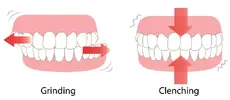
Isometric clenching activates the masseter directly because you’re activating the muscle without moving the joint. That recruits fibers just like a gym isometric set would. Studies show that maximum clenching improves occlusal force and contractile properties of the masseter even in adults.


Do not grind your teeth; grinding is repetitive motion, stresses the TMJ, and doesn’t preferentially up‑regulate hypertrophy like controlled static clench does.

1771281373811.webp


Some tools exist that mimic gym resistance training​


Jaw resistance tools (like silicone bite pads or jaw devices) do exactly what chewing does, although these must be used lightly and with TMJ in mind. (I recommend jawliner)

1771281623240.webp


These training methods come from biomechanical tweaks people use online and in small research​


- Place your hand against your lower jaw and gently try to open your mouth while resisting with your hand. This creates an eccentric load that engages the masseter.

- Big slow open/close (as if yawning); it recruits different fibers and stabilizers.

- Controlled lateral shift without chewing trains different parts of the masseter and promotes neuromuscular coordination.


1771281863877.webp


Avoid Face‑puffing, puffed cheek exercises, and sucking cheeks inward; they mostly target the buccinator and not the masseter. People who do this exclusively often notice rounder midfaces.


1771282010763.webp


Avoid hard force, grinding and teeth clicking; they’re parafunction and stress your temporomandibular joint. (tmj)


Masseters respond to anabolic states just like any skeletal muscle​


Proper sleep, nutrition, strength training, good hormone levels help muscles grow, which also works the same way with your masseters. Natural hormones like testosterone improve protein synthesis and muscle quality across the body.

One animal study even showed direct increases in masseter mass with testosterone.


Steroids & exogenous hormones
will accelerate muscle growth, including in jaw muscles but they come with severe health risks

1771282277576.webp


SOURCES:


TAGS

@TonyDr @2Beau @Blackpillirony @Volksstaffel @Starlet @missingdollparts_ @Marlonmogsyouhaha @Recession @grey @</3 @Galvatron @trueceljester @emeraldpilled @parazit @Oxytocinspike67 @foiddefender67 @tonisworld @imareasonableman @True_Fakecell @Balian @kimothy @huntergirl @Ghoultune @RottingCarrie @SILVER @moonlight1 @yasy @Goev @P1et @giga.mia @2ANA @draftLexy
 

Attachments

  • 1771281285379.webp
    1771281285379.webp
    12.2 KB · Views: 4
  • 1771282758331.webp
    1771282758331.webp
    12.8 KB · Views: 8
Register to hide this ad

Everything You Can Actually Do.


This thread builds onto my masseter thread (why it’s really important for facial structure) and my chewing guide. Whats next is a breakdown of every relevant way to develop your masseters, avoid unwanted muscles like the buccinator and understand other influences like hormonal changes.


Your masseter responds to mechanical tension.

This means that the more load you put on it, the more it grows (provided you don’t injure your TMJ). Growth won’t magically change your ramus length, but muscle thickness and jawline visibly improve. Some strategies are gentle and functional, but unfortunately others are more intense and require caution.


This deserves its own spotlight because it’s one of the fastest ways.


Isometric clenching activates the masseter directly because you’re activating the muscle without moving the joint. That recruits fibers just like a gym isometric set would. Studies show that maximum clenching improves occlusal force and contractile properties of the masseter even in adults.


Do not grind your teeth; grinding is repetitive motion, stresses the TMJ, and doesn’t preferentially up‑regulate hypertrophy like controlled static clench does.

View attachment 286398


Some tools exist that mimic gym resistance training​


Jaw resistance tools (like silicone bite pads or jaw devices) do exactly what chewing does, although these must be used lightly and with TMJ in mind. (I recommend jawliner)

View attachment 286410


These training methods come from biomechanical tweaks people use online and in small research​


- Place your hand against your lower jaw and gently try to open your mouth while resisting with your hand. This creates an eccentric load that engages the masseter.

- Big slow open/close (as if yawning); it recruits different fibers and stabilizers.

- Controlled lateral shift without chewing trains different parts of the masseter and promotes neuromuscular coordination.


View attachment 286416


Avoid Face‑puffing, puffed cheek exercises, and sucking cheeks inward; they mostly target the buccinator and not the masseter. People who do this exclusively often notice rounder midfaces.


View attachment 286419


Avoid hard force, grinding and teeth clicking; they’re parafunction and stress your temporomandibular joint. (tmj)


Masseters respond to anabolic states just like any skeletal muscle​


Proper sleep, nutrition, strength training, good hormone levels help muscles grow, which also works the same way with your masseters. Natural hormones like testosterone improve protein synthesis and muscle quality across the body.

One animal study even showed direct increases in masseter mass with testosterone.


Steroids & exogenous hormones
will accelerate muscle growth, including in jaw muscles but they come with severe health risks

View attachment 286427

SOURCES:


TAGS

@TonyDr @2Beau @Blackpillirony @Volksstaffel @Starlet @missingdollparts_ @Marlonmogsyouhaha @Recession @grey @</3 @Galvatron @trueceljester @emeraldpilled @parazit @Oxytocinspike67 @foiddefender67 @tonisworld @imareasonableman @True_Fakecell @Balian @kimothy @huntergirl @Ghoultune @RottingCarrie @SILVER @moonlight1 @yasy @Goev @P1et @giga.mia @2ANA @draftLexy
bookmarked will read later nice thread
 

Everything You Can Actually Do.


This thread builds onto my masseter thread (why it’s really important for facial structure) and my chewing guide. Whats next is a breakdown of every relevant way to develop your masseters, avoid unwanted muscles like the buccinator and understand other influences like hormonal changes.


Your masseter responds to mechanical tension.

This means that the more load you put on it, the more it grows (provided you don’t injure your TMJ). Growth won’t magically change your ramus length, but muscle thickness and jawline visibly improve. Some strategies are gentle and functional, but unfortunately others are more intense and require caution.


This deserves its own spotlight because it’s one of the fastest ways.


Isometric clenching activates the masseter directly because you’re activating the muscle without moving the joint. That recruits fibers just like a gym isometric set would. Studies show that maximum clenching improves occlusal force and contractile properties of the masseter even in adults.


Do not grind your teeth; grinding is repetitive motion, stresses the TMJ, and doesn’t preferentially up‑regulate hypertrophy like controlled static clench does.

View attachment 286398


Some tools exist that mimic gym resistance training​


Jaw resistance tools (like silicone bite pads or jaw devices) do exactly what chewing does, although these must be used lightly and with TMJ in mind. (I recommend jawliner)

View attachment 286410


These training methods come from biomechanical tweaks people use online and in small research​


- Place your hand against your lower jaw and gently try to open your mouth while resisting with your hand. This creates an eccentric load that engages the masseter.

- Big slow open/close (as if yawning); it recruits different fibers and stabilizers.

- Controlled lateral shift without chewing trains different parts of the masseter and promotes neuromuscular coordination.


View attachment 286416


Avoid Face‑puffing, puffed cheek exercises, and sucking cheeks inward; they mostly target the buccinator and not the masseter. People who do this exclusively often notice rounder midfaces.


View attachment 286419


Avoid hard force, grinding and teeth clicking; they’re parafunction and stress your temporomandibular joint. (tmj)


Masseters respond to anabolic states just like any skeletal muscle​


Proper sleep, nutrition, strength training, good hormone levels help muscles grow, which also works the same way with your masseters. Natural hormones like testosterone improve protein synthesis and muscle quality across the body.

One animal study even showed direct increases in masseter mass with testosterone.


Steroids & exogenous hormones
will accelerate muscle growth, including in jaw muscles but they come with severe health risks

View attachment 286427

SOURCES:


TAGS

@TonyDr @2Beau @Blackpillirony @Volksstaffel @Starlet @missingdollparts_ @Marlonmogsyouhaha @Recession @grey @</3 @Galvatron @trueceljester @emeraldpilled @parazit @Oxytocinspike67 @foiddefender67 @tonisworld @imareasonableman @True_Fakecell @Balian @kimothy @huntergirl @Ghoultune @RottingCarrie @SILVER @moonlight1 @yasy @Goev @P1et @giga.mia @2ANA @draftLexy
FOID SLAYER W THREAD
 
Wonderful thread bro, I'm glad you included bruxism cause jaw is no joke. Will read it later. Thanks ❤️ 🌹
 
Wonderful thread bro, I'm glad you included bruxism cause jaw is no joke. Will read it later. Thanks ❤️ 🌹
yk its good when chad likes it
 
amazing
 
foid slayer do u actually slay foids????????????????????????????????????????????????????????????????????????????????????????????????????????????
no im ltn
 

Everything You Can Actually Do.


This thread builds onto my masseter thread (why it’s really important for facial structure) and my chewing guide. Whats next is a breakdown of every relevant way to develop your masseters, avoid unwanted muscles like the buccinator and understand other influences like hormonal changes.


Your masseter responds to mechanical tension.

This means that the more load you put on it, the more it grows (provided you don’t injure your TMJ). Growth won’t magically change your ramus length, but muscle thickness and jawline visibly improve. Some strategies are gentle and functional, but unfortunately others are more intense and require caution.


This deserves its own spotlight because it’s one of the fastest ways.


Isometric clenching activates the masseter directly because you’re activating the muscle without moving the joint. That recruits fibers just like a gym isometric set would. Studies show that maximum clenching improves occlusal force and contractile properties of the masseter even in adults.


Do not grind your teeth; grinding is repetitive motion, stresses the TMJ, and doesn’t preferentially up‑regulate hypertrophy like controlled static clench does.

View attachment 286398


Some tools exist that mimic gym resistance training​


Jaw resistance tools (like silicone bite pads or jaw devices) do exactly what chewing does, although these must be used lightly and with TMJ in mind. (I recommend jawliner)

View attachment 286410


These training methods come from biomechanical tweaks people use online and in small research​


- Place your hand against your lower jaw and gently try to open your mouth while resisting with your hand. This creates an eccentric load that engages the masseter.

- Big slow open/close (as if yawning); it recruits different fibers and stabilizers.

- Controlled lateral shift without chewing trains different parts of the masseter and promotes neuromuscular coordination.


View attachment 286416


Avoid Face‑puffing, puffed cheek exercises, and sucking cheeks inward; they mostly target the buccinator and not the masseter. People who do this exclusively often notice rounder midfaces.


View attachment 286419


Avoid hard force, grinding and teeth clicking; they’re parafunction and stress your temporomandibular joint. (tmj)


Masseters respond to anabolic states just like any skeletal muscle​


Proper sleep, nutrition, strength training, good hormone levels help muscles grow, which also works the same way with your masseters. Natural hormones like testosterone improve protein synthesis and muscle quality across the body.

One animal study even showed direct increases in masseter mass with testosterone.


Steroids & exogenous hormones
will accelerate muscle growth, including in jaw muscles but they come with severe health risks

View attachment 286427

SOURCES:


TAGS

@TonyDr @2Beau @Blackpillirony @Volksstaffel @Starlet @missingdollparts_ @Marlonmogsyouhaha @Recession @grey @</3 @Galvatron @trueceljester @emeraldpilled @parazit @Oxytocinspike67 @foiddefender67 @tonisworld @imareasonableman @True_Fakecell @Balian @kimothy @huntergirl @Ghoultune @RottingCarrie @SILVER @moonlight1 @yasy @Goev @P1et @giga.mia @2ANA @draftLexy
training your masseters iss retarded and makes you look like a chipmunk, thought this was already widely known but clearly not
 
training your masseters iss retarded and makes you look like a chipmunk, thought this was already widely known but clearly not
already made a thread disproving that btw
 

Everything You Can Actually Do.


This thread builds onto my masseter thread (why it’s really important for facial structure) and my chewing guide. Whats next is a breakdown of every relevant way to develop your masseters, avoid unwanted muscles like the buccinator and understand other influences like hormonal changes.


Your masseter responds to mechanical tension.

This means that the more load you put on it, the more it grows (provided you don’t injure your TMJ). Growth won’t magically change your ramus length, but muscle thickness and jawline visibly improve. Some strategies are gentle and functional, but unfortunately others are more intense and require caution.


This deserves its own spotlight because it’s one of the fastest ways.


Isometric clenching activates the masseter directly because you’re activating the muscle without moving the joint. That recruits fibers just like a gym isometric set would. Studies show that maximum clenching improves occlusal force and contractile properties of the masseter even in adults.


Do not grind your teeth; grinding is repetitive motion, stresses the TMJ, and doesn’t preferentially up‑regulate hypertrophy like controlled static clench does.

View attachment 286398


Some tools exist that mimic gym resistance training​


Jaw resistance tools (like silicone bite pads or jaw devices) do exactly what chewing does, although these must be used lightly and with TMJ in mind. (I recommend jawliner)

View attachment 286410


These training methods come from biomechanical tweaks people use online and in small research​


- Place your hand against your lower jaw and gently try to open your mouth while resisting with your hand. This creates an eccentric load that engages the masseter.

- Big slow open/close (as if yawning); it recruits different fibers and stabilizers.

- Controlled lateral shift without chewing trains different parts of the masseter and promotes neuromuscular coordination.


View attachment 286416


Avoid Face‑puffing, puffed cheek exercises, and sucking cheeks inward; they mostly target the buccinator and not the masseter. People who do this exclusively often notice rounder midfaces.


View attachment 286419


Avoid hard force, grinding and teeth clicking; they’re parafunction and stress your temporomandibular joint. (tmj)


Masseters respond to anabolic states just like any skeletal muscle​


Proper sleep, nutrition, strength training, good hormone levels help muscles grow, which also works the same way with your masseters. Natural hormones like testosterone improve protein synthesis and muscle quality across the body.

One animal study even showed direct increases in masseter mass with testosterone.


Steroids & exogenous hormones
will accelerate muscle growth, including in jaw muscles but they come with severe health risks

View attachment 286427

SOURCES:


TAGS

@TonyDr @2Beau @Blackpillirony @Volksstaffel @Starlet @missingdollparts_ @Marlonmogsyouhaha @Recession @grey @</3 @Galvatron @trueceljester @emeraldpilled @parazit @Oxytocinspike67 @foiddefender67 @tonisworld @imareasonableman @True_Fakecell @Balian @kimothy @huntergirl @Ghoultune @RottingCarrie @SILVER @moonlight1 @yasy @Goev @P1et @giga.mia @2ANA @draftLexy
every molecule, tell me when you get contrib ❤‍🔥
 

Everything You Can Actually Do.


This thread builds onto my masseter thread (why it’s really important for facial structure) and my chewing guide. Whats next is a breakdown of every relevant way to develop your masseters, avoid unwanted muscles like the buccinator and understand other influences like hormonal changes.


Your masseter responds to mechanical tension.

This means that the more load you put on it, the more it grows (provided you don’t injure your TMJ). Growth won’t magically change your ramus length, but muscle thickness and jawline visibly improve. Some strategies are gentle and functional, but unfortunately others are more intense and require caution.


This deserves its own spotlight because it’s one of the fastest ways.


Isometric clenching activates the masseter directly because you’re activating the muscle without moving the joint. That recruits fibers just like a gym isometric set would. Studies show that maximum clenching improves occlusal force and contractile properties of the masseter even in adults.


Do not grind your teeth; grinding is repetitive motion, stresses the TMJ, and doesn’t preferentially up‑regulate hypertrophy like controlled static clench does.

View attachment 286398


Some tools exist that mimic gym resistance training​


Jaw resistance tools (like silicone bite pads or jaw devices) do exactly what chewing does, although these must be used lightly and with TMJ in mind. (I recommend jawliner)

View attachment 286410


These training methods come from biomechanical tweaks people use online and in small research​


- Place your hand against your lower jaw and gently try to open your mouth while resisting with your hand. This creates an eccentric load that engages the masseter.

- Big slow open/close (as if yawning); it recruits different fibers and stabilizers.

- Controlled lateral shift without chewing trains different parts of the masseter and promotes neuromuscular coordination.


View attachment 286416


Avoid Face‑puffing, puffed cheek exercises, and sucking cheeks inward; they mostly target the buccinator and not the masseter. People who do this exclusively often notice rounder midfaces.


View attachment 286419


Avoid hard force, grinding and teeth clicking; they’re parafunction and stress your temporomandibular joint. (tmj)


Masseters respond to anabolic states just like any skeletal muscle​


Proper sleep, nutrition, strength training, good hormone levels help muscles grow, which also works the same way with your masseters. Natural hormones like testosterone improve protein synthesis and muscle quality across the body.

One animal study even showed direct increases in masseter mass with testosterone.


Steroids & exogenous hormones
will accelerate muscle growth, including in jaw muscles but they come with severe health risks

View attachment 286427

SOURCES:


TAGS

@TonyDr @2Beau @Blackpillirony @Volksstaffel @Starlet @missingdollparts_ @Marlonmogsyouhaha @Recession @grey @</3 @Galvatron @trueceljester @emeraldpilled @parazit @Oxytocinspike67 @foiddefender67 @tonisworld @imareasonableman @True_Fakecell @Balian @kimothy @huntergirl @Ghoultune @RottingCarrie @SILVER @moonlight1 @yasy @Goev @P1et @giga.mia @2ANA @draftLexy
mirin guide thanks for tag
 
Jaw resistance tools (like silicone bite pads or jaw devices) do exactly what chewing does, although these must be used lightly and with TMJ in mind. (I recommend jawliner)

1771281623240.webp
No tools should be used with the front teeth brother, only the molars
 

Users who are viewing this thread

Back
Top