Join 84,000+ Looksmaxxing Members!

Register a FREE account today to become a member. Once signed in, you'll be able to participate on this site by adding your own topics and posts, as well as connect with other members through your own private inbox.

  • DISCLAIMER: DO NOT ATTEMPT TREATMENT WITHOUT LICENCED MEDICAL CONSULTATION AND SUPERVISION

    This is a public discussion forum. The owners, staff, and users of this website ARE NOT engaged in rendering professional services to the individual reader. DO NOT use the content of this website as an alternative to personal examination and advice from licenced healthcare providers. DO NOT begin, delay, or discontinue treatments and/or exercises without licenced medical supervision. Learn more

Guide Monobenzone: The Complete Guide To Palemaxxing

sensitiveyoungwoman

Amare ed essere amati
Reputable ★★
Established ★★
Joined
Aug 16, 2026
Messages
5,252
Solutions
24
Online time
15d 18h
Reputation
10,225
Location
Hell
Guild
MCGA
Thread song


Table Of Contents
I. What Is Monobenzone
II. How does it work on your skin
III. Mechanism of Depigmentation

IV. How to use Monobenzone Cream
Disclaimer: This post is for informational and educational purposes only. It is not medical advice, and it shouldn’t be taken as a guide for self-treatment. Do your own research, check reliable medical sources, and prioritize your health over cosmetic results
​

I. What Is Monobenzone
Monobenzone or 4-(Benzyloxy)phenol and monobenzyl ether of hydroquinone (MBEH) is an organic chemical in the phenol family with chemical formula C₆H₅CH₂OC₆H₄OH

It’s used as a topical drug for medical depigmentation in patients with extensive vitiligo and also classified as the most potent depigmenting agent available in clinical dermatology. It’s a colourless solid that is classified as the monobenzyl ether of hydroquinone
Monobenzone (monobenzyl ether of hydroquinone / MBEH) is an FDA-approved topical depigmenting agent. It’s classified as the most potent depigmenting agent available in clinical dermatology.
It has been used in dermatology since the 1930s and received official FDA approval in 1952 for the permanent depigmentation of extensive vitiligo
​

II. How does it work on your skin
Monobenzone works by completely destroying melanocytes (the pigment-producing cells) rather than simply slowing down pigment production. Once the melanocytes are destroyed, the affected area of skin loses its ability to produce melanin, resulting in complete and permanent depigmentation
Monobenzone reacts with the enzyme tyrosinase within melanocytes, generating quinone derivatives and reactive oxygen species (ROS) that cause intracellular structural damage. These byproducts can trigger an immune response, leading CD8+ T cells to recognize melanocytes as abnormal or foreign and attack and destroy them
Unlike hydroquinone, which temporarily inhibits melanin production and allows pigmentation to return after treatment is stopped, monobenzone destroys melanocytes themselves, resulting in permanent, irreversible depigmentation
It is primarily used to induce complete depigmentation in patients with extensive vitiligo. Because monobenzone can trigger a systemic immune response, applying it to one area of the skin may cause depigmentation in nearby areas that were not directly treated. Completely depigmented skin loses much of its natural protection against UV radiation, making diligent use of sunscreen essential
Treatment Of 18 Vitiligo Patients With Monobenzylether Of Hydroquinone

:bongotap:
Of 18 severely afffected vitiligo patients who used 20% monobenzylether of hydroquinone (MBEH, Benoquin) as a depigmenting agent, 8 achieved complete after 10 months or more of use and 3 dramatic but no complete hypopigmentation. All patients who depigmented fully were very pleased with their results
Study Of 53 Cases With Topical Monobenzyl

:bongotap:
They have evaluated the safety and efficacy of topical MBEH in a cohort of patients
They performed a retrospective cohort study of all patients with vitiligo treated with MBEH at St John's Institute of Dermatology in London over a 6.5 year period from 1 January 2008 to 30 June 2014 (excluding patients who started treatment in the final 6 months of the period, given their uninformatively short follow‐up period)

Successful Treatment Of Extensive Vitiligo With Monobenzone

This case presents an example of when timely and aggressive treatment with monobenzone is warranted, demonstrating excellent clinical response, which resulted in a significant increase in the quality of life in a patient with severe vitiligo
Before
1792061478612.webp

After
1792061548939.webp

As you can see, the areas previously affected by vitiligo are no longer visibly distinct after extensive depigmentation, resulting in an overall uniform depigmented appearance
Dermatitis Produced By Applications Of Monobenzone In Patients With Active Vitiligo

:bongotap:
As reported in a clinical study involving six patients with spreading vitiligo, monobenzone application was followed by vesicular dermatitis. Interestingly, patch testing triggered an inflammatory response only in pigmented skin, while depigmented areas showed no such reaction
Monobenzone Cream On Oxidative Stress And Its Relationship With Serum Levels Of IL-1B And IL-18 In Vitiligo Patients

:bongotap:
Three groups of 30 people from the control group, vitiligo patients before and after treatment. After 3 months of using Monobenzone cream, the percentage of skin spots in vitiligo patients increased from an average of 63%-91% and the skin color became almost uniform

Since this method completely wipes out melanin cells, it doesn't just brighten your skin a tone or two, it leaves you thoroughly pale and depigmented. That’s why your original skin shade doesn’t really matter

Unlike typical ingredients like hydroquinone, arbutin, or glutathione etc. Which only slow down pigment production, monobenzone actually destroys the pigment-producing cells altogether, leading to a far more drastic lightening effect
​

III. Mechanism Of Depigmentation
What is monobenzone on a chemical level?

Monobenzone, also known as monobenzyl ether of hydroquinone (MBEH) or hydroquinone monobenzyl ether, has the molecular formula C₁₃H₁₂O₂. It’s a phenolic compound that can cause skin depigmentation, but its effects go beyond simply inhibiting melanin production
The molecular structure of monobenzone
1792066653593.webp

Monobenzone has a six-carbon aromatic ring, known as a benzene ring, with two substituents positioned para to each other

One substituent is a hydroxyl group (–OH), a defining feature of phenols, while the other is a benzyloxy group (–O–CH₂–C₆H₅). This structure gives monobenzone the chemical characteristics of a phenol while retaining a structural feature associated with hydroquinone

Hydroquinone and Monobenzone aren’t the same compound
1792067150288.webp


Hydroquinone has two hydroxyl groups attached directly to the benzene ring, whereas in monobenzone, one of those positions is occupied by a benzyloxy group instead

This structural difference can affect how the molecule interacts with enzymes and other components within cells
Why can monobenzone interfere with melanin production in the skin?
Tyrosinase is a copper-containing enzyme that plays a key role in melanogenesis, the process by which melanocytes produce melanin. Under normal conditions, this enzyme catalyzes the initial reactions of pigment synthesis, converting precursors such as tyrosine into intermediate compounds needed for melanin formation

Monobenzone can interact with this enzyme system. Studies suggest that monobenzone can be oxidized by tyrosinase, while also affecting enzyme activity and pigment production. This means monobenzone doesn’t simply act as a compound that changes skin color on the surface, it can interfere with the biochemical processes taking place inside melanocytes themselves
1792069785641.webp

Tyrosinase is an important starting point for understanding how monobenzone affects the pigmentation system, but tyrosinase inhibition alone shouldn’t be considered a complete explanation for the depigmentation caused by this compound

What do the products formed by monobenzone oxidation mean for melanocytes?
In a 2009 study by Manini and colleagues, researchers found that monobenzone can be oxidized by tyrosinase to form an unstable ortho-quinone. This is a reactive intermediate, not melanin itself or a final product of the depigmentation process.

The key point lies in the chemical reactivity of ortho-quinone. Unlike a relatively stable molecule, quinones can react with functional groups in other biological molecules. The study mentioned above documented reaction products formed between this intermediate and thiol-containing compounds, such as cysteine and glutathione. The findings also provided evidence that it can form adducts with proteins
1792069827450.webp

This matters because both cysteine and glutathione contain a thiol group (–SH). Glutathione is also an important part of the cell’s antioxidant defense system. When reactive intermediates interact with these molecules, they may alter the cell’s chemical balance and its ability to protect itself against oxidative stress. If these intermediates form covalent bonds with proteins, they may also change the proteins’ structure or biological properties

How does this ultimately lead to depigmentation?
The chemical reactions involving monobenzone may contribute to disruptions in normal melanocyte function, including melanin production and the cell’s internal redox balance. When melanocytes experience stress or cellular damage, their ability to maintain normal pigment synthesis may decline

If reactive intermediates formed by monobenzone modify cellular proteins, those proteins may acquire antigenic properties that differ from their original state. This provides a basis for the haptenation hypothesis, in which a small chemical molecule binds to a protein in the body, potentially changing how the immune system recognizes it. In the context of monobenzone, this mechanism is considered one possible link that could increase the immunogenicity of melanocytes and trigger an immune response against them
1792069898718.webp

In their 2009 study, the researchers investigated how monobenzone oxidation products react with cysteine, N-acetylcysteine, glutathione, and the protein albumin. Their findings showed that thiol-containing molecules can alter the reaction pathways of these oxidation products, leading to the formation of different conjugates

When melanocytes are destroyed or lost, the skin can no longer maintain its previous levels of melanin. This is one of the pathways that leads to depigmentation
Oxidative stress

Oxidative stress occurs when the balance between oxidants and the cell’s antioxidant defense system is disrupted. Highly reactive oxidizing species can affect proteins, lipids, and other cellular components

Studies on monobenzone suggest that its interaction with the tyrosinase system is associated with an increase in reactive oxygen species (ROS). Elevated ROS levels can increase chemical stress on melanocytes, particularly when the cells’ protective mechanisms are unable to keep them under control

In the case of monobenzone, cellular stress matters because it may link the initial chemical changes to the subsequent responses of melanocytes. These responses can affect how cells process proteins, interact with their surrounding environment, and present cellular components for recognition by the immune system
The role of autophagy and extracellular vesicles

Autophagy is a cellular system used to break down and recycle certain intracellular components. Under certain conditions, it helps cells deal with damaged structures and components that are no longer needed
1792070270355.webp

Studies on monobenzone have documented changes related to melanosome autophagy. One study examining its effects on pigment cells also described the appearance of autophagosomes and autolysosomes containing melanin components after the cells were exposed to the compound

Pigment cells exposed to monobenzone may release extracellular vesicles (exosomes) containing proteins derived from the pigment-producing system. These vesicles can be taken up by immune cells, allowing protein components from melanocytes to be processed and presented as antigens
1792070370397.webp

From Immune Responses to Depigmentation
Chemical changes and cellular stress may increase the likelihood of melanocytes being recognized by the immune system. Antigen-presenting cells, such as dendritic cells, can take up protein components from pigment cells, process them, and present protein fragments to T cells

1792070480739.webp

Some T cells can recognize antigens associated with melanocytes. Once an antigen-specific immune response develops, these T cells may participate in attacking pigment cells that carry the corresponding antigens

An important point is that this response may not be limited to melanocytes that have been directly exposed to monobenzone. Other pigment cells may also become targets if they carry antigens recognized by the immune system

This provides one possible explanation for depigmentation appearing in areas that have not been directly exposed to the chemical. It also helps explain the association between monobenzone and certain features resembling vitiligo

This is a complex biological mechanism, not a fixed sequence of events that occurs the same way in everyone. The extent of depigmentation and the resulting immune response can depend on multiple factors, and mechanistic studies cannot accurately predict how the process will unfold in each individual
Specific target antigens and the role of cytotoxic T cells (CD8+ T cells) in depigmentation spreading

When monobenzone forms reactive intermediates that bind to intracellular proteins through haptenation, the immune system may recognize altered proteins or melanocyte-specific proteins as targets. These include melanosome-associated proteins such as gp100 (Pmel17)
1792070774674.webp

Depletion of the intracellular antioxidant defense system and innate immune signaling via damage-associated molecular patterns (DAMPs)

The depletion of GSH may weaken the cell’s ability to neutralize reactive oxygen species (ROS), disrupting the balance between oxidation and antioxidant defenses (redox imbalance). This oxidative stress may contribute to membrane lipid peroxidation, mitochondrial DNA damage, and a decline in mitochondrial membrane potential
1792070827984.webp

The combination of severe oxidative stress and endoplasmic reticulum stress (ER stress), caused by an accumulation of misfolded proteins that exceeds the cell’s capacity to repair them, may push melanocytes toward cell death through necrosis or secondary apoptosis. When plasma membrane integrity is compromised, melanocytes can release intracellular danger signals known as damage-associated molecular patterns (DAMPs) into the epidermal interstitial space

HMGB1 (High-Mobility Group Box 1)
Heat shock proteins (HSP70, HSP90)
Extracellular ATP

Activation of Antigen-Presenting Cells (APCs) and Initiation of the Adaptive Immune Response
The presence of DAMPs in the epidermal tissue can substantially alter the local microenvironment, potentially turning chemical injury into an immune-mediated response. DAMPs can interact with pattern recognition receptors (PRRs), particularly TLR2, TLR4, and RAGE (Receptor for Advanced Glycation End Products), expressed by Langerhans cells and epidermal dendritic cells. These interactions can contribute to the activation of innate immune signaling and help initiate subsequent adaptive immune responses

Signaling through TLRs and RAGE activates the NF-κB pathway, promoting increased expression of co-stimulatory molecules (CD80, CD86, and MHC class II) and the release of pro-inflammatory cytokines by dendritic cells. Dendritic cells carrying HSP-melanocyte protein complexes then migrate through the lymphatic vessels to the regional lymph nodes, where they present melanocyte-specific peptides to naive CD8+ T cells
1792070982393.webp

Depigmentation & Spreading Effect
1792071102106.webp

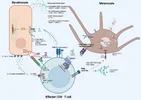
After antigen stimulation, cytotoxic T lymphocytes (CTLs), or CD8+ T cells, proliferate and migrate back into the epidermis. They release perforin, granzyme B, and interferon-gamma (IFN-γ), which can directly target and destroy melanocytes

If melanocytes are extensively destroyed rather than merely experiencing temporary suppression of melanin synthesis, the affected skin may lose its ability to produce pigment for a prolonged period. The extent and permanence of depigmentation depend on whether melanocytes can survive or regenerate

Because CD8+ T cells recognize native melanocyte antigens, such as gp100 and MART-1, rather than only monobenzone-modified protein complexes, they may circulate through the bloodstream and target melanocytes in otherwise healthy areas of skin that have never been exposed to the compound. This can result in widespread depigmentation resembling generalized vitiligo
​

IV. How To Use Monobenzone Cream
PERMANENT & IRREVERSIBLE EFFECTS
Skin that loses pigment due to monobenzone may be unable to produce melanin again. After treatment, the skin may become completely depigmented and lose much of its natural protection against UV radiation

DISTANT DEPIGMENTATION
Even if you apply it to only one area of skin, the compound may be absorbed into the bloodstream or cause depigmentation in other areas of the body through indirect exposure (This is also the effect we want to achieve in order to depigment the entire body)

PATCH TEST
Apply a pea-sized amount to the inner forearm or behind the ear and wait 24 to 48 hours to check for irritation, severe allergic reactions, or allergic contact dermatitis
Avoid applying it to the eye area, inside the nose, lips, mouth, genital area, or any open wounds
Common Concentrations
20%: The more common concentration people start with
40%: A stronger option that should only be used under a dermatologist’s supervision, since the risk of serious, irreversible depigmentation is much higher

Instructions

1792072020123.webp

1. Wash the area with a gentle cleanser or body wash. Avoid harsh cleansers and products containing exfoliating acids like AHAs or BHAs
2. Gently pat the area dry with a soft towel and let your skin air-dry for another 5 to 10 minutes. Applying the cream to damp skin may increase irritation
3. Apply a small amount of cream in a very thin layer over the targeted area
4. Spread it evenly over the area and gently massage it into the skin until fully absorbed
5. Let the cream dry completely before getting dressed so it doesn’t rub off onto your clothes
6. Use a broad-spectrum sunscreen with SPF 50+ / PA++++ every day, even when you’re indoors or it’s cloudy (basically you live like a vampire)
7. Reapply every 2–3 hours when spending time outdoors
8. Try to avoid going outside during peak UV hours as much as possible

Frequency of Use
Apply 2,3 times a day. The first visible results may appear after 1 to 4 months of consistent use
Once the desired level of depigmentation has been reached, reduce use to twice a week to maintain the results long-term

Avoid combining it with harsh actives
Don’t use monobenzone alongside potentially irritating ingredients like retinoids (tretinoin, adapalene), salicylic acid (BHA), glycolic acid (AHA), benzoyl peroxide, or hydroquinone. Combining these products may severely damage your skin barrier


Avoid skin-to-skin contact with other people while the product is still on your skin
Avoid direct skin-to-skin contact with family members, partners, or children for 1 to 2 hours after applying the cream. If monobenzone transfers onto someone else’s skin, it may cause permanent white patches


Attachments

  • 1792070674050.webp
    1792070674050.webp
    75.1 KB · Views: 18
Last edited:
Thread song


Table Of Contents
I. What Is Monobenzone
II. How does it work on your skin
III. Mechanism of Depigmentation

IV. How to use Monobenzone Cream
Disclaimer: This post is for informational and educational purposes only. It is not medical advice, and it shouldn’t be taken as a guide for self-treatment. Do your own research, check reliable medical sources, and prioritize your health over cosmetic results
​

I. What Is Monobenzone
Monobenzone or 4-(Benzyloxy)phenol and monobenzyl ether of hydroquinone (MBEH) is an organic chemical in the phenol family with chemical formula C₆H₅CH₂OC₆H₄OH

It’s used as a topical drug for medical depigmentation in patients with extensive vitiligo and also classified as the most potent depigmenting agent available in clinical dermatology. It’s a colourless solid that is classified as the monobenzyl ether of hydroquinone
Monobenzone (monobenzyl ether of hydroquinone / MBEH) is an FDA-approved topical depigmenting agent. It’s classified as the most potent depigmenting agent available in clinical dermatology.
It has been used in dermatology since the 1930s and received official FDA approval in 1952 for the permanent depigmentation of extensive vitiligo
​

II. How does it work on your skin
Monobenzone works by completely destroying melanocytes (the pigment-producing cells) rather than simply slowing down pigment production. Once the melanocytes are destroyed, the affected area of skin loses its ability to produce melanin, resulting in complete and permanent depigmentation
Monobenzone reacts with the enzyme tyrosinase within melanocytes, generating quinone derivatives and reactive oxygen species (ROS) that cause intracellular structural damage. These byproducts can trigger an immune response, leading CD8+ T cells to recognize melanocytes as abnormal or foreign and attack and destroy them
Unlike hydroquinone, which temporarily inhibits melanin production and allows pigmentation to return after treatment is stopped, monobenzone destroys melanocytes themselves, resulting in permanent, irreversible depigmentation
It is primarily used to induce complete depigmentation in patients with extensive vitiligo. Because monobenzone can trigger a systemic immune response, applying it to one area of the skin may cause depigmentation in nearby areas that were not directly treated. Completely depigmented skin loses much of its natural protection against UV radiation, making diligent use of sunscreen essential
Treatment Of 18 Vitiligo Patients With Monobenzylether Of Hydroquinone

:bongotap:
Of 18 severely afffected vitiligo patients who used 20% monobenzylether of hydroquinone (MBEH, Benoquin) as a depigmenting agent, 8 achieved complete after 10 months or more of use and 3 dramatic but no complete hypopigmentation. All patients who depigmented fully were very pleased with their results
Study Of 53 Cases With Topical Monobenzyl

:bongotap:
They have evaluated the safety and efficacy of topical MBEH in a cohort of patients
They performed a retrospective cohort study of all patients with vitiligo treated with MBEH at St John's Institute of Dermatology in London over a 6.5 year period from 1 January 2008 to 30 June 2014 (excluding patients who started treatment in the final 6 months of the period, given their uninformatively short follow‐up period)

Successful Treatment Of Extensive Vitiligo With Monobenzone

This case presents an example of when timely and aggressive treatment with monobenzone is warranted, demonstrating excellent clinical response, which resulted in a significant increase in the quality of life in a patient with severe vitiligo
Before
View attachment 434429

After
View attachment 434430

As you can see, the areas previously affected by vitiligo are no longer visibly distinct after extensive depigmentation, resulting in an overall uniform depigmented appearance
Dermatitis Produced By Applications Of Monobenzone In Patients With Active Vitiligo

:bongotap:
As reported in a clinical study involving six patients with spreading vitiligo, monobenzone application was followed by vesicular dermatitis. Interestingly, patch testing triggered an inflammatory response only in pigmented skin, while depigmented areas showed no such reaction
Monobenzone Cream On Oxidative Stress And Its Relationship With Serum Levels Of IL-1B And IL-18 In Vitiligo Patients

:bongotap:
Three groups of 30 people from the control group, vitiligo patients before and after treatment. After 3 months of using Monobenzone cream, the percentage of skin spots in vitiligo patients increased from an average of 63%-91% and the skin color became almost uniform

Since this method completely wipes out melanin cells, it doesn't just brighten your skin a tone or two, it leaves you thoroughly pale and depigmented. That’s why your original skin shade doesn’t really matter

Unlike typical ingredients like hydroquinone, arbutin, or glutathione etc. Which only slow down pigment production, monobenzone actually destroys the pigment-producing cells altogether, leading to a far more drastic lightening effect
​

III. Mechanism Of Depigmentation
What is monobenzone on a chemical level?

Monobenzone, also known as monobenzyl ether of hydroquinone (MBEH) or hydroquinone monobenzyl ether, has the molecular formula C₁₃H₁₂O₂. It’s a phenolic compound that can cause skin depigmentation, but its effects go beyond simply inhibiting melanin production
The molecular structure of monobenzone
View attachment 434440
Monobenzone has a six-carbon aromatic ring, known as a benzene ring, with two substituents positioned para to each other

One substituent is a hydroxyl group (–OH), a defining feature of phenols, while the other is a benzyloxy group (–O–CH₂–C₆H₅). This structure gives monobenzone the chemical characteristics of a phenol while retaining a structural feature associated with hydroquinone

Hydroquinone and Monobenzone aren’t the same compound
View attachment 434441

Hydroquinone has two hydroxyl groups attached directly to the benzene ring, whereas in monobenzone, one of those positions is occupied by a benzyloxy group instead

This structural difference can affect how the molecule interacts with enzymes and other components within cells
Why can monobenzone interfere with melanin production in the skin?
Tyrosinase is a copper-containing enzyme that plays a key role in melanogenesis, the process by which melanocytes produce melanin. Under normal conditions, this enzyme catalyzes the initial reactions of pigment synthesis, converting precursors such as tyrosine into intermediate compounds needed for melanin formation

Monobenzone can interact with this enzyme system. Studies suggest that monobenzone can be oxidized by tyrosinase, while also affecting enzyme activity and pigment production. This means monobenzone doesn’t simply act as a compound that changes skin color on the surface, it can interfere with the biochemical processes taking place inside melanocytes themselves
​
View attachment 434449
Tyrosinase is an important starting point for understanding how monobenzone affects the pigmentation system, but tyrosinase inhibition alone shouldn’t be considered a complete explanation for the depigmentation caused by this compound
What do the products formed by monobenzone oxidation mean for melanocytes?
In a 2009 study by Manini and colleagues, researchers found that monobenzone can be oxidized by tyrosinase to form an unstable ortho-quinone. This is a reactive intermediate, not melanin itself or a final product of the depigmentation process.

The key point lies in the chemical reactivity of ortho-quinone. Unlike a relatively stable molecule, quinones can react with functional groups in other biological molecules. The study mentioned above documented reaction products formed between this intermediate and thiol-containing compounds, such as cysteine and glutathione. The findings also provided evidence that it can form adducts with proteins
View attachment 434450
This matters because both cysteine and glutathione contain a thiol group (–SH). Glutathione is also an important part of the cell’s antioxidant defense system. When reactive intermediates interact with these molecules, they may alter the cell’s chemical balance and its ability to protect itself against oxidative stress. If these intermediates form covalent bonds with proteins, they may also change the proteins’ structure or biological properties

How does this ultimately lead to depigmentation?
The chemical reactions involving monobenzone may contribute to disruptions in normal melanocyte function, including melanin production and the cell’s internal redox balance. When melanocytes experience stress or cellular damage, their ability to maintain normal pigment synthesis may decline

If reactive intermediates formed by monobenzone modify cellular proteins, those proteins may acquire antigenic properties that differ from their original state. This provides a basis for the haptenation hypothesis, in which a small chemical molecule binds to a protein in the body, potentially changing how the immune system recognizes it. In the context of monobenzone, this mechanism is considered one possible link that could increase the immunogenicity of melanocytes and trigger an immune response against them
View attachment 434451
In their 2009 study, the researchers investigated how monobenzone oxidation products react with cysteine, N-acetylcysteine, glutathione, and the protein albumin. Their findings showed that thiol-containing molecules can alter the reaction pathways of these oxidation products, leading to the formation of different conjugates

When melanocytes are destroyed or lost, the skin can no longer maintain its previous levels of melanin. This is one of the pathways that leads to depigmentation
Oxidative stress

Oxidative stress occurs when the balance between oxidants and the cell’s antioxidant defense system is disrupted. Highly reactive oxidizing species can affect proteins, lipids, and other cellular components

Studies on monobenzone suggest that its interaction with the tyrosinase system is associated with an increase in reactive oxygen species (ROS). Elevated ROS levels can increase chemical stress on melanocytes, particularly when the cells’ protective mechanisms are unable to keep them under control

In the case of monobenzone, cellular stress matters because it may link the initial chemical changes to the subsequent responses of melanocytes. These responses can affect how cells process proteins, interact with their surrounding environment, and present cellular components for recognition by the immune system
The role of autophagy and extracellular vesicles

Autophagy is a cellular system used to break down and recycle certain intracellular components. Under certain conditions, it helps cells deal with damaged structures and components that are no longer needed​
View attachment 434453
Studies on monobenzone have documented changes related to melanosome autophagy. One study examining its effects on pigment cells also described the appearance of autophagosomes and autolysosomes containing melanin components after the cells were exposed to the compound

Pigment cells exposed to monobenzone may release extracellular vesicles (exosomes) containing proteins derived from the pigment-producing system. These vesicles can be taken up by immune cells, allowing protein components from melanocytes to be processed and presented as antigens
​
View attachment 434454
From Immune Responses to Depigmentation
Chemical changes and cellular stress may increase the likelihood of melanocytes being recognized by the immune system. Antigen-presenting cells, such as dendritic cells, can take up protein components from pigment cells, process them, and present protein fragments to T cells​

View attachment 434457
Some T cells can recognize antigens associated with melanocytes. Once an antigen-specific immune response develops, these T cells may participate in attacking pigment cells that carry the corresponding antigens

An important point is that this response may not be limited to melanocytes that have been directly exposed to monobenzone. Other pigment cells may also become targets if they carry antigens recognized by the immune system

This provides one possible explanation for depigmentation appearing in areas that have not been directly exposed to the chemical. It also helps explain the association between monobenzone and certain features resembling vitiligo

This is a complex biological mechanism, not a fixed sequence of events that occurs the same way in everyone. The extent of depigmentation and the resulting immune response can depend on multiple factors, and mechanistic studies cannot accurately predict how the process will unfold in each individual
Specific target antigens and the role of cytotoxic T cells (CD8+ T cells) in depigmentation spreading

When monobenzone forms reactive intermediates that bind to intracellular proteins through haptenation, the immune system may recognize altered proteins or melanocyte-specific proteins as targets. These include melanosome-associated proteins such as gp100 (Pmel17)
View attachment 434459

Depletion of the intracellular antioxidant defense system and innate immune signaling via damage-associated molecular patterns (DAMPs)

The depletion of GSH may weaken the cell’s ability to neutralize reactive oxygen species (ROS), disrupting the balance between oxidation and antioxidant defenses (redox imbalance). This oxidative stress may contribute to membrane lipid peroxidation, mitochondrial DNA damage, and a decline in mitochondrial membrane potential
View attachment 434460

The combination of severe oxidative stress and endoplasmic reticulum stress (ER stress), caused by an accumulation of misfolded proteins that exceeds the cell’s capacity to repair them, may push melanocytes toward cell death through necrosis or secondary apoptosis. When plasma membrane integrity is compromised, melanocytes can release intracellular danger signals known as damage-associated molecular patterns (DAMPs) into the epidermal interstitial space

HMGB1 (High-Mobility Group Box 1)
Heat shock proteins (HSP70, HSP90)
Extracellular ATP

Activation of Antigen-Presenting Cells (APCs) and Initiation of the Adaptive Immune Response
The presence of DAMPs in the epidermal tissue can substantially alter the local microenvironment, potentially turning chemical injury into an immune-mediated response. DAMPs can interact with pattern recognition receptors (PRRs), particularly TLR2, TLR4, and RAGE (Receptor for Advanced Glycation End Products), expressed by Langerhans cells and epidermal dendritic cells. These interactions can contribute to the activation of innate immune signaling and help initiate subsequent adaptive immune responses

Signaling through TLRs and RAGE activates the NF-κB pathway, promoting increased expression of co-stimulatory molecules (CD80, CD86, and MHC class II) and the release of pro-inflammatory cytokines by dendritic cells. Dendritic cells carrying HSP-melanocyte protein complexes then migrate through the lymphatic vessels to the regional lymph nodes, where they present melanocyte-specific peptides to naive CD8+ T cells
​
View attachment 434461
Depigmentation & Spreading Effect​
View attachment 434464
After antigen stimulation, cytotoxic T lymphocytes (CTLs), or CD8+ T cells, proliferate and migrate back into the epidermis. They release perforin, granzyme B, and interferon-gamma (IFN-γ), which can directly target and destroy melanocytes

If melanocytes are extensively destroyed rather than merely experiencing temporary suppression of melanin synthesis, the affected skin may lose its ability to produce pigment for a prolonged period. The extent and permanence of depigmentation depend on whether melanocytes can survive or regenerate

Because CD8+ T cells recognize native melanocyte antigens, such as gp100 and MART-1, rather than only monobenzone-modified protein complexes, they may circulate through the bloodstream and target melanocytes in otherwise healthy areas of skin that have never been exposed to the compound. This can result in widespread depigmentation resembling generalized vitiligo
​

IV. How To Use Monobenzone Cream​
PERMANENT & IRREVERSIBLE EFFECTS
Skin that loses pigment due to monobenzone may be unable to produce melanin again. After treatment, the skin may become completely depigmented and lose much of its natural protection against UV radiation

DISTANT DEPIGMENTATION
Even if you apply it to only one area of skin, the compound may be absorbed into the bloodstream or cause depigmentation in other areas of the body through indirect exposure (This is also the effect we want to achieve in order to depigment the entire body)

PATCH TEST
Apply a pea-sized amount to the inner forearm or behind the ear and wait 24 to 48 hours to check for irritation, severe allergic reactions, or allergic contact dermatitis
Avoid applying it to the eye area, inside the nose, lips, mouth, genital area, or any open wounds
​
Common Concentrations
20%: The more common concentration people start with
40%: A stronger option that should only be used under a dermatologist’s supervision, since the risk of serious, irreversible depigmentation is much higher
Instructions

View attachment 434469
1. Wash the area with a gentle cleanser or body wash. Avoid harsh cleansers and products containing exfoliating acids like AHAs or BHAs
2. Gently pat the area dry with a soft towel and let your skin air-dry for another 5 to 10 minutes. Applying the cream to damp skin may increase irritation
3. Apply a small amount of cream in a very thin layer over the targeted area
4. Spread it evenly over the area and gently massage it into the skin until fully absorbed
5. Let the cream dry completely before getting dressed so it doesn’t rub off onto your clothes
6. Use a broad-spectrum sunscreen with SPF 50+ / PA++++ every day, even when you’re indoors or it’s cloudy (basically you live like a vampire)
7. Reapply every 2–3 hours when spending time outdoors
8. Try to avoid going outside during peak UV hours as much as possible

Frequency of Use
Apply 2,3 times a day. The first visible results may appear after 1 to 4 months of consistent use
Once the desired level of depigmentation has been reached, reduce use to twice a week to maintain the results long-term

Avoid combining it with harsh actives
Don’t use monobenzone alongside potentially irritating ingredients like retinoids (tretinoin, adapalene), salicylic acid (BHA), glycolic acid (AHA), benzoyl peroxide, or hydroquinone. Combining these products may severely damage your skin barrier


Avoid skin-to-skin contact with other people while the product is still on your skin
Avoid direct skin-to-skin contact with family members, partners, or children for 1 to 2 hours after applying the cream. If monobenzone transfers onto someone else’s skin, it may cause permanent white patches

Black And White Vampire GIF


finally though cant say goodjob you sure did a pretty dang long time​
 
Looks super high effort, mirin, I'm naturally very pale so i dont need this, but i like seeing the feature be highlighted positively
For who need to be a vampire this Halloween🦇
 
when you want something the world will give it to you
that means giving the help to do hard work
mirin, beautiful thread, to the folder to become lighter!
 
Thread song


Table Of Contents
I. What Is Monobenzone
II. How does it work on your skin
III. Mechanism of Depigmentation

IV. How to use Monobenzone Cream
Disclaimer: This post is for informational and educational purposes only. It is not medical advice, and it shouldn’t be taken as a guide for self-treatment. Do your own research, check reliable medical sources, and prioritize your health over cosmetic results
​

I. What Is Monobenzone
Monobenzone or 4-(Benzyloxy)phenol and monobenzyl ether of hydroquinone (MBEH) is an organic chemical in the phenol family with chemical formula C₆H₅CH₂OC₆H₄OH

It’s used as a topical drug for medical depigmentation in patients with extensive vitiligo and also classified as the most potent depigmenting agent available in clinical dermatology. It’s a colourless solid that is classified as the monobenzyl ether of hydroquinone
Monobenzone (monobenzyl ether of hydroquinone / MBEH) is an FDA-approved topical depigmenting agent. It’s classified as the most potent depigmenting agent available in clinical dermatology.
It has been used in dermatology since the 1930s and received official FDA approval in 1952 for the permanent depigmentation of extensive vitiligo
​

II. How does it work on your skin
Monobenzone works by completely destroying melanocytes (the pigment-producing cells) rather than simply slowing down pigment production. Once the melanocytes are destroyed, the affected area of skin loses its ability to produce melanin, resulting in complete and permanent depigmentation
Monobenzone reacts with the enzyme tyrosinase within melanocytes, generating quinone derivatives and reactive oxygen species (ROS) that cause intracellular structural damage. These byproducts can trigger an immune response, leading CD8+ T cells to recognize melanocytes as abnormal or foreign and attack and destroy them
Unlike hydroquinone, which temporarily inhibits melanin production and allows pigmentation to return after treatment is stopped, monobenzone destroys melanocytes themselves, resulting in permanent, irreversible depigmentation
It is primarily used to induce complete depigmentation in patients with extensive vitiligo. Because monobenzone can trigger a systemic immune response, applying it to one area of the skin may cause depigmentation in nearby areas that were not directly treated. Completely depigmented skin loses much of its natural protection against UV radiation, making diligent use of sunscreen essential
Treatment Of 18 Vitiligo Patients With Monobenzylether Of Hydroquinone

:bongotap:
Of 18 severely afffected vitiligo patients who used 20% monobenzylether of hydroquinone (MBEH, Benoquin) as a depigmenting agent, 8 achieved complete after 10 months or more of use and 3 dramatic but no complete hypopigmentation. All patients who depigmented fully were very pleased with their results
Study Of 53 Cases With Topical Monobenzyl

:bongotap:
They have evaluated the safety and efficacy of topical MBEH in a cohort of patients
They performed a retrospective cohort study of all patients with vitiligo treated with MBEH at St John's Institute of Dermatology in London over a 6.5 year period from 1 January 2008 to 30 June 2014 (excluding patients who started treatment in the final 6 months of the period, given their uninformatively short follow‐up period)

Successful Treatment Of Extensive Vitiligo With Monobenzone

This case presents an example of when timely and aggressive treatment with monobenzone is warranted, demonstrating excellent clinical response, which resulted in a significant increase in the quality of life in a patient with severe vitiligo
Before
View attachment 434429

After
View attachment 434430

As you can see, the areas previously affected by vitiligo are no longer visibly distinct after extensive depigmentation, resulting in an overall uniform depigmented appearance
Dermatitis Produced By Applications Of Monobenzone In Patients With Active Vitiligo

:bongotap:
As reported in a clinical study involving six patients with spreading vitiligo, monobenzone application was followed by vesicular dermatitis. Interestingly, patch testing triggered an inflammatory response only in pigmented skin, while depigmented areas showed no such reaction
Monobenzone Cream On Oxidative Stress And Its Relationship With Serum Levels Of IL-1B And IL-18 In Vitiligo Patients

:bongotap:
Three groups of 30 people from the control group, vitiligo patients before and after treatment. After 3 months of using Monobenzone cream, the percentage of skin spots in vitiligo patients increased from an average of 63%-91% and the skin color became almost uniform

Since this method completely wipes out melanin cells, it doesn't just brighten your skin a tone or two, it leaves you thoroughly pale and depigmented. That’s why your original skin shade doesn’t really matter

Unlike typical ingredients like hydroquinone, arbutin, or glutathione etc. Which only slow down pigment production, monobenzone actually destroys the pigment-producing cells altogether, leading to a far more drastic lightening effect
​

III. Mechanism Of Depigmentation
What is monobenzone on a chemical level?

Monobenzone, also known as monobenzyl ether of hydroquinone (MBEH) or hydroquinone monobenzyl ether, has the molecular formula C₁₃H₁₂O₂. It’s a phenolic compound that can cause skin depigmentation, but its effects go beyond simply inhibiting melanin production
The molecular structure of monobenzone
View attachment 434440
Monobenzone has a six-carbon aromatic ring, known as a benzene ring, with two substituents positioned para to each other

One substituent is a hydroxyl group (–OH), a defining feature of phenols, while the other is a benzyloxy group (–O–CH₂–C₆H₅). This structure gives monobenzone the chemical characteristics of a phenol while retaining a structural feature associated with hydroquinone

Hydroquinone and Monobenzone aren’t the same compound
View attachment 434441

Hydroquinone has two hydroxyl groups attached directly to the benzene ring, whereas in monobenzone, one of those positions is occupied by a benzyloxy group instead

This structural difference can affect how the molecule interacts with enzymes and other components within cells
Why can monobenzone interfere with melanin production in the skin?
Tyrosinase is a copper-containing enzyme that plays a key role in melanogenesis, the process by which melanocytes produce melanin. Under normal conditions, this enzyme catalyzes the initial reactions of pigment synthesis, converting precursors such as tyrosine into intermediate compounds needed for melanin formation

Monobenzone can interact with this enzyme system. Studies suggest that monobenzone can be oxidized by tyrosinase, while also affecting enzyme activity and pigment production. This means monobenzone doesn’t simply act as a compound that changes skin color on the surface, it can interfere with the biochemical processes taking place inside melanocytes themselves
​
View attachment 434449
Tyrosinase is an important starting point for understanding how monobenzone affects the pigmentation system, but tyrosinase inhibition alone shouldn’t be considered a complete explanation for the depigmentation caused by this compound
What do the products formed by monobenzone oxidation mean for melanocytes?
In a 2009 study by Manini and colleagues, researchers found that monobenzone can be oxidized by tyrosinase to form an unstable ortho-quinone. This is a reactive intermediate, not melanin itself or a final product of the depigmentation process.

The key point lies in the chemical reactivity of ortho-quinone. Unlike a relatively stable molecule, quinones can react with functional groups in other biological molecules. The study mentioned above documented reaction products formed between this intermediate and thiol-containing compounds, such as cysteine and glutathione. The findings also provided evidence that it can form adducts with proteins
View attachment 434450
This matters because both cysteine and glutathione contain a thiol group (–SH). Glutathione is also an important part of the cell’s antioxidant defense system. When reactive intermediates interact with these molecules, they may alter the cell’s chemical balance and its ability to protect itself against oxidative stress. If these intermediates form covalent bonds with proteins, they may also change the proteins’ structure or biological properties

How does this ultimately lead to depigmentation?
The chemical reactions involving monobenzone may contribute to disruptions in normal melanocyte function, including melanin production and the cell’s internal redox balance. When melanocytes experience stress or cellular damage, their ability to maintain normal pigment synthesis may decline

If reactive intermediates formed by monobenzone modify cellular proteins, those proteins may acquire antigenic properties that differ from their original state. This provides a basis for the haptenation hypothesis, in which a small chemical molecule binds to a protein in the body, potentially changing how the immune system recognizes it. In the context of monobenzone, this mechanism is considered one possible link that could increase the immunogenicity of melanocytes and trigger an immune response against them
View attachment 434451
In their 2009 study, the researchers investigated how monobenzone oxidation products react with cysteine, N-acetylcysteine, glutathione, and the protein albumin. Their findings showed that thiol-containing molecules can alter the reaction pathways of these oxidation products, leading to the formation of different conjugates

When melanocytes are destroyed or lost, the skin can no longer maintain its previous levels of melanin. This is one of the pathways that leads to depigmentation
Oxidative stress

Oxidative stress occurs when the balance between oxidants and the cell’s antioxidant defense system is disrupted. Highly reactive oxidizing species can affect proteins, lipids, and other cellular components

Studies on monobenzone suggest that its interaction with the tyrosinase system is associated with an increase in reactive oxygen species (ROS). Elevated ROS levels can increase chemical stress on melanocytes, particularly when the cells’ protective mechanisms are unable to keep them under control

In the case of monobenzone, cellular stress matters because it may link the initial chemical changes to the subsequent responses of melanocytes. These responses can affect how cells process proteins, interact with their surrounding environment, and present cellular components for recognition by the immune system
The role of autophagy and extracellular vesicles

Autophagy is a cellular system used to break down and recycle certain intracellular components. Under certain conditions, it helps cells deal with damaged structures and components that are no longer needed​
View attachment 434453
Studies on monobenzone have documented changes related to melanosome autophagy. One study examining its effects on pigment cells also described the appearance of autophagosomes and autolysosomes containing melanin components after the cells were exposed to the compound

Pigment cells exposed to monobenzone may release extracellular vesicles (exosomes) containing proteins derived from the pigment-producing system. These vesicles can be taken up by immune cells, allowing protein components from melanocytes to be processed and presented as antigens
​
View attachment 434454
From Immune Responses to Depigmentation
Chemical changes and cellular stress may increase the likelihood of melanocytes being recognized by the immune system. Antigen-presenting cells, such as dendritic cells, can take up protein components from pigment cells, process them, and present protein fragments to T cells​

View attachment 434457
Some T cells can recognize antigens associated with melanocytes. Once an antigen-specific immune response develops, these T cells may participate in attacking pigment cells that carry the corresponding antigens

An important point is that this response may not be limited to melanocytes that have been directly exposed to monobenzone. Other pigment cells may also become targets if they carry antigens recognized by the immune system

This provides one possible explanation for depigmentation appearing in areas that have not been directly exposed to the chemical. It also helps explain the association between monobenzone and certain features resembling vitiligo

This is a complex biological mechanism, not a fixed sequence of events that occurs the same way in everyone. The extent of depigmentation and the resulting immune response can depend on multiple factors, and mechanistic studies cannot accurately predict how the process will unfold in each individual
Specific target antigens and the role of cytotoxic T cells (CD8+ T cells) in depigmentation spreading

When monobenzone forms reactive intermediates that bind to intracellular proteins through haptenation, the immune system may recognize altered proteins or melanocyte-specific proteins as targets. These include melanosome-associated proteins such as gp100 (Pmel17)
View attachment 434459

Depletion of the intracellular antioxidant defense system and innate immune signaling via damage-associated molecular patterns (DAMPs)

The depletion of GSH may weaken the cell’s ability to neutralize reactive oxygen species (ROS), disrupting the balance between oxidation and antioxidant defenses (redox imbalance). This oxidative stress may contribute to membrane lipid peroxidation, mitochondrial DNA damage, and a decline in mitochondrial membrane potential
View attachment 434460

The combination of severe oxidative stress and endoplasmic reticulum stress (ER stress), caused by an accumulation of misfolded proteins that exceeds the cell’s capacity to repair them, may push melanocytes toward cell death through necrosis or secondary apoptosis. When plasma membrane integrity is compromised, melanocytes can release intracellular danger signals known as damage-associated molecular patterns (DAMPs) into the epidermal interstitial space

HMGB1 (High-Mobility Group Box 1)
Heat shock proteins (HSP70, HSP90)
Extracellular ATP

Activation of Antigen-Presenting Cells (APCs) and Initiation of the Adaptive Immune Response
The presence of DAMPs in the epidermal tissue can substantially alter the local microenvironment, potentially turning chemical injury into an immune-mediated response. DAMPs can interact with pattern recognition receptors (PRRs), particularly TLR2, TLR4, and RAGE (Receptor for Advanced Glycation End Products), expressed by Langerhans cells and epidermal dendritic cells. These interactions can contribute to the activation of innate immune signaling and help initiate subsequent adaptive immune responses

Signaling through TLRs and RAGE activates the NF-κB pathway, promoting increased expression of co-stimulatory molecules (CD80, CD86, and MHC class II) and the release of pro-inflammatory cytokines by dendritic cells. Dendritic cells carrying HSP-melanocyte protein complexes then migrate through the lymphatic vessels to the regional lymph nodes, where they present melanocyte-specific peptides to naive CD8+ T cells
​
View attachment 434461
Depigmentation & Spreading Effect​
View attachment 434464
After antigen stimulation, cytotoxic T lymphocytes (CTLs), or CD8+ T cells, proliferate and migrate back into the epidermis. They release perforin, granzyme B, and interferon-gamma (IFN-γ), which can directly target and destroy melanocytes

If melanocytes are extensively destroyed rather than merely experiencing temporary suppression of melanin synthesis, the affected skin may lose its ability to produce pigment for a prolonged period. The extent and permanence of depigmentation depend on whether melanocytes can survive or regenerate

Because CD8+ T cells recognize native melanocyte antigens, such as gp100 and MART-1, rather than only monobenzone-modified protein complexes, they may circulate through the bloodstream and target melanocytes in otherwise healthy areas of skin that have never been exposed to the compound. This can result in widespread depigmentation resembling generalized vitiligo
​

IV. How To Use Monobenzone Cream​
PERMANENT & IRREVERSIBLE EFFECTS
Skin that loses pigment due to monobenzone may be unable to produce melanin again. After treatment, the skin may become completely depigmented and lose much of its natural protection against UV radiation

DISTANT DEPIGMENTATION
Even if you apply it to only one area of skin, the compound may be absorbed into the bloodstream or cause depigmentation in other areas of the body through indirect exposure (This is also the effect we want to achieve in order to depigment the entire body)

PATCH TEST
Apply a pea-sized amount to the inner forearm or behind the ear and wait 24 to 48 hours to check for irritation, severe allergic reactions, or allergic contact dermatitis
Avoid applying it to the eye area, inside the nose, lips, mouth, genital area, or any open wounds
​
Common Concentrations
20%: The more common concentration people start with
40%: A stronger option that should only be used under a dermatologist’s supervision, since the risk of serious, irreversible depigmentation is much higher
Instructions

View attachment 434469
1. Wash the area with a gentle cleanser or body wash. Avoid harsh cleansers and products containing exfoliating acids like AHAs or BHAs
2. Gently pat the area dry with a soft towel and let your skin air-dry for another 5 to 10 minutes. Applying the cream to damp skin may increase irritation
3. Apply a small amount of cream in a very thin layer over the targeted area
4. Spread it evenly over the area and gently massage it into the skin until fully absorbed
5. Let the cream dry completely before getting dressed so it doesn’t rub off onto your clothes
6. Use a broad-spectrum sunscreen with SPF 50+ / PA++++ every day, even when you’re indoors or it’s cloudy (basically you live like a vampire)
7. Reapply every 2–3 hours when spending time outdoors
8. Try to avoid going outside during peak UV hours as much as possible

Frequency of Use
Apply 2,3 times a day. The first visible results may appear after 1 to 4 months of consistent use
Once the desired level of depigmentation has been reached, reduce use to twice a week to maintain the results long-term

Avoid combining it with harsh actives
Don’t use monobenzone alongside potentially irritating ingredients like retinoids (tretinoin, adapalene), salicylic acid (BHA), glycolic acid (AHA), benzoyl peroxide, or hydroquinone. Combining these products may severely damage your skin barrier


Avoid skin-to-skin contact with other people while the product is still on your skin
Avoid direct skin-to-skin contact with family members, partners, or children for 1 to 2 hours after applying the cream. If monobenzone transfers onto someone else’s skin, it may cause permanent white patches

Black And White Vampire GIF


Mirin brah will read
 
Thread song


Table Of Contents
I. What Is Monobenzone
II. How does it work on your skin
III. Mechanism of Depigmentation

IV. How to use Monobenzone Cream
Disclaimer: This post is for informational and educational purposes only. It is not medical advice, and it shouldn’t be taken as a guide for self-treatment. Do your own research, check reliable medical sources, and prioritize your health over cosmetic results
​

I. What Is Monobenzone
Monobenzone or 4-(Benzyloxy)phenol and monobenzyl ether of hydroquinone (MBEH) is an organic chemical in the phenol family with chemical formula C₆H₅CH₂OC₆H₄OH

It’s used as a topical drug for medical depigmentation in patients with extensive vitiligo and also classified as the most potent depigmenting agent available in clinical dermatology. It’s a colourless solid that is classified as the monobenzyl ether of hydroquinone
Monobenzone (monobenzyl ether of hydroquinone / MBEH) is an FDA-approved topical depigmenting agent. It’s classified as the most potent depigmenting agent available in clinical dermatology.
It has been used in dermatology since the 1930s and received official FDA approval in 1952 for the permanent depigmentation of extensive vitiligo
​

II. How does it work on your skin
Monobenzone works by completely destroying melanocytes (the pigment-producing cells) rather than simply slowing down pigment production. Once the melanocytes are destroyed, the affected area of skin loses its ability to produce melanin, resulting in complete and permanent depigmentation
Monobenzone reacts with the enzyme tyrosinase within melanocytes, generating quinone derivatives and reactive oxygen species (ROS) that cause intracellular structural damage. These byproducts can trigger an immune response, leading CD8+ T cells to recognize melanocytes as abnormal or foreign and attack and destroy them
Unlike hydroquinone, which temporarily inhibits melanin production and allows pigmentation to return after treatment is stopped, monobenzone destroys melanocytes themselves, resulting in permanent, irreversible depigmentation
It is primarily used to induce complete depigmentation in patients with extensive vitiligo. Because monobenzone can trigger a systemic immune response, applying it to one area of the skin may cause depigmentation in nearby areas that were not directly treated. Completely depigmented skin loses much of its natural protection against UV radiation, making diligent use of sunscreen essential
Treatment Of 18 Vitiligo Patients With Monobenzylether Of Hydroquinone

:bongotap:
Of 18 severely afffected vitiligo patients who used 20% monobenzylether of hydroquinone (MBEH, Benoquin) as a depigmenting agent, 8 achieved complete after 10 months or more of use and 3 dramatic but no complete hypopigmentation. All patients who depigmented fully were very pleased with their results
Study Of 53 Cases With Topical Monobenzyl

:bongotap:
They have evaluated the safety and efficacy of topical MBEH in a cohort of patients
They performed a retrospective cohort study of all patients with vitiligo treated with MBEH at St John's Institute of Dermatology in London over a 6.5 year period from 1 January 2008 to 30 June 2014 (excluding patients who started treatment in the final 6 months of the period, given their uninformatively short follow‐up period)

Successful Treatment Of Extensive Vitiligo With Monobenzone

This case presents an example of when timely and aggressive treatment with monobenzone is warranted, demonstrating excellent clinical response, which resulted in a significant increase in the quality of life in a patient with severe vitiligo
Before
View attachment 434429

After
View attachment 434430

As you can see, the areas previously affected by vitiligo are no longer visibly distinct after extensive depigmentation, resulting in an overall uniform depigmented appearance
Dermatitis Produced By Applications Of Monobenzone In Patients With Active Vitiligo

:bongotap:
As reported in a clinical study involving six patients with spreading vitiligo, monobenzone application was followed by vesicular dermatitis. Interestingly, patch testing triggered an inflammatory response only in pigmented skin, while depigmented areas showed no such reaction
Monobenzone Cream On Oxidative Stress And Its Relationship With Serum Levels Of IL-1B And IL-18 In Vitiligo Patients

:bongotap:
Three groups of 30 people from the control group, vitiligo patients before and after treatment. After 3 months of using Monobenzone cream, the percentage of skin spots in vitiligo patients increased from an average of 63%-91% and the skin color became almost uniform

Since this method completely wipes out melanin cells, it doesn't just brighten your skin a tone or two, it leaves you thoroughly pale and depigmented. That’s why your original skin shade doesn’t really matter

Unlike typical ingredients like hydroquinone, arbutin, or glutathione etc. Which only slow down pigment production, monobenzone actually destroys the pigment-producing cells altogether, leading to a far more drastic lightening effect
​

III. Mechanism Of Depigmentation
What is monobenzone on a chemical level?

Monobenzone, also known as monobenzyl ether of hydroquinone (MBEH) or hydroquinone monobenzyl ether, has the molecular formula C₁₃H₁₂O₂. It’s a phenolic compound that can cause skin depigmentation, but its effects go beyond simply inhibiting melanin production
The molecular structure of monobenzone
View attachment 434440
Monobenzone has a six-carbon aromatic ring, known as a benzene ring, with two substituents positioned para to each other

One substituent is a hydroxyl group (–OH), a defining feature of phenols, while the other is a benzyloxy group (–O–CH₂–C₆H₅). This structure gives monobenzone the chemical characteristics of a phenol while retaining a structural feature associated with hydroquinone

Hydroquinone and Monobenzone aren’t the same compound
View attachment 434441

Hydroquinone has two hydroxyl groups attached directly to the benzene ring, whereas in monobenzone, one of those positions is occupied by a benzyloxy group instead

This structural difference can affect how the molecule interacts with enzymes and other components within cells
Why can monobenzone interfere with melanin production in the skin?
Tyrosinase is a copper-containing enzyme that plays a key role in melanogenesis, the process by which melanocytes produce melanin. Under normal conditions, this enzyme catalyzes the initial reactions of pigment synthesis, converting precursors such as tyrosine into intermediate compounds needed for melanin formation

Monobenzone can interact with this enzyme system. Studies suggest that monobenzone can be oxidized by tyrosinase, while also affecting enzyme activity and pigment production. This means monobenzone doesn’t simply act as a compound that changes skin color on the surface, it can interfere with the biochemical processes taking place inside melanocytes themselves
​
View attachment 434449
Tyrosinase is an important starting point for understanding how monobenzone affects the pigmentation system, but tyrosinase inhibition alone shouldn’t be considered a complete explanation for the depigmentation caused by this compound
What do the products formed by monobenzone oxidation mean for melanocytes?
In a 2009 study by Manini and colleagues, researchers found that monobenzone can be oxidized by tyrosinase to form an unstable ortho-quinone. This is a reactive intermediate, not melanin itself or a final product of the depigmentation process.

The key point lies in the chemical reactivity of ortho-quinone. Unlike a relatively stable molecule, quinones can react with functional groups in other biological molecules. The study mentioned above documented reaction products formed between this intermediate and thiol-containing compounds, such as cysteine and glutathione. The findings also provided evidence that it can form adducts with proteins
View attachment 434450
This matters because both cysteine and glutathione contain a thiol group (–SH). Glutathione is also an important part of the cell’s antioxidant defense system. When reactive intermediates interact with these molecules, they may alter the cell’s chemical balance and its ability to protect itself against oxidative stress. If these intermediates form covalent bonds with proteins, they may also change the proteins’ structure or biological properties

How does this ultimately lead to depigmentation?
The chemical reactions involving monobenzone may contribute to disruptions in normal melanocyte function, including melanin production and the cell’s internal redox balance. When melanocytes experience stress or cellular damage, their ability to maintain normal pigment synthesis may decline

If reactive intermediates formed by monobenzone modify cellular proteins, those proteins may acquire antigenic properties that differ from their original state. This provides a basis for the haptenation hypothesis, in which a small chemical molecule binds to a protein in the body, potentially changing how the immune system recognizes it. In the context of monobenzone, this mechanism is considered one possible link that could increase the immunogenicity of melanocytes and trigger an immune response against them
View attachment 434451
In their 2009 study, the researchers investigated how monobenzone oxidation products react with cysteine, N-acetylcysteine, glutathione, and the protein albumin. Their findings showed that thiol-containing molecules can alter the reaction pathways of these oxidation products, leading to the formation of different conjugates

When melanocytes are destroyed or lost, the skin can no longer maintain its previous levels of melanin. This is one of the pathways that leads to depigmentation
Oxidative stress

Oxidative stress occurs when the balance between oxidants and the cell’s antioxidant defense system is disrupted. Highly reactive oxidizing species can affect proteins, lipids, and other cellular components

Studies on monobenzone suggest that its interaction with the tyrosinase system is associated with an increase in reactive oxygen species (ROS). Elevated ROS levels can increase chemical stress on melanocytes, particularly when the cells’ protective mechanisms are unable to keep them under control

In the case of monobenzone, cellular stress matters because it may link the initial chemical changes to the subsequent responses of melanocytes. These responses can affect how cells process proteins, interact with their surrounding environment, and present cellular components for recognition by the immune system
The role of autophagy and extracellular vesicles

Autophagy is a cellular system used to break down and recycle certain intracellular components. Under certain conditions, it helps cells deal with damaged structures and components that are no longer needed​
View attachment 434453
Studies on monobenzone have documented changes related to melanosome autophagy. One study examining its effects on pigment cells also described the appearance of autophagosomes and autolysosomes containing melanin components after the cells were exposed to the compound

Pigment cells exposed to monobenzone may release extracellular vesicles (exosomes) containing proteins derived from the pigment-producing system. These vesicles can be taken up by immune cells, allowing protein components from melanocytes to be processed and presented as antigens
​
View attachment 434454
From Immune Responses to Depigmentation
Chemical changes and cellular stress may increase the likelihood of melanocytes being recognized by the immune system. Antigen-presenting cells, such as dendritic cells, can take up protein components from pigment cells, process them, and present protein fragments to T cells​

View attachment 434457
Some T cells can recognize antigens associated with melanocytes. Once an antigen-specific immune response develops, these T cells may participate in attacking pigment cells that carry the corresponding antigens

An important point is that this response may not be limited to melanocytes that have been directly exposed to monobenzone. Other pigment cells may also become targets if they carry antigens recognized by the immune system

This provides one possible explanation for depigmentation appearing in areas that have not been directly exposed to the chemical. It also helps explain the association between monobenzone and certain features resembling vitiligo

This is a complex biological mechanism, not a fixed sequence of events that occurs the same way in everyone. The extent of depigmentation and the resulting immune response can depend on multiple factors, and mechanistic studies cannot accurately predict how the process will unfold in each individual
Specific target antigens and the role of cytotoxic T cells (CD8+ T cells) in depigmentation spreading

When monobenzone forms reactive intermediates that bind to intracellular proteins through haptenation, the immune system may recognize altered proteins or melanocyte-specific proteins as targets. These include melanosome-associated proteins such as gp100 (Pmel17)
View attachment 434459

Depletion of the intracellular antioxidant defense system and innate immune signaling via damage-associated molecular patterns (DAMPs)

The depletion of GSH may weaken the cell’s ability to neutralize reactive oxygen species (ROS), disrupting the balance between oxidation and antioxidant defenses (redox imbalance). This oxidative stress may contribute to membrane lipid peroxidation, mitochondrial DNA damage, and a decline in mitochondrial membrane potential
View attachment 434460

The combination of severe oxidative stress and endoplasmic reticulum stress (ER stress), caused by an accumulation of misfolded proteins that exceeds the cell’s capacity to repair them, may push melanocytes toward cell death through necrosis or secondary apoptosis. When plasma membrane integrity is compromised, melanocytes can release intracellular danger signals known as damage-associated molecular patterns (DAMPs) into the epidermal interstitial space

HMGB1 (High-Mobility Group Box 1)
Heat shock proteins (HSP70, HSP90)
Extracellular ATP

Activation of Antigen-Presenting Cells (APCs) and Initiation of the Adaptive Immune Response
The presence of DAMPs in the epidermal tissue can substantially alter the local microenvironment, potentially turning chemical injury into an immune-mediated response. DAMPs can interact with pattern recognition receptors (PRRs), particularly TLR2, TLR4, and RAGE (Receptor for Advanced Glycation End Products), expressed by Langerhans cells and epidermal dendritic cells. These interactions can contribute to the activation of innate immune signaling and help initiate subsequent adaptive immune responses

Signaling through TLRs and RAGE activates the NF-κB pathway, promoting increased expression of co-stimulatory molecules (CD80, CD86, and MHC class II) and the release of pro-inflammatory cytokines by dendritic cells. Dendritic cells carrying HSP-melanocyte protein complexes then migrate through the lymphatic vessels to the regional lymph nodes, where they present melanocyte-specific peptides to naive CD8+ T cells
​
View attachment 434461
Depigmentation & Spreading Effect​
View attachment 434464
After antigen stimulation, cytotoxic T lymphocytes (CTLs), or CD8+ T cells, proliferate and migrate back into the epidermis. They release perforin, granzyme B, and interferon-gamma (IFN-γ), which can directly target and destroy melanocytes

If melanocytes are extensively destroyed rather than merely experiencing temporary suppression of melanin synthesis, the affected skin may lose its ability to produce pigment for a prolonged period. The extent and permanence of depigmentation depend on whether melanocytes can survive or regenerate

Because CD8+ T cells recognize native melanocyte antigens, such as gp100 and MART-1, rather than only monobenzone-modified protein complexes, they may circulate through the bloodstream and target melanocytes in otherwise healthy areas of skin that have never been exposed to the compound. This can result in widespread depigmentation resembling generalized vitiligo
​

IV. How To Use Monobenzone Cream​
PERMANENT & IRREVERSIBLE EFFECTS
Skin that loses pigment due to monobenzone may be unable to produce melanin again. After treatment, the skin may become completely depigmented and lose much of its natural protection against UV radiation

DISTANT DEPIGMENTATION
Even if you apply it to only one area of skin, the compound may be absorbed into the bloodstream or cause depigmentation in other areas of the body through indirect exposure (This is also the effect we want to achieve in order to depigment the entire body)

PATCH TEST
Apply a pea-sized amount to the inner forearm or behind the ear and wait 24 to 48 hours to check for irritation, severe allergic reactions, or allergic contact dermatitis
Avoid applying it to the eye area, inside the nose, lips, mouth, genital area, or any open wounds
​
Common Concentrations
20%: The more common concentration people start with
40%: A stronger option that should only be used under a dermatologist’s supervision, since the risk of serious, irreversible depigmentation is much higher
Instructions

View attachment 434469
1. Wash the area with a gentle cleanser or body wash. Avoid harsh cleansers and products containing exfoliating acids like AHAs or BHAs
2. Gently pat the area dry with a soft towel and let your skin air-dry for another 5 to 10 minutes. Applying the cream to damp skin may increase irritation
3. Apply a small amount of cream in a very thin layer over the targeted area
4. Spread it evenly over the area and gently massage it into the skin until fully absorbed
5. Let the cream dry completely before getting dressed so it doesn’t rub off onto your clothes
6. Use a broad-spectrum sunscreen with SPF 50+ / PA++++ every day, even when you’re indoors or it’s cloudy (basically you live like a vampire)
7. Reapply every 2–3 hours when spending time outdoors
8. Try to avoid going outside during peak UV hours as much as possible

Frequency of Use
Apply 2,3 times a day. The first visible results may appear after 1 to 4 months of consistent use
Once the desired level of depigmentation has been reached, reduce use to twice a week to maintain the results long-term

Avoid combining it with harsh actives
Don’t use monobenzone alongside potentially irritating ingredients like retinoids (tretinoin, adapalene), salicylic acid (BHA), glycolic acid (AHA), benzoyl peroxide, or hydroquinone. Combining these products may severely damage your skin barrier


Avoid skin-to-skin contact with other people while the product is still on your skin
Avoid direct skin-to-skin contact with family members, partners, or children for 1 to 2 hours after applying the cream. If monobenzone transfers onto someone else’s skin, it may cause permanent white patches

Black And White Vampire GIF


mirinnnn❤
 
Thread song


Table Of Contents
I. What Is Monobenzone
II. How does it work on your skin
III. Mechanism of Depigmentation

IV. How to use Monobenzone Cream
Disclaimer: This post is for informational and educational purposes only. It is not medical advice, and it shouldn’t be taken as a guide for self-treatment. Do your own research, check reliable medical sources, and prioritize your health over cosmetic results
​

I. What Is Monobenzone
Monobenzone or 4-(Benzyloxy)phenol and monobenzyl ether of hydroquinone (MBEH) is an organic chemical in the phenol family with chemical formula C₆H₅CH₂OC₆H₄OH

It’s used as a topical drug for medical depigmentation in patients with extensive vitiligo and also classified as the most potent depigmenting agent available in clinical dermatology. It’s a colourless solid that is classified as the monobenzyl ether of hydroquinone
Monobenzone (monobenzyl ether of hydroquinone / MBEH) is an FDA-approved topical depigmenting agent. It’s classified as the most potent depigmenting agent available in clinical dermatology.
It has been used in dermatology since the 1930s and received official FDA approval in 1952 for the permanent depigmentation of extensive vitiligo
​

II. How does it work on your skin
Monobenzone works by completely destroying melanocytes (the pigment-producing cells) rather than simply slowing down pigment production. Once the melanocytes are destroyed, the affected area of skin loses its ability to produce melanin, resulting in complete and permanent depigmentation
Monobenzone reacts with the enzyme tyrosinase within melanocytes, generating quinone derivatives and reactive oxygen species (ROS) that cause intracellular structural damage. These byproducts can trigger an immune response, leading CD8+ T cells to recognize melanocytes as abnormal or foreign and attack and destroy them
Unlike hydroquinone, which temporarily inhibits melanin production and allows pigmentation to return after treatment is stopped, monobenzone destroys melanocytes themselves, resulting in permanent, irreversible depigmentation
It is primarily used to induce complete depigmentation in patients with extensive vitiligo. Because monobenzone can trigger a systemic immune response, applying it to one area of the skin may cause depigmentation in nearby areas that were not directly treated. Completely depigmented skin loses much of its natural protection against UV radiation, making diligent use of sunscreen essential
Treatment Of 18 Vitiligo Patients With Monobenzylether Of Hydroquinone

:bongotap:
Of 18 severely afffected vitiligo patients who used 20% monobenzylether of hydroquinone (MBEH, Benoquin) as a depigmenting agent, 8 achieved complete after 10 months or more of use and 3 dramatic but no complete hypopigmentation. All patients who depigmented fully were very pleased with their results
Study Of 53 Cases With Topical Monobenzyl

:bongotap:
They have evaluated the safety and efficacy of topical MBEH in a cohort of patients
They performed a retrospective cohort study of all patients with vitiligo treated with MBEH at St John's Institute of Dermatology in London over a 6.5 year period from 1 January 2008 to 30 June 2014 (excluding patients who started treatment in the final 6 months of the period, given their uninformatively short follow‐up period)

Successful Treatment Of Extensive Vitiligo With Monobenzone

This case presents an example of when timely and aggressive treatment with monobenzone is warranted, demonstrating excellent clinical response, which resulted in a significant increase in the quality of life in a patient with severe vitiligo
Before
View attachment 434429

After
View attachment 434430

As you can see, the areas previously affected by vitiligo are no longer visibly distinct after extensive depigmentation, resulting in an overall uniform depigmented appearance
Dermatitis Produced By Applications Of Monobenzone In Patients With Active Vitiligo

:bongotap:
As reported in a clinical study involving six patients with spreading vitiligo, monobenzone application was followed by vesicular dermatitis. Interestingly, patch testing triggered an inflammatory response only in pigmented skin, while depigmented areas showed no such reaction
Monobenzone Cream On Oxidative Stress And Its Relationship With Serum Levels Of IL-1B And IL-18 In Vitiligo Patients

:bongotap:
Three groups of 30 people from the control group, vitiligo patients before and after treatment. After 3 months of using Monobenzone cream, the percentage of skin spots in vitiligo patients increased from an average of 63%-91% and the skin color became almost uniform

Since this method completely wipes out melanin cells, it doesn't just brighten your skin a tone or two, it leaves you thoroughly pale and depigmented. That’s why your original skin shade doesn’t really matter

Unlike typical ingredients like hydroquinone, arbutin, or glutathione etc. Which only slow down pigment production, monobenzone actually destroys the pigment-producing cells altogether, leading to a far more drastic lightening effect
​

III. Mechanism Of Depigmentation
What is monobenzone on a chemical level?

Monobenzone, also known as monobenzyl ether of hydroquinone (MBEH) or hydroquinone monobenzyl ether, has the molecular formula C₁₃H₁₂O₂. It’s a phenolic compound that can cause skin depigmentation, but its effects go beyond simply inhibiting melanin production
The molecular structure of monobenzone
View attachment 434440
Monobenzone has a six-carbon aromatic ring, known as a benzene ring, with two substituents positioned para to each other

One substituent is a hydroxyl group (–OH), a defining feature of phenols, while the other is a benzyloxy group (–O–CH₂–C₆H₅). This structure gives monobenzone the chemical characteristics of a phenol while retaining a structural feature associated with hydroquinone

Hydroquinone and Monobenzone aren’t the same compound
View attachment 434441

Hydroquinone has two hydroxyl groups attached directly to the benzene ring, whereas in monobenzone, one of those positions is occupied by a benzyloxy group instead

This structural difference can affect how the molecule interacts with enzymes and other components within cells
Why can monobenzone interfere with melanin production in the skin?
Tyrosinase is a copper-containing enzyme that plays a key role in melanogenesis, the process by which melanocytes produce melanin. Under normal conditions, this enzyme catalyzes the initial reactions of pigment synthesis, converting precursors such as tyrosine into intermediate compounds needed for melanin formation

Monobenzone can interact with this enzyme system. Studies suggest that monobenzone can be oxidized by tyrosinase, while also affecting enzyme activity and pigment production. This means monobenzone doesn’t simply act as a compound that changes skin color on the surface, it can interfere with the biochemical processes taking place inside melanocytes themselves
​
View attachment 434449
Tyrosinase is an important starting point for understanding how monobenzone affects the pigmentation system, but tyrosinase inhibition alone shouldn’t be considered a complete explanation for the depigmentation caused by this compound
What do the products formed by monobenzone oxidation mean for melanocytes?
In a 2009 study by Manini and colleagues, researchers found that monobenzone can be oxidized by tyrosinase to form an unstable ortho-quinone. This is a reactive intermediate, not melanin itself or a final product of the depigmentation process.

The key point lies in the chemical reactivity of ortho-quinone. Unlike a relatively stable molecule, quinones can react with functional groups in other biological molecules. The study mentioned above documented reaction products formed between this intermediate and thiol-containing compounds, such as cysteine and glutathione. The findings also provided evidence that it can form adducts with proteins
View attachment 434450
This matters because both cysteine and glutathione contain a thiol group (–SH). Glutathione is also an important part of the cell’s antioxidant defense system. When reactive intermediates interact with these molecules, they may alter the cell’s chemical balance and its ability to protect itself against oxidative stress. If these intermediates form covalent bonds with proteins, they may also change the proteins’ structure or biological properties

How does this ultimately lead to depigmentation?
The chemical reactions involving monobenzone may contribute to disruptions in normal melanocyte function, including melanin production and the cell’s internal redox balance. When melanocytes experience stress or cellular damage, their ability to maintain normal pigment synthesis may decline

If reactive intermediates formed by monobenzone modify cellular proteins, those proteins may acquire antigenic properties that differ from their original state. This provides a basis for the haptenation hypothesis, in which a small chemical molecule binds to a protein in the body, potentially changing how the immune system recognizes it. In the context of monobenzone, this mechanism is considered one possible link that could increase the immunogenicity of melanocytes and trigger an immune response against them
View attachment 434451
In their 2009 study, the researchers investigated how monobenzone oxidation products react with cysteine, N-acetylcysteine, glutathione, and the protein albumin. Their findings showed that thiol-containing molecules can alter the reaction pathways of these oxidation products, leading to the formation of different conjugates

When melanocytes are destroyed or lost, the skin can no longer maintain its previous levels of melanin. This is one of the pathways that leads to depigmentation
Oxidative stress

Oxidative stress occurs when the balance between oxidants and the cell’s antioxidant defense system is disrupted. Highly reactive oxidizing species can affect proteins, lipids, and other cellular components

Studies on monobenzone suggest that its interaction with the tyrosinase system is associated with an increase in reactive oxygen species (ROS). Elevated ROS levels can increase chemical stress on melanocytes, particularly when the cells’ protective mechanisms are unable to keep them under control

In the case of monobenzone, cellular stress matters because it may link the initial chemical changes to the subsequent responses of melanocytes. These responses can affect how cells process proteins, interact with their surrounding environment, and present cellular components for recognition by the immune system
The role of autophagy and extracellular vesicles

Autophagy is a cellular system used to break down and recycle certain intracellular components. Under certain conditions, it helps cells deal with damaged structures and components that are no longer needed​
View attachment 434453
Studies on monobenzone have documented changes related to melanosome autophagy. One study examining its effects on pigment cells also described the appearance of autophagosomes and autolysosomes containing melanin components after the cells were exposed to the compound

Pigment cells exposed to monobenzone may release extracellular vesicles (exosomes) containing proteins derived from the pigment-producing system. These vesicles can be taken up by immune cells, allowing protein components from melanocytes to be processed and presented as antigens
​
View attachment 434454
From Immune Responses to Depigmentation
Chemical changes and cellular stress may increase the likelihood of melanocytes being recognized by the immune system. Antigen-presenting cells, such as dendritic cells, can take up protein components from pigment cells, process them, and present protein fragments to T cells​

View attachment 434457
Some T cells can recognize antigens associated with melanocytes. Once an antigen-specific immune response develops, these T cells may participate in attacking pigment cells that carry the corresponding antigens

An important point is that this response may not be limited to melanocytes that have been directly exposed to monobenzone. Other pigment cells may also become targets if they carry antigens recognized by the immune system

This provides one possible explanation for depigmentation appearing in areas that have not been directly exposed to the chemical. It also helps explain the association between monobenzone and certain features resembling vitiligo

This is a complex biological mechanism, not a fixed sequence of events that occurs the same way in everyone. The extent of depigmentation and the resulting immune response can depend on multiple factors, and mechanistic studies cannot accurately predict how the process will unfold in each individual
Specific target antigens and the role of cytotoxic T cells (CD8+ T cells) in depigmentation spreading

When monobenzone forms reactive intermediates that bind to intracellular proteins through haptenation, the immune system may recognize altered proteins or melanocyte-specific proteins as targets. These include melanosome-associated proteins such as gp100 (Pmel17)
View attachment 434459

Depletion of the intracellular antioxidant defense system and innate immune signaling via damage-associated molecular patterns (DAMPs)

The depletion of GSH may weaken the cell’s ability to neutralize reactive oxygen species (ROS), disrupting the balance between oxidation and antioxidant defenses (redox imbalance). This oxidative stress may contribute to membrane lipid peroxidation, mitochondrial DNA damage, and a decline in mitochondrial membrane potential
View attachment 434460

The combination of severe oxidative stress and endoplasmic reticulum stress (ER stress), caused by an accumulation of misfolded proteins that exceeds the cell’s capacity to repair them, may push melanocytes toward cell death through necrosis or secondary apoptosis. When plasma membrane integrity is compromised, melanocytes can release intracellular danger signals known as damage-associated molecular patterns (DAMPs) into the epidermal interstitial space

HMGB1 (High-Mobility Group Box 1)
Heat shock proteins (HSP70, HSP90)
Extracellular ATP

Activation of Antigen-Presenting Cells (APCs) and Initiation of the Adaptive Immune Response
The presence of DAMPs in the epidermal tissue can substantially alter the local microenvironment, potentially turning chemical injury into an immune-mediated response. DAMPs can interact with pattern recognition receptors (PRRs), particularly TLR2, TLR4, and RAGE (Receptor for Advanced Glycation End Products), expressed by Langerhans cells and epidermal dendritic cells. These interactions can contribute to the activation of innate immune signaling and help initiate subsequent adaptive immune responses

Signaling through TLRs and RAGE activates the NF-κB pathway, promoting increased expression of co-stimulatory molecules (CD80, CD86, and MHC class II) and the release of pro-inflammatory cytokines by dendritic cells. Dendritic cells carrying HSP-melanocyte protein complexes then migrate through the lymphatic vessels to the regional lymph nodes, where they present melanocyte-specific peptides to naive CD8+ T cells
​
View attachment 434461
Depigmentation & Spreading Effect​
View attachment 434464
After antigen stimulation, cytotoxic T lymphocytes (CTLs), or CD8+ T cells, proliferate and migrate back into the epidermis. They release perforin, granzyme B, and interferon-gamma (IFN-γ), which can directly target and destroy melanocytes

If melanocytes are extensively destroyed rather than merely experiencing temporary suppression of melanin synthesis, the affected skin may lose its ability to produce pigment for a prolonged period. The extent and permanence of depigmentation depend on whether melanocytes can survive or regenerate

Because CD8+ T cells recognize native melanocyte antigens, such as gp100 and MART-1, rather than only monobenzone-modified protein complexes, they may circulate through the bloodstream and target melanocytes in otherwise healthy areas of skin that have never been exposed to the compound. This can result in widespread depigmentation resembling generalized vitiligo
​

IV. How To Use Monobenzone Cream​
PERMANENT & IRREVERSIBLE EFFECTS
Skin that loses pigment due to monobenzone may be unable to produce melanin again. After treatment, the skin may become completely depigmented and lose much of its natural protection against UV radiation

DISTANT DEPIGMENTATION
Even if you apply it to only one area of skin, the compound may be absorbed into the bloodstream or cause depigmentation in other areas of the body through indirect exposure (This is also the effect we want to achieve in order to depigment the entire body)

PATCH TEST
Apply a pea-sized amount to the inner forearm or behind the ear and wait 24 to 48 hours to check for irritation, severe allergic reactions, or allergic contact dermatitis
Avoid applying it to the eye area, inside the nose, lips, mouth, genital area, or any open wounds
​
Common Concentrations
20%: The more common concentration people start with
40%: A stronger option that should only be used under a dermatologist’s supervision, since the risk of serious, irreversible depigmentation is much higher
Instructions

View attachment 434469
1. Wash the area with a gentle cleanser or body wash. Avoid harsh cleansers and products containing exfoliating acids like AHAs or BHAs
2. Gently pat the area dry with a soft towel and let your skin air-dry for another 5 to 10 minutes. Applying the cream to damp skin may increase irritation
3. Apply a small amount of cream in a very thin layer over the targeted area
4. Spread it evenly over the area and gently massage it into the skin until fully absorbed
5. Let the cream dry completely before getting dressed so it doesn’t rub off onto your clothes
6. Use a broad-spectrum sunscreen with SPF 50+ / PA++++ every day, even when you’re indoors or it’s cloudy (basically you live like a vampire)
7. Reapply every 2–3 hours when spending time outdoors
8. Try to avoid going outside during peak UV hours as much as possible

Frequency of Use
Apply 2,3 times a day. The first visible results may appear after 1 to 4 months of consistent use
Once the desired level of depigmentation has been reached, reduce use to twice a week to maintain the results long-term

Avoid combining it with harsh actives
Don’t use monobenzone alongside potentially irritating ingredients like retinoids (tretinoin, adapalene), salicylic acid (BHA), glycolic acid (AHA), benzoyl peroxide, or hydroquinone. Combining these products may severely damage your skin barrier


Avoid skin-to-skin contact with other people while the product is still on your skin
Avoid direct skin-to-skin contact with family members, partners, or children for 1 to 2 hours after applying the cream. If monobenzone transfers onto someone else’s skin, it may cause permanent white patches

Black And White Vampire GIF


Three questions.

will this work on my brown-ish skin

can i apply it whilst using tret
what / how / when to apply.

answer when you wakeup
​
 
Thread song


Table Of Contents
I. What Is Monobenzone
II. How does it work on your skin
III. Mechanism of Depigmentation

IV. How to use Monobenzone Cream
Disclaimer: This post is for informational and educational purposes only. It is not medical advice, and it shouldn’t be taken as a guide for self-treatment. Do your own research, check reliable medical sources, and prioritize your health over cosmetic results
​

I. What Is Monobenzone
Monobenzone or 4-(Benzyloxy)phenol and monobenzyl ether of hydroquinone (MBEH) is an organic chemical in the phenol family with chemical formula C₆H₅CH₂OC₆H₄OH

It’s used as a topical drug for medical depigmentation in patients with extensive vitiligo and also classified as the most potent depigmenting agent available in clinical dermatology. It’s a colourless solid that is classified as the monobenzyl ether of hydroquinone
Monobenzone (monobenzyl ether of hydroquinone / MBEH) is an FDA-approved topical depigmenting agent. It’s classified as the most potent depigmenting agent available in clinical dermatology.
It has been used in dermatology since the 1930s and received official FDA approval in 1952 for the permanent depigmentation of extensive vitiligo
​

II. How does it work on your skin
Monobenzone works by completely destroying melanocytes (the pigment-producing cells) rather than simply slowing down pigment production. Once the melanocytes are destroyed, the affected area of skin loses its ability to produce melanin, resulting in complete and permanent depigmentation
Monobenzone reacts with the enzyme tyrosinase within melanocytes, generating quinone derivatives and reactive oxygen species (ROS) that cause intracellular structural damage. These byproducts can trigger an immune response, leading CD8+ T cells to recognize melanocytes as abnormal or foreign and attack and destroy them
Unlike hydroquinone, which temporarily inhibits melanin production and allows pigmentation to return after treatment is stopped, monobenzone destroys melanocytes themselves, resulting in permanent, irreversible depigmentation
It is primarily used to induce complete depigmentation in patients with extensive vitiligo. Because monobenzone can trigger a systemic immune response, applying it to one area of the skin may cause depigmentation in nearby areas that were not directly treated. Completely depigmented skin loses much of its natural protection against UV radiation, making diligent use of sunscreen essential
Treatment Of 18 Vitiligo Patients With Monobenzylether Of Hydroquinone

:bongotap:
Of 18 severely afffected vitiligo patients who used 20% monobenzylether of hydroquinone (MBEH, Benoquin) as a depigmenting agent, 8 achieved complete after 10 months or more of use and 3 dramatic but no complete hypopigmentation. All patients who depigmented fully were very pleased with their results
Study Of 53 Cases With Topical Monobenzyl

:bongotap:
They have evaluated the safety and efficacy of topical MBEH in a cohort of patients
They performed a retrospective cohort study of all patients with vitiligo treated with MBEH at St John's Institute of Dermatology in London over a 6.5 year period from 1 January 2008 to 30 June 2014 (excluding patients who started treatment in the final 6 months of the period, given their uninformatively short follow‐up period)

Successful Treatment Of Extensive Vitiligo With Monobenzone

This case presents an example of when timely and aggressive treatment with monobenzone is warranted, demonstrating excellent clinical response, which resulted in a significant increase in the quality of life in a patient with severe vitiligo
Before
View attachment 434429

After
View attachment 434430

As you can see, the areas previously affected by vitiligo are no longer visibly distinct after extensive depigmentation, resulting in an overall uniform depigmented appearance
Dermatitis Produced By Applications Of Monobenzone In Patients With Active Vitiligo

:bongotap:
As reported in a clinical study involving six patients with spreading vitiligo, monobenzone application was followed by vesicular dermatitis. Interestingly, patch testing triggered an inflammatory response only in pigmented skin, while depigmented areas showed no such reaction
Monobenzone Cream On Oxidative Stress And Its Relationship With Serum Levels Of IL-1B And IL-18 In Vitiligo Patients

:bongotap:
Three groups of 30 people from the control group, vitiligo patients before and after treatment. After 3 months of using Monobenzone cream, the percentage of skin spots in vitiligo patients increased from an average of 63%-91% and the skin color became almost uniform

Since this method completely wipes out melanin cells, it doesn't just brighten your skin a tone or two, it leaves you thoroughly pale and depigmented. That’s why your original skin shade doesn’t really matter

Unlike typical ingredients like hydroquinone, arbutin, or glutathione etc. Which only slow down pigment production, monobenzone actually destroys the pigment-producing cells altogether, leading to a far more drastic lightening effect
​

III. Mechanism Of Depigmentation
What is monobenzone on a chemical level?

Monobenzone, also known as monobenzyl ether of hydroquinone (MBEH) or hydroquinone monobenzyl ether, has the molecular formula C₁₃H₁₂O₂. It’s a phenolic compound that can cause skin depigmentation, but its effects go beyond simply inhibiting melanin production
The molecular structure of monobenzone
View attachment 434440
Monobenzone has a six-carbon aromatic ring, known as a benzene ring, with two substituents positioned para to each other

One substituent is a hydroxyl group (–OH), a defining feature of phenols, while the other is a benzyloxy group (–O–CH₂–C₆H₅). This structure gives monobenzone the chemical characteristics of a phenol while retaining a structural feature associated with hydroquinone

Hydroquinone and Monobenzone aren’t the same compound
View attachment 434441

Hydroquinone has two hydroxyl groups attached directly to the benzene ring, whereas in monobenzone, one of those positions is occupied by a benzyloxy group instead

This structural difference can affect how the molecule interacts with enzymes and other components within cells
Why can monobenzone interfere with melanin production in the skin?
Tyrosinase is a copper-containing enzyme that plays a key role in melanogenesis, the process by which melanocytes produce melanin. Under normal conditions, this enzyme catalyzes the initial reactions of pigment synthesis, converting precursors such as tyrosine into intermediate compounds needed for melanin formation

Monobenzone can interact with this enzyme system. Studies suggest that monobenzone can be oxidized by tyrosinase, while also affecting enzyme activity and pigment production. This means monobenzone doesn’t simply act as a compound that changes skin color on the surface, it can interfere with the biochemical processes taking place inside melanocytes themselves
​
View attachment 434449
Tyrosinase is an important starting point for understanding how monobenzone affects the pigmentation system, but tyrosinase inhibition alone shouldn’t be considered a complete explanation for the depigmentation caused by this compound
What do the products formed by monobenzone oxidation mean for melanocytes?
In a 2009 study by Manini and colleagues, researchers found that monobenzone can be oxidized by tyrosinase to form an unstable ortho-quinone. This is a reactive intermediate, not melanin itself or a final product of the depigmentation process.

The key point lies in the chemical reactivity of ortho-quinone. Unlike a relatively stable molecule, quinones can react with functional groups in other biological molecules. The study mentioned above documented reaction products formed between this intermediate and thiol-containing compounds, such as cysteine and glutathione. The findings also provided evidence that it can form adducts with proteins
View attachment 434450
This matters because both cysteine and glutathione contain a thiol group (–SH). Glutathione is also an important part of the cell’s antioxidant defense system. When reactive intermediates interact with these molecules, they may alter the cell’s chemical balance and its ability to protect itself against oxidative stress. If these intermediates form covalent bonds with proteins, they may also change the proteins’ structure or biological properties

How does this ultimately lead to depigmentation?
The chemical reactions involving monobenzone may contribute to disruptions in normal melanocyte function, including melanin production and the cell’s internal redox balance. When melanocytes experience stress or cellular damage, their ability to maintain normal pigment synthesis may decline

If reactive intermediates formed by monobenzone modify cellular proteins, those proteins may acquire antigenic properties that differ from their original state. This provides a basis for the haptenation hypothesis, in which a small chemical molecule binds to a protein in the body, potentially changing how the immune system recognizes it. In the context of monobenzone, this mechanism is considered one possible link that could increase the immunogenicity of melanocytes and trigger an immune response against them
View attachment 434451
In their 2009 study, the researchers investigated how monobenzone oxidation products react with cysteine, N-acetylcysteine, glutathione, and the protein albumin. Their findings showed that thiol-containing molecules can alter the reaction pathways of these oxidation products, leading to the formation of different conjugates

When melanocytes are destroyed or lost, the skin can no longer maintain its previous levels of melanin. This is one of the pathways that leads to depigmentation
Oxidative stress

Oxidative stress occurs when the balance between oxidants and the cell’s antioxidant defense system is disrupted. Highly reactive oxidizing species can affect proteins, lipids, and other cellular components

Studies on monobenzone suggest that its interaction with the tyrosinase system is associated with an increase in reactive oxygen species (ROS). Elevated ROS levels can increase chemical stress on melanocytes, particularly when the cells’ protective mechanisms are unable to keep them under control

In the case of monobenzone, cellular stress matters because it may link the initial chemical changes to the subsequent responses of melanocytes. These responses can affect how cells process proteins, interact with their surrounding environment, and present cellular components for recognition by the immune system
The role of autophagy and extracellular vesicles

Autophagy is a cellular system used to break down and recycle certain intracellular components. Under certain conditions, it helps cells deal with damaged structures and components that are no longer needed​
View attachment 434453
Studies on monobenzone have documented changes related to melanosome autophagy. One study examining its effects on pigment cells also described the appearance of autophagosomes and autolysosomes containing melanin components after the cells were exposed to the compound

Pigment cells exposed to monobenzone may release extracellular vesicles (exosomes) containing proteins derived from the pigment-producing system. These vesicles can be taken up by immune cells, allowing protein components from melanocytes to be processed and presented as antigens
​
View attachment 434454
From Immune Responses to Depigmentation
Chemical changes and cellular stress may increase the likelihood of melanocytes being recognized by the immune system. Antigen-presenting cells, such as dendritic cells, can take up protein components from pigment cells, process them, and present protein fragments to T cells​

View attachment 434457
Some T cells can recognize antigens associated with melanocytes. Once an antigen-specific immune response develops, these T cells may participate in attacking pigment cells that carry the corresponding antigens

An important point is that this response may not be limited to melanocytes that have been directly exposed to monobenzone. Other pigment cells may also become targets if they carry antigens recognized by the immune system

This provides one possible explanation for depigmentation appearing in areas that have not been directly exposed to the chemical. It also helps explain the association between monobenzone and certain features resembling vitiligo

This is a complex biological mechanism, not a fixed sequence of events that occurs the same way in everyone. The extent of depigmentation and the resulting immune response can depend on multiple factors, and mechanistic studies cannot accurately predict how the process will unfold in each individual
Specific target antigens and the role of cytotoxic T cells (CD8+ T cells) in depigmentation spreading

When monobenzone forms reactive intermediates that bind to intracellular proteins through haptenation, the immune system may recognize altered proteins or melanocyte-specific proteins as targets. These include melanosome-associated proteins such as gp100 (Pmel17)
View attachment 434459

Depletion of the intracellular antioxidant defense system and innate immune signaling via damage-associated molecular patterns (DAMPs)

The depletion of GSH may weaken the cell’s ability to neutralize reactive oxygen species (ROS), disrupting the balance between oxidation and antioxidant defenses (redox imbalance). This oxidative stress may contribute to membrane lipid peroxidation, mitochondrial DNA damage, and a decline in mitochondrial membrane potential
View attachment 434460

The combination of severe oxidative stress and endoplasmic reticulum stress (ER stress), caused by an accumulation of misfolded proteins that exceeds the cell’s capacity to repair them, may push melanocytes toward cell death through necrosis or secondary apoptosis. When plasma membrane integrity is compromised, melanocytes can release intracellular danger signals known as damage-associated molecular patterns (DAMPs) into the epidermal interstitial space

HMGB1 (High-Mobility Group Box 1)
Heat shock proteins (HSP70, HSP90)
Extracellular ATP

Activation of Antigen-Presenting Cells (APCs) and Initiation of the Adaptive Immune Response
The presence of DAMPs in the epidermal tissue can substantially alter the local microenvironment, potentially turning chemical injury into an immune-mediated response. DAMPs can interact with pattern recognition receptors (PRRs), particularly TLR2, TLR4, and RAGE (Receptor for Advanced Glycation End Products), expressed by Langerhans cells and epidermal dendritic cells. These interactions can contribute to the activation of innate immune signaling and help initiate subsequent adaptive immune responses

Signaling through TLRs and RAGE activates the NF-κB pathway, promoting increased expression of co-stimulatory molecules (CD80, CD86, and MHC class II) and the release of pro-inflammatory cytokines by dendritic cells. Dendritic cells carrying HSP-melanocyte protein complexes then migrate through the lymphatic vessels to the regional lymph nodes, where they present melanocyte-specific peptides to naive CD8+ T cells
​
View attachment 434461
Depigmentation & Spreading Effect​
View attachment 434464
After antigen stimulation, cytotoxic T lymphocytes (CTLs), or CD8+ T cells, proliferate and migrate back into the epidermis. They release perforin, granzyme B, and interferon-gamma (IFN-γ), which can directly target and destroy melanocytes

If melanocytes are extensively destroyed rather than merely experiencing temporary suppression of melanin synthesis, the affected skin may lose its ability to produce pigment for a prolonged period. The extent and permanence of depigmentation depend on whether melanocytes can survive or regenerate

Because CD8+ T cells recognize native melanocyte antigens, such as gp100 and MART-1, rather than only monobenzone-modified protein complexes, they may circulate through the bloodstream and target melanocytes in otherwise healthy areas of skin that have never been exposed to the compound. This can result in widespread depigmentation resembling generalized vitiligo
​

IV. How To Use Monobenzone Cream​
PERMANENT & IRREVERSIBLE EFFECTS
Skin that loses pigment due to monobenzone may be unable to produce melanin again. After treatment, the skin may become completely depigmented and lose much of its natural protection against UV radiation

DISTANT DEPIGMENTATION
Even if you apply it to only one area of skin, the compound may be absorbed into the bloodstream or cause depigmentation in other areas of the body through indirect exposure (This is also the effect we want to achieve in order to depigment the entire body)

PATCH TEST
Apply a pea-sized amount to the inner forearm or behind the ear and wait 24 to 48 hours to check for irritation, severe allergic reactions, or allergic contact dermatitis
Avoid applying it to the eye area, inside the nose, lips, mouth, genital area, or any open wounds
​
Common Concentrations
20%: The more common concentration people start with
40%: A stronger option that should only be used under a dermatologist’s supervision, since the risk of serious, irreversible depigmentation is much higher
Instructions

View attachment 434469
1. Wash the area with a gentle cleanser or body wash. Avoid harsh cleansers and products containing exfoliating acids like AHAs or BHAs
2. Gently pat the area dry with a soft towel and let your skin air-dry for another 5 to 10 minutes. Applying the cream to damp skin may increase irritation
3. Apply a small amount of cream in a very thin layer over the targeted area
4. Spread it evenly over the area and gently massage it into the skin until fully absorbed
5. Let the cream dry completely before getting dressed so it doesn’t rub off onto your clothes
6. Use a broad-spectrum sunscreen with SPF 50+ / PA++++ every day, even when you’re indoors or it’s cloudy (basically you live like a vampire)
7. Reapply every 2–3 hours when spending time outdoors
8. Try to avoid going outside during peak UV hours as much as possible

Frequency of Use
Apply 2,3 times a day. The first visible results may appear after 1 to 4 months of consistent use
Once the desired level of depigmentation has been reached, reduce use to twice a week to maintain the results long-term

Avoid combining it with harsh actives
Don’t use monobenzone alongside potentially irritating ingredients like retinoids (tretinoin, adapalene), salicylic acid (BHA), glycolic acid (AHA), benzoyl peroxide, or hydroquinone. Combining these products may severely damage your skin barrier


Avoid skin-to-skin contact with other people while the product is still on your skin
Avoid direct skin-to-skin contact with family members, partners, or children for 1 to 2 hours after applying the cream. If monobenzone transfers onto someone else’s skin, it may cause permanent white patches

Black And White Vampire GIF


This SHIT took u 3 weeks n***a

D
N
R
blank space music video GIF by Taylor Swift
 
Thread song


Table Of Contents
I. What Is Monobenzone
II. How does it work on your skin
III. Mechanism of Depigmentation

IV. How to use Monobenzone Cream
Disclaimer: This post is for informational and educational purposes only. It is not medical advice, and it shouldn’t be taken as a guide for self-treatment. Do your own research, check reliable medical sources, and prioritize your health over cosmetic results
​

I. What Is Monobenzone
Monobenzone or 4-(Benzyloxy)phenol and monobenzyl ether of hydroquinone (MBEH) is an organic chemical in the phenol family with chemical formula C₆H₅CH₂OC₆H₄OH

It’s used as a topical drug for medical depigmentation in patients with extensive vitiligo and also classified as the most potent depigmenting agent available in clinical dermatology. It’s a colourless solid that is classified as the monobenzyl ether of hydroquinone
Monobenzone (monobenzyl ether of hydroquinone / MBEH) is an FDA-approved topical depigmenting agent. It’s classified as the most potent depigmenting agent available in clinical dermatology.
It has been used in dermatology since the 1930s and received official FDA approval in 1952 for the permanent depigmentation of extensive vitiligo
​

II. How does it work on your skin
Monobenzone works by completely destroying melanocytes (the pigment-producing cells) rather than simply slowing down pigment production. Once the melanocytes are destroyed, the affected area of skin loses its ability to produce melanin, resulting in complete and permanent depigmentation
Monobenzone reacts with the enzyme tyrosinase within melanocytes, generating quinone derivatives and reactive oxygen species (ROS) that cause intracellular structural damage. These byproducts can trigger an immune response, leading CD8+ T cells to recognize melanocytes as abnormal or foreign and attack and destroy them
Unlike hydroquinone, which temporarily inhibits melanin production and allows pigmentation to return after treatment is stopped, monobenzone destroys melanocytes themselves, resulting in permanent, irreversible depigmentation
It is primarily used to induce complete depigmentation in patients with extensive vitiligo. Because monobenzone can trigger a systemic immune response, applying it to one area of the skin may cause depigmentation in nearby areas that were not directly treated. Completely depigmented skin loses much of its natural protection against UV radiation, making diligent use of sunscreen essential
Treatment Of 18 Vitiligo Patients With Monobenzylether Of Hydroquinone

:bongotap:
Of 18 severely afffected vitiligo patients who used 20% monobenzylether of hydroquinone (MBEH, Benoquin) as a depigmenting agent, 8 achieved complete after 10 months or more of use and 3 dramatic but no complete hypopigmentation. All patients who depigmented fully were very pleased with their results
Study Of 53 Cases With Topical Monobenzyl

:bongotap:
They have evaluated the safety and efficacy of topical MBEH in a cohort of patients
They performed a retrospective cohort study of all patients with vitiligo treated with MBEH at St John's Institute of Dermatology in London over a 6.5 year period from 1 January 2008 to 30 June 2014 (excluding patients who started treatment in the final 6 months of the period, given their uninformatively short follow‐up period)

Successful Treatment Of Extensive Vitiligo With Monobenzone

This case presents an example of when timely and aggressive treatment with monobenzone is warranted, demonstrating excellent clinical response, which resulted in a significant increase in the quality of life in a patient with severe vitiligo
Before
View attachment 434429

After
View attachment 434430

As you can see, the areas previously affected by vitiligo are no longer visibly distinct after extensive depigmentation, resulting in an overall uniform depigmented appearance
Dermatitis Produced By Applications Of Monobenzone In Patients With Active Vitiligo

:bongotap:
As reported in a clinical study involving six patients with spreading vitiligo, monobenzone application was followed by vesicular dermatitis. Interestingly, patch testing triggered an inflammatory response only in pigmented skin, while depigmented areas showed no such reaction
Monobenzone Cream On Oxidative Stress And Its Relationship With Serum Levels Of IL-1B And IL-18 In Vitiligo Patients

:bongotap:
Three groups of 30 people from the control group, vitiligo patients before and after treatment. After 3 months of using Monobenzone cream, the percentage of skin spots in vitiligo patients increased from an average of 63%-91% and the skin color became almost uniform

Since this method completely wipes out melanin cells, it doesn't just brighten your skin a tone or two, it leaves you thoroughly pale and depigmented. That’s why your original skin shade doesn’t really matter

Unlike typical ingredients like hydroquinone, arbutin, or glutathione etc. Which only slow down pigment production, monobenzone actually destroys the pigment-producing cells altogether, leading to a far more drastic lightening effect
​

III. Mechanism Of Depigmentation
What is monobenzone on a chemical level?

Monobenzone, also known as monobenzyl ether of hydroquinone (MBEH) or hydroquinone monobenzyl ether, has the molecular formula C₁₃H₁₂O₂. It’s a phenolic compound that can cause skin depigmentation, but its effects go beyond simply inhibiting melanin production
The molecular structure of monobenzone
View attachment 434440
Monobenzone has a six-carbon aromatic ring, known as a benzene ring, with two substituents positioned para to each other

One substituent is a hydroxyl group (–OH), a defining feature of phenols, while the other is a benzyloxy group (–O–CH₂–C₆H₅). This structure gives monobenzone the chemical characteristics of a phenol while retaining a structural feature associated with hydroquinone

Hydroquinone and Monobenzone aren’t the same compound
View attachment 434441

Hydroquinone has two hydroxyl groups attached directly to the benzene ring, whereas in monobenzone, one of those positions is occupied by a benzyloxy group instead

This structural difference can affect how the molecule interacts with enzymes and other components within cells
Why can monobenzone interfere with melanin production in the skin?
Tyrosinase is a copper-containing enzyme that plays a key role in melanogenesis, the process by which melanocytes produce melanin. Under normal conditions, this enzyme catalyzes the initial reactions of pigment synthesis, converting precursors such as tyrosine into intermediate compounds needed for melanin formation

Monobenzone can interact with this enzyme system. Studies suggest that monobenzone can be oxidized by tyrosinase, while also affecting enzyme activity and pigment production. This means monobenzone doesn’t simply act as a compound that changes skin color on the surface, it can interfere with the biochemical processes taking place inside melanocytes themselves
​
View attachment 434449
Tyrosinase is an important starting point for understanding how monobenzone affects the pigmentation system, but tyrosinase inhibition alone shouldn’t be considered a complete explanation for the depigmentation caused by this compound
What do the products formed by monobenzone oxidation mean for melanocytes?
In a 2009 study by Manini and colleagues, researchers found that monobenzone can be oxidized by tyrosinase to form an unstable ortho-quinone. This is a reactive intermediate, not melanin itself or a final product of the depigmentation process.

The key point lies in the chemical reactivity of ortho-quinone. Unlike a relatively stable molecule, quinones can react with functional groups in other biological molecules. The study mentioned above documented reaction products formed between this intermediate and thiol-containing compounds, such as cysteine and glutathione. The findings also provided evidence that it can form adducts with proteins
View attachment 434450
This matters because both cysteine and glutathione contain a thiol group (–SH). Glutathione is also an important part of the cell’s antioxidant defense system. When reactive intermediates interact with these molecules, they may alter the cell’s chemical balance and its ability to protect itself against oxidative stress. If these intermediates form covalent bonds with proteins, they may also change the proteins’ structure or biological properties

How does this ultimately lead to depigmentation?
The chemical reactions involving monobenzone may contribute to disruptions in normal melanocyte function, including melanin production and the cell’s internal redox balance. When melanocytes experience stress or cellular damage, their ability to maintain normal pigment synthesis may decline

If reactive intermediates formed by monobenzone modify cellular proteins, those proteins may acquire antigenic properties that differ from their original state. This provides a basis for the haptenation hypothesis, in which a small chemical molecule binds to a protein in the body, potentially changing how the immune system recognizes it. In the context of monobenzone, this mechanism is considered one possible link that could increase the immunogenicity of melanocytes and trigger an immune response against them
View attachment 434451
In their 2009 study, the researchers investigated how monobenzone oxidation products react with cysteine, N-acetylcysteine, glutathione, and the protein albumin. Their findings showed that thiol-containing molecules can alter the reaction pathways of these oxidation products, leading to the formation of different conjugates

When melanocytes are destroyed or lost, the skin can no longer maintain its previous levels of melanin. This is one of the pathways that leads to depigmentation
Oxidative stress

Oxidative stress occurs when the balance between oxidants and the cell’s antioxidant defense system is disrupted. Highly reactive oxidizing species can affect proteins, lipids, and other cellular components

Studies on monobenzone suggest that its interaction with the tyrosinase system is associated with an increase in reactive oxygen species (ROS). Elevated ROS levels can increase chemical stress on melanocytes, particularly when the cells’ protective mechanisms are unable to keep them under control

In the case of monobenzone, cellular stress matters because it may link the initial chemical changes to the subsequent responses of melanocytes. These responses can affect how cells process proteins, interact with their surrounding environment, and present cellular components for recognition by the immune system
The role of autophagy and extracellular vesicles

Autophagy is a cellular system used to break down and recycle certain intracellular components. Under certain conditions, it helps cells deal with damaged structures and components that are no longer needed​
View attachment 434453
Studies on monobenzone have documented changes related to melanosome autophagy. One study examining its effects on pigment cells also described the appearance of autophagosomes and autolysosomes containing melanin components after the cells were exposed to the compound

Pigment cells exposed to monobenzone may release extracellular vesicles (exosomes) containing proteins derived from the pigment-producing system. These vesicles can be taken up by immune cells, allowing protein components from melanocytes to be processed and presented as antigens
​
View attachment 434454
From Immune Responses to Depigmentation
Chemical changes and cellular stress may increase the likelihood of melanocytes being recognized by the immune system. Antigen-presenting cells, such as dendritic cells, can take up protein components from pigment cells, process them, and present protein fragments to T cells​

View attachment 434457
Some T cells can recognize antigens associated with melanocytes. Once an antigen-specific immune response develops, these T cells may participate in attacking pigment cells that carry the corresponding antigens

An important point is that this response may not be limited to melanocytes that have been directly exposed to monobenzone. Other pigment cells may also become targets if they carry antigens recognized by the immune system

This provides one possible explanation for depigmentation appearing in areas that have not been directly exposed to the chemical. It also helps explain the association between monobenzone and certain features resembling vitiligo

This is a complex biological mechanism, not a fixed sequence of events that occurs the same way in everyone. The extent of depigmentation and the resulting immune response can depend on multiple factors, and mechanistic studies cannot accurately predict how the process will unfold in each individual
Specific target antigens and the role of cytotoxic T cells (CD8+ T cells) in depigmentation spreading

When monobenzone forms reactive intermediates that bind to intracellular proteins through haptenation, the immune system may recognize altered proteins or melanocyte-specific proteins as targets. These include melanosome-associated proteins such as gp100 (Pmel17)
View attachment 434459

Depletion of the intracellular antioxidant defense system and innate immune signaling via damage-associated molecular patterns (DAMPs)

The depletion of GSH may weaken the cell’s ability to neutralize reactive oxygen species (ROS), disrupting the balance between oxidation and antioxidant defenses (redox imbalance). This oxidative stress may contribute to membrane lipid peroxidation, mitochondrial DNA damage, and a decline in mitochondrial membrane potential
View attachment 434460

The combination of severe oxidative stress and endoplasmic reticulum stress (ER stress), caused by an accumulation of misfolded proteins that exceeds the cell’s capacity to repair them, may push melanocytes toward cell death through necrosis or secondary apoptosis. When plasma membrane integrity is compromised, melanocytes can release intracellular danger signals known as damage-associated molecular patterns (DAMPs) into the epidermal interstitial space

HMGB1 (High-Mobility Group Box 1)
Heat shock proteins (HSP70, HSP90)
Extracellular ATP

Activation of Antigen-Presenting Cells (APCs) and Initiation of the Adaptive Immune Response
The presence of DAMPs in the epidermal tissue can substantially alter the local microenvironment, potentially turning chemical injury into an immune-mediated response. DAMPs can interact with pattern recognition receptors (PRRs), particularly TLR2, TLR4, and RAGE (Receptor for Advanced Glycation End Products), expressed by Langerhans cells and epidermal dendritic cells. These interactions can contribute to the activation of innate immune signaling and help initiate subsequent adaptive immune responses

Signaling through TLRs and RAGE activates the NF-κB pathway, promoting increased expression of co-stimulatory molecules (CD80, CD86, and MHC class II) and the release of pro-inflammatory cytokines by dendritic cells. Dendritic cells carrying HSP-melanocyte protein complexes then migrate through the lymphatic vessels to the regional lymph nodes, where they present melanocyte-specific peptides to naive CD8+ T cells
​
View attachment 434461
Depigmentation & Spreading Effect​
View attachment 434464
After antigen stimulation, cytotoxic T lymphocytes (CTLs), or CD8+ T cells, proliferate and migrate back into the epidermis. They release perforin, granzyme B, and interferon-gamma (IFN-γ), which can directly target and destroy melanocytes

If melanocytes are extensively destroyed rather than merely experiencing temporary suppression of melanin synthesis, the affected skin may lose its ability to produce pigment for a prolonged period. The extent and permanence of depigmentation depend on whether melanocytes can survive or regenerate

Because CD8+ T cells recognize native melanocyte antigens, such as gp100 and MART-1, rather than only monobenzone-modified protein complexes, they may circulate through the bloodstream and target melanocytes in otherwise healthy areas of skin that have never been exposed to the compound. This can result in widespread depigmentation resembling generalized vitiligo
​

IV. How To Use Monobenzone Cream​
PERMANENT & IRREVERSIBLE EFFECTS
Skin that loses pigment due to monobenzone may be unable to produce melanin again. After treatment, the skin may become completely depigmented and lose much of its natural protection against UV radiation

DISTANT DEPIGMENTATION
Even if you apply it to only one area of skin, the compound may be absorbed into the bloodstream or cause depigmentation in other areas of the body through indirect exposure (This is also the effect we want to achieve in order to depigment the entire body)

PATCH TEST
Apply a pea-sized amount to the inner forearm or behind the ear and wait 24 to 48 hours to check for irritation, severe allergic reactions, or allergic contact dermatitis
Avoid applying it to the eye area, inside the nose, lips, mouth, genital area, or any open wounds
​
Common Concentrations
20%: The more common concentration people start with
40%: A stronger option that should only be used under a dermatologist’s supervision, since the risk of serious, irreversible depigmentation is much higher
Instructions

View attachment 434469
1. Wash the area with a gentle cleanser or body wash. Avoid harsh cleansers and products containing exfoliating acids like AHAs or BHAs
2. Gently pat the area dry with a soft towel and let your skin air-dry for another 5 to 10 minutes. Applying the cream to damp skin may increase irritation
3. Apply a small amount of cream in a very thin layer over the targeted area
4. Spread it evenly over the area and gently massage it into the skin until fully absorbed
5. Let the cream dry completely before getting dressed so it doesn’t rub off onto your clothes
6. Use a broad-spectrum sunscreen with SPF 50+ / PA++++ every day, even when you’re indoors or it’s cloudy (basically you live like a vampire)
7. Reapply every 2–3 hours when spending time outdoors
8. Try to avoid going outside during peak UV hours as much as possible

Frequency of Use
Apply 2,3 times a day. The first visible results may appear after 1 to 4 months of consistent use
Once the desired level of depigmentation has been reached, reduce use to twice a week to maintain the results long-term

Avoid combining it with harsh actives
Don’t use monobenzone alongside potentially irritating ingredients like retinoids (tretinoin, adapalene), salicylic acid (BHA), glycolic acid (AHA), benzoyl peroxide, or hydroquinone. Combining these products may severely damage your skin barrier


Avoid skin-to-skin contact with other people while the product is still on your skin
Avoid direct skin-to-skin contact with family members, partners, or children for 1 to 2 hours after applying the cream. If monobenzone transfers onto someone else’s skin, it may cause permanent white patches

Black And White Vampire GIF


bookmarked
 
Thread song


Table Of Contents
I. What Is Monobenzone
II. How does it work on your skin
III. Mechanism of Depigmentation

IV. How to use Monobenzone Cream
Disclaimer: This post is for informational and educational purposes only. It is not medical advice, and it shouldn’t be taken as a guide for self-treatment. Do your own research, check reliable medical sources, and prioritize your health over cosmetic results
​

I. What Is Monobenzone
Monobenzone or 4-(Benzyloxy)phenol and monobenzyl ether of hydroquinone (MBEH) is an organic chemical in the phenol family with chemical formula C₆H₅CH₂OC₆H₄OH

It’s used as a topical drug for medical depigmentation in patients with extensive vitiligo and also classified as the most potent depigmenting agent available in clinical dermatology. It’s a colourless solid that is classified as the monobenzyl ether of hydroquinone
Monobenzone (monobenzyl ether of hydroquinone / MBEH) is an FDA-approved topical depigmenting agent. It’s classified as the most potent depigmenting agent available in clinical dermatology.
It has been used in dermatology since the 1930s and received official FDA approval in 1952 for the permanent depigmentation of extensive vitiligo
​

II. How does it work on your skin
Monobenzone works by completely destroying melanocytes (the pigment-producing cells) rather than simply slowing down pigment production. Once the melanocytes are destroyed, the affected area of skin loses its ability to produce melanin, resulting in complete and permanent depigmentation
Monobenzone reacts with the enzyme tyrosinase within melanocytes, generating quinone derivatives and reactive oxygen species (ROS) that cause intracellular structural damage. These byproducts can trigger an immune response, leading CD8+ T cells to recognize melanocytes as abnormal or foreign and attack and destroy them
Unlike hydroquinone, which temporarily inhibits melanin production and allows pigmentation to return after treatment is stopped, monobenzone destroys melanocytes themselves, resulting in permanent, irreversible depigmentation
It is primarily used to induce complete depigmentation in patients with extensive vitiligo. Because monobenzone can trigger a systemic immune response, applying it to one area of the skin may cause depigmentation in nearby areas that were not directly treated. Completely depigmented skin loses much of its natural protection against UV radiation, making diligent use of sunscreen essential
Treatment Of 18 Vitiligo Patients With Monobenzylether Of Hydroquinone

:bongotap:
Of 18 severely afffected vitiligo patients who used 20% monobenzylether of hydroquinone (MBEH, Benoquin) as a depigmenting agent, 8 achieved complete after 10 months or more of use and 3 dramatic but no complete hypopigmentation. All patients who depigmented fully were very pleased with their results
Study Of 53 Cases With Topical Monobenzyl

:bongotap:
They have evaluated the safety and efficacy of topical MBEH in a cohort of patients
They performed a retrospective cohort study of all patients with vitiligo treated with MBEH at St John's Institute of Dermatology in London over a 6.5 year period from 1 January 2008 to 30 June 2014 (excluding patients who started treatment in the final 6 months of the period, given their uninformatively short follow‐up period)

Successful Treatment Of Extensive Vitiligo With Monobenzone

This case presents an example of when timely and aggressive treatment with monobenzone is warranted, demonstrating excellent clinical response, which resulted in a significant increase in the quality of life in a patient with severe vitiligo
Before
View attachment 434429

After
View attachment 434430

As you can see, the areas previously affected by vitiligo are no longer visibly distinct after extensive depigmentation, resulting in an overall uniform depigmented appearance
Dermatitis Produced By Applications Of Monobenzone In Patients With Active Vitiligo

:bongotap:
As reported in a clinical study involving six patients with spreading vitiligo, monobenzone application was followed by vesicular dermatitis. Interestingly, patch testing triggered an inflammatory response only in pigmented skin, while depigmented areas showed no such reaction
Monobenzone Cream On Oxidative Stress And Its Relationship With Serum Levels Of IL-1B And IL-18 In Vitiligo Patients

:bongotap:
Three groups of 30 people from the control group, vitiligo patients before and after treatment. After 3 months of using Monobenzone cream, the percentage of skin spots in vitiligo patients increased from an average of 63%-91% and the skin color became almost uniform

Since this method completely wipes out melanin cells, it doesn't just brighten your skin a tone or two, it leaves you thoroughly pale and depigmented. That’s why your original skin shade doesn’t really matter

Unlike typical ingredients like hydroquinone, arbutin, or glutathione etc. Which only slow down pigment production, monobenzone actually destroys the pigment-producing cells altogether, leading to a far more drastic lightening effect
​

III. Mechanism Of Depigmentation
What is monobenzone on a chemical level?

Monobenzone, also known as monobenzyl ether of hydroquinone (MBEH) or hydroquinone monobenzyl ether, has the molecular formula C₁₃H₁₂O₂. It’s a phenolic compound that can cause skin depigmentation, but its effects go beyond simply inhibiting melanin production
The molecular structure of monobenzone
View attachment 434440
Monobenzone has a six-carbon aromatic ring, known as a benzene ring, with two substituents positioned para to each other

One substituent is a hydroxyl group (–OH), a defining feature of phenols, while the other is a benzyloxy group (–O–CH₂–C₆H₅). This structure gives monobenzone the chemical characteristics of a phenol while retaining a structural feature associated with hydroquinone

Hydroquinone and Monobenzone aren’t the same compound
View attachment 434441

Hydroquinone has two hydroxyl groups attached directly to the benzene ring, whereas in monobenzone, one of those positions is occupied by a benzyloxy group instead

This structural difference can affect how the molecule interacts with enzymes and other components within cells
Why can monobenzone interfere with melanin production in the skin?
Tyrosinase is a copper-containing enzyme that plays a key role in melanogenesis, the process by which melanocytes produce melanin. Under normal conditions, this enzyme catalyzes the initial reactions of pigment synthesis, converting precursors such as tyrosine into intermediate compounds needed for melanin formation

Monobenzone can interact with this enzyme system. Studies suggest that monobenzone can be oxidized by tyrosinase, while also affecting enzyme activity and pigment production. This means monobenzone doesn’t simply act as a compound that changes skin color on the surface, it can interfere with the biochemical processes taking place inside melanocytes themselves
​
View attachment 434449
Tyrosinase is an important starting point for understanding how monobenzone affects the pigmentation system, but tyrosinase inhibition alone shouldn’t be considered a complete explanation for the depigmentation caused by this compound
What do the products formed by monobenzone oxidation mean for melanocytes?
In a 2009 study by Manini and colleagues, researchers found that monobenzone can be oxidized by tyrosinase to form an unstable ortho-quinone. This is a reactive intermediate, not melanin itself or a final product of the depigmentation process.

The key point lies in the chemical reactivity of ortho-quinone. Unlike a relatively stable molecule, quinones can react with functional groups in other biological molecules. The study mentioned above documented reaction products formed between this intermediate and thiol-containing compounds, such as cysteine and glutathione. The findings also provided evidence that it can form adducts with proteins
View attachment 434450
This matters because both cysteine and glutathione contain a thiol group (–SH). Glutathione is also an important part of the cell’s antioxidant defense system. When reactive intermediates interact with these molecules, they may alter the cell’s chemical balance and its ability to protect itself against oxidative stress. If these intermediates form covalent bonds with proteins, they may also change the proteins’ structure or biological properties

How does this ultimately lead to depigmentation?
The chemical reactions involving monobenzone may contribute to disruptions in normal melanocyte function, including melanin production and the cell’s internal redox balance. When melanocytes experience stress or cellular damage, their ability to maintain normal pigment synthesis may decline

If reactive intermediates formed by monobenzone modify cellular proteins, those proteins may acquire antigenic properties that differ from their original state. This provides a basis for the haptenation hypothesis, in which a small chemical molecule binds to a protein in the body, potentially changing how the immune system recognizes it. In the context of monobenzone, this mechanism is considered one possible link that could increase the immunogenicity of melanocytes and trigger an immune response against them
View attachment 434451
In their 2009 study, the researchers investigated how monobenzone oxidation products react with cysteine, N-acetylcysteine, glutathione, and the protein albumin. Their findings showed that thiol-containing molecules can alter the reaction pathways of these oxidation products, leading to the formation of different conjugates

When melanocytes are destroyed or lost, the skin can no longer maintain its previous levels of melanin. This is one of the pathways that leads to depigmentation
Oxidative stress

Oxidative stress occurs when the balance between oxidants and the cell’s antioxidant defense system is disrupted. Highly reactive oxidizing species can affect proteins, lipids, and other cellular components

Studies on monobenzone suggest that its interaction with the tyrosinase system is associated with an increase in reactive oxygen species (ROS). Elevated ROS levels can increase chemical stress on melanocytes, particularly when the cells’ protective mechanisms are unable to keep them under control

In the case of monobenzone, cellular stress matters because it may link the initial chemical changes to the subsequent responses of melanocytes. These responses can affect how cells process proteins, interact with their surrounding environment, and present cellular components for recognition by the immune system
The role of autophagy and extracellular vesicles

Autophagy is a cellular system used to break down and recycle certain intracellular components. Under certain conditions, it helps cells deal with damaged structures and components that are no longer needed​
View attachment 434453
Studies on monobenzone have documented changes related to melanosome autophagy. One study examining its effects on pigment cells also described the appearance of autophagosomes and autolysosomes containing melanin components after the cells were exposed to the compound

Pigment cells exposed to monobenzone may release extracellular vesicles (exosomes) containing proteins derived from the pigment-producing system. These vesicles can be taken up by immune cells, allowing protein components from melanocytes to be processed and presented as antigens
​
View attachment 434454
From Immune Responses to Depigmentation
Chemical changes and cellular stress may increase the likelihood of melanocytes being recognized by the immune system. Antigen-presenting cells, such as dendritic cells, can take up protein components from pigment cells, process them, and present protein fragments to T cells​

View attachment 434457
Some T cells can recognize antigens associated with melanocytes. Once an antigen-specific immune response develops, these T cells may participate in attacking pigment cells that carry the corresponding antigens

An important point is that this response may not be limited to melanocytes that have been directly exposed to monobenzone. Other pigment cells may also become targets if they carry antigens recognized by the immune system

This provides one possible explanation for depigmentation appearing in areas that have not been directly exposed to the chemical. It also helps explain the association between monobenzone and certain features resembling vitiligo

This is a complex biological mechanism, not a fixed sequence of events that occurs the same way in everyone. The extent of depigmentation and the resulting immune response can depend on multiple factors, and mechanistic studies cannot accurately predict how the process will unfold in each individual
Specific target antigens and the role of cytotoxic T cells (CD8+ T cells) in depigmentation spreading

When monobenzone forms reactive intermediates that bind to intracellular proteins through haptenation, the immune system may recognize altered proteins or melanocyte-specific proteins as targets. These include melanosome-associated proteins such as gp100 (Pmel17)
View attachment 434459

Depletion of the intracellular antioxidant defense system and innate immune signaling via damage-associated molecular patterns (DAMPs)

The depletion of GSH may weaken the cell’s ability to neutralize reactive oxygen species (ROS), disrupting the balance between oxidation and antioxidant defenses (redox imbalance). This oxidative stress may contribute to membrane lipid peroxidation, mitochondrial DNA damage, and a decline in mitochondrial membrane potential
View attachment 434460

The combination of severe oxidative stress and endoplasmic reticulum stress (ER stress), caused by an accumulation of misfolded proteins that exceeds the cell’s capacity to repair them, may push melanocytes toward cell death through necrosis or secondary apoptosis. When plasma membrane integrity is compromised, melanocytes can release intracellular danger signals known as damage-associated molecular patterns (DAMPs) into the epidermal interstitial space

HMGB1 (High-Mobility Group Box 1)
Heat shock proteins (HSP70, HSP90)
Extracellular ATP

Activation of Antigen-Presenting Cells (APCs) and Initiation of the Adaptive Immune Response
The presence of DAMPs in the epidermal tissue can substantially alter the local microenvironment, potentially turning chemical injury into an immune-mediated response. DAMPs can interact with pattern recognition receptors (PRRs), particularly TLR2, TLR4, and RAGE (Receptor for Advanced Glycation End Products), expressed by Langerhans cells and epidermal dendritic cells. These interactions can contribute to the activation of innate immune signaling and help initiate subsequent adaptive immune responses

Signaling through TLRs and RAGE activates the NF-κB pathway, promoting increased expression of co-stimulatory molecules (CD80, CD86, and MHC class II) and the release of pro-inflammatory cytokines by dendritic cells. Dendritic cells carrying HSP-melanocyte protein complexes then migrate through the lymphatic vessels to the regional lymph nodes, where they present melanocyte-specific peptides to naive CD8+ T cells
​
View attachment 434461
Depigmentation & Spreading Effect​
View attachment 434464
After antigen stimulation, cytotoxic T lymphocytes (CTLs), or CD8+ T cells, proliferate and migrate back into the epidermis. They release perforin, granzyme B, and interferon-gamma (IFN-γ), which can directly target and destroy melanocytes

If melanocytes are extensively destroyed rather than merely experiencing temporary suppression of melanin synthesis, the affected skin may lose its ability to produce pigment for a prolonged period. The extent and permanence of depigmentation depend on whether melanocytes can survive or regenerate

Because CD8+ T cells recognize native melanocyte antigens, such as gp100 and MART-1, rather than only monobenzone-modified protein complexes, they may circulate through the bloodstream and target melanocytes in otherwise healthy areas of skin that have never been exposed to the compound. This can result in widespread depigmentation resembling generalized vitiligo
​

IV. How To Use Monobenzone Cream​
PERMANENT & IRREVERSIBLE EFFECTS
Skin that loses pigment due to monobenzone may be unable to produce melanin again. After treatment, the skin may become completely depigmented and lose much of its natural protection against UV radiation

DISTANT DEPIGMENTATION
Even if you apply it to only one area of skin, the compound may be absorbed into the bloodstream or cause depigmentation in other areas of the body through indirect exposure (This is also the effect we want to achieve in order to depigment the entire body)

PATCH TEST
Apply a pea-sized amount to the inner forearm or behind the ear and wait 24 to 48 hours to check for irritation, severe allergic reactions, or allergic contact dermatitis
Avoid applying it to the eye area, inside the nose, lips, mouth, genital area, or any open wounds
​
Common Concentrations
20%: The more common concentration people start with
40%: A stronger option that should only be used under a dermatologist’s supervision, since the risk of serious, irreversible depigmentation is much higher
Instructions

View attachment 434469
1. Wash the area with a gentle cleanser or body wash. Avoid harsh cleansers and products containing exfoliating acids like AHAs or BHAs
2. Gently pat the area dry with a soft towel and let your skin air-dry for another 5 to 10 minutes. Applying the cream to damp skin may increase irritation
3. Apply a small amount of cream in a very thin layer over the targeted area
4. Spread it evenly over the area and gently massage it into the skin until fully absorbed
5. Let the cream dry completely before getting dressed so it doesn’t rub off onto your clothes
6. Use a broad-spectrum sunscreen with SPF 50+ / PA++++ every day, even when you’re indoors or it’s cloudy (basically you live like a vampire)
7. Reapply every 2–3 hours when spending time outdoors
8. Try to avoid going outside during peak UV hours as much as possible

Frequency of Use
Apply 2,3 times a day. The first visible results may appear after 1 to 4 months of consistent use
Once the desired level of depigmentation has been reached, reduce use to twice a week to maintain the results long-term

Avoid combining it with harsh actives
Don’t use monobenzone alongside potentially irritating ingredients like retinoids (tretinoin, adapalene), salicylic acid (BHA), glycolic acid (AHA), benzoyl peroxide, or hydroquinone. Combining these products may severely damage your skin barrier


Avoid skin-to-skin contact with other people while the product is still on your skin
Avoid direct skin-to-skin contact with family members, partners, or children for 1 to 2 hours after applying the cream. If monobenzone transfers onto someone else’s skin, it may cause permanent white patches

Black And White Vampire GIF


I’ll be very interested to see someone in this community actually follow through on using this
There hasn’t been a journey where they actually follow through on it yet
 
Thread song


Table Of Contents
I. What Is Monobenzone
II. How does it work on your skin
III. Mechanism of Depigmentation

IV. How to use Monobenzone Cream
Disclaimer: This post is for informational and educational purposes only. It is not medical advice, and it shouldn’t be taken as a guide for self-treatment. Do your own research, check reliable medical sources, and prioritize your health over cosmetic results
​

I. What Is Monobenzone
Monobenzone or 4-(Benzyloxy)phenol and monobenzyl ether of hydroquinone (MBEH) is an organic chemical in the phenol family with chemical formula C₆H₅CH₂OC₆H₄OH

It’s used as a topical drug for medical depigmentation in patients with extensive vitiligo and also classified as the most potent depigmenting agent available in clinical dermatology. It’s a colourless solid that is classified as the monobenzyl ether of hydroquinone
Monobenzone (monobenzyl ether of hydroquinone / MBEH) is an FDA-approved topical depigmenting agent. It’s classified as the most potent depigmenting agent available in clinical dermatology.
It has been used in dermatology since the 1930s and received official FDA approval in 1952 for the permanent depigmentation of extensive vitiligo
​

II. How does it work on your skin
Monobenzone works by completely destroying melanocytes (the pigment-producing cells) rather than simply slowing down pigment production. Once the melanocytes are destroyed, the affected area of skin loses its ability to produce melanin, resulting in complete and permanent depigmentation
Monobenzone reacts with the enzyme tyrosinase within melanocytes, generating quinone derivatives and reactive oxygen species (ROS) that cause intracellular structural damage. These byproducts can trigger an immune response, leading CD8+ T cells to recognize melanocytes as abnormal or foreign and attack and destroy them
Unlike hydroquinone, which temporarily inhibits melanin production and allows pigmentation to return after treatment is stopped, monobenzone destroys melanocytes themselves, resulting in permanent, irreversible depigmentation
It is primarily used to induce complete depigmentation in patients with extensive vitiligo. Because monobenzone can trigger a systemic immune response, applying it to one area of the skin may cause depigmentation in nearby areas that were not directly treated. Completely depigmented skin loses much of its natural protection against UV radiation, making diligent use of sunscreen essential
Treatment Of 18 Vitiligo Patients With Monobenzylether Of Hydroquinone

:bongotap:
Of 18 severely afffected vitiligo patients who used 20% monobenzylether of hydroquinone (MBEH, Benoquin) as a depigmenting agent, 8 achieved complete after 10 months or more of use and 3 dramatic but no complete hypopigmentation. All patients who depigmented fully were very pleased with their results
Study Of 53 Cases With Topical Monobenzyl

:bongotap:
They have evaluated the safety and efficacy of topical MBEH in a cohort of patients
They performed a retrospective cohort study of all patients with vitiligo treated with MBEH at St John's Institute of Dermatology in London over a 6.5 year period from 1 January 2008 to 30 June 2014 (excluding patients who started treatment in the final 6 months of the period, given their uninformatively short follow‐up period)

Successful Treatment Of Extensive Vitiligo With Monobenzone

This case presents an example of when timely and aggressive treatment with monobenzone is warranted, demonstrating excellent clinical response, which resulted in a significant increase in the quality of life in a patient with severe vitiligo
Before
View attachment 434429

After
View attachment 434430

As you can see, the areas previously affected by vitiligo are no longer visibly distinct after extensive depigmentation, resulting in an overall uniform depigmented appearance
Dermatitis Produced By Applications Of Monobenzone In Patients With Active Vitiligo

:bongotap:
As reported in a clinical study involving six patients with spreading vitiligo, monobenzone application was followed by vesicular dermatitis. Interestingly, patch testing triggered an inflammatory response only in pigmented skin, while depigmented areas showed no such reaction
Monobenzone Cream On Oxidative Stress And Its Relationship With Serum Levels Of IL-1B And IL-18 In Vitiligo Patients

:bongotap:
Three groups of 30 people from the control group, vitiligo patients before and after treatment. After 3 months of using Monobenzone cream, the percentage of skin spots in vitiligo patients increased from an average of 63%-91% and the skin color became almost uniform

Since this method completely wipes out melanin cells, it doesn't just brighten your skin a tone or two, it leaves you thoroughly pale and depigmented. That’s why your original skin shade doesn’t really matter

Unlike typical ingredients like hydroquinone, arbutin, or glutathione etc. Which only slow down pigment production, monobenzone actually destroys the pigment-producing cells altogether, leading to a far more drastic lightening effect
​

III. Mechanism Of Depigmentation
What is monobenzone on a chemical level?

Monobenzone, also known as monobenzyl ether of hydroquinone (MBEH) or hydroquinone monobenzyl ether, has the molecular formula C₁₃H₁₂O₂. It’s a phenolic compound that can cause skin depigmentation, but its effects go beyond simply inhibiting melanin production
The molecular structure of monobenzone
View attachment 434440
Monobenzone has a six-carbon aromatic ring, known as a benzene ring, with two substituents positioned para to each other

One substituent is a hydroxyl group (–OH), a defining feature of phenols, while the other is a benzyloxy group (–O–CH₂–C₆H₅). This structure gives monobenzone the chemical characteristics of a phenol while retaining a structural feature associated with hydroquinone

Hydroquinone and Monobenzone aren’t the same compound
View attachment 434441

Hydroquinone has two hydroxyl groups attached directly to the benzene ring, whereas in monobenzone, one of those positions is occupied by a benzyloxy group instead

This structural difference can affect how the molecule interacts with enzymes and other components within cells
Why can monobenzone interfere with melanin production in the skin?
Tyrosinase is a copper-containing enzyme that plays a key role in melanogenesis, the process by which melanocytes produce melanin. Under normal conditions, this enzyme catalyzes the initial reactions of pigment synthesis, converting precursors such as tyrosine into intermediate compounds needed for melanin formation

Monobenzone can interact with this enzyme system. Studies suggest that monobenzone can be oxidized by tyrosinase, while also affecting enzyme activity and pigment production. This means monobenzone doesn’t simply act as a compound that changes skin color on the surface, it can interfere with the biochemical processes taking place inside melanocytes themselves
​
View attachment 434449
Tyrosinase is an important starting point for understanding how monobenzone affects the pigmentation system, but tyrosinase inhibition alone shouldn’t be considered a complete explanation for the depigmentation caused by this compound
What do the products formed by monobenzone oxidation mean for melanocytes?
In a 2009 study by Manini and colleagues, researchers found that monobenzone can be oxidized by tyrosinase to form an unstable ortho-quinone. This is a reactive intermediate, not melanin itself or a final product of the depigmentation process.

The key point lies in the chemical reactivity of ortho-quinone. Unlike a relatively stable molecule, quinones can react with functional groups in other biological molecules. The study mentioned above documented reaction products formed between this intermediate and thiol-containing compounds, such as cysteine and glutathione. The findings also provided evidence that it can form adducts with proteins
View attachment 434450
This matters because both cysteine and glutathione contain a thiol group (–SH). Glutathione is also an important part of the cell’s antioxidant defense system. When reactive intermediates interact with these molecules, they may alter the cell’s chemical balance and its ability to protect itself against oxidative stress. If these intermediates form covalent bonds with proteins, they may also change the proteins’ structure or biological properties

How does this ultimately lead to depigmentation?
The chemical reactions involving monobenzone may contribute to disruptions in normal melanocyte function, including melanin production and the cell’s internal redox balance. When melanocytes experience stress or cellular damage, their ability to maintain normal pigment synthesis may decline

If reactive intermediates formed by monobenzone modify cellular proteins, those proteins may acquire antigenic properties that differ from their original state. This provides a basis for the haptenation hypothesis, in which a small chemical molecule binds to a protein in the body, potentially changing how the immune system recognizes it. In the context of monobenzone, this mechanism is considered one possible link that could increase the immunogenicity of melanocytes and trigger an immune response against them
View attachment 434451
In their 2009 study, the researchers investigated how monobenzone oxidation products react with cysteine, N-acetylcysteine, glutathione, and the protein albumin. Their findings showed that thiol-containing molecules can alter the reaction pathways of these oxidation products, leading to the formation of different conjugates

When melanocytes are destroyed or lost, the skin can no longer maintain its previous levels of melanin. This is one of the pathways that leads to depigmentation
Oxidative stress

Oxidative stress occurs when the balance between oxidants and the cell’s antioxidant defense system is disrupted. Highly reactive oxidizing species can affect proteins, lipids, and other cellular components

Studies on monobenzone suggest that its interaction with the tyrosinase system is associated with an increase in reactive oxygen species (ROS). Elevated ROS levels can increase chemical stress on melanocytes, particularly when the cells’ protective mechanisms are unable to keep them under control

In the case of monobenzone, cellular stress matters because it may link the initial chemical changes to the subsequent responses of melanocytes. These responses can affect how cells process proteins, interact with their surrounding environment, and present cellular components for recognition by the immune system
The role of autophagy and extracellular vesicles

Autophagy is a cellular system used to break down and recycle certain intracellular components. Under certain conditions, it helps cells deal with damaged structures and components that are no longer needed​
View attachment 434453
Studies on monobenzone have documented changes related to melanosome autophagy. One study examining its effects on pigment cells also described the appearance of autophagosomes and autolysosomes containing melanin components after the cells were exposed to the compound

Pigment cells exposed to monobenzone may release extracellular vesicles (exosomes) containing proteins derived from the pigment-producing system. These vesicles can be taken up by immune cells, allowing protein components from melanocytes to be processed and presented as antigens
​
View attachment 434454
From Immune Responses to Depigmentation
Chemical changes and cellular stress may increase the likelihood of melanocytes being recognized by the immune system. Antigen-presenting cells, such as dendritic cells, can take up protein components from pigment cells, process them, and present protein fragments to T cells​

View attachment 434457
Some T cells can recognize antigens associated with melanocytes. Once an antigen-specific immune response develops, these T cells may participate in attacking pigment cells that carry the corresponding antigens

An important point is that this response may not be limited to melanocytes that have been directly exposed to monobenzone. Other pigment cells may also become targets if they carry antigens recognized by the immune system

This provides one possible explanation for depigmentation appearing in areas that have not been directly exposed to the chemical. It also helps explain the association between monobenzone and certain features resembling vitiligo

This is a complex biological mechanism, not a fixed sequence of events that occurs the same way in everyone. The extent of depigmentation and the resulting immune response can depend on multiple factors, and mechanistic studies cannot accurately predict how the process will unfold in each individual
Specific target antigens and the role of cytotoxic T cells (CD8+ T cells) in depigmentation spreading

When monobenzone forms reactive intermediates that bind to intracellular proteins through haptenation, the immune system may recognize altered proteins or melanocyte-specific proteins as targets. These include melanosome-associated proteins such as gp100 (Pmel17)
View attachment 434459

Depletion of the intracellular antioxidant defense system and innate immune signaling via damage-associated molecular patterns (DAMPs)

The depletion of GSH may weaken the cell’s ability to neutralize reactive oxygen species (ROS), disrupting the balance between oxidation and antioxidant defenses (redox imbalance). This oxidative stress may contribute to membrane lipid peroxidation, mitochondrial DNA damage, and a decline in mitochondrial membrane potential
View attachment 434460

The combination of severe oxidative stress and endoplasmic reticulum stress (ER stress), caused by an accumulation of misfolded proteins that exceeds the cell’s capacity to repair them, may push melanocytes toward cell death through necrosis or secondary apoptosis. When plasma membrane integrity is compromised, melanocytes can release intracellular danger signals known as damage-associated molecular patterns (DAMPs) into the epidermal interstitial space

HMGB1 (High-Mobility Group Box 1)
Heat shock proteins (HSP70, HSP90)
Extracellular ATP

Activation of Antigen-Presenting Cells (APCs) and Initiation of the Adaptive Immune Response
The presence of DAMPs in the epidermal tissue can substantially alter the local microenvironment, potentially turning chemical injury into an immune-mediated response. DAMPs can interact with pattern recognition receptors (PRRs), particularly TLR2, TLR4, and RAGE (Receptor for Advanced Glycation End Products), expressed by Langerhans cells and epidermal dendritic cells. These interactions can contribute to the activation of innate immune signaling and help initiate subsequent adaptive immune responses

Signaling through TLRs and RAGE activates the NF-κB pathway, promoting increased expression of co-stimulatory molecules (CD80, CD86, and MHC class II) and the release of pro-inflammatory cytokines by dendritic cells. Dendritic cells carrying HSP-melanocyte protein complexes then migrate through the lymphatic vessels to the regional lymph nodes, where they present melanocyte-specific peptides to naive CD8+ T cells
​
View attachment 434461
Depigmentation & Spreading Effect​
View attachment 434464
After antigen stimulation, cytotoxic T lymphocytes (CTLs), or CD8+ T cells, proliferate and migrate back into the epidermis. They release perforin, granzyme B, and interferon-gamma (IFN-γ), which can directly target and destroy melanocytes

If melanocytes are extensively destroyed rather than merely experiencing temporary suppression of melanin synthesis, the affected skin may lose its ability to produce pigment for a prolonged period. The extent and permanence of depigmentation depend on whether melanocytes can survive or regenerate

Because CD8+ T cells recognize native melanocyte antigens, such as gp100 and MART-1, rather than only monobenzone-modified protein complexes, they may circulate through the bloodstream and target melanocytes in otherwise healthy areas of skin that have never been exposed to the compound. This can result in widespread depigmentation resembling generalized vitiligo
​

IV. How To Use Monobenzone Cream​
PERMANENT & IRREVERSIBLE EFFECTS
Skin that loses pigment due to monobenzone may be unable to produce melanin again. After treatment, the skin may become completely depigmented and lose much of its natural protection against UV radiation

DISTANT DEPIGMENTATION
Even if you apply it to only one area of skin, the compound may be absorbed into the bloodstream or cause depigmentation in other areas of the body through indirect exposure (This is also the effect we want to achieve in order to depigment the entire body)

PATCH TEST
Apply a pea-sized amount to the inner forearm or behind the ear and wait 24 to 48 hours to check for irritation, severe allergic reactions, or allergic contact dermatitis
Avoid applying it to the eye area, inside the nose, lips, mouth, genital area, or any open wounds
​
Common Concentrations
20%: The more common concentration people start with
40%: A stronger option that should only be used under a dermatologist’s supervision, since the risk of serious, irreversible depigmentation is much higher
Instructions

View attachment 434469
1. Wash the area with a gentle cleanser or body wash. Avoid harsh cleansers and products containing exfoliating acids like AHAs or BHAs
2. Gently pat the area dry with a soft towel and let your skin air-dry for another 5 to 10 minutes. Applying the cream to damp skin may increase irritation
3. Apply a small amount of cream in a very thin layer over the targeted area
4. Spread it evenly over the area and gently massage it into the skin until fully absorbed
5. Let the cream dry completely before getting dressed so it doesn’t rub off onto your clothes
6. Use a broad-spectrum sunscreen with SPF 50+ / PA++++ every day, even when you’re indoors or it’s cloudy (basically you live like a vampire)
7. Reapply every 2–3 hours when spending time outdoors
8. Try to avoid going outside during peak UV hours as much as possible

Frequency of Use
Apply 2,3 times a day. The first visible results may appear after 1 to 4 months of consistent use
Once the desired level of depigmentation has been reached, reduce use to twice a week to maintain the results long-term

Avoid combining it with harsh actives
Don’t use monobenzone alongside potentially irritating ingredients like retinoids (tretinoin, adapalene), salicylic acid (BHA), glycolic acid (AHA), benzoyl peroxide, or hydroquinone. Combining these products may severely damage your skin barrier


Avoid skin-to-skin contact with other people while the product is still on your skin
Avoid direct skin-to-skin contact with family members, partners, or children for 1 to 2 hours after applying the cream. If monobenzone transfers onto someone else’s skin, it may cause permanent white patches

Black And White Vampire GIF


im already pale in summer vro but nice thread
 
Thread song


Table Of Contents
I. What Is Monobenzone
II. How does it work on your skin
III. Mechanism of Depigmentation

IV. How to use Monobenzone Cream
Disclaimer: This post is for informational and educational purposes only. It is not medical advice, and it shouldn’t be taken as a guide for self-treatment. Do your own research, check reliable medical sources, and prioritize your health over cosmetic results
​

I. What Is Monobenzone
Monobenzone or 4-(Benzyloxy)phenol and monobenzyl ether of hydroquinone (MBEH) is an organic chemical in the phenol family with chemical formula C₆H₅CH₂OC₆H₄OH

It’s used as a topical drug for medical depigmentation in patients with extensive vitiligo and also classified as the most potent depigmenting agent available in clinical dermatology. It’s a colourless solid that is classified as the monobenzyl ether of hydroquinone
Monobenzone (monobenzyl ether of hydroquinone / MBEH) is an FDA-approved topical depigmenting agent. It’s classified as the most potent depigmenting agent available in clinical dermatology.
It has been used in dermatology since the 1930s and received official FDA approval in 1952 for the permanent depigmentation of extensive vitiligo
​

II. How does it work on your skin
Monobenzone works by completely destroying melanocytes (the pigment-producing cells) rather than simply slowing down pigment production. Once the melanocytes are destroyed, the affected area of skin loses its ability to produce melanin, resulting in complete and permanent depigmentation
Monobenzone reacts with the enzyme tyrosinase within melanocytes, generating quinone derivatives and reactive oxygen species (ROS) that cause intracellular structural damage. These byproducts can trigger an immune response, leading CD8+ T cells to recognize melanocytes as abnormal or foreign and attack and destroy them
Unlike hydroquinone, which temporarily inhibits melanin production and allows pigmentation to return after treatment is stopped, monobenzone destroys melanocytes themselves, resulting in permanent, irreversible depigmentation
It is primarily used to induce complete depigmentation in patients with extensive vitiligo. Because monobenzone can trigger a systemic immune response, applying it to one area of the skin may cause depigmentation in nearby areas that were not directly treated. Completely depigmented skin loses much of its natural protection against UV radiation, making diligent use of sunscreen essential
Treatment Of 18 Vitiligo Patients With Monobenzylether Of Hydroquinone

:bongotap:
Of 18 severely afffected vitiligo patients who used 20% monobenzylether of hydroquinone (MBEH, Benoquin) as a depigmenting agent, 8 achieved complete after 10 months or more of use and 3 dramatic but no complete hypopigmentation. All patients who depigmented fully were very pleased with their results
Study Of 53 Cases With Topical Monobenzyl

:bongotap:
They have evaluated the safety and efficacy of topical MBEH in a cohort of patients
They performed a retrospective cohort study of all patients with vitiligo treated with MBEH at St John's Institute of Dermatology in London over a 6.5 year period from 1 January 2008 to 30 June 2014 (excluding patients who started treatment in the final 6 months of the period, given their uninformatively short follow‐up period)

Successful Treatment Of Extensive Vitiligo With Monobenzone

This case presents an example of when timely and aggressive treatment with monobenzone is warranted, demonstrating excellent clinical response, which resulted in a significant increase in the quality of life in a patient with severe vitiligo
Before
View attachment 434429

After
View attachment 434430

As you can see, the areas previously affected by vitiligo are no longer visibly distinct after extensive depigmentation, resulting in an overall uniform depigmented appearance
Dermatitis Produced By Applications Of Monobenzone In Patients With Active Vitiligo

:bongotap:
As reported in a clinical study involving six patients with spreading vitiligo, monobenzone application was followed by vesicular dermatitis. Interestingly, patch testing triggered an inflammatory response only in pigmented skin, while depigmented areas showed no such reaction
Monobenzone Cream On Oxidative Stress And Its Relationship With Serum Levels Of IL-1B And IL-18 In Vitiligo Patients

:bongotap:
Three groups of 30 people from the control group, vitiligo patients before and after treatment. After 3 months of using Monobenzone cream, the percentage of skin spots in vitiligo patients increased from an average of 63%-91% and the skin color became almost uniform

Since this method completely wipes out melanin cells, it doesn't just brighten your skin a tone or two, it leaves you thoroughly pale and depigmented. That’s why your original skin shade doesn’t really matter

Unlike typical ingredients like hydroquinone, arbutin, or glutathione etc. Which only slow down pigment production, monobenzone actually destroys the pigment-producing cells altogether, leading to a far more drastic lightening effect
​

III. Mechanism Of Depigmentation
What is monobenzone on a chemical level?

Monobenzone, also known as monobenzyl ether of hydroquinone (MBEH) or hydroquinone monobenzyl ether, has the molecular formula C₁₃H₁₂O₂. It’s a phenolic compound that can cause skin depigmentation, but its effects go beyond simply inhibiting melanin production
The molecular structure of monobenzone
View attachment 434440
Monobenzone has a six-carbon aromatic ring, known as a benzene ring, with two substituents positioned para to each other

One substituent is a hydroxyl group (–OH), a defining feature of phenols, while the other is a benzyloxy group (–O–CH₂–C₆H₅). This structure gives monobenzone the chemical characteristics of a phenol while retaining a structural feature associated with hydroquinone

Hydroquinone and Monobenzone aren’t the same compound
View attachment 434441

Hydroquinone has two hydroxyl groups attached directly to the benzene ring, whereas in monobenzone, one of those positions is occupied by a benzyloxy group instead

This structural difference can affect how the molecule interacts with enzymes and other components within cells
Why can monobenzone interfere with melanin production in the skin?
Tyrosinase is a copper-containing enzyme that plays a key role in melanogenesis, the process by which melanocytes produce melanin. Under normal conditions, this enzyme catalyzes the initial reactions of pigment synthesis, converting precursors such as tyrosine into intermediate compounds needed for melanin formation

Monobenzone can interact with this enzyme system. Studies suggest that monobenzone can be oxidized by tyrosinase, while also affecting enzyme activity and pigment production. This means monobenzone doesn’t simply act as a compound that changes skin color on the surface, it can interfere with the biochemical processes taking place inside melanocytes themselves
​
View attachment 434449
Tyrosinase is an important starting point for understanding how monobenzone affects the pigmentation system, but tyrosinase inhibition alone shouldn’t be considered a complete explanation for the depigmentation caused by this compound
What do the products formed by monobenzone oxidation mean for melanocytes?
In a 2009 study by Manini and colleagues, researchers found that monobenzone can be oxidized by tyrosinase to form an unstable ortho-quinone. This is a reactive intermediate, not melanin itself or a final product of the depigmentation process.

The key point lies in the chemical reactivity of ortho-quinone. Unlike a relatively stable molecule, quinones can react with functional groups in other biological molecules. The study mentioned above documented reaction products formed between this intermediate and thiol-containing compounds, such as cysteine and glutathione. The findings also provided evidence that it can form adducts with proteins
View attachment 434450
This matters because both cysteine and glutathione contain a thiol group (–SH). Glutathione is also an important part of the cell’s antioxidant defense system. When reactive intermediates interact with these molecules, they may alter the cell’s chemical balance and its ability to protect itself against oxidative stress. If these intermediates form covalent bonds with proteins, they may also change the proteins’ structure or biological properties

How does this ultimately lead to depigmentation?
The chemical reactions involving monobenzone may contribute to disruptions in normal melanocyte function, including melanin production and the cell’s internal redox balance. When melanocytes experience stress or cellular damage, their ability to maintain normal pigment synthesis may decline

If reactive intermediates formed by monobenzone modify cellular proteins, those proteins may acquire antigenic properties that differ from their original state. This provides a basis for the haptenation hypothesis, in which a small chemical molecule binds to a protein in the body, potentially changing how the immune system recognizes it. In the context of monobenzone, this mechanism is considered one possible link that could increase the immunogenicity of melanocytes and trigger an immune response against them
View attachment 434451
In their 2009 study, the researchers investigated how monobenzone oxidation products react with cysteine, N-acetylcysteine, glutathione, and the protein albumin. Their findings showed that thiol-containing molecules can alter the reaction pathways of these oxidation products, leading to the formation of different conjugates

When melanocytes are destroyed or lost, the skin can no longer maintain its previous levels of melanin. This is one of the pathways that leads to depigmentation
Oxidative stress

Oxidative stress occurs when the balance between oxidants and the cell’s antioxidant defense system is disrupted. Highly reactive oxidizing species can affect proteins, lipids, and other cellular components

Studies on monobenzone suggest that its interaction with the tyrosinase system is associated with an increase in reactive oxygen species (ROS). Elevated ROS levels can increase chemical stress on melanocytes, particularly when the cells’ protective mechanisms are unable to keep them under control

In the case of monobenzone, cellular stress matters because it may link the initial chemical changes to the subsequent responses of melanocytes. These responses can affect how cells process proteins, interact with their surrounding environment, and present cellular components for recognition by the immune system
The role of autophagy and extracellular vesicles

Autophagy is a cellular system used to break down and recycle certain intracellular components. Under certain conditions, it helps cells deal with damaged structures and components that are no longer needed​
View attachment 434453
Studies on monobenzone have documented changes related to melanosome autophagy. One study examining its effects on pigment cells also described the appearance of autophagosomes and autolysosomes containing melanin components after the cells were exposed to the compound

Pigment cells exposed to monobenzone may release extracellular vesicles (exosomes) containing proteins derived from the pigment-producing system. These vesicles can be taken up by immune cells, allowing protein components from melanocytes to be processed and presented as antigens
​
View attachment 434454
From Immune Responses to Depigmentation
Chemical changes and cellular stress may increase the likelihood of melanocytes being recognized by the immune system. Antigen-presenting cells, such as dendritic cells, can take up protein components from pigment cells, process them, and present protein fragments to T cells​

View attachment 434457
Some T cells can recognize antigens associated with melanocytes. Once an antigen-specific immune response develops, these T cells may participate in attacking pigment cells that carry the corresponding antigens

An important point is that this response may not be limited to melanocytes that have been directly exposed to monobenzone. Other pigment cells may also become targets if they carry antigens recognized by the immune system

This provides one possible explanation for depigmentation appearing in areas that have not been directly exposed to the chemical. It also helps explain the association between monobenzone and certain features resembling vitiligo

This is a complex biological mechanism, not a fixed sequence of events that occurs the same way in everyone. The extent of depigmentation and the resulting immune response can depend on multiple factors, and mechanistic studies cannot accurately predict how the process will unfold in each individual
Specific target antigens and the role of cytotoxic T cells (CD8+ T cells) in depigmentation spreading

When monobenzone forms reactive intermediates that bind to intracellular proteins through haptenation, the immune system may recognize altered proteins or melanocyte-specific proteins as targets. These include melanosome-associated proteins such as gp100 (Pmel17)
View attachment 434459

Depletion of the intracellular antioxidant defense system and innate immune signaling via damage-associated molecular patterns (DAMPs)

The depletion of GSH may weaken the cell’s ability to neutralize reactive oxygen species (ROS), disrupting the balance between oxidation and antioxidant defenses (redox imbalance). This oxidative stress may contribute to membrane lipid peroxidation, mitochondrial DNA damage, and a decline in mitochondrial membrane potential
View attachment 434460

The combination of severe oxidative stress and endoplasmic reticulum stress (ER stress), caused by an accumulation of misfolded proteins that exceeds the cell’s capacity to repair them, may push melanocytes toward cell death through necrosis or secondary apoptosis. When plasma membrane integrity is compromised, melanocytes can release intracellular danger signals known as damage-associated molecular patterns (DAMPs) into the epidermal interstitial space

HMGB1 (High-Mobility Group Box 1)
Heat shock proteins (HSP70, HSP90)
Extracellular ATP

Activation of Antigen-Presenting Cells (APCs) and Initiation of the Adaptive Immune Response
The presence of DAMPs in the epidermal tissue can substantially alter the local microenvironment, potentially turning chemical injury into an immune-mediated response. DAMPs can interact with pattern recognition receptors (PRRs), particularly TLR2, TLR4, and RAGE (Receptor for Advanced Glycation End Products), expressed by Langerhans cells and epidermal dendritic cells. These interactions can contribute to the activation of innate immune signaling and help initiate subsequent adaptive immune responses

Signaling through TLRs and RAGE activates the NF-κB pathway, promoting increased expression of co-stimulatory molecules (CD80, CD86, and MHC class II) and the release of pro-inflammatory cytokines by dendritic cells. Dendritic cells carrying HSP-melanocyte protein complexes then migrate through the lymphatic vessels to the regional lymph nodes, where they present melanocyte-specific peptides to naive CD8+ T cells
​
View attachment 434461
Depigmentation & Spreading Effect​
View attachment 434464
After antigen stimulation, cytotoxic T lymphocytes (CTLs), or CD8+ T cells, proliferate and migrate back into the epidermis. They release perforin, granzyme B, and interferon-gamma (IFN-γ), which can directly target and destroy melanocytes

If melanocytes are extensively destroyed rather than merely experiencing temporary suppression of melanin synthesis, the affected skin may lose its ability to produce pigment for a prolonged period. The extent and permanence of depigmentation depend on whether melanocytes can survive or regenerate

Because CD8+ T cells recognize native melanocyte antigens, such as gp100 and MART-1, rather than only monobenzone-modified protein complexes, they may circulate through the bloodstream and target melanocytes in otherwise healthy areas of skin that have never been exposed to the compound. This can result in widespread depigmentation resembling generalized vitiligo
​

IV. How To Use Monobenzone Cream​
PERMANENT & IRREVERSIBLE EFFECTS
Skin that loses pigment due to monobenzone may be unable to produce melanin again. After treatment, the skin may become completely depigmented and lose much of its natural protection against UV radiation

DISTANT DEPIGMENTATION
Even if you apply it to only one area of skin, the compound may be absorbed into the bloodstream or cause depigmentation in other areas of the body through indirect exposure (This is also the effect we want to achieve in order to depigment the entire body)

PATCH TEST
Apply a pea-sized amount to the inner forearm or behind the ear and wait 24 to 48 hours to check for irritation, severe allergic reactions, or allergic contact dermatitis
Avoid applying it to the eye area, inside the nose, lips, mouth, genital area, or any open wounds
​
Common Concentrations
20%: The more common concentration people start with
40%: A stronger option that should only be used under a dermatologist’s supervision, since the risk of serious, irreversible depigmentation is much higher
Instructions

View attachment 434469
1. Wash the area with a gentle cleanser or body wash. Avoid harsh cleansers and products containing exfoliating acids like AHAs or BHAs
2. Gently pat the area dry with a soft towel and let your skin air-dry for another 5 to 10 minutes. Applying the cream to damp skin may increase irritation
3. Apply a small amount of cream in a very thin layer over the targeted area
4. Spread it evenly over the area and gently massage it into the skin until fully absorbed
5. Let the cream dry completely before getting dressed so it doesn’t rub off onto your clothes
6. Use a broad-spectrum sunscreen with SPF 50+ / PA++++ every day, even when you’re indoors or it’s cloudy (basically you live like a vampire)
7. Reapply every 2–3 hours when spending time outdoors
8. Try to avoid going outside during peak UV hours as much as possible

Frequency of Use
Apply 2,3 times a day. The first visible results may appear after 1 to 4 months of consistent use
Once the desired level of depigmentation has been reached, reduce use to twice a week to maintain the results long-term

Avoid combining it with harsh actives
Don’t use monobenzone alongside potentially irritating ingredients like retinoids (tretinoin, adapalene), salicylic acid (BHA), glycolic acid (AHA), benzoyl peroxide, or hydroquinone. Combining these products may severely damage your skin barrier


Avoid skin-to-skin contact with other people while the product is still on your skin
Avoid direct skin-to-skin contact with family members, partners, or children for 1 to 2 hours after applying the cream. If monobenzone transfers onto someone else’s skin, it may cause permanent white patches

Black And White Vampire GIF


Very cool bhai, mirin
 
Looks super high effort, mirin, I'm naturally very pale so i dont need this, but i like seeing the feature be highlighted positively
yea me too im tired of everyone self tanning ts out of themselves
 
Thread song


Table Of Contents
I. What Is Monobenzone
II. How does it work on your skin
III. Mechanism of Depigmentation

IV. How to use Monobenzone Cream
Disclaimer: This post is for informational and educational purposes only. It is not medical advice, and it shouldn’t be taken as a guide for self-treatment. Do your own research, check reliable medical sources, and prioritize your health over cosmetic results
​

I. What Is Monobenzone
Monobenzone or 4-(Benzyloxy)phenol and monobenzyl ether of hydroquinone (MBEH) is an organic chemical in the phenol family with chemical formula C₆H₅CH₂OC₆H₄OH

It’s used as a topical drug for medical depigmentation in patients with extensive vitiligo and also classified as the most potent depigmenting agent available in clinical dermatology. It’s a colourless solid that is classified as the monobenzyl ether of hydroquinone
Monobenzone (monobenzyl ether of hydroquinone / MBEH) is an FDA-approved topical depigmenting agent. It’s classified as the most potent depigmenting agent available in clinical dermatology.
It has been used in dermatology since the 1930s and received official FDA approval in 1952 for the permanent depigmentation of extensive vitiligo
​

II. How does it work on your skin
Monobenzone works by completely destroying melanocytes (the pigment-producing cells) rather than simply slowing down pigment production. Once the melanocytes are destroyed, the affected area of skin loses its ability to produce melanin, resulting in complete and permanent depigmentation
Monobenzone reacts with the enzyme tyrosinase within melanocytes, generating quinone derivatives and reactive oxygen species (ROS) that cause intracellular structural damage. These byproducts can trigger an immune response, leading CD8+ T cells to recognize melanocytes as abnormal or foreign and attack and destroy them
Unlike hydroquinone, which temporarily inhibits melanin production and allows pigmentation to return after treatment is stopped, monobenzone destroys melanocytes themselves, resulting in permanent, irreversible depigmentation
It is primarily used to induce complete depigmentation in patients with extensive vitiligo. Because monobenzone can trigger a systemic immune response, applying it to one area of the skin may cause depigmentation in nearby areas that were not directly treated. Completely depigmented skin loses much of its natural protection against UV radiation, making diligent use of sunscreen essential
Treatment Of 18 Vitiligo Patients With Monobenzylether Of Hydroquinone

:bongotap:
Of 18 severely afffected vitiligo patients who used 20% monobenzylether of hydroquinone (MBEH, Benoquin) as a depigmenting agent, 8 achieved complete after 10 months or more of use and 3 dramatic but no complete hypopigmentation. All patients who depigmented fully were very pleased with their results
Study Of 53 Cases With Topical Monobenzyl

:bongotap:
They have evaluated the safety and efficacy of topical MBEH in a cohort of patients
They performed a retrospective cohort study of all patients with vitiligo treated with MBEH at St John's Institute of Dermatology in London over a 6.5 year period from 1 January 2008 to 30 June 2014 (excluding patients who started treatment in the final 6 months of the period, given their uninformatively short follow‐up period)

Successful Treatment Of Extensive Vitiligo With Monobenzone

This case presents an example of when timely and aggressive treatment with monobenzone is warranted, demonstrating excellent clinical response, which resulted in a significant increase in the quality of life in a patient with severe vitiligo
Before
View attachment 434429

After
View attachment 434430

As you can see, the areas previously affected by vitiligo are no longer visibly distinct after extensive depigmentation, resulting in an overall uniform depigmented appearance
Dermatitis Produced By Applications Of Monobenzone In Patients With Active Vitiligo

:bongotap:
As reported in a clinical study involving six patients with spreading vitiligo, monobenzone application was followed by vesicular dermatitis. Interestingly, patch testing triggered an inflammatory response only in pigmented skin, while depigmented areas showed no such reaction
Monobenzone Cream On Oxidative Stress And Its Relationship With Serum Levels Of IL-1B And IL-18 In Vitiligo Patients

:bongotap:
Three groups of 30 people from the control group, vitiligo patients before and after treatment. After 3 months of using Monobenzone cream, the percentage of skin spots in vitiligo patients increased from an average of 63%-91% and the skin color became almost uniform

Since this method completely wipes out melanin cells, it doesn't just brighten your skin a tone or two, it leaves you thoroughly pale and depigmented. That’s why your original skin shade doesn’t really matter

Unlike typical ingredients like hydroquinone, arbutin, or glutathione etc. Which only slow down pigment production, monobenzone actually destroys the pigment-producing cells altogether, leading to a far more drastic lightening effect
​

III. Mechanism Of Depigmentation
What is monobenzone on a chemical level?

Monobenzone, also known as monobenzyl ether of hydroquinone (MBEH) or hydroquinone monobenzyl ether, has the molecular formula C₁₃H₁₂O₂. It’s a phenolic compound that can cause skin depigmentation, but its effects go beyond simply inhibiting melanin production
The molecular structure of monobenzone
View attachment 434440
Monobenzone has a six-carbon aromatic ring, known as a benzene ring, with two substituents positioned para to each other

One substituent is a hydroxyl group (–OH), a defining feature of phenols, while the other is a benzyloxy group (–O–CH₂–C₆H₅). This structure gives monobenzone the chemical characteristics of a phenol while retaining a structural feature associated with hydroquinone

Hydroquinone and Monobenzone aren’t the same compound
View attachment 434441

Hydroquinone has two hydroxyl groups attached directly to the benzene ring, whereas in monobenzone, one of those positions is occupied by a benzyloxy group instead

This structural difference can affect how the molecule interacts with enzymes and other components within cells
Why can monobenzone interfere with melanin production in the skin?
Tyrosinase is a copper-containing enzyme that plays a key role in melanogenesis, the process by which melanocytes produce melanin. Under normal conditions, this enzyme catalyzes the initial reactions of pigment synthesis, converting precursors such as tyrosine into intermediate compounds needed for melanin formation

Monobenzone can interact with this enzyme system. Studies suggest that monobenzone can be oxidized by tyrosinase, while also affecting enzyme activity and pigment production. This means monobenzone doesn’t simply act as a compound that changes skin color on the surface, it can interfere with the biochemical processes taking place inside melanocytes themselves
​
View attachment 434449
Tyrosinase is an important starting point for understanding how monobenzone affects the pigmentation system, but tyrosinase inhibition alone shouldn’t be considered a complete explanation for the depigmentation caused by this compound
What do the products formed by monobenzone oxidation mean for melanocytes?
In a 2009 study by Manini and colleagues, researchers found that monobenzone can be oxidized by tyrosinase to form an unstable ortho-quinone. This is a reactive intermediate, not melanin itself or a final product of the depigmentation process.

The key point lies in the chemical reactivity of ortho-quinone. Unlike a relatively stable molecule, quinones can react with functional groups in other biological molecules. The study mentioned above documented reaction products formed between this intermediate and thiol-containing compounds, such as cysteine and glutathione. The findings also provided evidence that it can form adducts with proteins
View attachment 434450
This matters because both cysteine and glutathione contain a thiol group (–SH). Glutathione is also an important part of the cell’s antioxidant defense system. When reactive intermediates interact with these molecules, they may alter the cell’s chemical balance and its ability to protect itself against oxidative stress. If these intermediates form covalent bonds with proteins, they may also change the proteins’ structure or biological properties

How does this ultimately lead to depigmentation?
The chemical reactions involving monobenzone may contribute to disruptions in normal melanocyte function, including melanin production and the cell’s internal redox balance. When melanocytes experience stress or cellular damage, their ability to maintain normal pigment synthesis may decline

If reactive intermediates formed by monobenzone modify cellular proteins, those proteins may acquire antigenic properties that differ from their original state. This provides a basis for the haptenation hypothesis, in which a small chemical molecule binds to a protein in the body, potentially changing how the immune system recognizes it. In the context of monobenzone, this mechanism is considered one possible link that could increase the immunogenicity of melanocytes and trigger an immune response against them
View attachment 434451
In their 2009 study, the researchers investigated how monobenzone oxidation products react with cysteine, N-acetylcysteine, glutathione, and the protein albumin. Their findings showed that thiol-containing molecules can alter the reaction pathways of these oxidation products, leading to the formation of different conjugates

When melanocytes are destroyed or lost, the skin can no longer maintain its previous levels of melanin. This is one of the pathways that leads to depigmentation
Oxidative stress

Oxidative stress occurs when the balance between oxidants and the cell’s antioxidant defense system is disrupted. Highly reactive oxidizing species can affect proteins, lipids, and other cellular components

Studies on monobenzone suggest that its interaction with the tyrosinase system is associated with an increase in reactive oxygen species (ROS). Elevated ROS levels can increase chemical stress on melanocytes, particularly when the cells’ protective mechanisms are unable to keep them under control

In the case of monobenzone, cellular stress matters because it may link the initial chemical changes to the subsequent responses of melanocytes. These responses can affect how cells process proteins, interact with their surrounding environment, and present cellular components for recognition by the immune system
The role of autophagy and extracellular vesicles

Autophagy is a cellular system used to break down and recycle certain intracellular components. Under certain conditions, it helps cells deal with damaged structures and components that are no longer needed​
View attachment 434453
Studies on monobenzone have documented changes related to melanosome autophagy. One study examining its effects on pigment cells also described the appearance of autophagosomes and autolysosomes containing melanin components after the cells were exposed to the compound

Pigment cells exposed to monobenzone may release extracellular vesicles (exosomes) containing proteins derived from the pigment-producing system. These vesicles can be taken up by immune cells, allowing protein components from melanocytes to be processed and presented as antigens
​
View attachment 434454
From Immune Responses to Depigmentation
Chemical changes and cellular stress may increase the likelihood of melanocytes being recognized by the immune system. Antigen-presenting cells, such as dendritic cells, can take up protein components from pigment cells, process them, and present protein fragments to T cells​

View attachment 434457
Some T cells can recognize antigens associated with melanocytes. Once an antigen-specific immune response develops, these T cells may participate in attacking pigment cells that carry the corresponding antigens

An important point is that this response may not be limited to melanocytes that have been directly exposed to monobenzone. Other pigment cells may also become targets if they carry antigens recognized by the immune system

This provides one possible explanation for depigmentation appearing in areas that have not been directly exposed to the chemical. It also helps explain the association between monobenzone and certain features resembling vitiligo

This is a complex biological mechanism, not a fixed sequence of events that occurs the same way in everyone. The extent of depigmentation and the resulting immune response can depend on multiple factors, and mechanistic studies cannot accurately predict how the process will unfold in each individual
Specific target antigens and the role of cytotoxic T cells (CD8+ T cells) in depigmentation spreading

When monobenzone forms reactive intermediates that bind to intracellular proteins through haptenation, the immune system may recognize altered proteins or melanocyte-specific proteins as targets. These include melanosome-associated proteins such as gp100 (Pmel17)
View attachment 434459

Depletion of the intracellular antioxidant defense system and innate immune signaling via damage-associated molecular patterns (DAMPs)

The depletion of GSH may weaken the cell’s ability to neutralize reactive oxygen species (ROS), disrupting the balance between oxidation and antioxidant defenses (redox imbalance). This oxidative stress may contribute to membrane lipid peroxidation, mitochondrial DNA damage, and a decline in mitochondrial membrane potential
View attachment 434460

The combination of severe oxidative stress and endoplasmic reticulum stress (ER stress), caused by an accumulation of misfolded proteins that exceeds the cell’s capacity to repair them, may push melanocytes toward cell death through necrosis or secondary apoptosis. When plasma membrane integrity is compromised, melanocytes can release intracellular danger signals known as damage-associated molecular patterns (DAMPs) into the epidermal interstitial space

HMGB1 (High-Mobility Group Box 1)
Heat shock proteins (HSP70, HSP90)
Extracellular ATP

Activation of Antigen-Presenting Cells (APCs) and Initiation of the Adaptive Immune Response
The presence of DAMPs in the epidermal tissue can substantially alter the local microenvironment, potentially turning chemical injury into an immune-mediated response. DAMPs can interact with pattern recognition receptors (PRRs), particularly TLR2, TLR4, and RAGE (Receptor for Advanced Glycation End Products), expressed by Langerhans cells and epidermal dendritic cells. These interactions can contribute to the activation of innate immune signaling and help initiate subsequent adaptive immune responses

Signaling through TLRs and RAGE activates the NF-κB pathway, promoting increased expression of co-stimulatory molecules (CD80, CD86, and MHC class II) and the release of pro-inflammatory cytokines by dendritic cells. Dendritic cells carrying HSP-melanocyte protein complexes then migrate through the lymphatic vessels to the regional lymph nodes, where they present melanocyte-specific peptides to naive CD8+ T cells
​
View attachment 434461
Depigmentation & Spreading Effect​
View attachment 434464
After antigen stimulation, cytotoxic T lymphocytes (CTLs), or CD8+ T cells, proliferate and migrate back into the epidermis. They release perforin, granzyme B, and interferon-gamma (IFN-γ), which can directly target and destroy melanocytes

If melanocytes are extensively destroyed rather than merely experiencing temporary suppression of melanin synthesis, the affected skin may lose its ability to produce pigment for a prolonged period. The extent and permanence of depigmentation depend on whether melanocytes can survive or regenerate

Because CD8+ T cells recognize native melanocyte antigens, such as gp100 and MART-1, rather than only monobenzone-modified protein complexes, they may circulate through the bloodstream and target melanocytes in otherwise healthy areas of skin that have never been exposed to the compound. This can result in widespread depigmentation resembling generalized vitiligo
​

IV. How To Use Monobenzone Cream​
PERMANENT & IRREVERSIBLE EFFECTS
Skin that loses pigment due to monobenzone may be unable to produce melanin again. After treatment, the skin may become completely depigmented and lose much of its natural protection against UV radiation

DISTANT DEPIGMENTATION
Even if you apply it to only one area of skin, the compound may be absorbed into the bloodstream or cause depigmentation in other areas of the body through indirect exposure (This is also the effect we want to achieve in order to depigment the entire body)

PATCH TEST
Apply a pea-sized amount to the inner forearm or behind the ear and wait 24 to 48 hours to check for irritation, severe allergic reactions, or allergic contact dermatitis
Avoid applying it to the eye area, inside the nose, lips, mouth, genital area, or any open wounds
​
Common Concentrations
20%: The more common concentration people start with
40%: A stronger option that should only be used under a dermatologist’s supervision, since the risk of serious, irreversible depigmentation is much higher
Instructions

View attachment 434469
1. Wash the area with a gentle cleanser or body wash. Avoid harsh cleansers and products containing exfoliating acids like AHAs or BHAs
2. Gently pat the area dry with a soft towel and let your skin air-dry for another 5 to 10 minutes. Applying the cream to damp skin may increase irritation
3. Apply a small amount of cream in a very thin layer over the targeted area
4. Spread it evenly over the area and gently massage it into the skin until fully absorbed
5. Let the cream dry completely before getting dressed so it doesn’t rub off onto your clothes
6. Use a broad-spectrum sunscreen with SPF 50+ / PA++++ every day, even when you’re indoors or it’s cloudy (basically you live like a vampire)
7. Reapply every 2–3 hours when spending time outdoors
8. Try to avoid going outside during peak UV hours as much as possible

Frequency of Use
Apply 2,3 times a day. The first visible results may appear after 1 to 4 months of consistent use
Once the desired level of depigmentation has been reached, reduce use to twice a week to maintain the results long-term

Avoid combining it with harsh actives
Don’t use monobenzone alongside potentially irritating ingredients like retinoids (tretinoin, adapalene), salicylic acid (BHA), glycolic acid (AHA), benzoyl peroxide, or hydroquinone. Combining these products may severely damage your skin barrier


Avoid skin-to-skin contact with other people while the product is still on your skin
Avoid direct skin-to-skin contact with family members, partners, or children for 1 to 2 hours after applying the cream. If monobenzone transfers onto someone else’s skin, it may cause permanent white patches

Black And White Vampire GIF


Skimmed
I’m already pale asf but here’s a gold and bump😍
 
Three questions.

will this work on my brown-ish skin

can i apply it whilst using tret
what / how / when to apply.

answer when you wakeup
​
Yes it will, but for black people or african descent this will look uncanny on them

Tretinoin basically speeds up skin cell turnover and makes your skin more permeable, so other topicals can penetrate more easily. When combined with monobenzone, it may increase monobenzone absorption deeper into the skin really fast, potent, and can spread uncontrollably

20% Monobenzone cream, read the instruction I already said how to apply, and apply 2 to 3 times a day
 
Bleaching is good. But the minute u stopped doing this routine ur skin will revert back to how it was before
 
No, monobenzone doesn’t kill collagen or damage the skin’s structure or surface. It specifically targets pigment-producing cells called melanocytes to depigment the skin
 
No, monobenzone doesn’t kill collagen or damage the skin’s structure or surface. It specifically targets pigment-producing cells called melanocytes to depigment the skin
Mirin do u think I can get even whiter if I follow this guide
 
Don’t think I hve the features to pull that off unfortunately. Maybe if I straighten my hair and get rhino for my bulbous nose tip
Kinda curious what you look like

I mean still you can do it, but the results is permanent
 

Users who are viewing this thread

Back
Top