- Joined
- Jul 28, 2025
- Messages
- 5,351
- Solutions
- 5
- Reputation
- 13,495
For the best reading experience, the Dark Theme is greatly recommended.
Before we start, I have to let you know that I am no medical professional and am not providing any medical advice. This thread was made exclusively for educational purposes. Please research any and all side effects of anything from this thread that you consider using.


As we all know, periorbital hollowing/darkening is a very big miscellaneous failo, which most people - including the normies - thrive to fix at any cost. However, a good chunk of those people come out unsuccessful, and have to live through their entire miserable lives with dark skin and eyebags around their eyes.
So, without further ado - here are the most effective methods of getting rid of this very persistent issue.
First and foremost, we have to understand the main causes of this phenomenon - which there are layers to. The first rule to completely fixing this is that you will likely never get rid of it if your periorbital region isn't developed sufficiently. This mostly applies to the infraorbital region though. You see so many people cope with different products and makeup, whose eyes still end up looking bad, simply because their undereye support is heavily lacking. Not only does it affect the soft tissue and blood vessel distribution, making the actual skin prone to darkening, but it also creates unfavorable shading and texture, which further worsen the region.
However, not everyone's orbital boxes are fucked. Some people have the aforementioned issues on their own - which, although are more favorable than the former in terms of ease of solving - still need consistency to fix nevertheless.
Before we start, I have to let you know that I am no medical professional and am not providing any medical advice. This thread was made exclusively for educational purposes. Please research any and all side effects of anything from this thread that you consider using.
As we all know, periorbital hollowing/darkening is a very big miscellaneous failo, which most people - including the normies - thrive to fix at any cost. However, a good chunk of those people come out unsuccessful, and have to live through their entire miserable lives with dark skin and eyebags around their eyes.
So, without further ado - here are the most effective methods of getting rid of this very persistent issue.
First and foremost, we have to understand the main causes of this phenomenon - which there are layers to. The first rule to completely fixing this is that you will likely never get rid of it if your periorbital region isn't developed sufficiently. This mostly applies to the infraorbital region though. You see so many people cope with different products and makeup, whose eyes still end up looking bad, simply because their undereye support is heavily lacking. Not only does it affect the soft tissue and blood vessel distribution, making the actual skin prone to darkening, but it also creates unfavorable shading and texture, which further worsen the region.
However, not everyone's orbital boxes are fucked. Some people have the aforementioned issues on their own - which, although are more favorable than the former in terms of ease of solving - still need consistency to fix nevertheless.
The guide will be split into two layers:
Layer I:
Fixing underlying issues
Layer II:
Fixing superficial issues
Each element of this guide will belong to one of the three accessibility level categories:
Accessible:
Relatively inexpensive, non-invasive, and can be done at home with ease, with the results - more often than not - appearing near instantly.
Easy:
More expensive in relativity, low to medium in terms of how invasive they are, require some effort to do, and more often than not need to be done by a professional, with the results taking quite a short period of time to appear.
Hard:
Expensive in relativity with costs varying vastly, invasive, require relatively high effort (and a brain) to pull off properly, can not be done at home (obviously), with the entire process, from start to finish, taking quite a while.
Each element will also be rated on cost, invasiveness, effort, time to see results and permanence (whether it's short-term, requires maintenance, semi-permanent or permanent, etc.) - out of five - one being the lowest, and five being the highest in every category (clarifying to avoid confusion). Effectiveness will not be ranked, as all these methods have been proven to work, and all have different contexts for their usage.

Fixing the Underlying Issues
The two main underlying issues are the periorbital bone structure, or the periorbital fat distribution/volume. I don't want to spend too long on explaining this, so I will just demonstrate the (usual) differences between the two.
Skeletal Flaw:
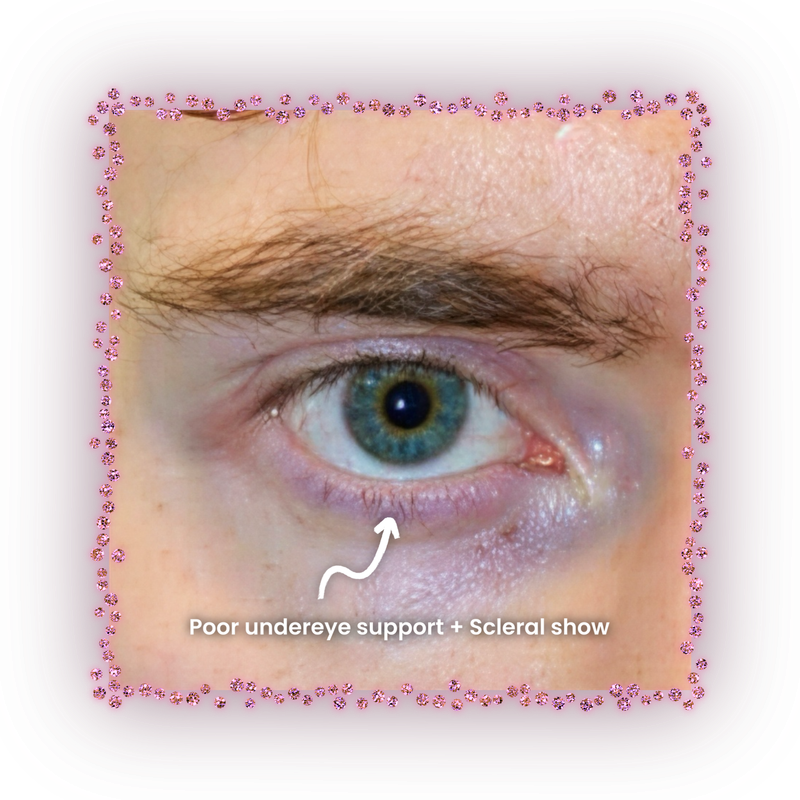
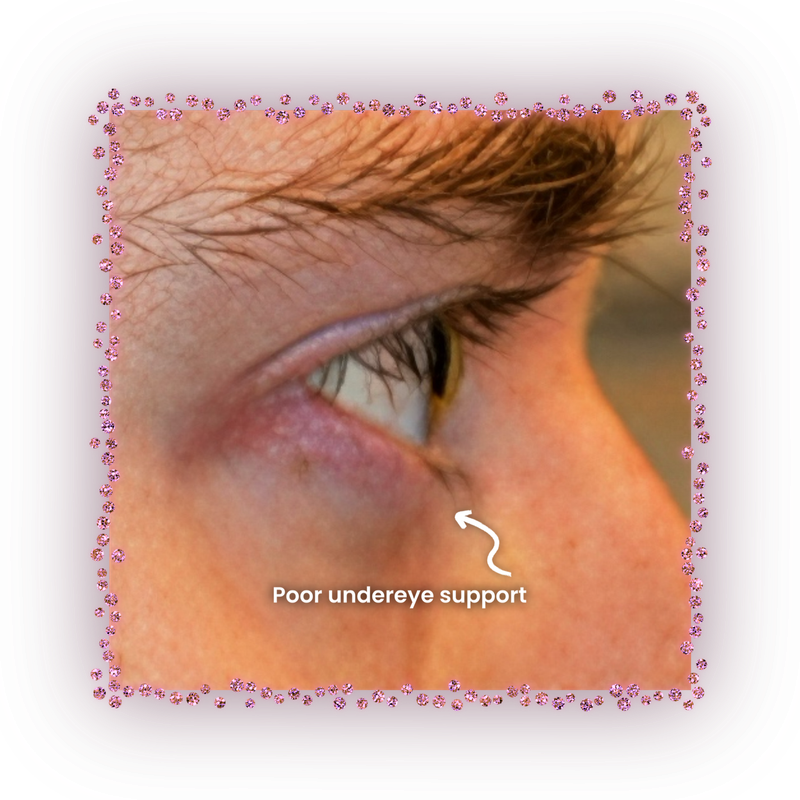
Fat Flaw:
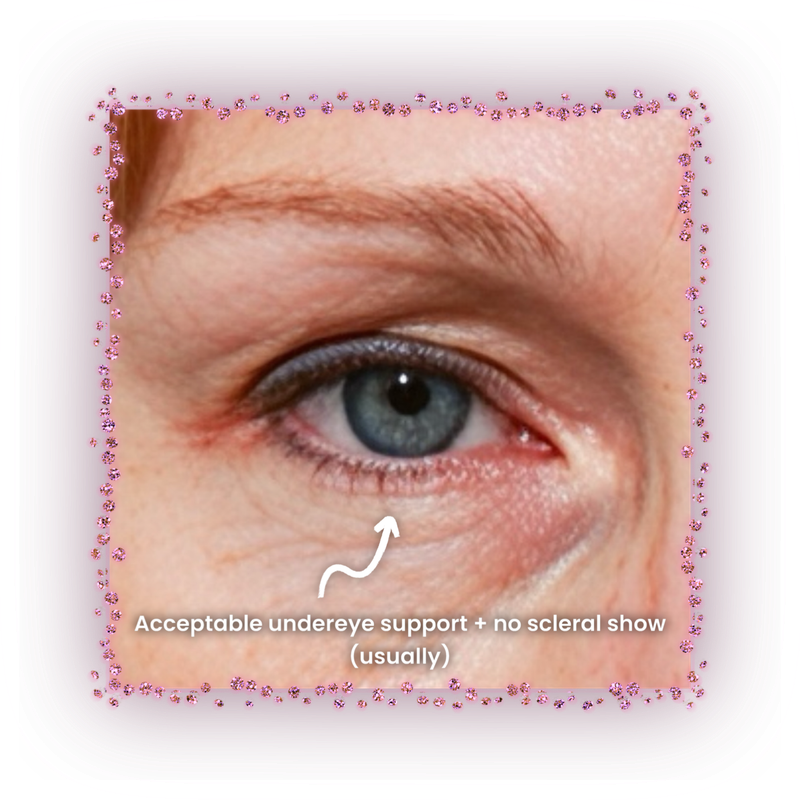
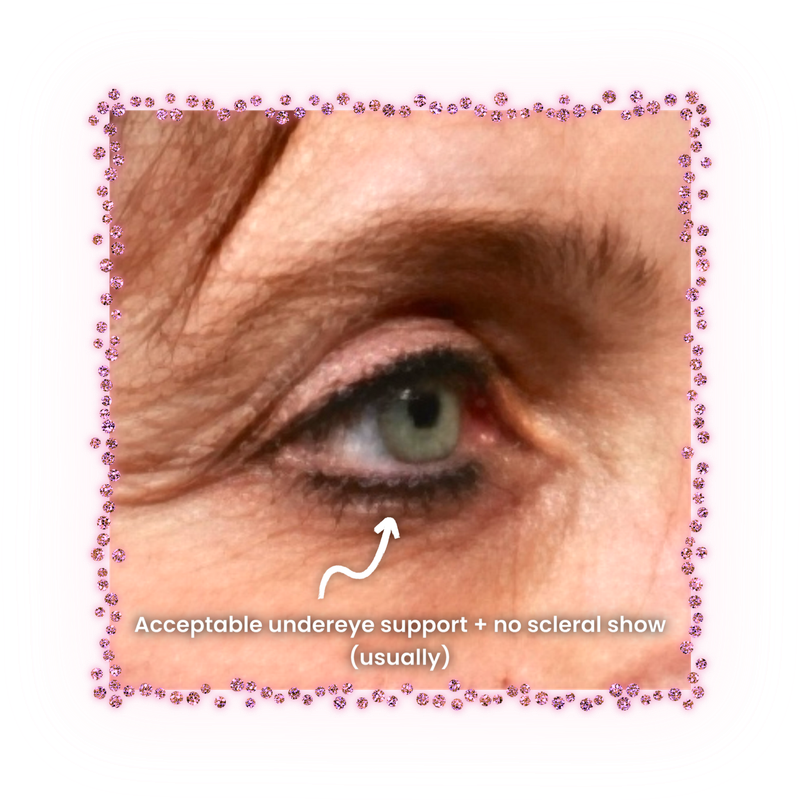
Solutions:

Accessible
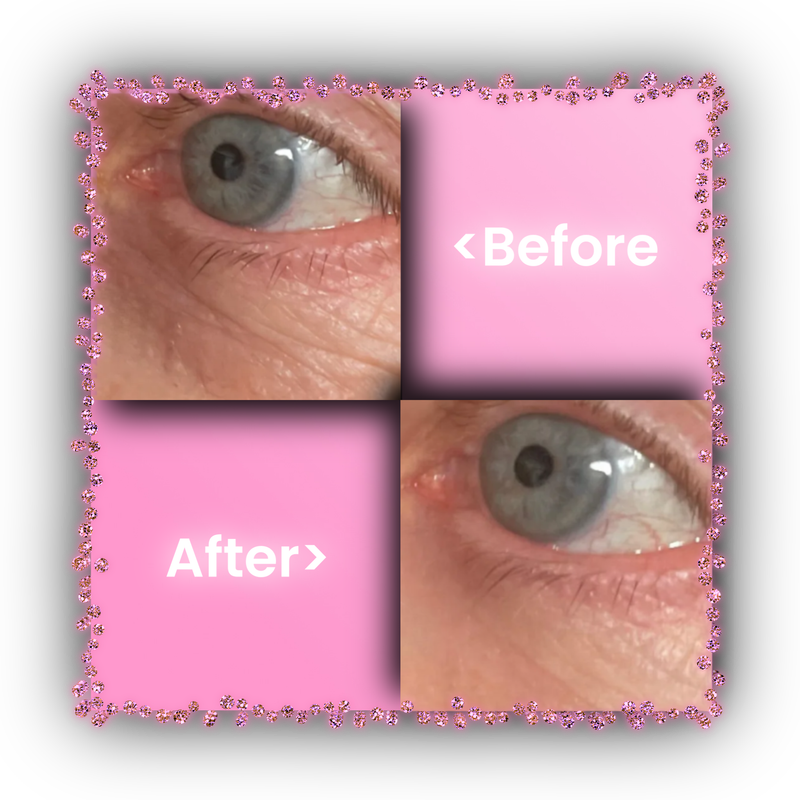
A lot of people still think that Volufiline is cope. It's not. The reason some may think so is most likely for one (if not both) of the two reasons: impatience or boof product. Quite literally, the main two criteria for fat gains with this product are applying it consistently and buying the real compound. Very nice and easy looksmax for the fat pads.
Apply AM and PM all around the eye area (good to apply on hooding as well). After reaching desired fat fullness, apply 2-3 times a week for maintenance.
One good source I can recommend is Volufiline 92% + Pal-Isoleucine 1% from The Ordinary. By the way, don't worry if it stings a little, that's normal.
Rating
Cost: ▰▱▱▱▱ |
Invasiveness: ▱▱▱▱▱ |
Effort: ▰▱▱▱▱ |
Time: ▰▰▰▰▱ |
Permanence: ▰▰▱▱▱ |
Before / After

Easy
Good temporary placeholder solution if bone structure is your issue and you don't have the time and/or funds to hardmaxx yet.
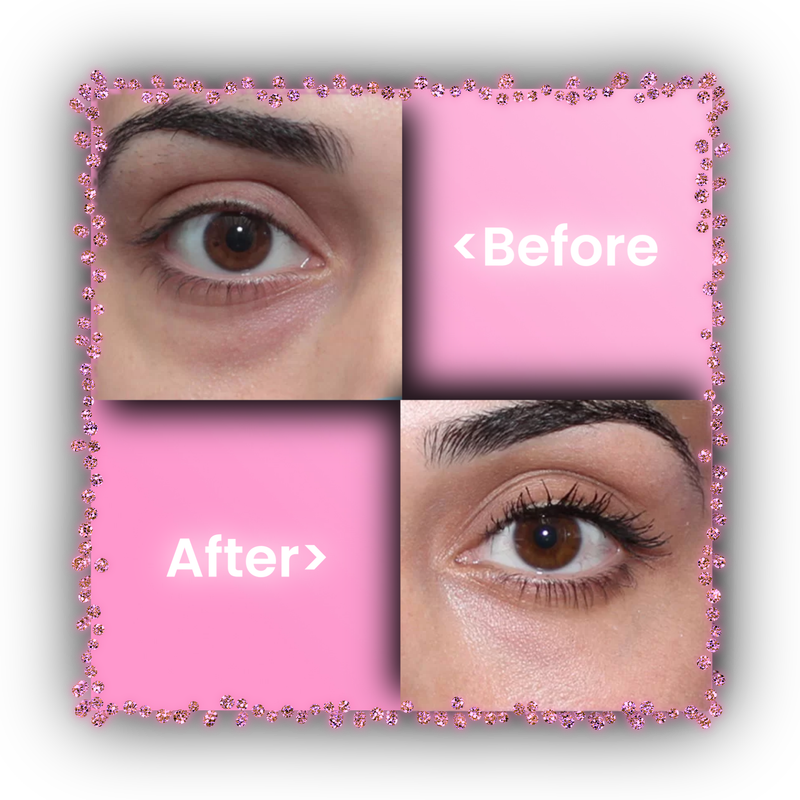
Best filler type for the undereye region is Hyaluronic Acid filler, such as the Restylane or Belotero Balance. The reason this type excels in the orbital region, is that it has very favorable rheology (the way it flows), low swelling compared to other types, and its complete reversibility.
A very important thing to remember is to find an actually good injector who won't fucking blind you (not to fear monger, but if you let some sketchy Indian with no reviews inject such a delicate region, you never know what happens). A good injector also likely won't rip you off. My recommendation is to find reputable independent ones (that are certified, of course) from platforms like Instagram (unironically), as they tend to constantly post their up-to-date work, as well as transparent reputation factors, such as their follower count (take it with a grain of salt, but IMO it's way better than some overpriced clinic with fake reviews and frauded, cherry-picked portfolios).
Follow the maintenance protocol provided by your injector, and the filler will settle pretty quick, with minimal swelling.
Migration is a meme.
Usually lasts 6-18 months. Fun fact: if you are on steroids, filler will last less for you.
And please, don't try to DIY this area.
Rating
Cost: ▰▰▱▱▱ |
Invasiveness: ▰▰▰▱▱ |
Effort: ▰▰▱▱▱ |
Time: ▰▰▱▱▱ |
Permanence: ▰▰▰▱▱ |
Before / After

Hard
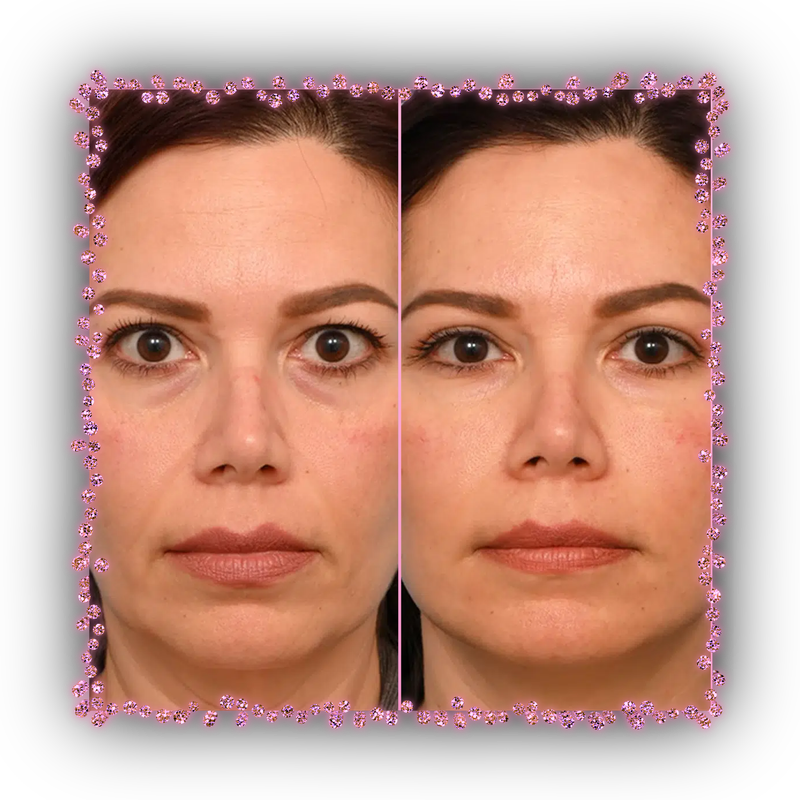
This is an extensive topic, which requires TONS of your own research, to ensure the best possible outcome. Most I can do is provide some tips:
Find a good surgeon. One of the best ways to do it IMO is to scroll through forums like this one, and see what people (knowledgeable users/existing patients) say about different surgeons. Then, when one catches your eye - do deeper research about them outside the forums.
East Asian countries, in particular Thailand and South Korea are very well-known for their excellence at oculoplastic surgery both in terms of price and outcomes.
Be patient and don't rush it.
Consider going for medium to high volume straight away (unless issue is relatively minor), as a lot of people I know who had it done did have amazing improvements, but had to go get them topped up, as it wasn't quite enough (objectively).
There is a chance that you will have to get them topped up after a while (and by a while, I mean many years).
Rating
Cost: ▰▰▰▰▱ |
Invasiveness: ▰▰▰▰▱ |
Effort: ▰▱▱▱▱ |
Time: ▰▱▱▱▱ |
Permanence: ▰▰▰▰▱ |
Before / After


Hard
Also a very extensive topic, that requires even more of your own research than the previous entry. Here are some tips:
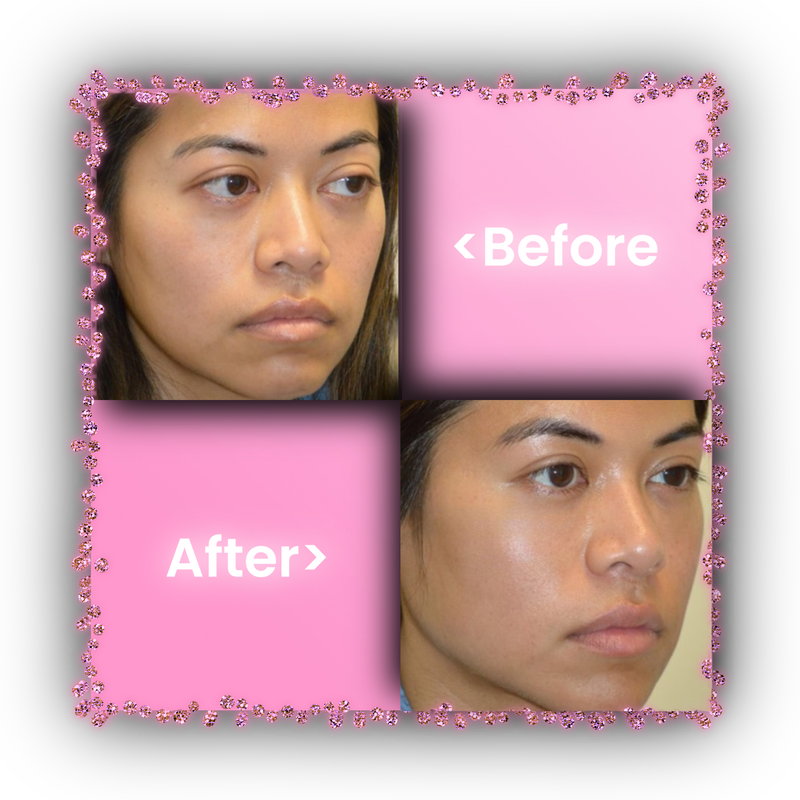
Find an actually good surgeon. Again, one of the best ways to do it is to scroll through Looksmaxxing forums, and see what users (again, knowledgeable users and ones that actually did the procedure) say about different surgeons. And of course, when you find an appealing one - do deeper research about them elsewhere.
Personally, I have heard loads of good things about Dr. Valerio Ramieri. My boyfriend has worked with a few of his clients and and is very fond of the guy. Tends to be a bit more conservative than others, but provides consistent top-quality output at reasonable prices and doesn't randomly throw temper tantrums on his clients (yes, Pagnoni, I am referring to you).
Don't overdo it or you'll end up looking Asian.
Inframalars tend to increase the bizygomatic width, so do consider that and see whether your harmony allows for that or not (ESR, FWHR, TFHWR, Bigonial, etc.).
Again, be patient and don't rush it.
It's nice to consult with experienced users (in this field in particular) to see whether you're on the right track.
PEEK implants are by far the best in terms of material, solely due to their insane biocompatibility - and therefore, very low bodily rejection rate.
Rating
Cost: ▰▰▰▰▰ |
Invasiveness: ▰▰▰▰▰ |
Effort: ▰▰▰▰▱ |
Time: ▰▰▱▱▱ |
Permanence: ▰▰▰▰▰ |
Before / After

Fixing the Superficial Issues
Alright, so you fixed your underlying structure, but the darkening may still persist. Why?
Well, the two main reasons for said darkening are either vasodilation, as that region is VERY densely-packed with blood vessels, or melanin dysregulation (hyperpigmentation). There are a few reasons, for which the former may take place - but the reason for the latter is mainly your phenotype. Another reason to consider is the thickness of your skin, as in that region, your skin is only around 0.5mm thick, which obviously means that it will allow you to see a lot more of what's going on underneath, than in other areas.
Some products listed below are slightly tricky to get, however at the end of the thread, I will provide a really good source I personally use, where you can find all said hard-to-get products (works for both Europe and the US).
Solutions:


Accessible
There are many ways in which poor health/habits can make your eye region darker than night.
It is absolutely essential you tune in your diet, by cutting out as much slop as possible and getting all your nOOtrients in. MicronOOtrients also matter, as being defficieint many of them can also lead to that issue. Fixing your diet by cutting out junk and cooking your own healthy food will save you money as a nice bonus!
It is also crucial for you to have a proper sleep schedule and always to be well-rested. If you're not, the body poorly regulates the HPA axis, thereby spiking your c*rtisol, increases dehydration and impairs lymphatic drainage.
The hardest part about this is discipline and consistency. Knowing you ADHDcels, the rate of executive dysfunction amongst the readers is very likely high. However, that doesn't mean that it's the end of the world. It just takes a bit of effort to get started. However, after a certain point - it just becomes automatic.
Rating
Cost: ▱▱▱▱▱ |
Invasiveness: ▱▱▱▱▱ |
Effort: ▰▰▰▰▱ |
Time: ▰▰▰▰▱ |
Permanence: ▰▰▱▱▱ |
Before / After
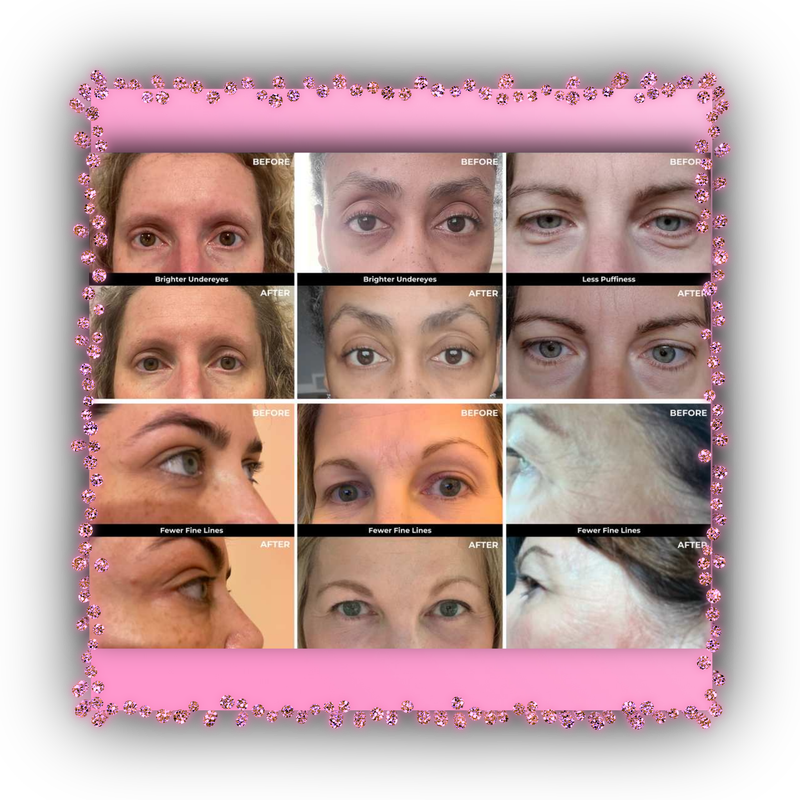

Accessible
First and foremost, not only is this a pretty effective method of accelerating periorbital region lightening, but is also an excellent preventative measure for the darkening to not occur in the first place.
In short, Vitamin C serum works by inhibiting melanin production locally, thickening the skin ever so slightly, and it serves as a good antioxidant.
The truth about this product is similar to what I said about Volufiline. Consistency and product quality is all that matters.
For a long time, I thought that it's not worth it, and only takes money and time (even though not a lot), with a low ROI. Then, I discovered the Garnier Vtamin C serum (holy shit that really sounds like an ad JFL). I will be telling about this from personal experience, as I think that this is by far the best Vitamin C serum on the market.
There are two variants: the 2% one, and the 10% one. Ideally, we want both. Apply the 2% one in the morning, and the 10% one at night. You don't need to apply a lot either, usually one drop per side is enough. Do make sure you don't get that stuff into your eyes, because it will sting for a little bit, which is quite annoying. I also recommend you use it before you use your moisturizer, as this product dries out the skin quite a bit.
Works even better in synergy with the product in the next entry.
Rating
Cost: ▰▱▱▱▱ |
Invasiveness: ▱▱▱▱▱ |
Effort: ▰▱▱▱▱ |
Time: ▰▰▰▰▱ |
Permanence: ▰▰▱▱▱ |
Before / After
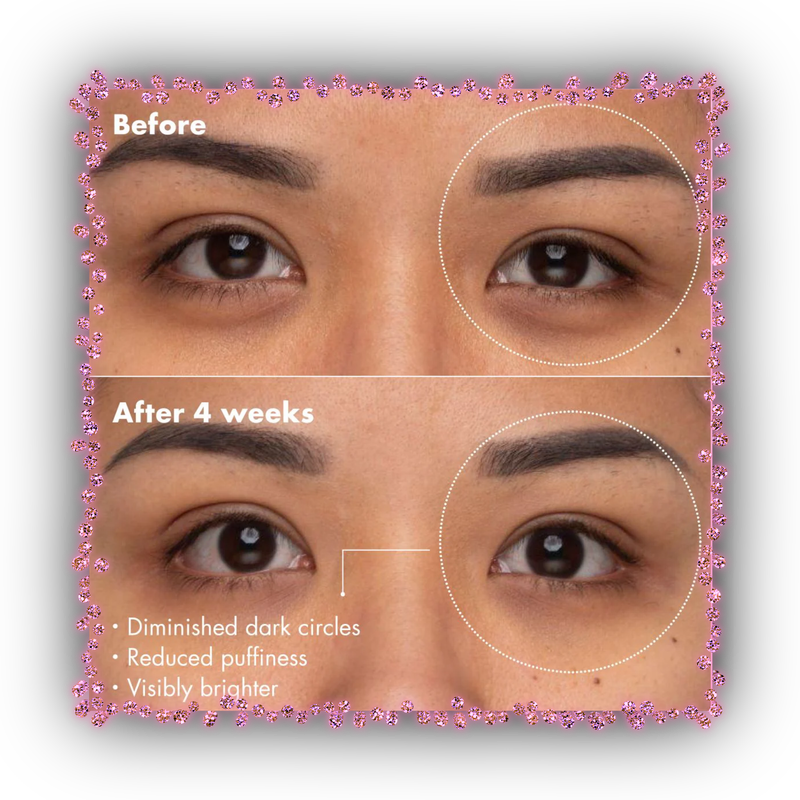


Accessible
These work similarly to Vitamin C, however they have one unique property that makes them very much worth using. That property is their selective cytotoxicity in hyperactive melanocytes. In simple terms, if they see that a melanocyte is going too crazy - they travel directly to it like a heat-seeking missile, and tell it to pipe the fuck down.
Half a pea-sized drop of 15% Azelaic acid cream twice daily and half a pea-sized drop of 4% Topical Hydroquinone every night should do it for you.
The only caveat is that they're both prescription only in some countries, so it may require some extra sourcing to do. However, even then, they're both still pretty easy to acquire.
As mentioned above, they work even better in synergy with Vitamin C.
Amazing thing about the two is that they're great for not only dealing with darkening caused by external factors, but also for dealing with genetic hyperpigmentation.
Rating
Cost: ▰▱▱▱▱ |
Invasiveness: ▱▱▱▱▱ |
Effort: ▰▱▱▱▱ |
Time: ▰▰▰▰▱ |
Permanence: ▰▰▱▱▱ |
Before / After
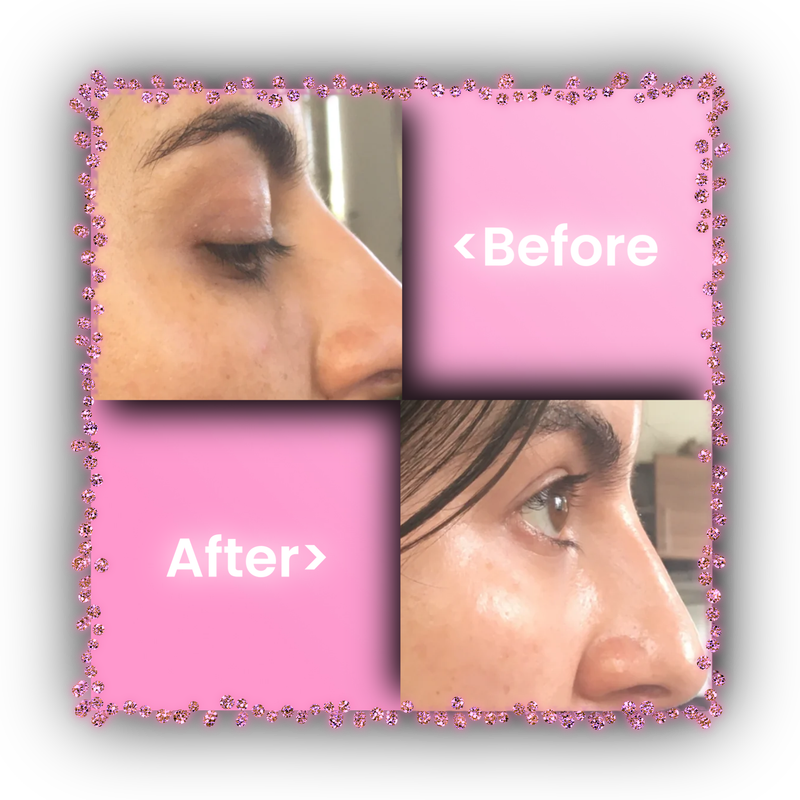

Accessible
Not necessarily something that will completely eradicate this issue on its own, however it does help a lot if paired with other methods from this guide.
By now, we all should know how tret works: it promotes rapid skin cell turnover, which makes the pigment shed. It also thickens the skin through increased collagen production that it causes.
Can also potentially help wit by smoothing them out.
Overall, a must for quite literally everyone (unless you need Accutane instead), as it's an overall mogger product.
Is prescription only in quite a few countries, but again, can still be easily sourced.
At this point, use it on your whole face because it's just that good. For each conc., just mix a pea-sized drop in with your moisturizer. Start off with 0.025% nightly. You should start purging. If your skin barrier is fucked and your skin feels like it's burning and/or gets red - reduce to every other night for the first two weeks or so, then move onto every night, until the tub is finished. Then, move onto 0.05% and do the same. Then 0.1%. After that tub is finished, you can get off tret completely, but not before doing a proper tapering protocol, such as reverting back to 0.025% nightly for two weeks, then every other night until the tub is finished, then going cold turkey.
Rating
Cost: ▰▱▱▱▱ |
Invasiveness: ▱▱▱▱▱ |
Effort: ▰▱▱▱▱ |
Time: ▰▰▰▰▰ |
Permanence: ▰▰▰▱▱ |
Before / After
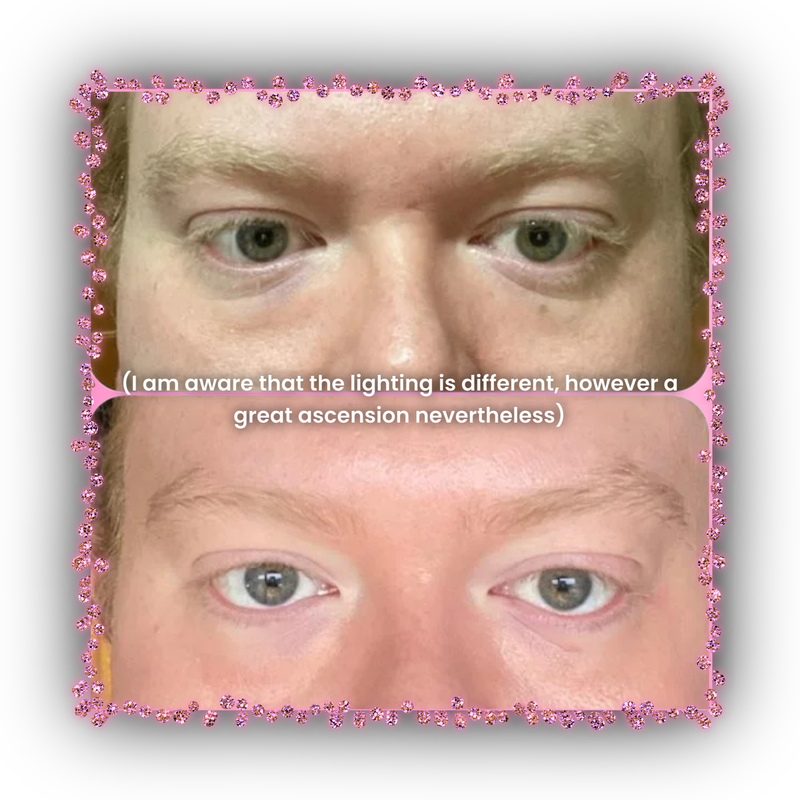


Easy
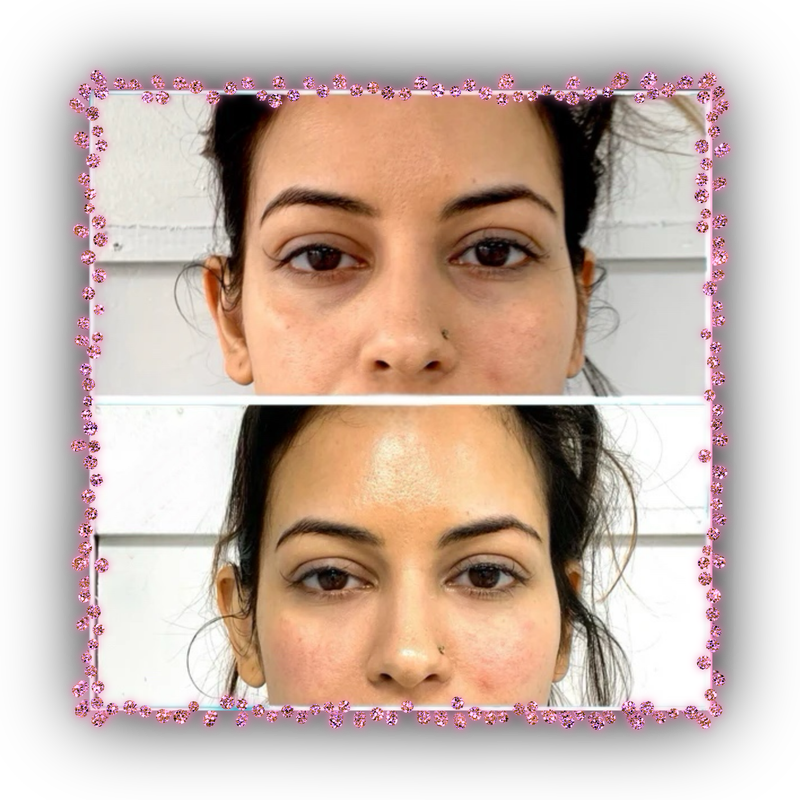
Pico laser targets the darkening in three main ways: it shatters melanin, it stimulates collagen production (contributing to skin thickness) and it provides vascular coagulation, which is essentially just selective vasoconstriction, as some wavelengths not only selectively affect melanin, but also hemoglobin.
Do 2-4 sessions (whatever you consider necessary), each two weeks apart.
If you are a smartie, and have already fixed the structural issue that has initiated the darkening to begin with, then you may not even need maintenance sessions. However, if you haven't - or it's pheno-related - then you may need to get revisions every 6-12 months, which is okay considering just how fucking effective it is.
It does get a bit costly due to the fact that multiple sessions are required, so if you happen to be on a vacation (or live) in some Asian/Middle Eastern/Eastern-European/South American country, definitely get it done there, as it's wayyy cheaper, whilst carrying little to no risk independent of the location.
Rating
Cost: ▰▰▰▱▱ |
Invasiveness: ▱▱▱▱▱ |
Effort: ▰▰▱▱▱ |
Time: ▰▰▱▱▱ |
Permanence: ▰▰▰▱▱ |
Before / After

Accessible
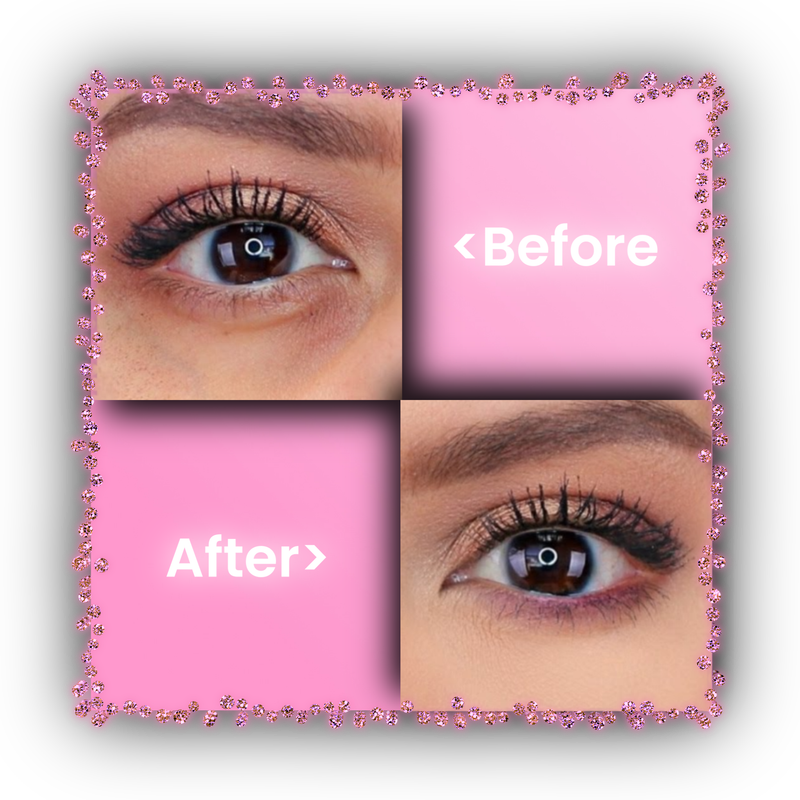
Color corrector, concealer, BB/CC cream, tinted sunscreen all can help you easily fraud your undereye (as well as the rest of your face, of course).
Not a solution to the issue itself, but should definitely be considered if you're mid-protocol for actually curing the discoloration.
Pick the tone that matches your skin tone, of course.
Use setting spray for it to last longer.
Obviously, don't overdo and don't mess with it too much after applying it.
Rating
Cost: ▰▱▱▱▱ |
Invasiveness: ▱▱▱▱▱ |
Effort: ▰▱▱▱▱ |
Time: ▱▱▱▱▱ |
Permanence: ▱▱▱▱▱ |
Before / After
That's about all you need to completely fix any and all periorbital darkening. You can not complain that it doesn't go away until you've tried out every method on this list - and if you have - you won't complain about it anyways, as your problem will be long gone.
But what about the new top secret method mentioned in the title?
Well, introducing:


Accessible
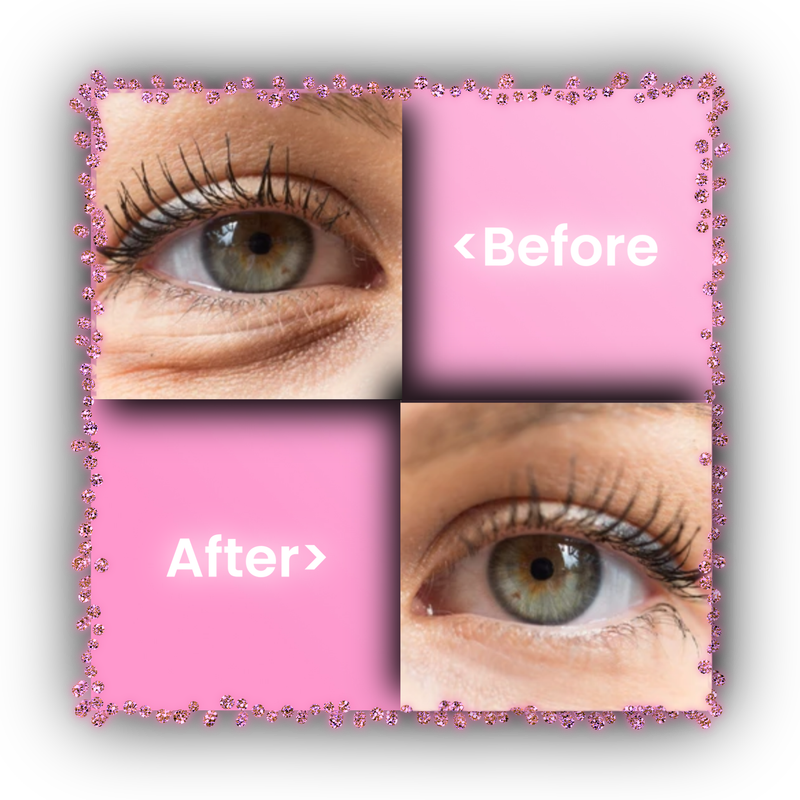
Most widely known as Lumify Eye Drops, this compound absolutely mogs for lightening the sclera. However, what most people don't know is that sclera is not the only thing it can lighten.
Since it's a very good vasoconstrictor, it easily reduces hyperpigmentation by a LOT for a set amount of time.
Apply one-two drops per side and rub it in, and enjoy the near-instant ascension. Should last you the entire day or so. Just beware that if you use it way too often (I'm talking like multiple times a day), it can have some rebound upon discontinuation.
Not only is it amazing for the underye region, but it can also deal with things like rosacea and pimple redness.
Absolutely amazing, underrated and incredibly easy to use fraud, especially if you're going to some event.
Again, prescription only in a few countries, but again, quite easy to source nevertheless.
Rating
Cost: ▰▱▱▱▱ |
Invasiveness: ▱▱▱▱▱ |
Effort: ▱▱▱▱▱ |
Time: ▱▱▱▱▱ |
Permanence: ▱▱▱▱▱ |
Before / After

As promised at the beginning of the guide, here's a really good source for most god-tier skincare products that are usually quite hard to get your hands on:
https://skinorac.org

Now, we are actually done. This is about all you need to know to be able to confidently and effectively solve this bullshit problem once and for all.
This is my first guide, which took incredibly long to make, so a cheeky Gold would be much appreciated!



Last edited: